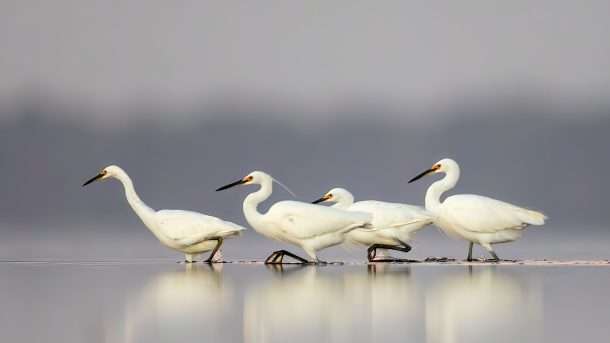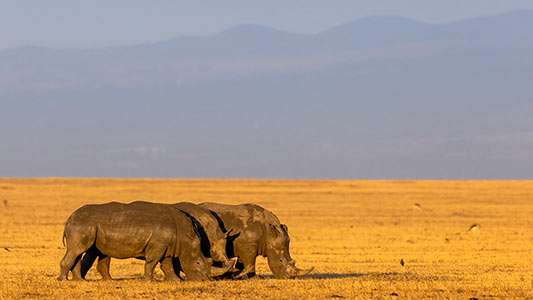
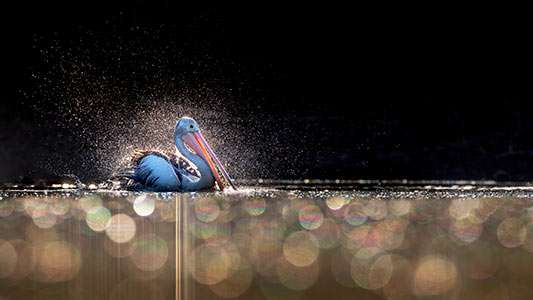
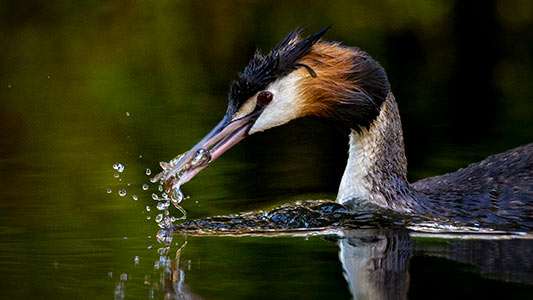

Birding and photography in Victoria Falls can be extremely rewarding for avid birders and photographers, particularly with the arrival of migratory birds towards the end of the year.
The Dry Season in Zimbabwe
Words and images, Diana Andersen
As my driver left the airport, the first thing I noticed about my visit to Victoria Falls in Zimbabwe was the arid conditions. The landscape in September is barren, lacking any living vegetation or greenery. Of course, it is the dry season, so like other parts of Africa, the area will come alive with vibrant foliage once the rain arrives.
Africa is renowned for its wildlife, and while many visitors aim to see the big five, as a bird lover, I am eager to see and photograph some of the continent’s stunning birdlife. The dry season offers an excellent opportunity for photography and birdwatching in Victoria Falls as the number of species dramatically increases with the arrival of migratory birds from the northern hemisphere between October and November.
Birdlife South Africa estimates that Victoria Falls is home to more than 470 species during the summer. Until the rains begin in December, water sources become essential for birds, offering exceptional opportunities for birding and photography as they congregate around water.
Victoria Falls Safari Lodge
Victoria Falls Safari Lodge provides one such opportunity. The grounds are a lush oasis within the arid landscape, featuring irrigated lawns, ponds and other small water sources. Below the Lodge, a large waterhole attracts a variety of wildlife, including birds and larger animals. Guests can observe their activities up close from the Siduli Hide, a below-ground photographic hide conveniently located at the water’s edge. A visit to the hide requires a guide that can be arranged at the Lodge’s activities desk.
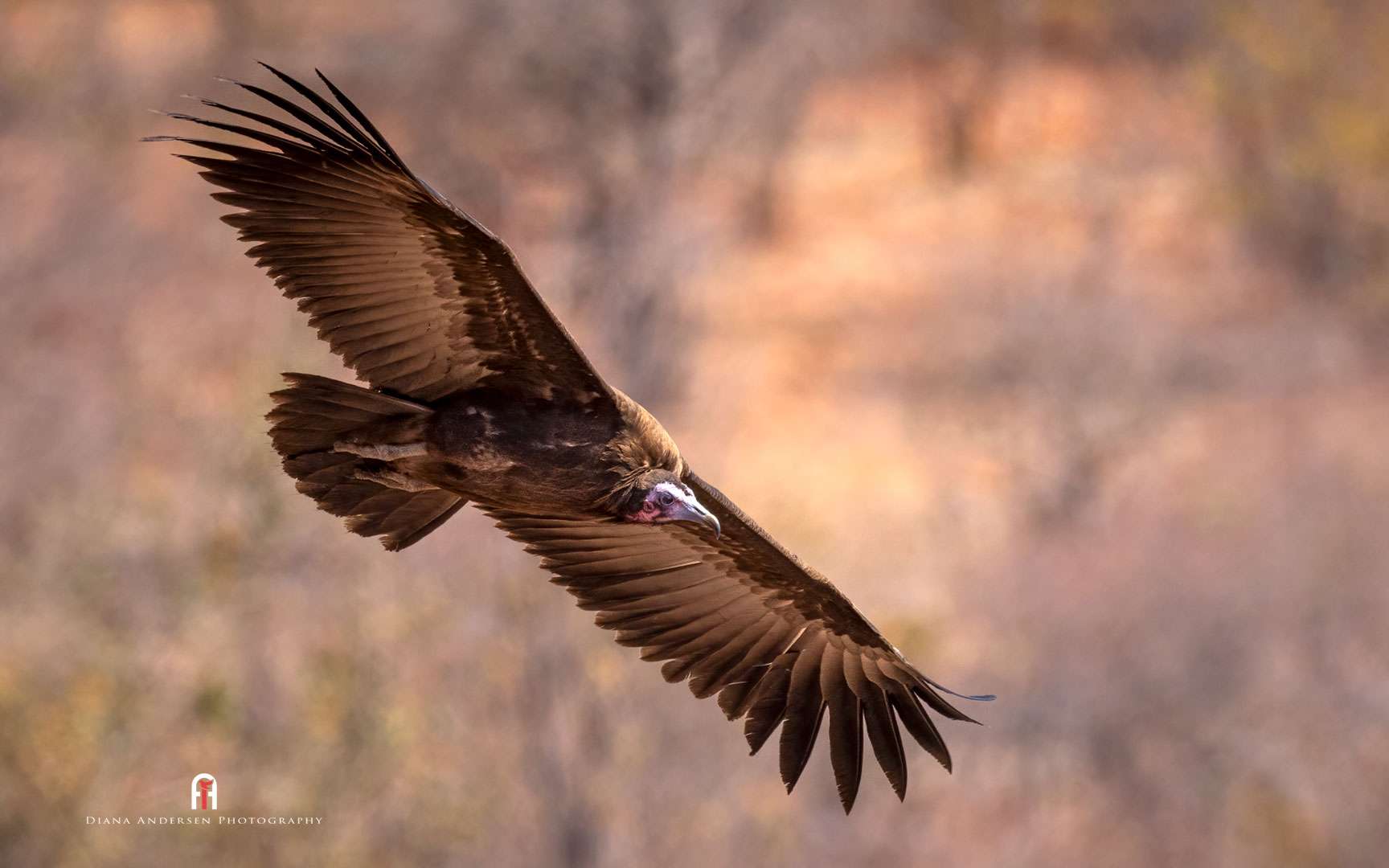
Hooded vulture in flight in Victoria Falls National Park.

ANIMALINFO PUBLICATIONS
DIANA ANDERSEN
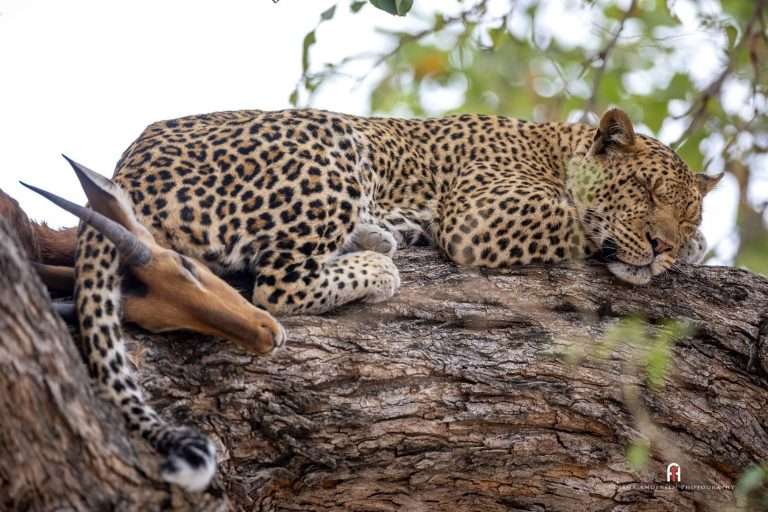
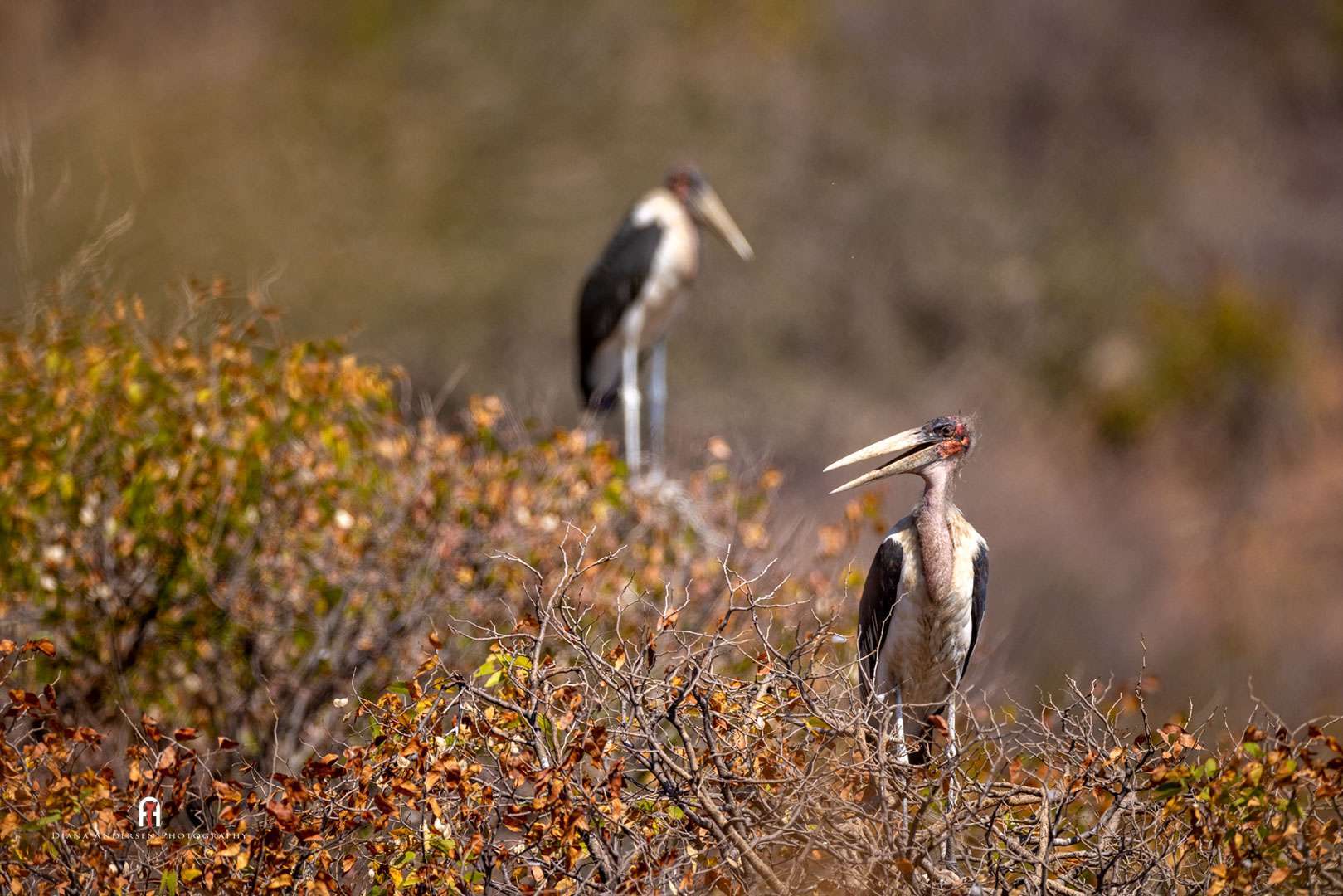
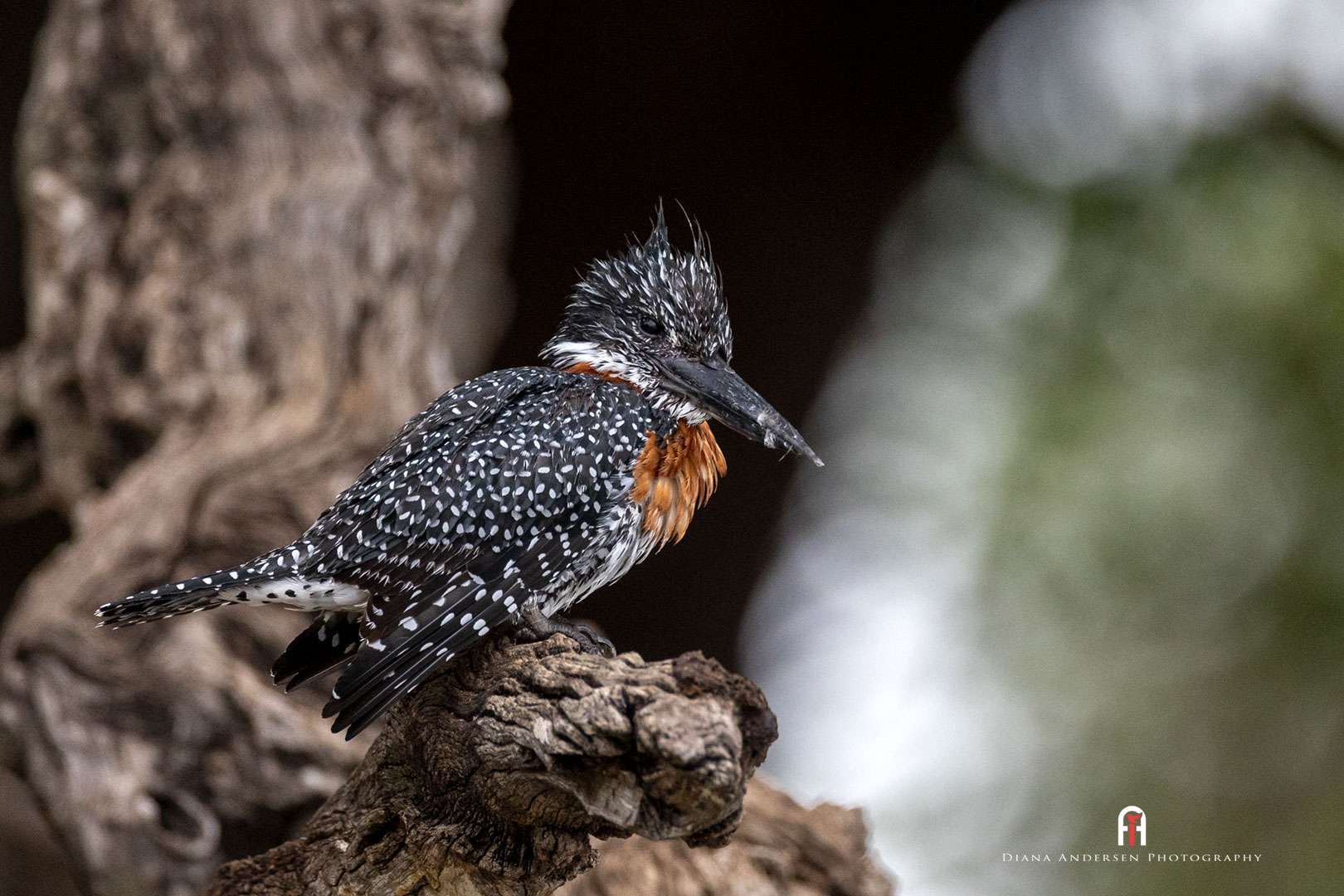
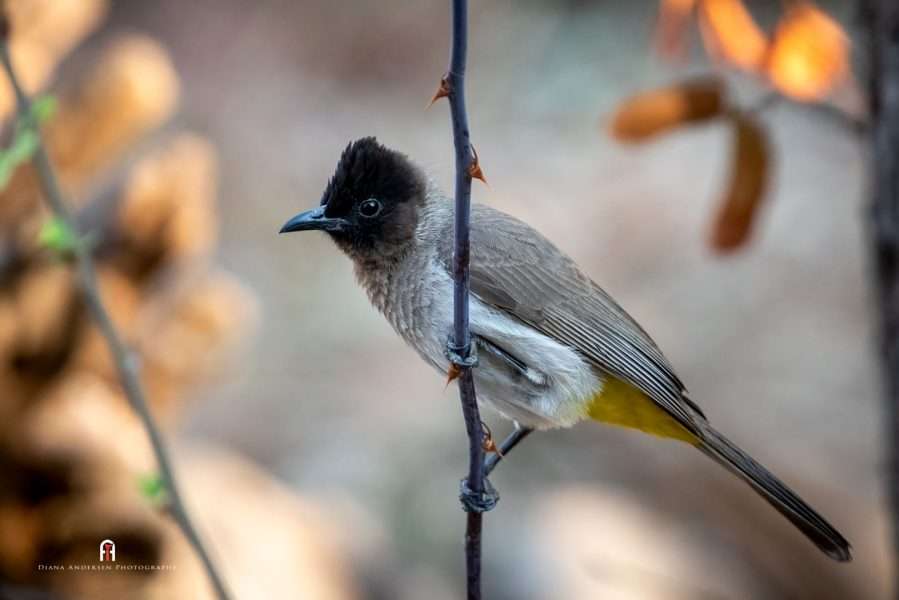
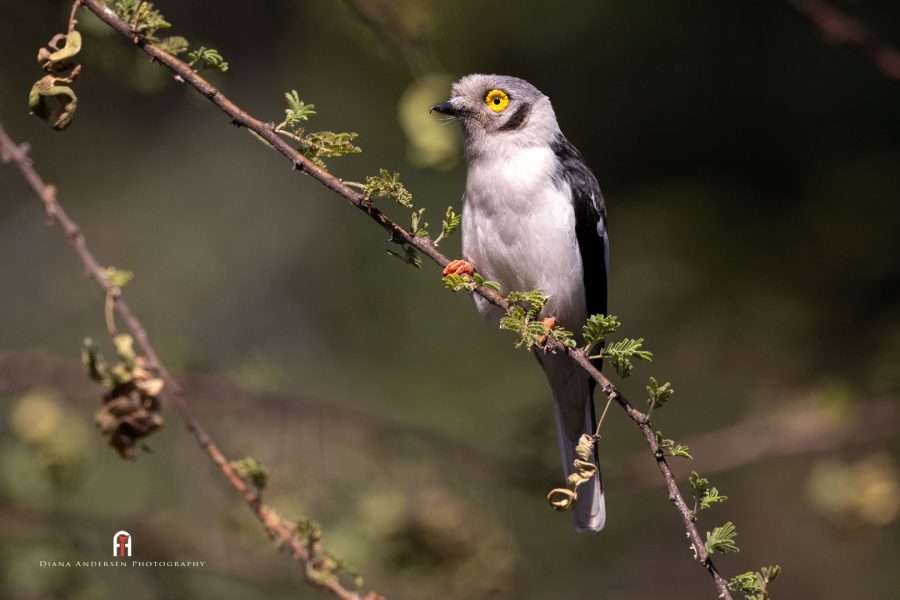
As we settle into the hide, with the viewing window at eye level with the water’s surface, it becomes clear that the waterhole is a social hub for various bird species. Helmeted guineafowl scurry along the shore, scratching the ground for any morsels they can find. At the same time, white-browed sparrow weavers hop around the water’s edge while a giant kingfisher arrives to catch some fish. Mournful-looking marabou storks stand nearby, seemingly waiting for something to die, which is likely how they earned their nickname, “the undertaker bird.” A yellow-billed stork and a grey heron also fish in the shallow waterhole while various other species, including grey and southern red-billed hornbills, come and go.
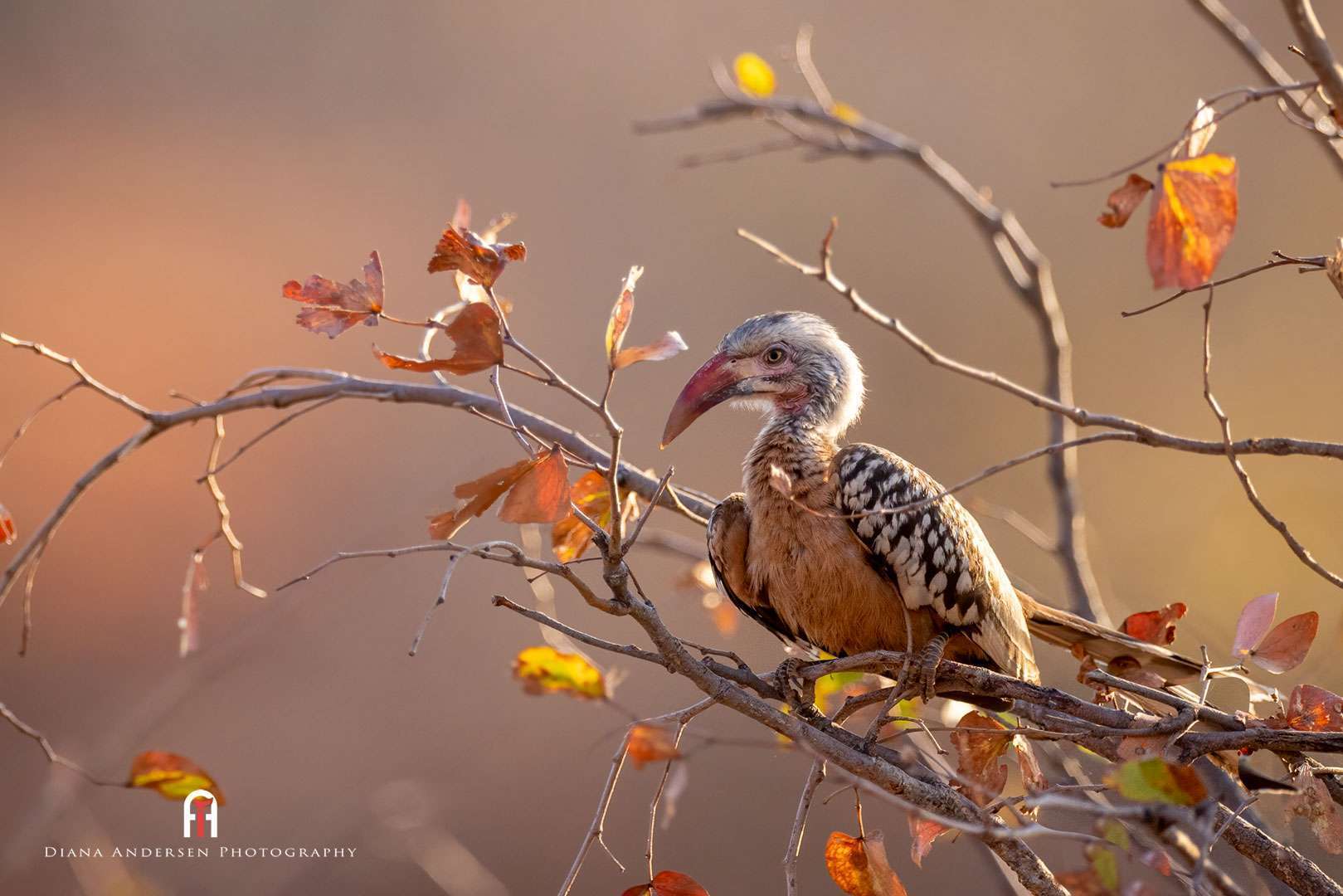
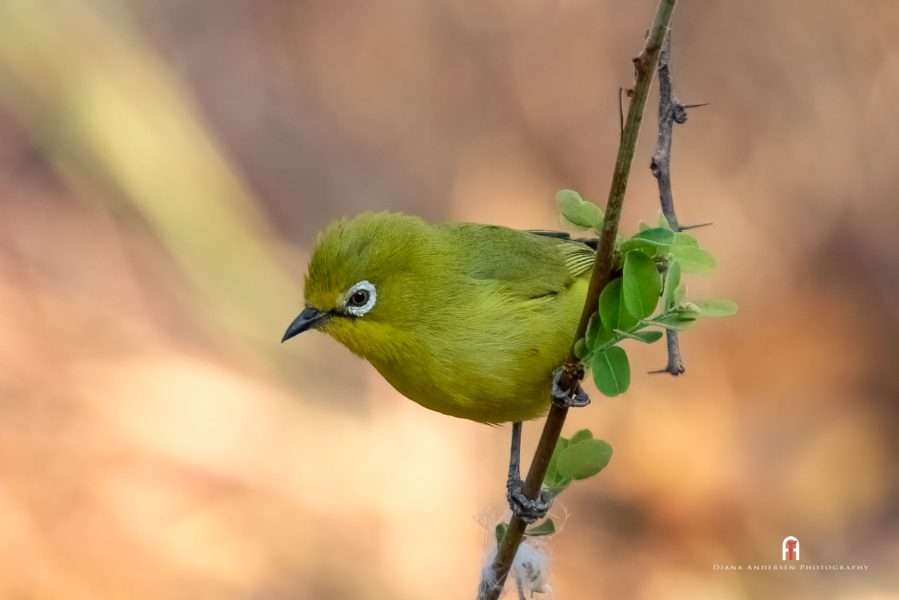
Other small waterholes around the estate provide ample bird watching and photography opportunities. Spending an early morning next to one pond provided the chance to see at least a dozen species, including blue waxbills, southern yellow white-eye, sunbirds, chats and weavers. Towards the end of November, a large colony of village weavers create their nests in a tree alongside the Lodge’s pool,
The Vulture Culture Experience
The Lodge also provides a unique opportunity to observe critically endangered hooded and white-backed vultures daily at 1 PM during the Vulture Culture Experience. This initiative is a joint conservation effort between the Lodge and the Victoria Falls Wildlife Trust. During the experience, significant numbers of vultures gather to feed on meat scraps from the restaurant. The feed is insufficient to make the vultures dependent on it; however, it helps keep them away from areas where they face persecution. Additionally, it allows guests to learn about the challenges these critically endangered birds face and their significance to our ecosystem.
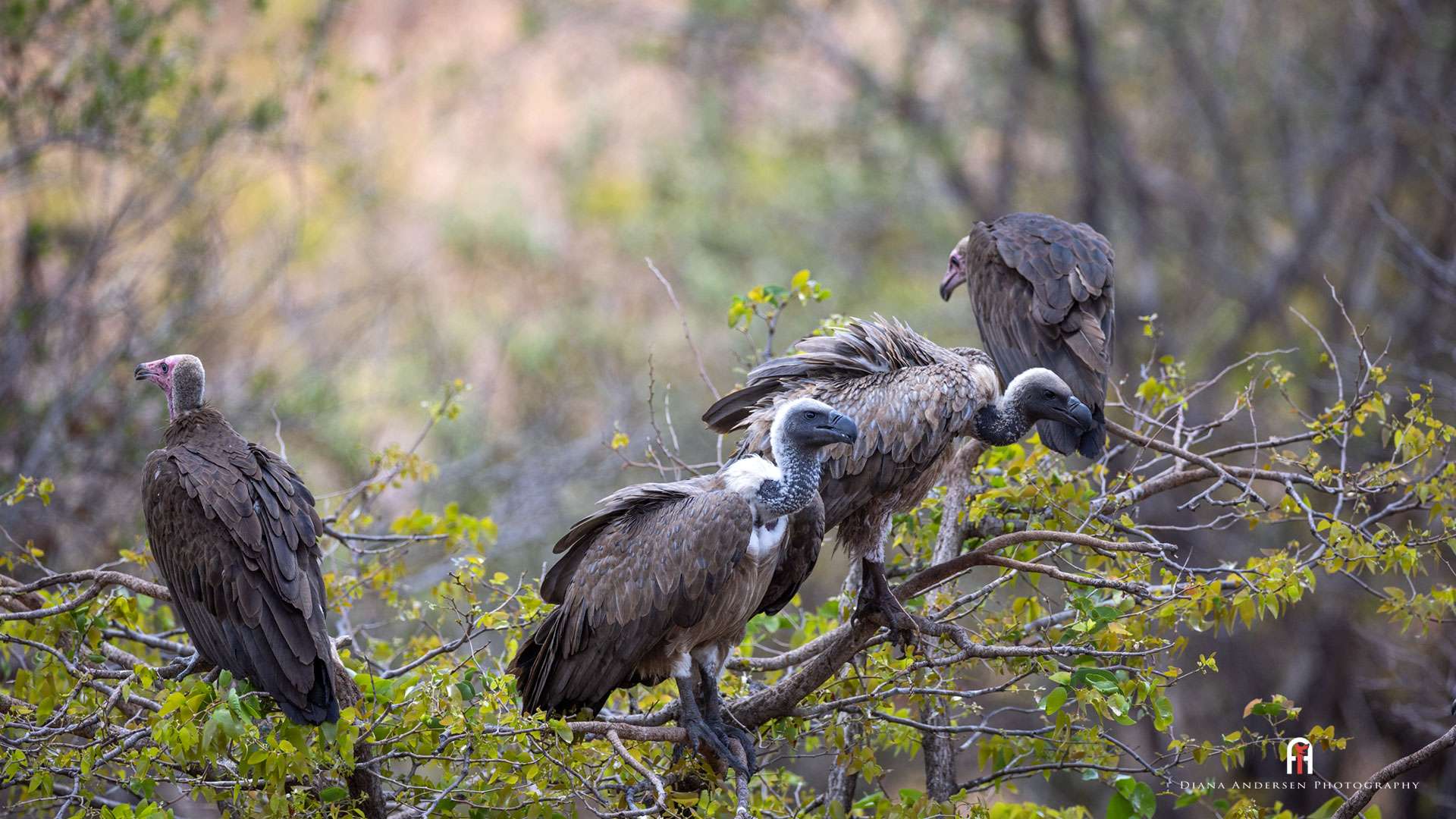
Hooded and white-backed vultures waiting for the daily feed at Victoria Falls
Birdwatching in Victoria Falls National Park
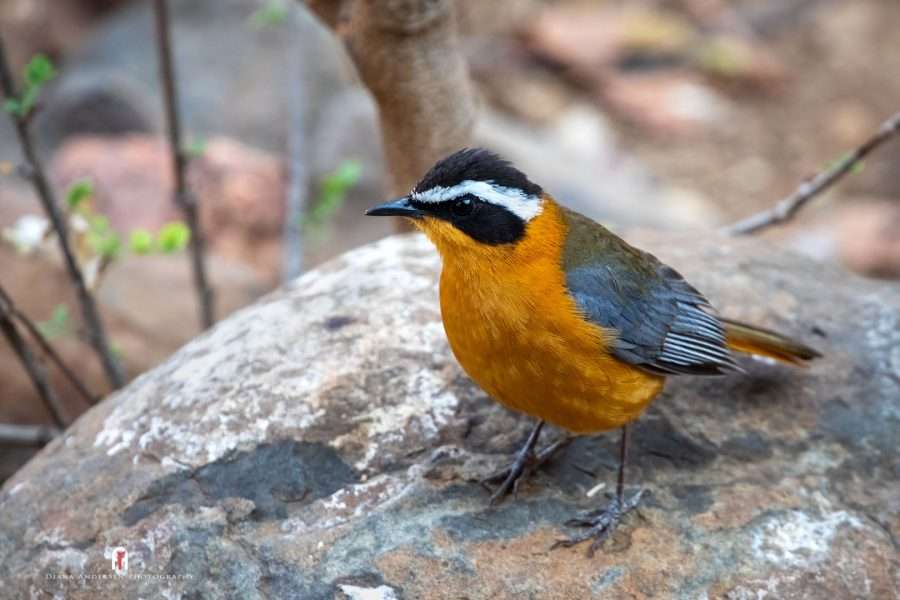
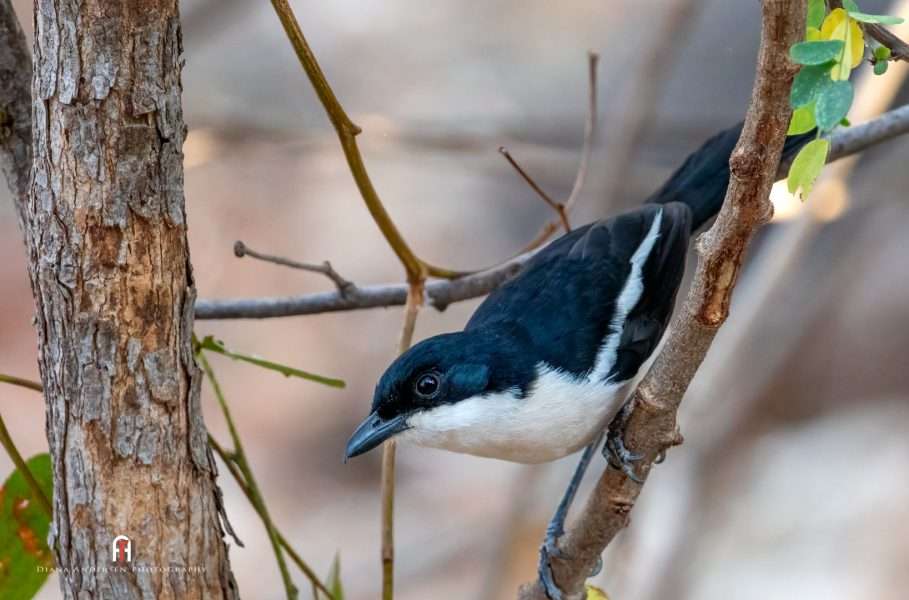
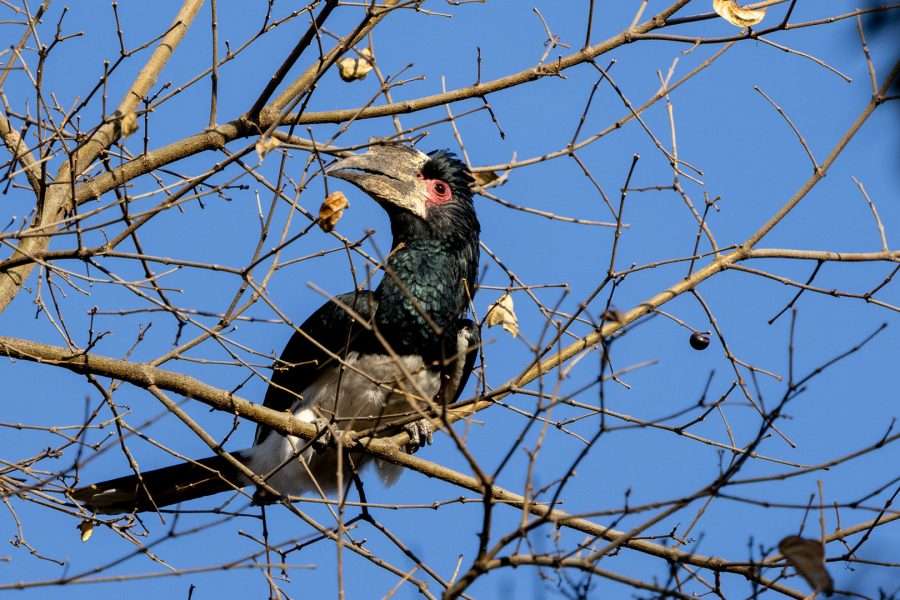
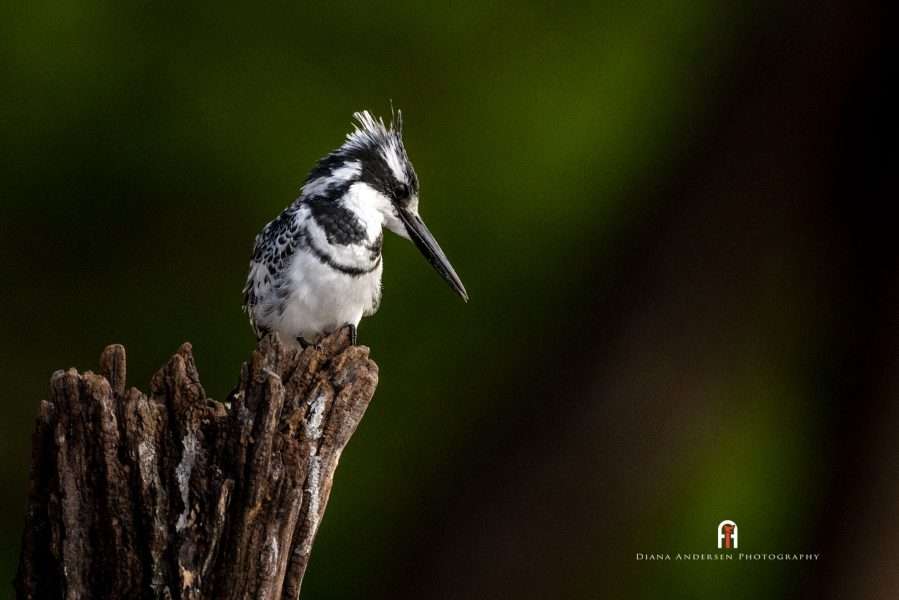
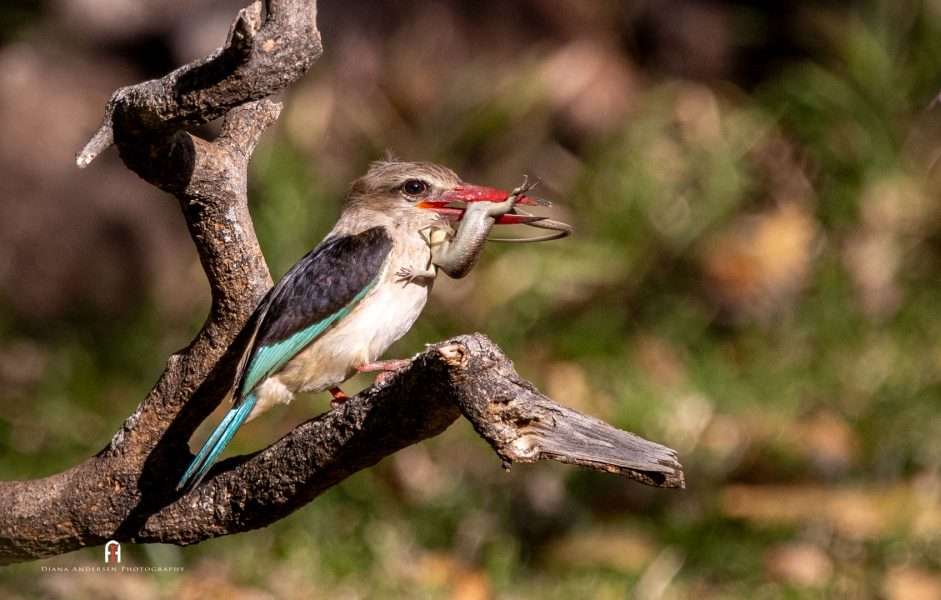
As one of the Seven Natural Wonders of the World, the Falls are a must-see when you visit the area. Bringing a wide-angle lens to capture the Falls’ grandeur should be a priority. Additionally, bringing binoculars and a birding lens is worthwhile, as a walk along the edge of the Falls offers the chance to observe and photograph various bird species. Trumpeter hornbills, brown-hooded kingfishers, tropical boubou, and white-browed robin chats are common in the rainforest area. The Park can get quite crowded, so it’s best to arrive as soon as it opens for the best opportunities to photograph the Falls and observe the birdlife.
Victoria Falls Sunset and Birding Cruises
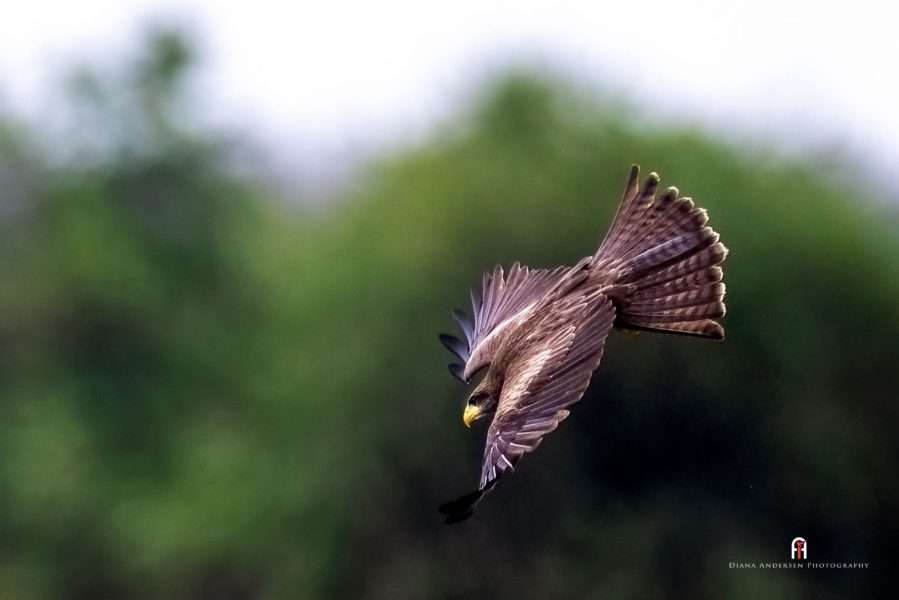
The mighty Zambezi River supplies water that sustains a variety of beautiful waterbirds and raptors, including African fish eagles and numerous yellow-billed kites. While many river cruises are available, smaller boats offer significantly better opportunities for photography and birdwatching at Victoria Falls, as they can get much closer to the shore. At sunset, I boarded the Ra-Ikane cruise, named after David Livingstone’s guide, which features the old-world charm of a bygone era. With a maximum of 16 guests, it’s a fantastic way to enjoy the scenery and birding in Victoria Falls along the river.
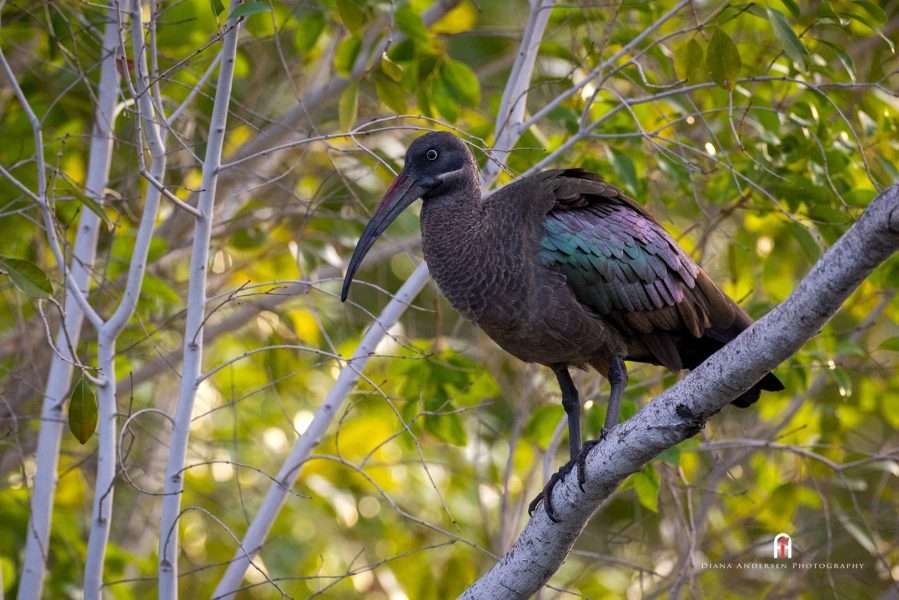
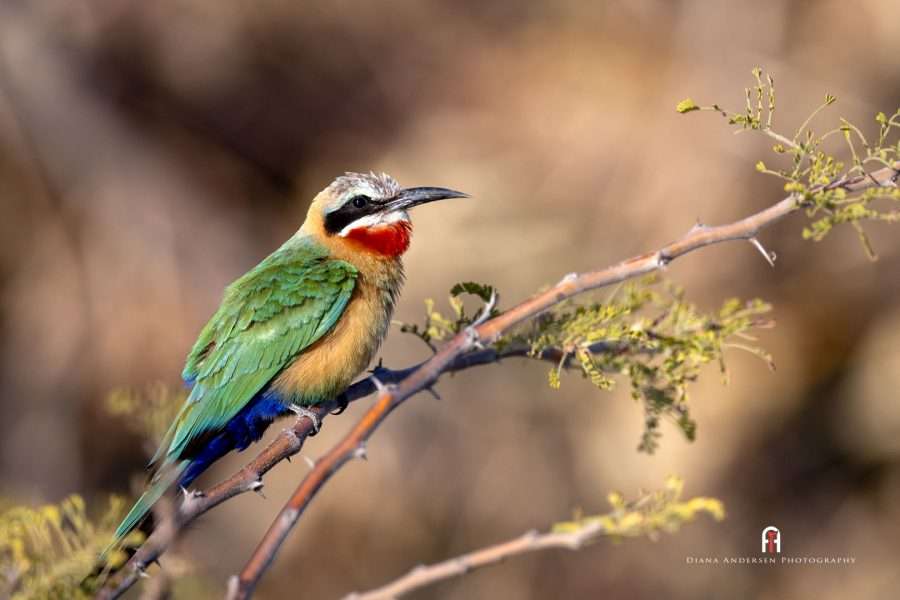
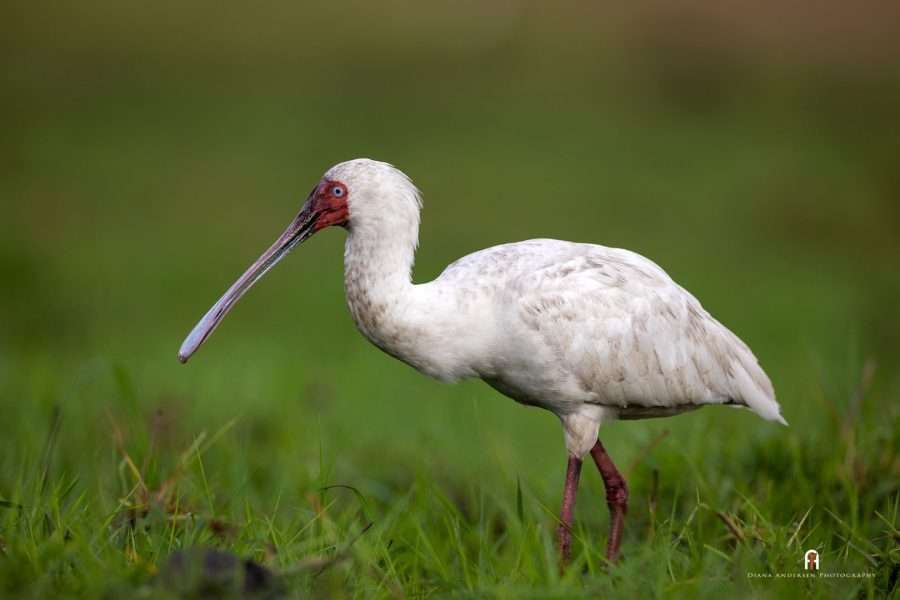
The dense vegetation along the shoreline provides an ideal habitat for various bird species, including white-fronted bee-eaters, herons, cormorants, African darters, and ibises. Early morning birdwatching tours are also available, starting before dawn and accompanied by a delightful breakfast spread. The boats follow the same route as the sunset cruise, closely hugging the shoreline and exploring the three main channels of the Zambezi River above the Falls.
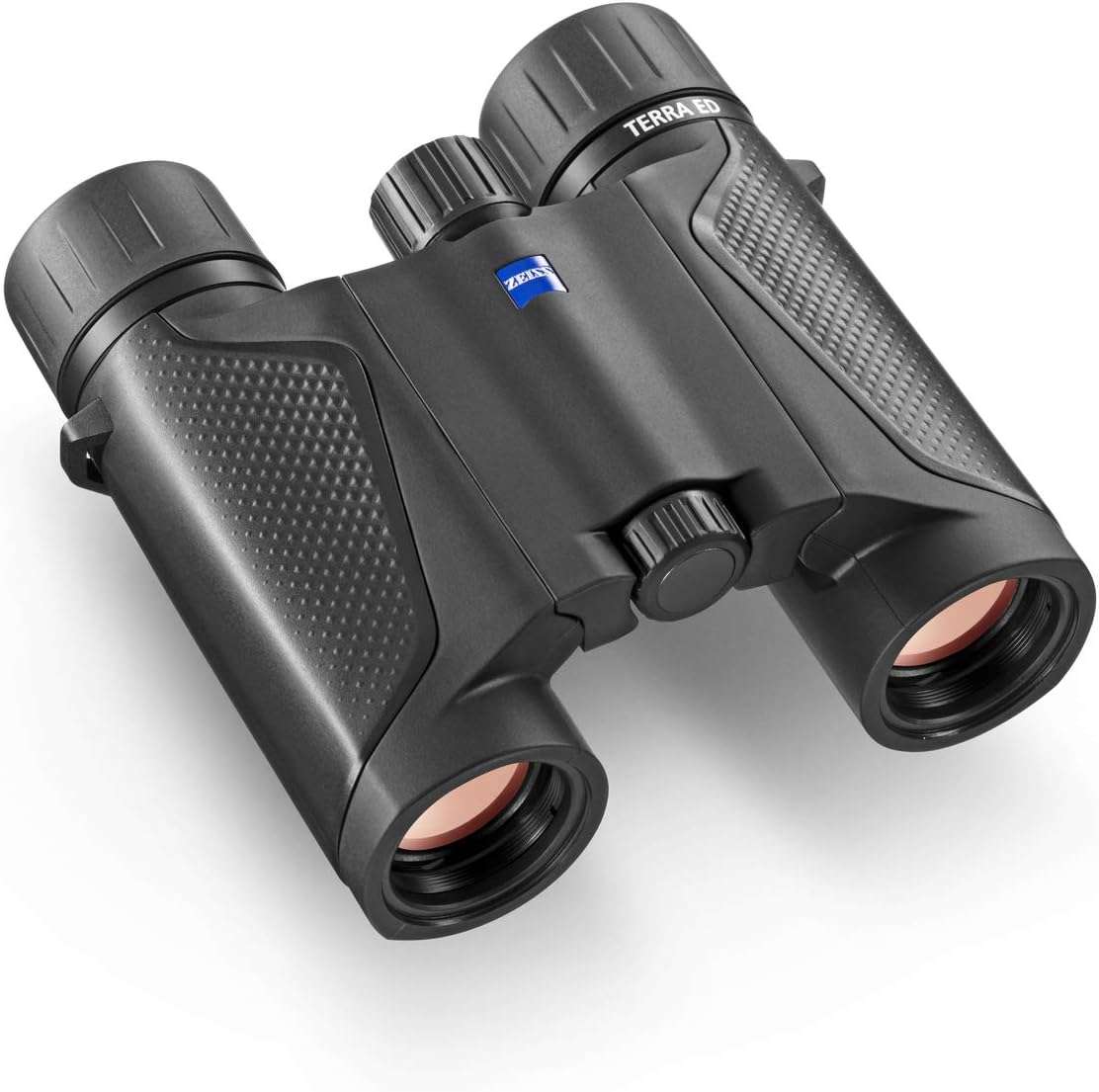
A good set of birding binoculars and a lens with a focal length of 600mm are ideal for maximising the birding and photography opportunities. While there are many other activities in Victoria Falls for guests to explore, the area provides some excellent opportunities for avid birdwatchers and photographers.
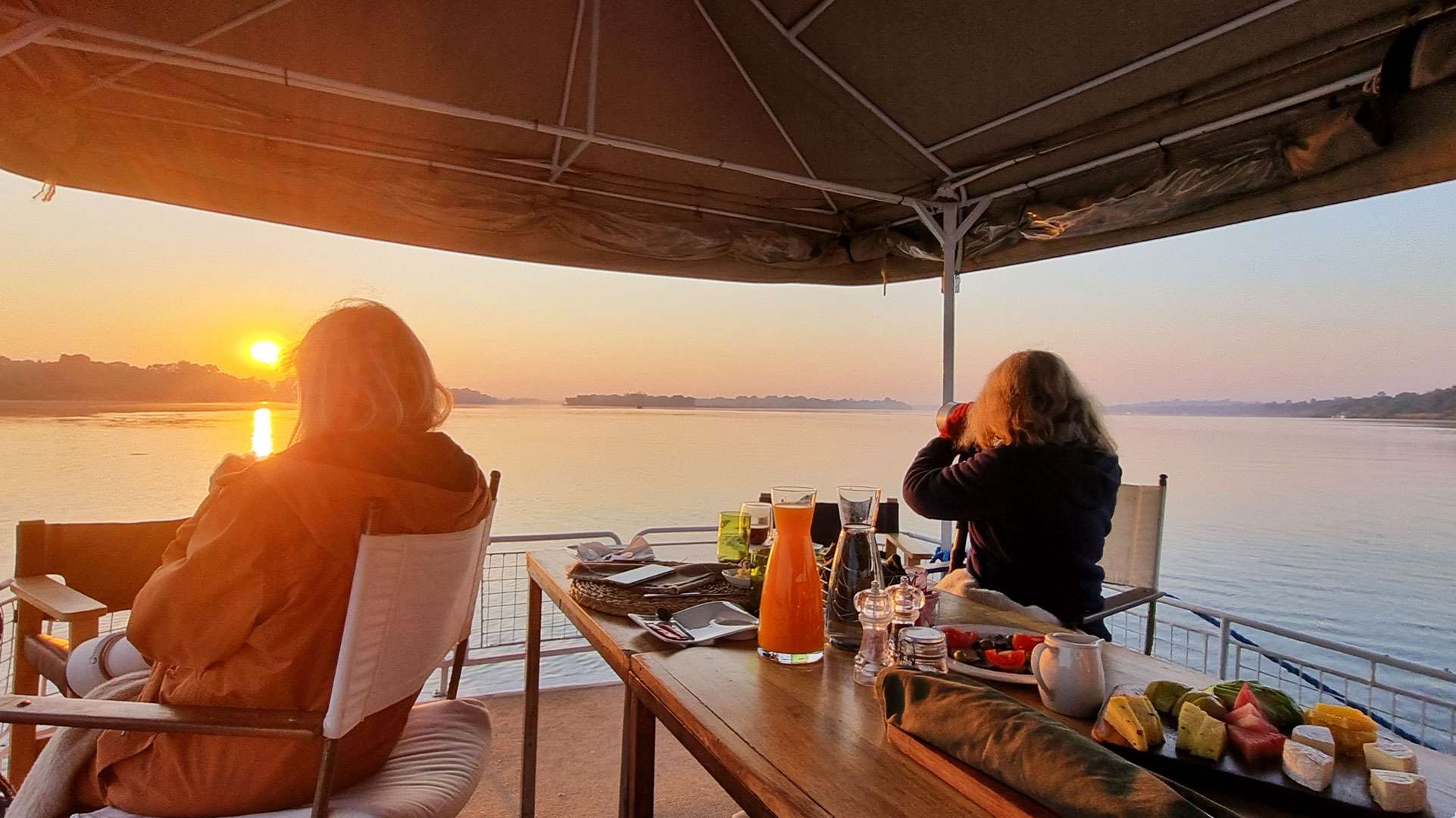
Early morning birding tour on the Zambezi River.
National Park Entry Details
The opening times are as follows: from September 1st to April 30th, the Park opens at 6:00 AM and 6:30 AM from May 1st to August 31st. Entry to the Park for international visitors is US$58 per person.
© Copyright 2025. Diana Andersen, Animalinfo Publications
Share this
BOTSWANA SAFARI 2026
Join a safari to the amazing Mashatu and Chobe in 2026, led by wildlife photographer and instructor Diana Andersen. Learn More >
Related Reading
SHOP

AMAZON
We are a participant in the Amazon Services LLC Associates Program, an affiliate advertising program designed to provide a means for us to earn fees by linking to Amazon.com and affiliated sites
SHOP BOOKS