
Tuli Safari Lodge – An Oasis in Mashatu
Words and images, Diana Andersen
Tuli means dust in Setswana, one of Botswana’s most commonly spoken languages, and Mashatu in the Northern Tuli Game Reserve certainly has dust in the dry winter season. As a wildlife photographer, dust creates atmosphere, and the dry conditions of winter bring animals to water sources, making many photographers like myself come to Botswana, hoping to capture stunning images of the wildlife. The border post at Pont Drift between South Africa and Botswana is where my journey to the magic that is Mashatu Game Reserve begins.
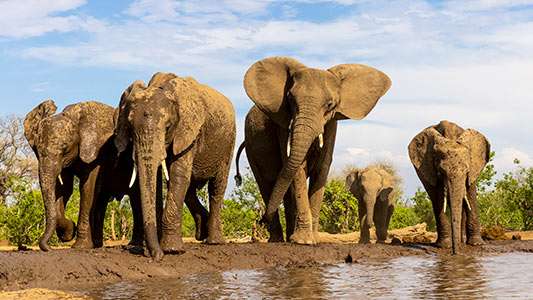
After the usual border formalities, I meet my smiling guide from Tuli Safari Lodge, Thato. Although I opted for a mid-November visit, which includes the possibility of storms and rain, the landscape is dry and the weather hot. We pass Southern Giraffe and Elephants foraging on Mopane trees, and there seems to be little else to feed on. The rain is late coming to Botswana this year, an increasingly common concern resulting from global warming.
Tuli’s History
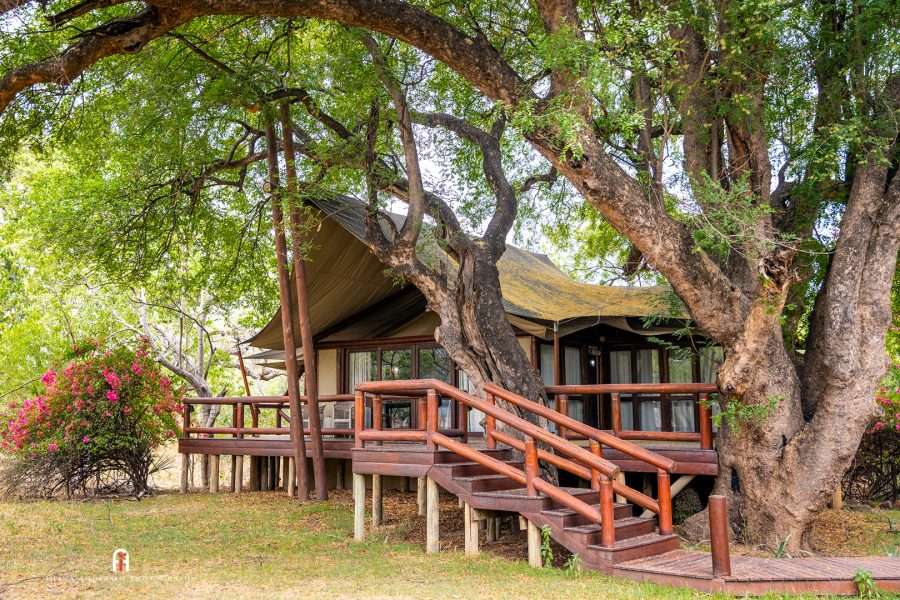
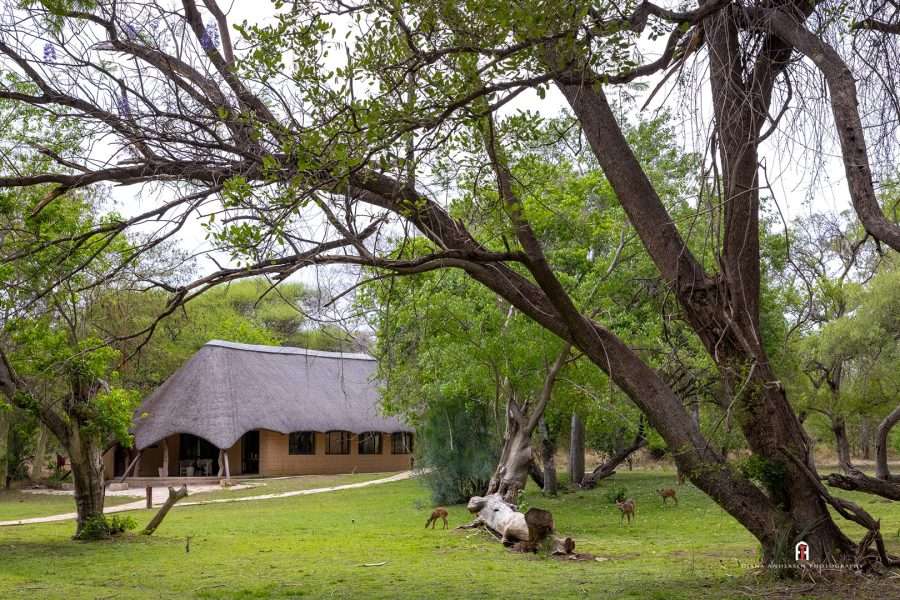
Tuli Safari Lodge, a recent addition to the Mashatu accommodation portfolio, is one of the first established in the Tuli enclave, an area bounded by the confluence of the Shashe and Limpopo rivers and boasting incredible wildlife diversity. The lodge dates back to 1964 and is now a beautiful and very private oasis within the dry and dusty surrounds of Mashatu’s winter season. Rolling green lawns with large beautiful trees surround the main lodge and the spacious luxury tents.
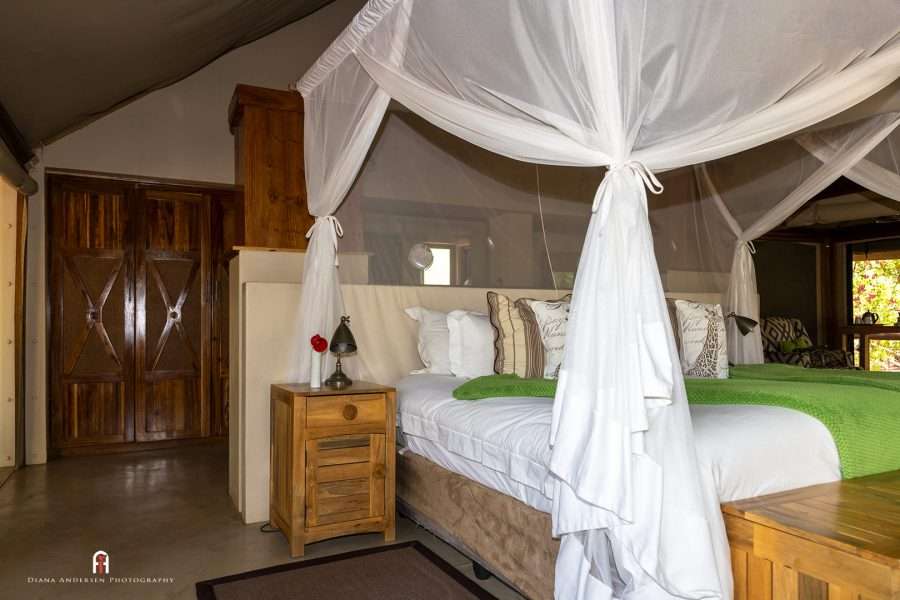
The people of Botswana are warm and welcoming, none more so than the staff at Tuli. A song, a refreshing towel and a cold drink greet you on arrival, and nothing is too much trouble during your stay. Despite arriving between meal times, I was offered a delicious lunch before being shown to my accommodation. To describe it as a tent is deceptive, as the only thing that makes this beautifully appointed villa a tent is the canvas walls. However, if you are planning a Botswana safari at this time of year when the temperatures can reach 40 C, remember that most rooms at Tuli Lodge are not air-conditioned.
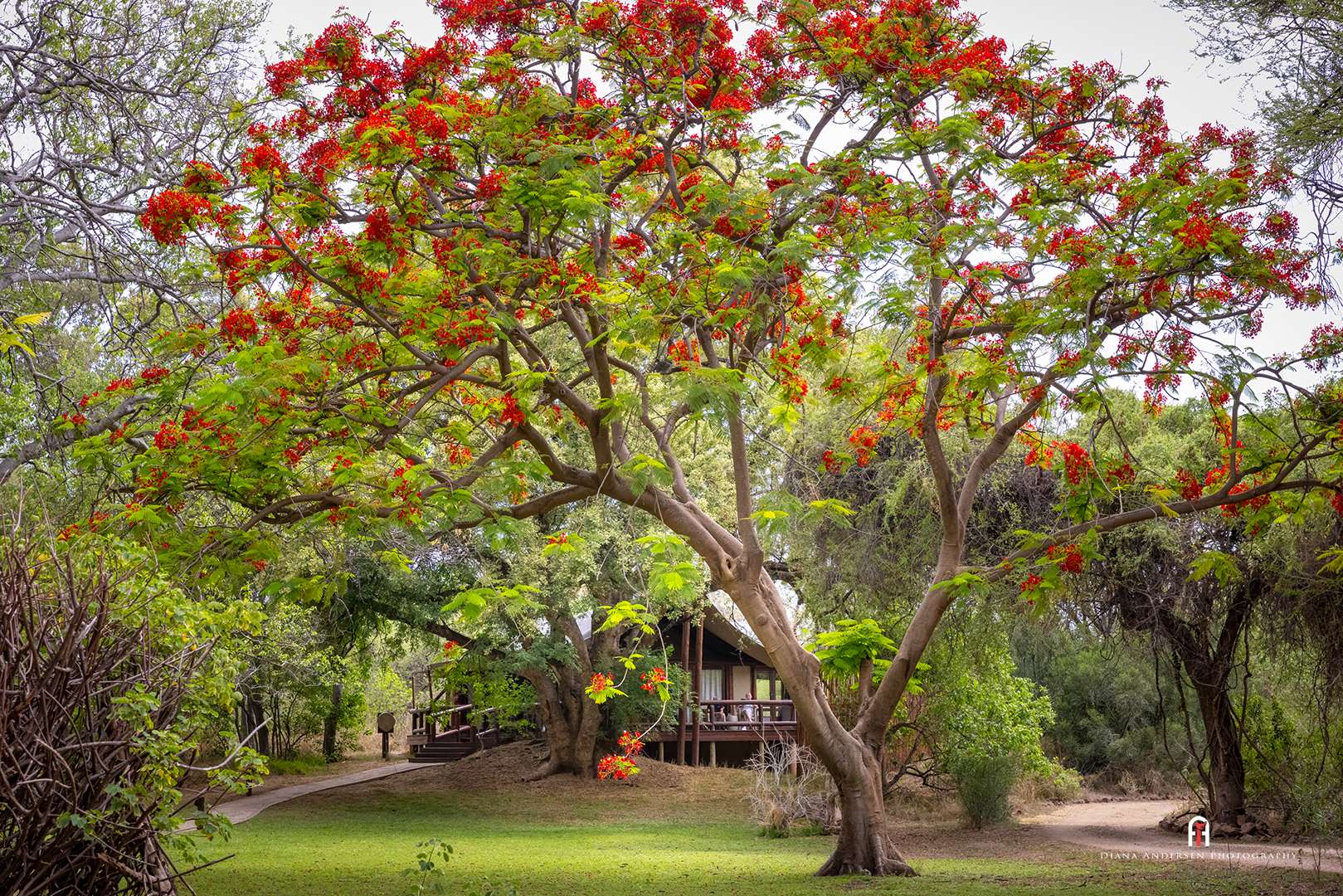
Beautiful spacious safari tent at Tuli Lodge, Mashatu.

ANIMALINFO PUBLICATIONS
DIANA ANDERSEN
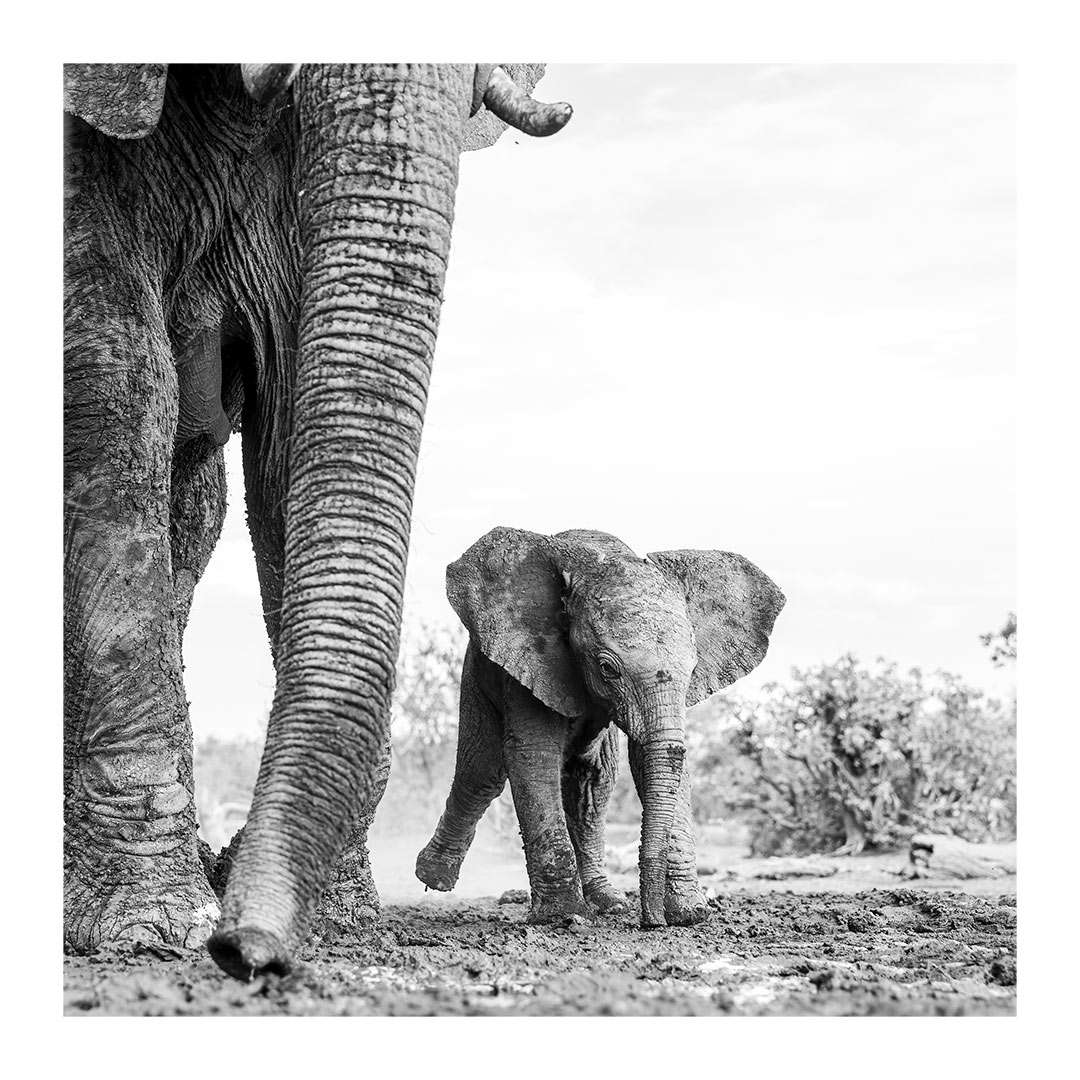
Staying Close
A beautiful black and white limited-edition print of an elephant calf alongside its mother by Diana Andersen. SHOP >
A Day at Tuli
Each day begins with a tea or coffee and a light breakfast before sunrise so that guests can enjoy a game drive before the day heats up. Animals are most active in the early morning and late afternoon, so game activities are planned around these times. However, if a game drive twice a day is too much for you, the grounds of Tuli are alive with animals for you to discover. Vervet monkeys, colourful lizards, tree squirrels, and bushbuck live amongst the camp buildings, and the birdlife is remarkable.
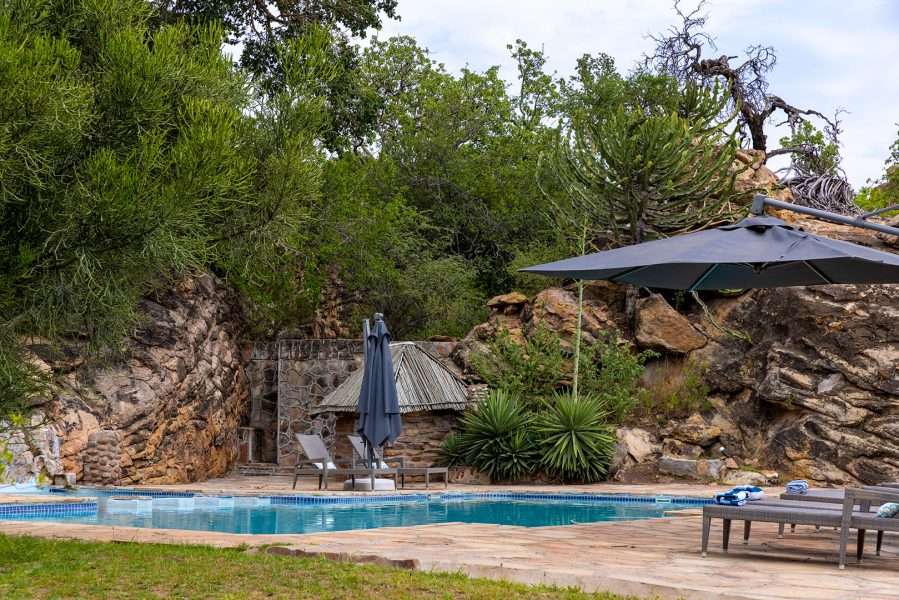
A beautifully prepared and delicious brunch is served on your return from a game drive, and the remainder of the day until high tea at 3.30 pm in summer or 3 pm in winter is yours to enjoy as you wish before heading out on a game drive. Walking trails within the grounds allow you to explore the immediate environment, and for bird lovers, a nearby hide will enable you to observe the birdlife visiting the Limpopo River. For me, a Botswana safari means exploring the wildlife within the grounds of Tuli Lodge during the day is a must, but for those who like to relax, there is a pool to cool down in and gardens to spend some time with a cold drink and a book.
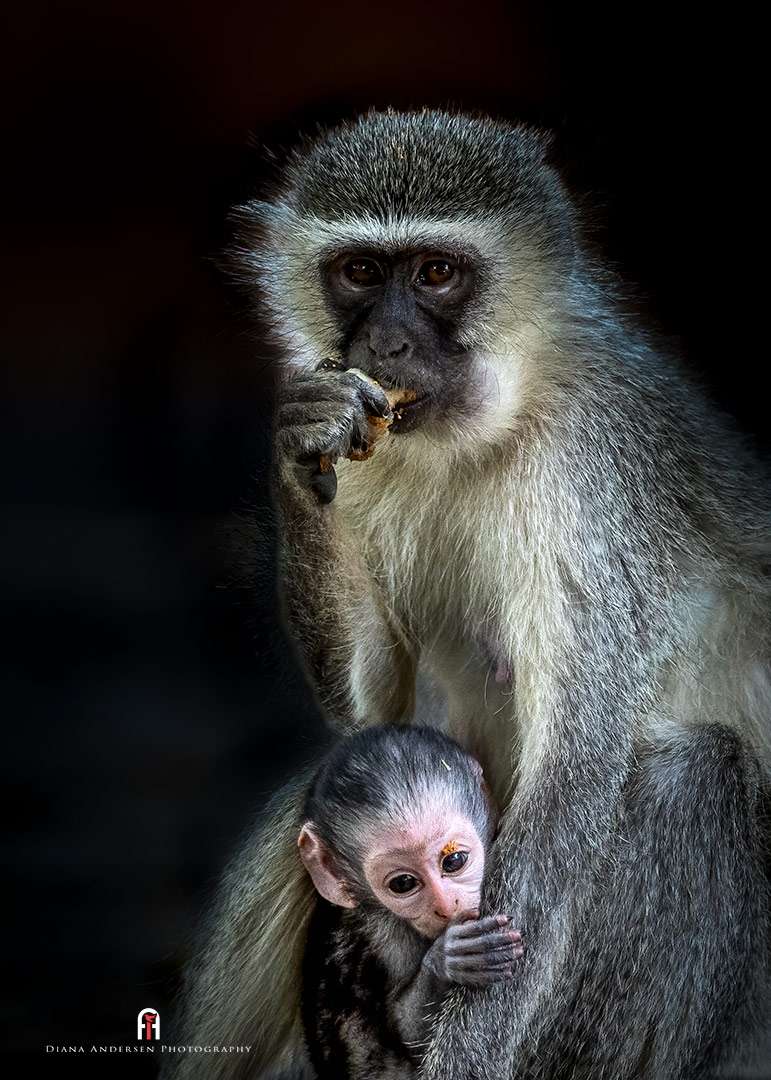
Vervet Monkeys at Tuli Lodge, Mashatu.
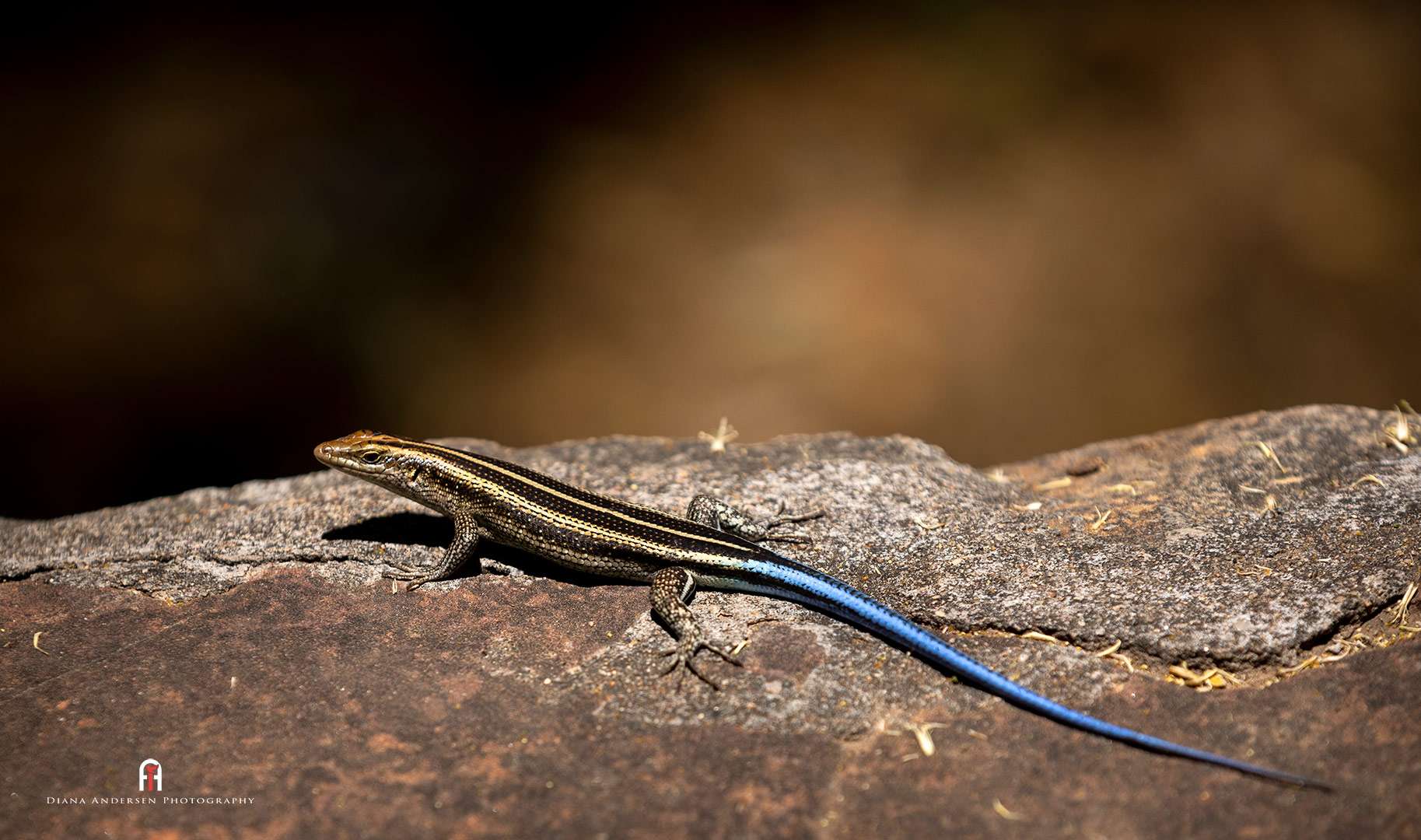
Rainbow Skink
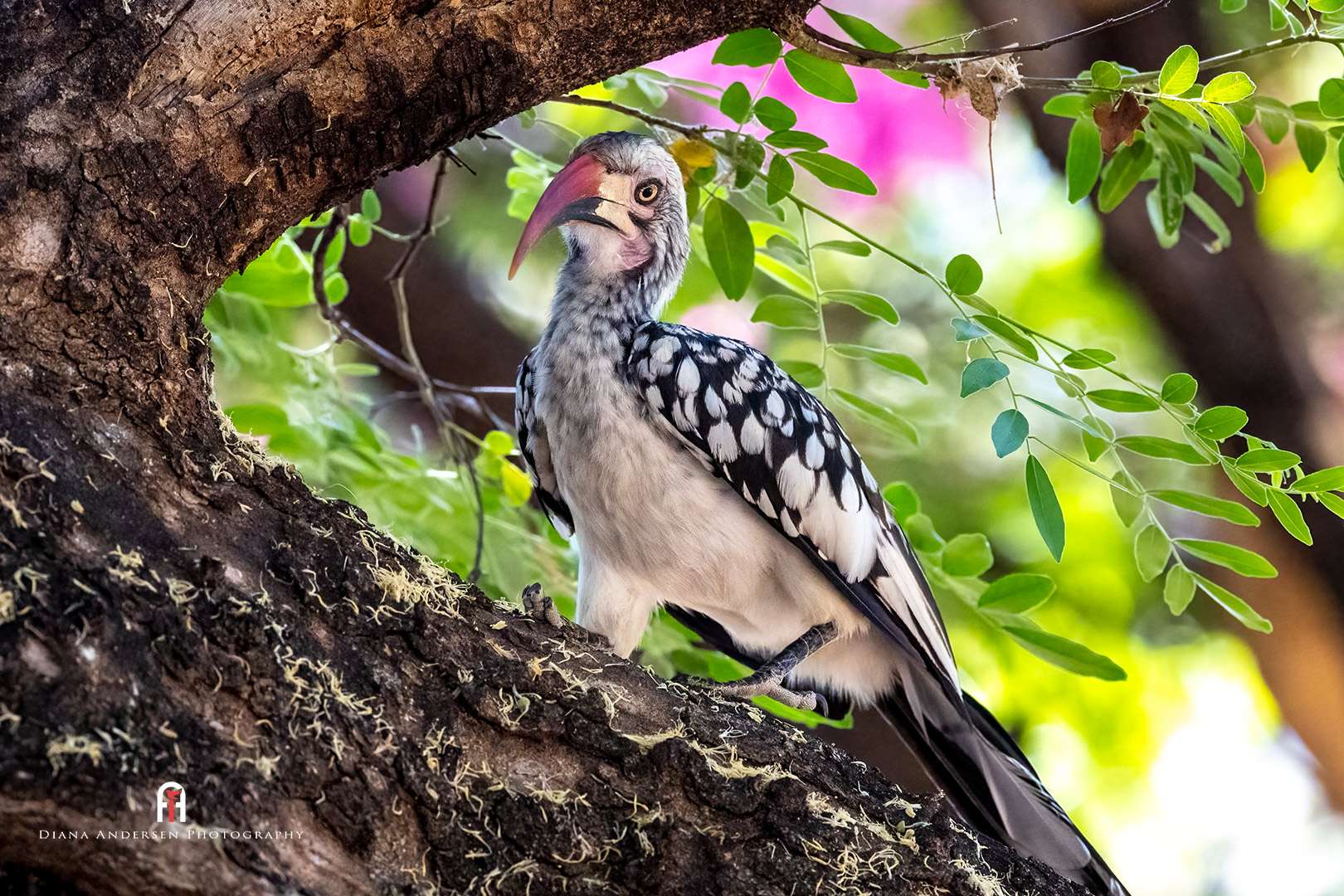
Red-billed Hornbill
Wildlife at Tuli
Located between South Africa and Zimbabwe, Mashatu Game Reserve shares unfenced borders with their neighbour’s national parks in the south and north. This vast area forms part of a cross-boundary wildlife conservation area protecting this region’s substantial biodiversity of fauna and flora. Mashatu provides much-needed water during the dry season by pumping water to several water sources throughout the reserve. To help fund conservation efforts in the area, they collect a conservation levy as part of your daily tariff for your stay.
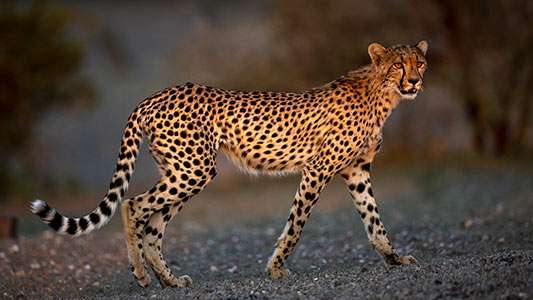
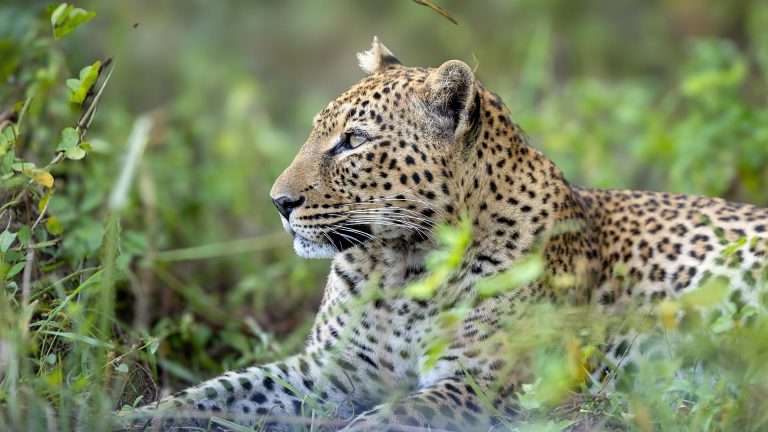
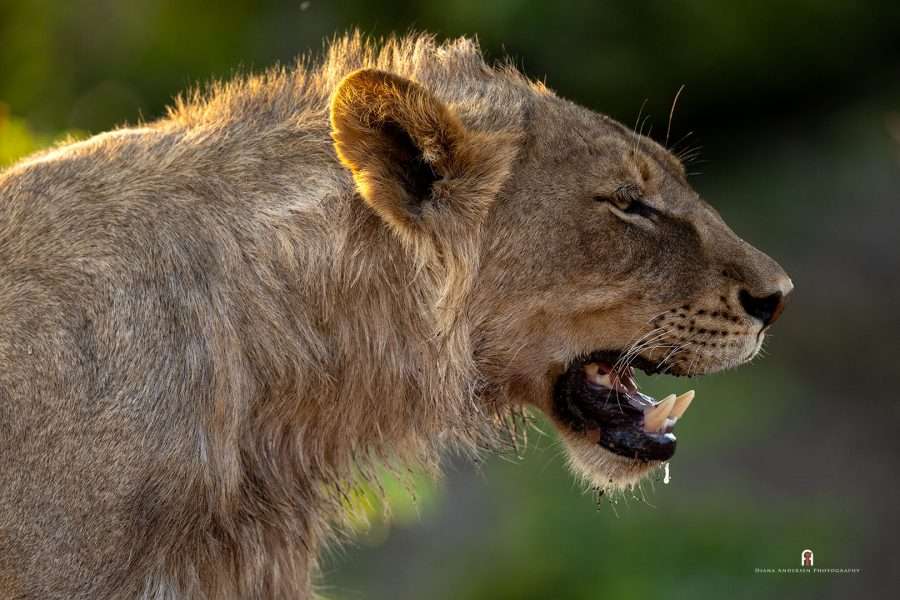
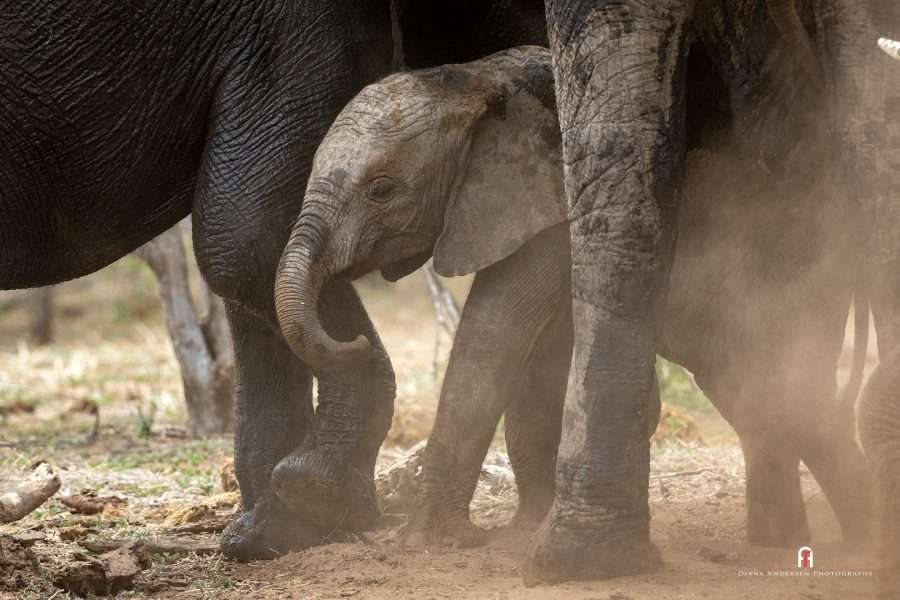
Although the central areas of Mashutu have a greater density of wildlife, my Tuli game drives were very productive. Giraffes, eland, wildebeest and zebra were plentiful, along with periodic sightings of steenbok and klipspringers. We were also lucky to see the big cats Mashatu is known for, with leopard, lion and cheetah sightings. Elephants forage in the area daily, often close to the camp itself, and the birdlife is prolific. The annual migration of birds from the northern hemisphere sees Mashatu’s bird species swell from approximately 150 to over 350.
For photographers, the open vehicles used at Mashatu provide an excellent opportunity to get an unobstructed view, regardless of where you sit. Each has a guide driving and a tracker positioned at the back looking for wildlife. As Mashatu is a private game reserve, off-roading is allowed to get a better view but is restricted to Mashatu vehicles only, and only three at each sighting. The guides often push through low-hanging branches to get a better view of wildlife, providing photographers and guests an excellent opportunity to get good shots. This activity requires vehicles without a roof, so you should consider wearing a hat in hot weather, and guides will provide rain ponchos in the event of rain.
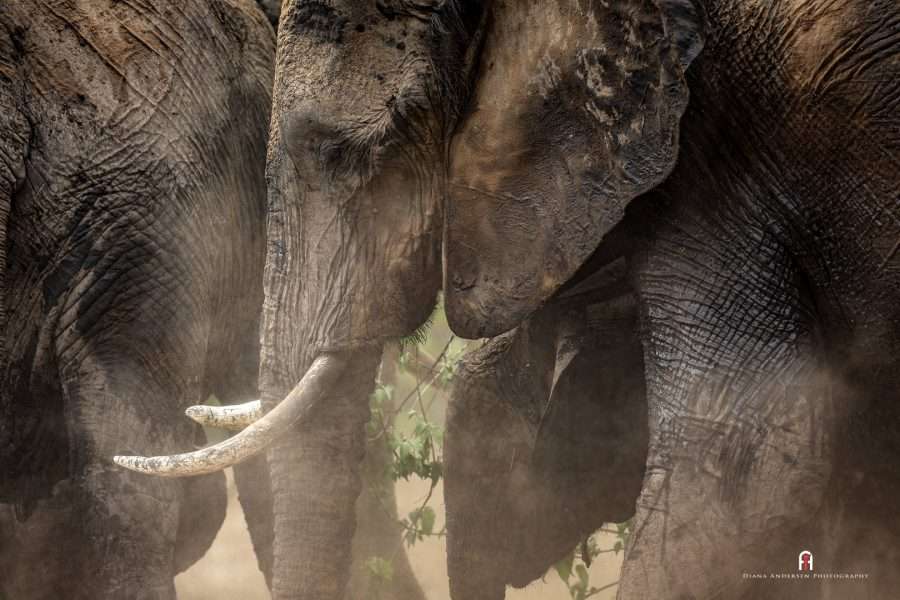
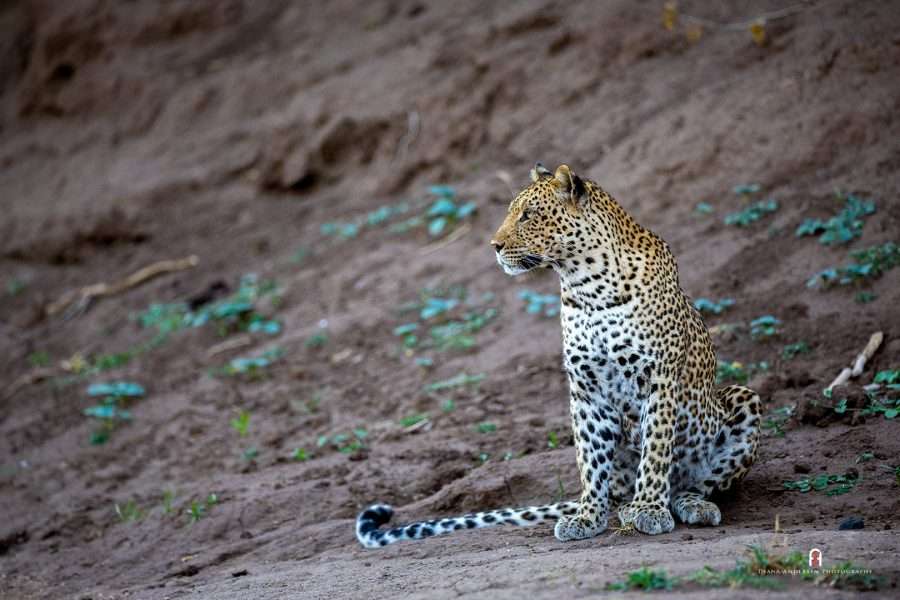
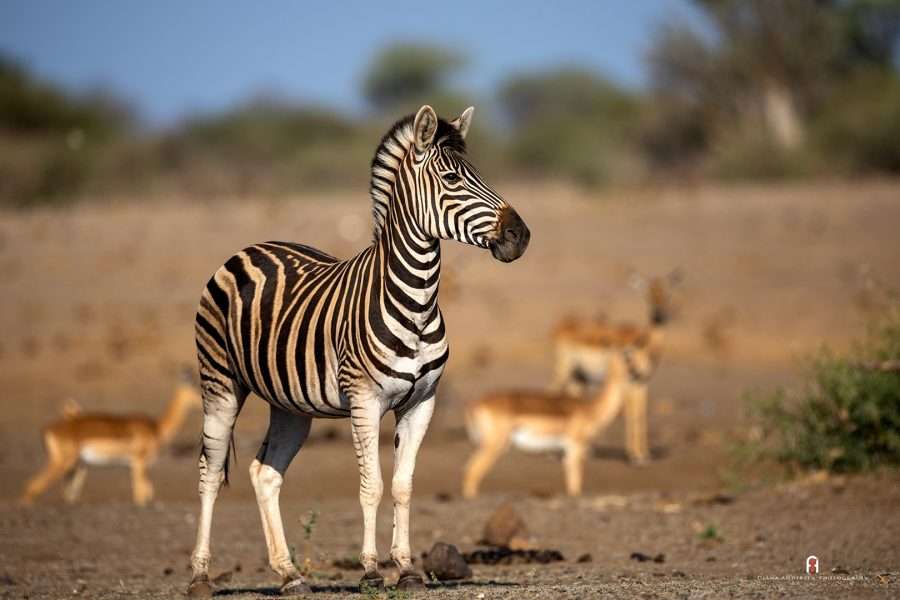
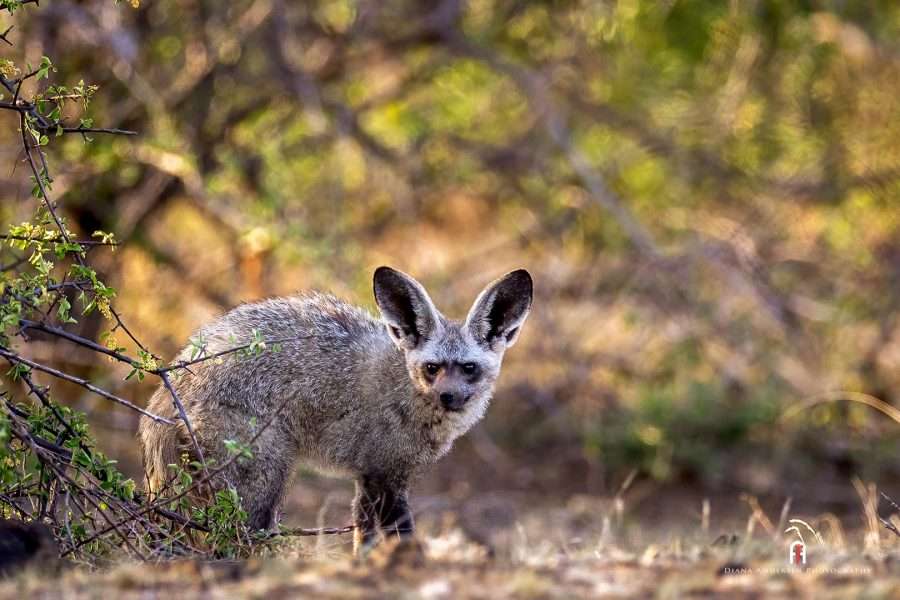
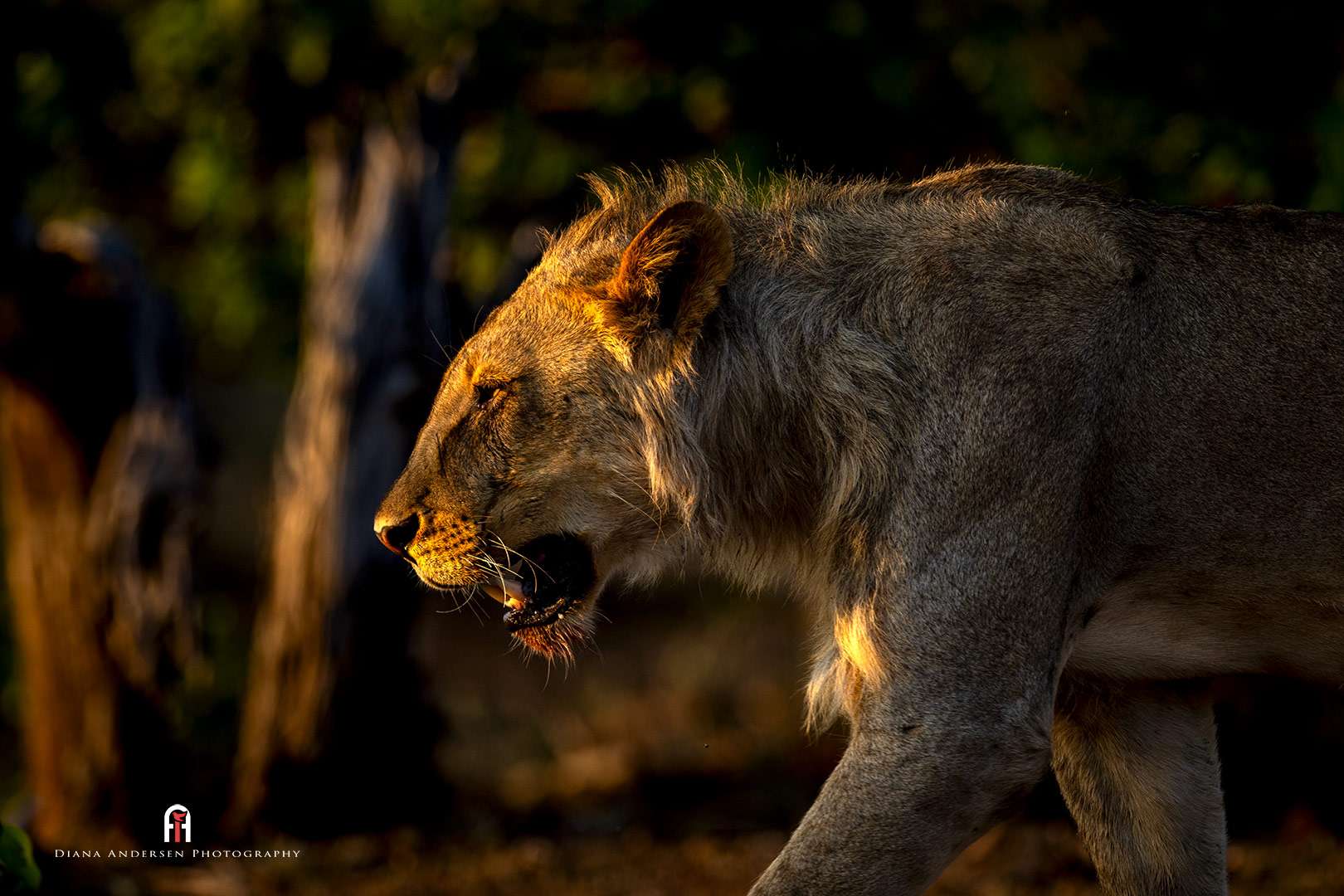
Mashatu After Dark
A feature of game drives in Mashatu includes stopping in a safe place for morning tea to enjoy a hot drink and a snack. In the afternoon, a sundowner replaces the morning tea stop, a cold drink of your choice in the late afternoon while you watch the sunset. Enjoying a sundowner means that you may be driving back to the camp in darkness. Your tracker uses a spotlight to allow you to view nocturnal wildlife on the way back to the lodge.
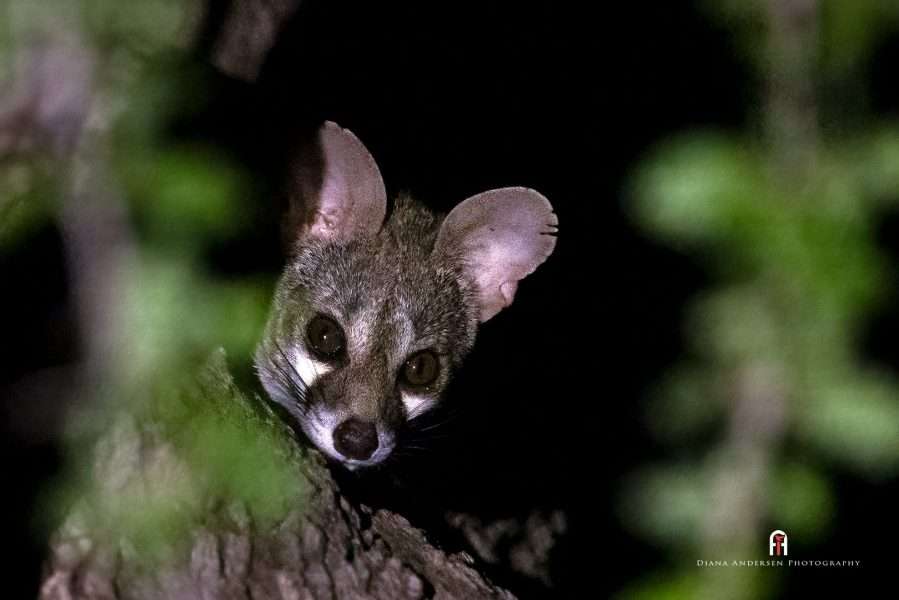
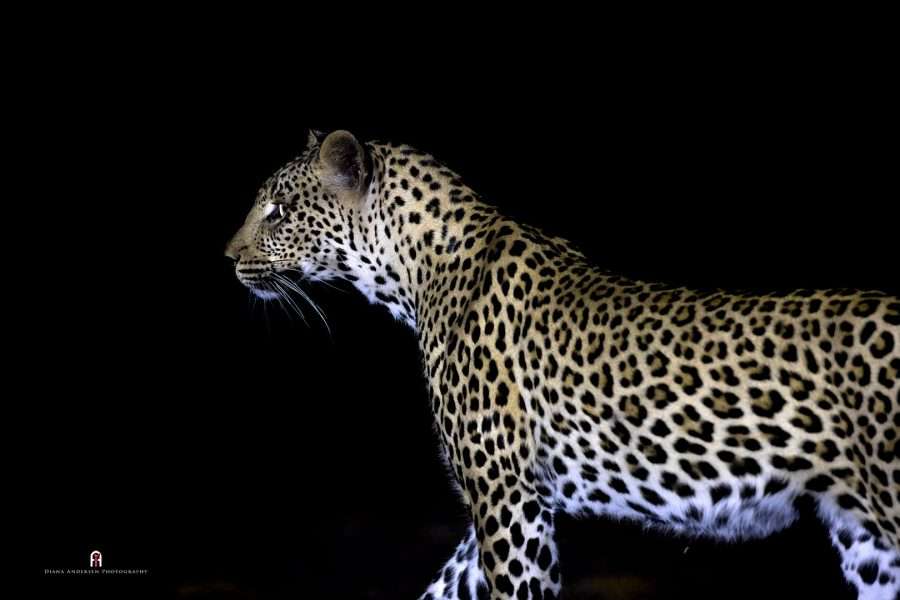
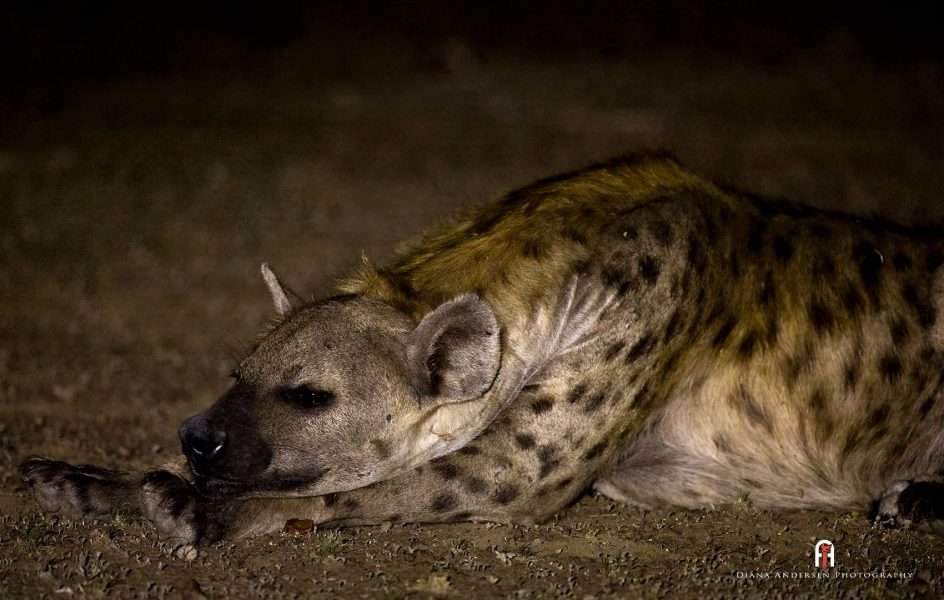
If this experience appeals to you, you can also enjoy a night drive after dinner at Tuli. Mashatu at night is a different experience altogether. There is nothing quite like seeing a leopard and other predators at night, a genet hunting in the trees, or owls on the move in search of prey.
For those less adventurous, you can enjoy a view of the expansive skies above from a star gazing deck in camp. Dinner is an experience at Tuli, with tables set up in a different location every night, often under the stars and accompanied by the beautiful singing of the lodge staff. Singing is part of Botswana’s culture, and having them share a song with you is a privilege.
The Uniqueness of Tuli
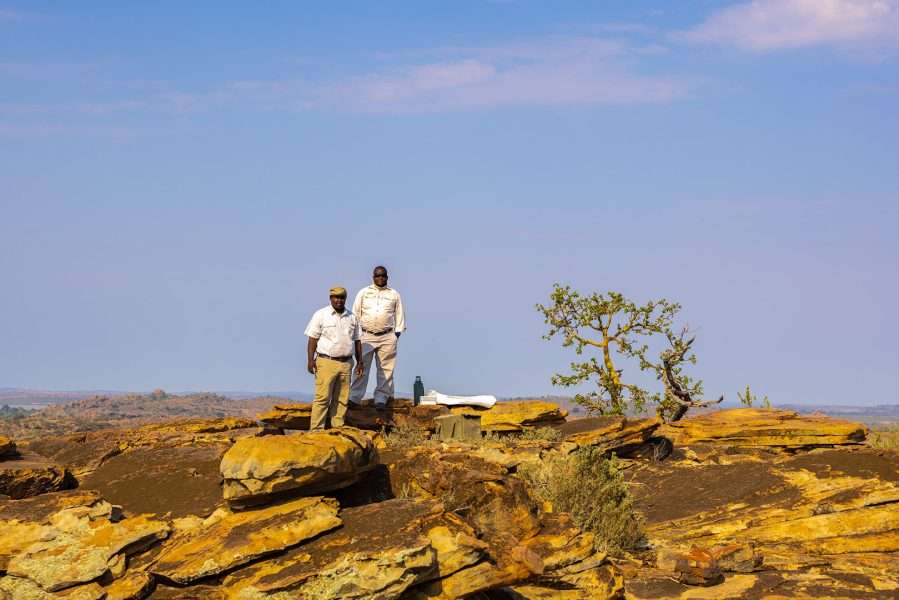
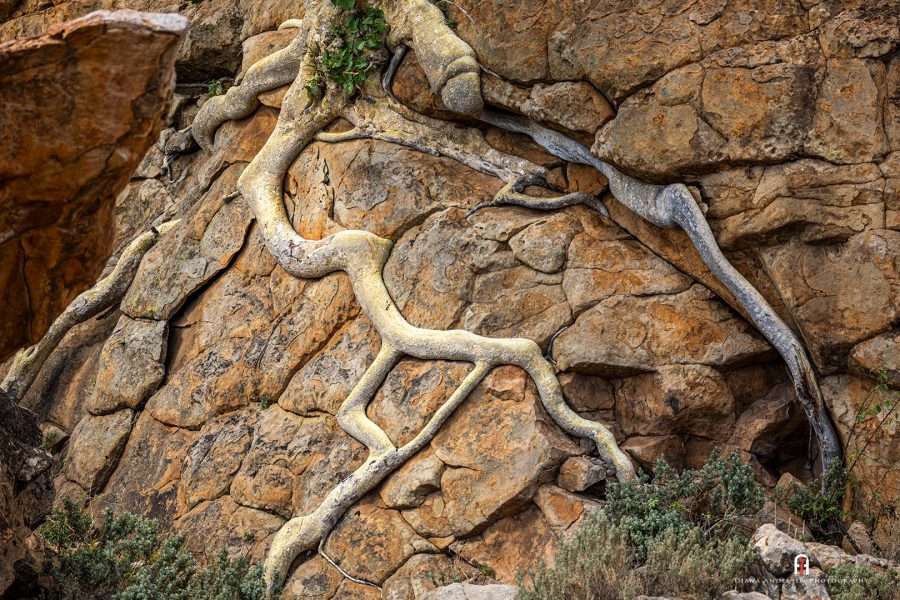
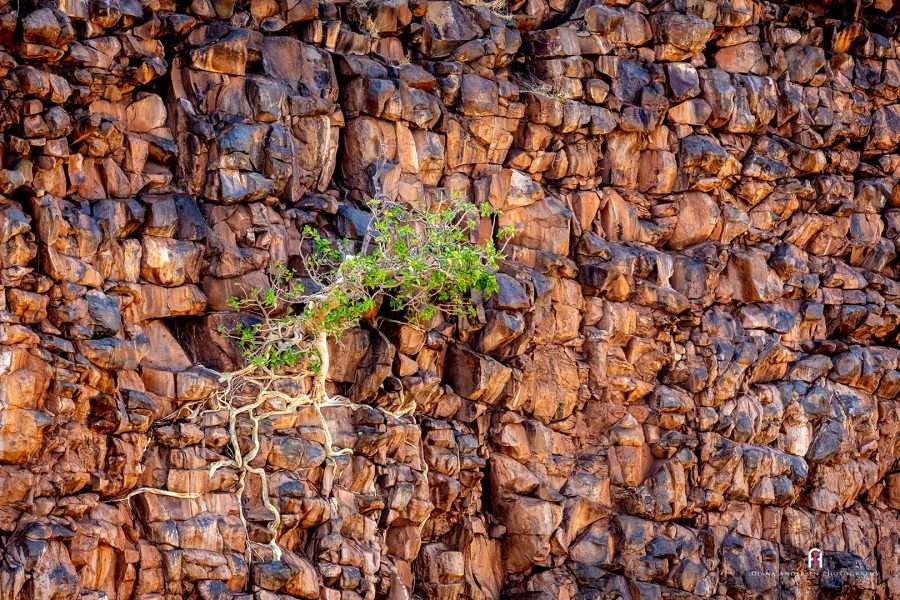
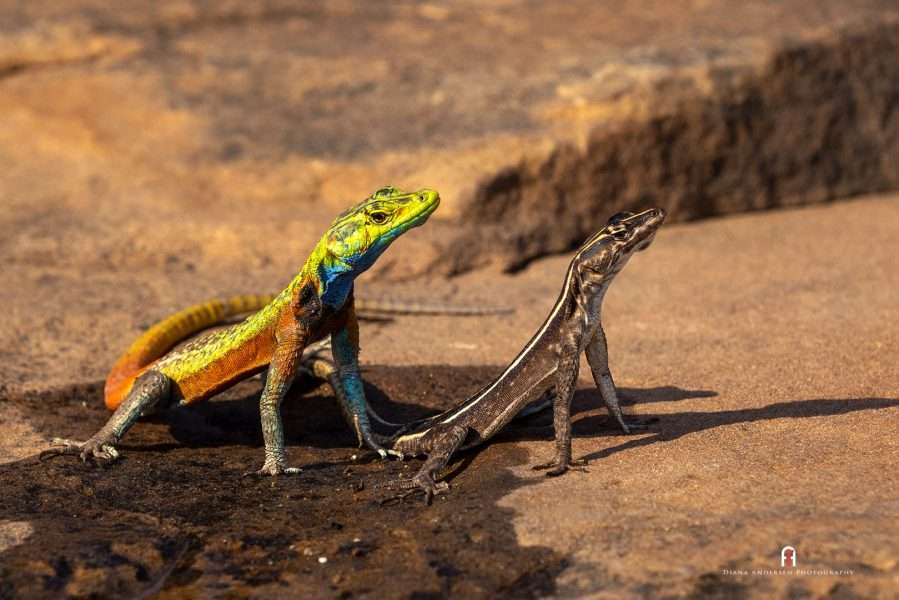
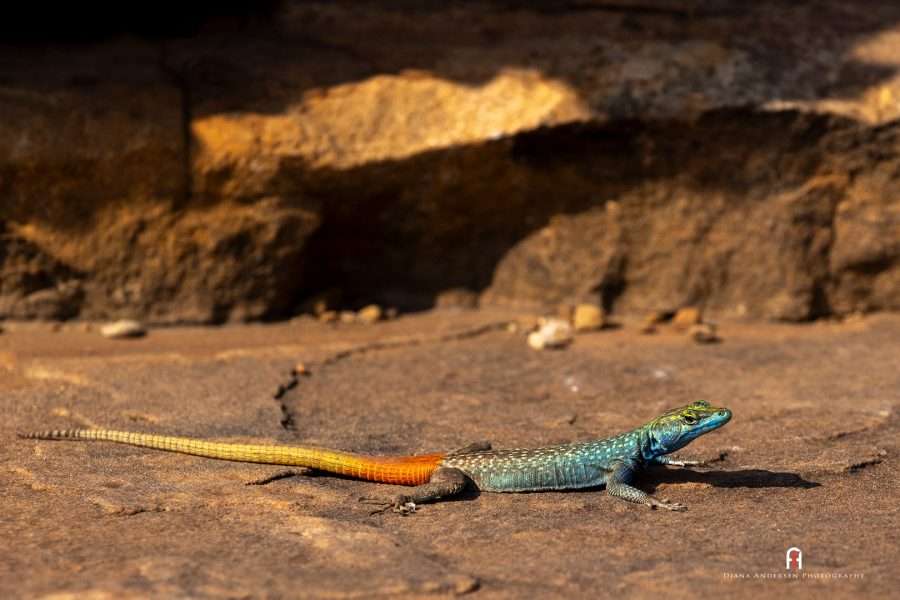
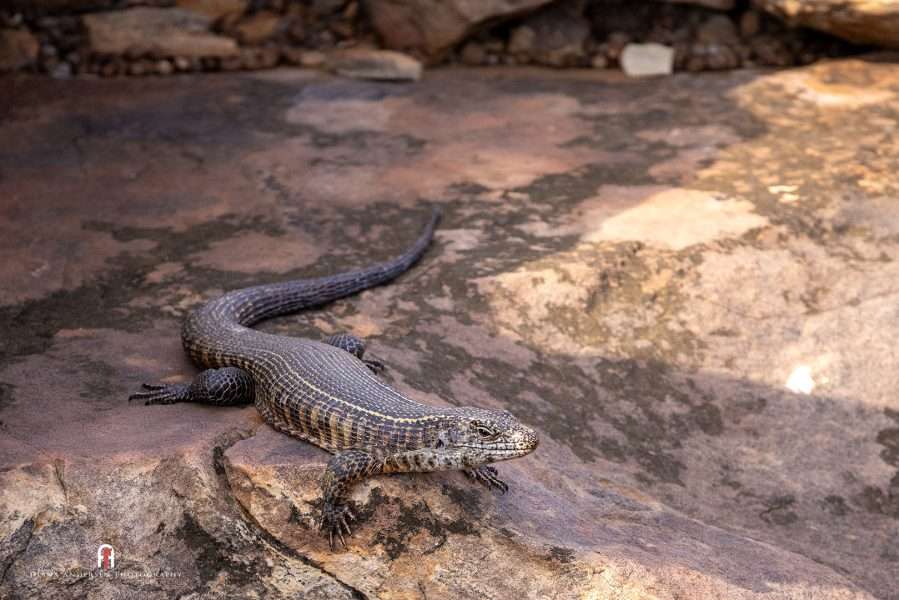
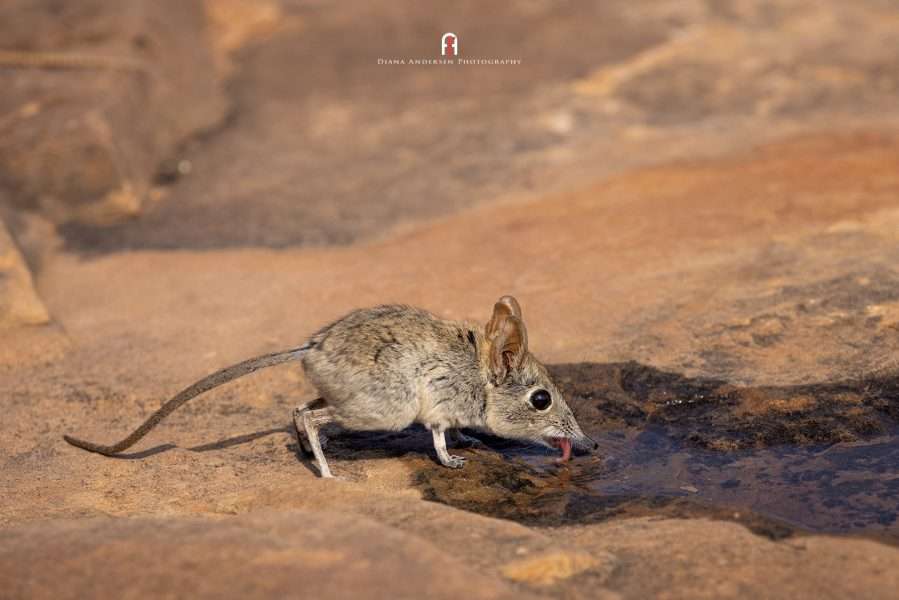
While many visitors to Mashatu focus on seeing the big cats, Tuli offers even more for me. The grounds at Tuli Lodge have some dramatic ancient sandstone outcrops to explore on foot, and game drives may include a visit to more of these remarkable geographical landmarks. On my last game drive, a morning tea stop on top of one of these outcrops revealed expansive views of the beautiful Tuli area. Remarkable skinks sporting all the rainbow colours joined us to drink some cool water put down by the guides. Much to my delight, tiny Elephant Shrews and a Giant Plated Lizard also made an appearance.
Birdlife of Tuli Area in Mashatu
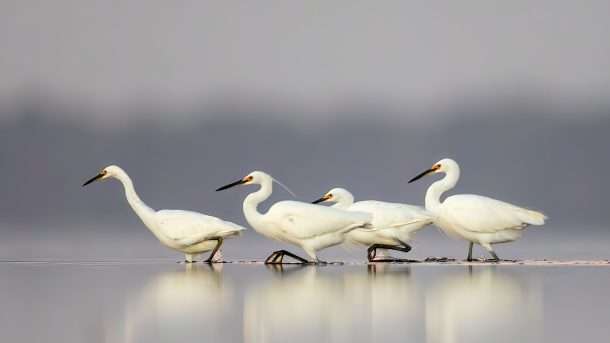
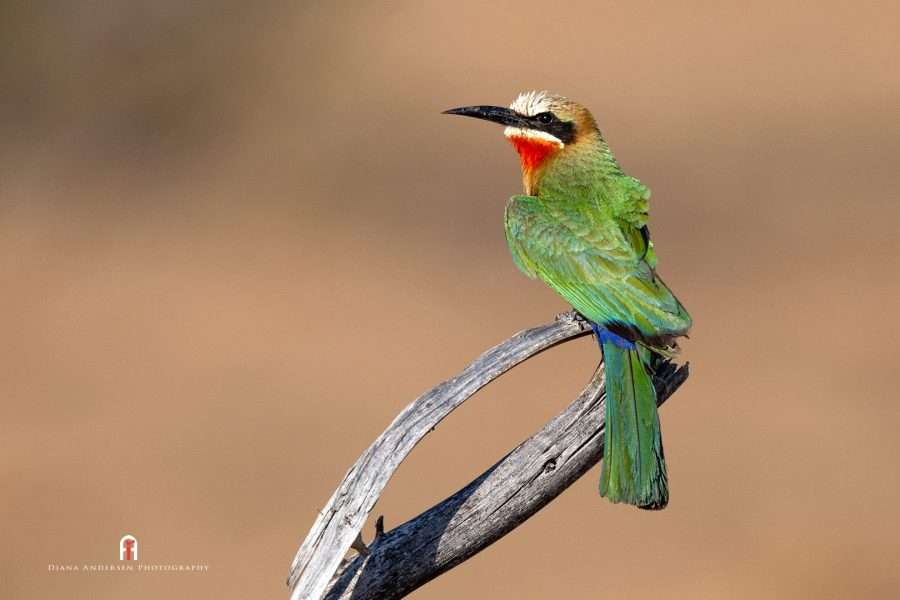
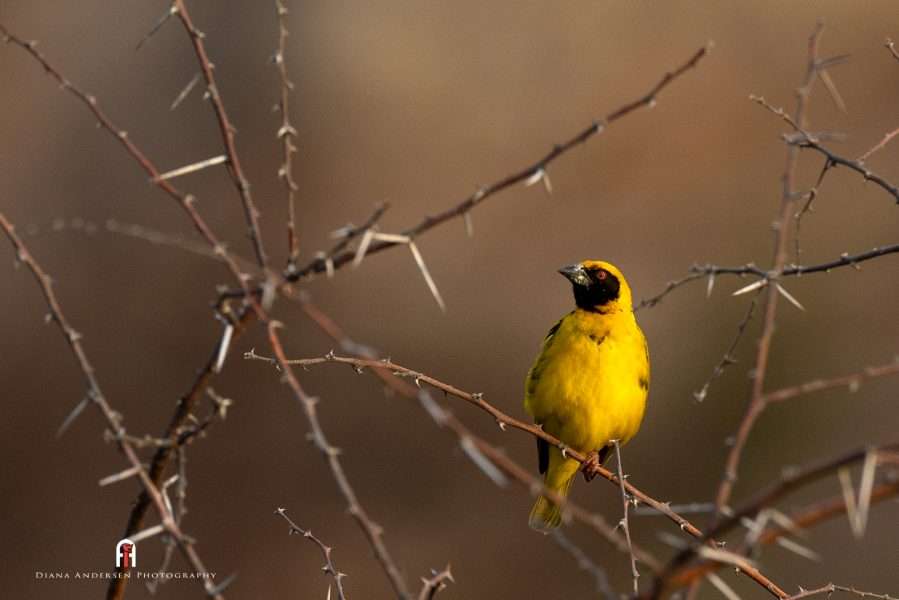
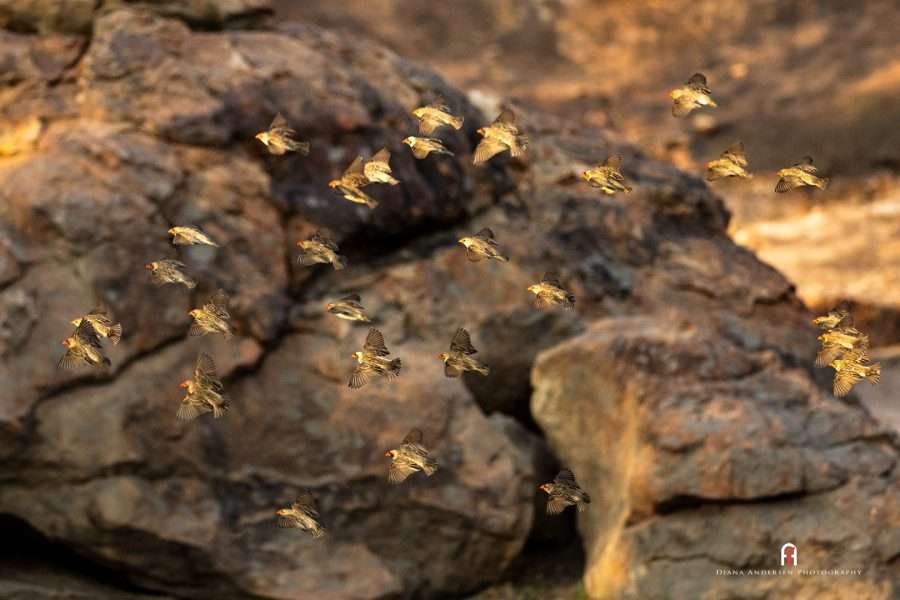
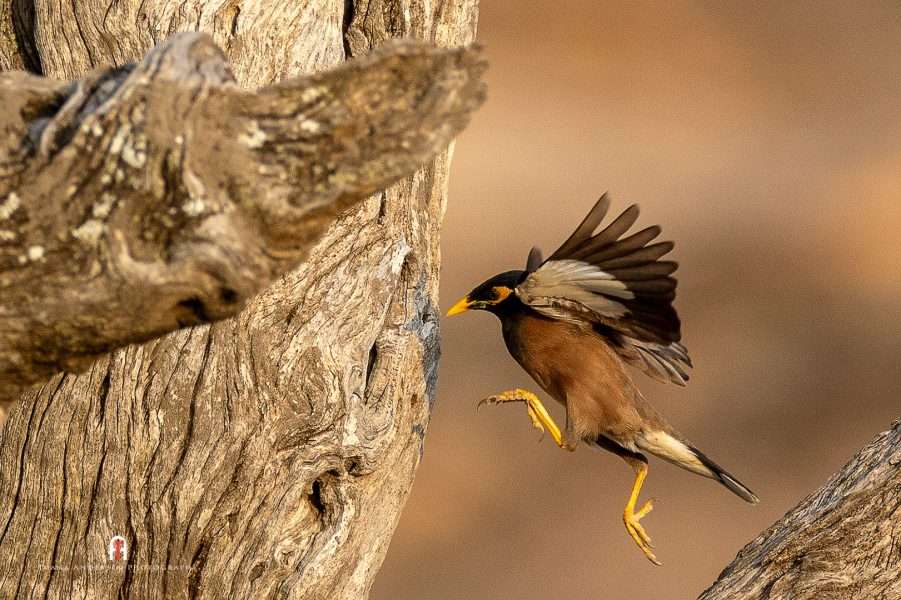
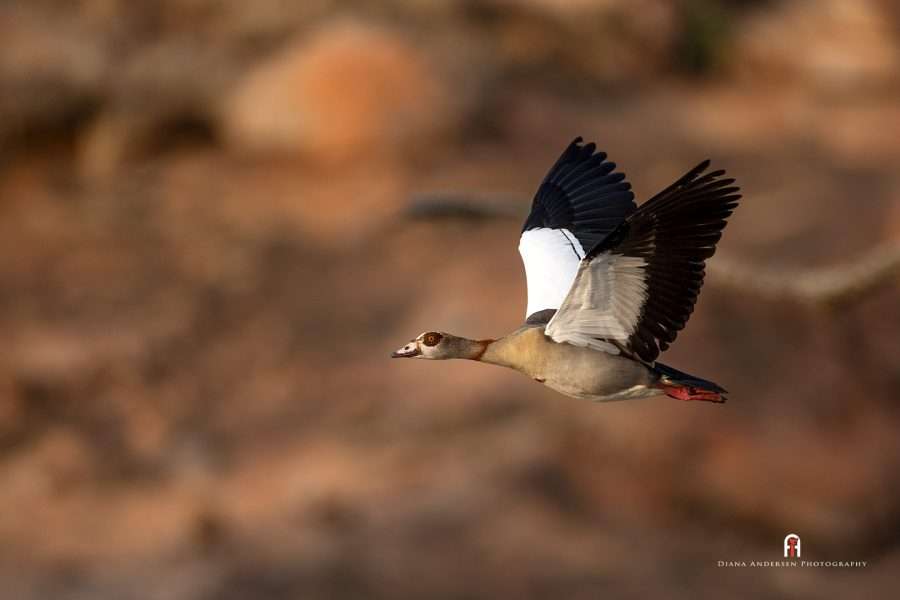
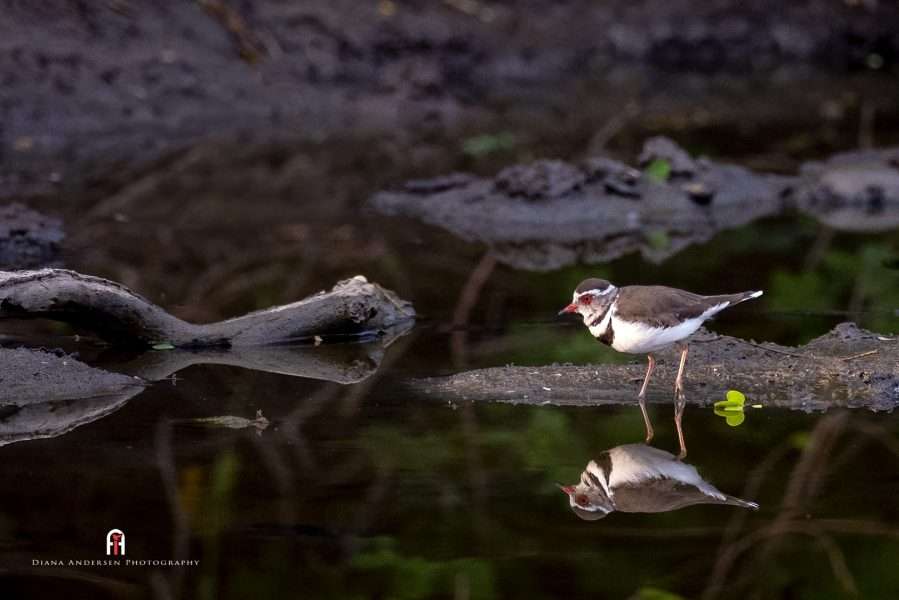
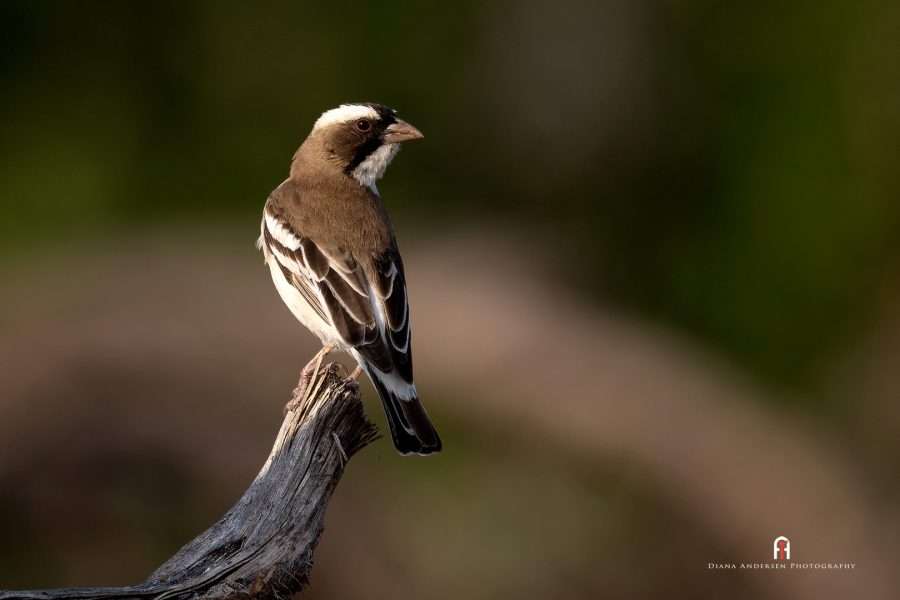
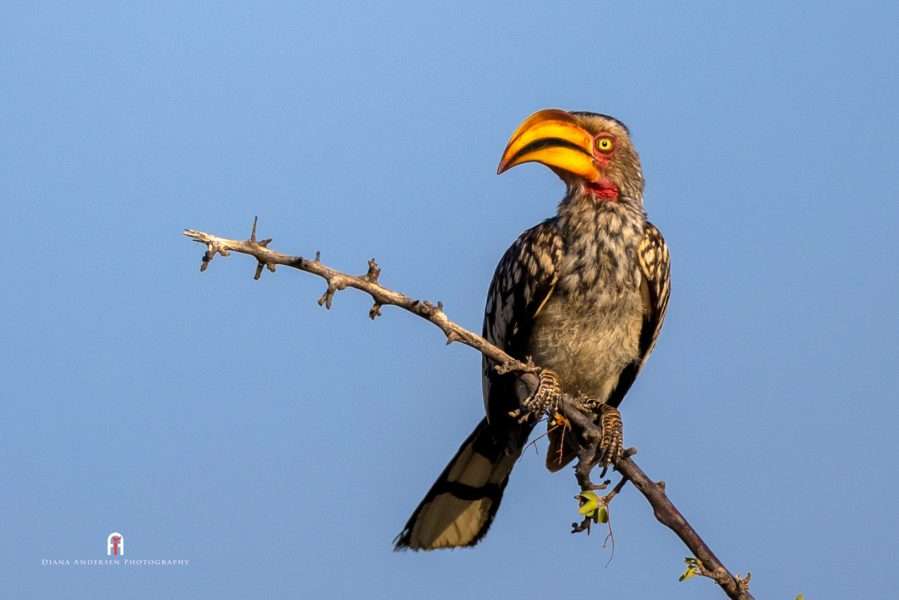
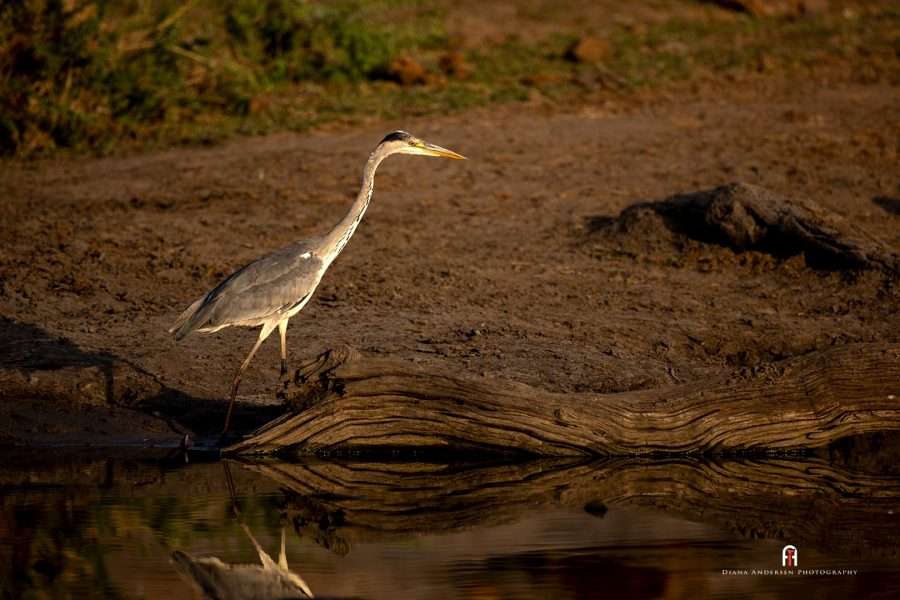
For the bird lover, Tuli also has a great deal to offer. A waterhole near the lodge below a striking rocky outcrop is a favourite spot for many birds and mammals. A brief stop in the early morning light revealed egrets, herons, and plovers wading through the shallow water. Brown-headed and malachite kingfishers hunted for breakfast surrounded by buffalo, white-browed and masked weavers. Meves’s starlings, red-billed quelea, southern red-billed hornbills and numerous other species came and went while we watched. At the same time, eland and klipspringers wandered about in the rocky outcrops above, and the constant sound of Botswana’s local dove species filled the air.
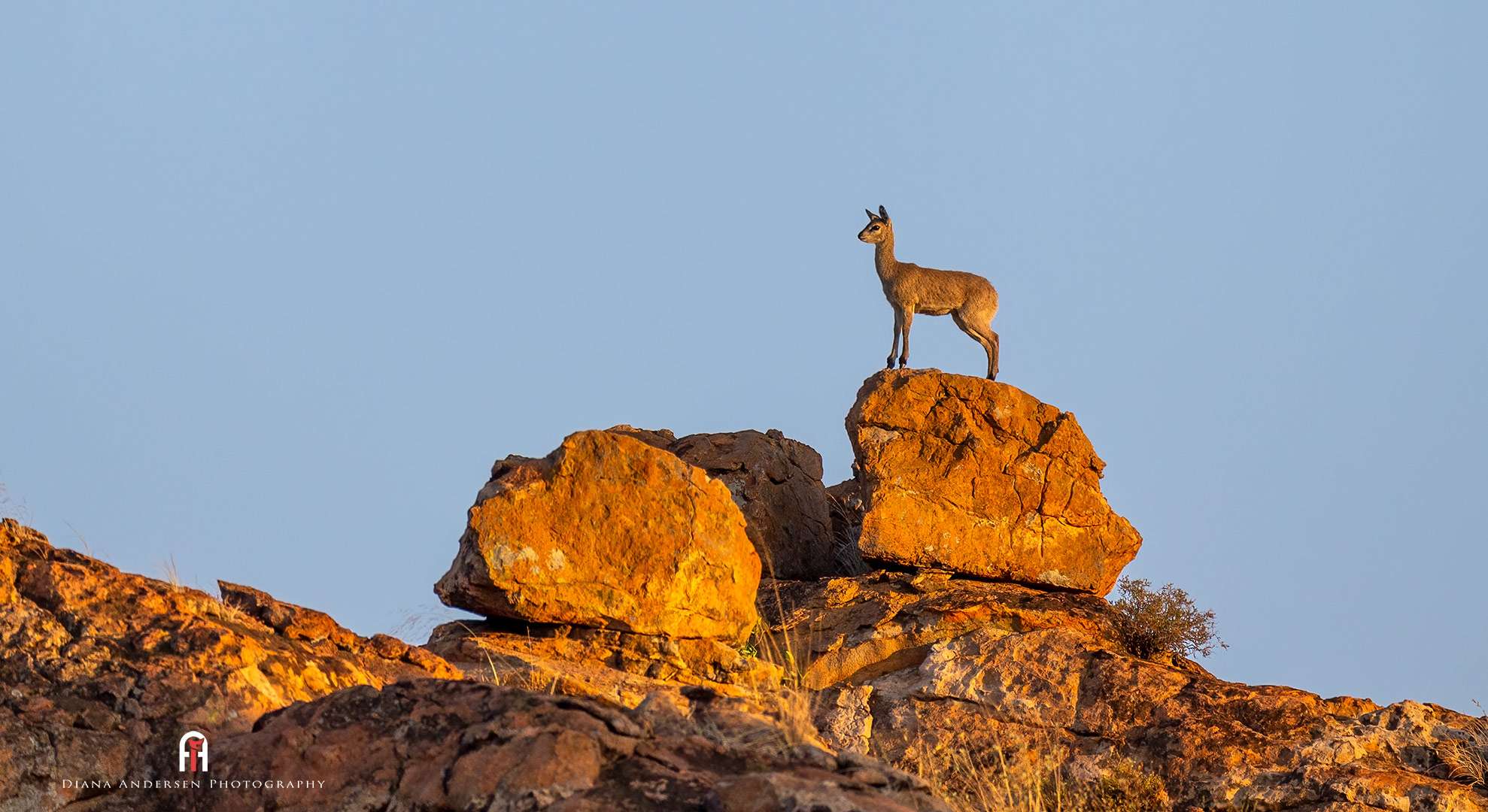
Klipspringer on the rocky outcrop close to Tuli Safari Lodge
Getting to Mashatu
Getting to Tuli Lodge in the Mashatu Game Reserve may seem challenging when planning a Botswana Safari. There are several ways to reach the area, and their dedicated transport booking entity, Mashatu Connect, will help arrange your journey to and from the game reserve, depending on your budget.
If you are okay with a sightseeing road trip, the journey from Johannesburg is approximately six hours. For those in a hurry who don’t mind the additional expense, you can fly from Lanseria International Airport in Johannesburg to the Limpopo Valley Airfield in a small jet.
I opted for a fly/drive combination on the way to Mashatu, flying to Polokwane, where a driver met me and transported me to the border, another two-hour drive further on. On my return journey, I chose all road transport, which I found more relaxing and less stressful than the two-hour check-in process at Johannesburg airport, particularly as I was carrying camera gear that would not fit in the overhead lockers despite meeting the usual carry-on dimensions. Therefore, my choice will be road transport for future photography tours that I lead to Mashatu.
Regardless of how you make the journey, visiting Mashatu is worth the effort. With four camps to choose from within the game reserve, you could easily stay at all four and have a different experience at each. Mashatu offers several combo deals, allowing you to stay at various locations. With Tuli’s unique landscape, diverse wildlife, and beautiful setting, you can’t go wrong in choosing Tuli Safari Lodge as part of your Botswana Safari.
To enquire about a tour or for more information about booking a stay at Tuli Safari Lodge in Mashatu Game Reserve, fill in the contact form below or email Diana at diana@focuswildlifetravel.com.
ENQUIRE
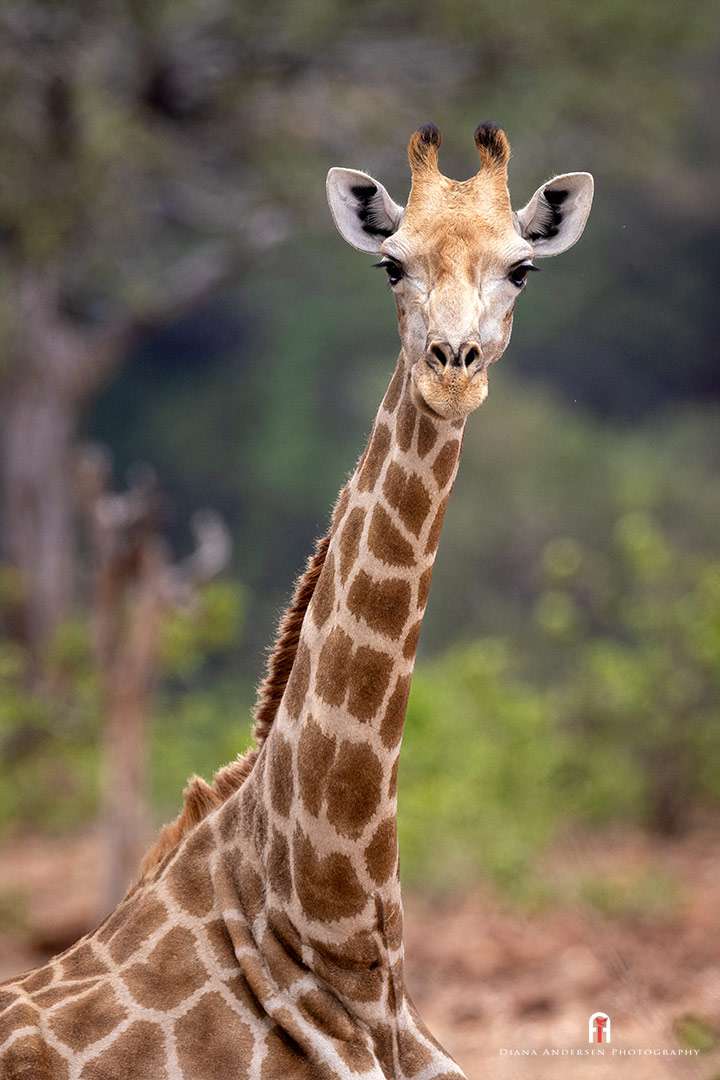
Southern Giraffe at Tuli in Mashatu Game Reserve, Botswana.
Share this
Staying Close
A beautiful black and white limited-edition print of an elephant calf alongside its mother by Diana Andersen. SHOP >
Related Reading
The Waterhole
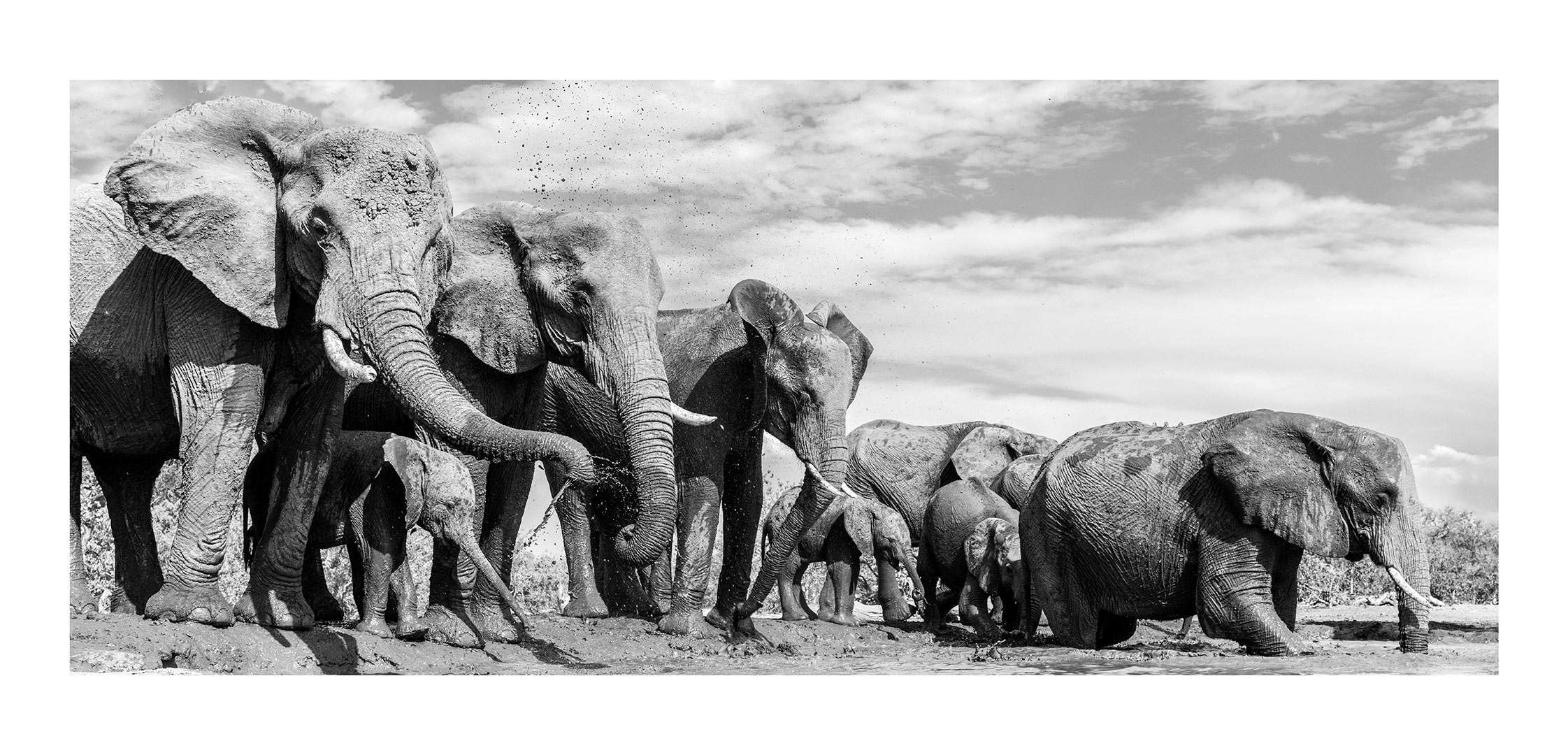
A beautiful, monochrome image of elephants visiting a waterhole in Botswana. Professionally printed on premium fine art paper with archival inks, this image will look fantastic in any home or office. SHOP >
AMAZON
We are a participant in the Amazon Services LLC Associates Program, an affiliate advertising program designed to provide a means for us to earn fees by linking to Amazon.com and affiliated sites
SHOP WILDLIFE ART