


Injured, Sick or Orphaned Raptors
Author: Society for the Preservation of Raptors
Sick and Injured Raptors – Adult Birds
When a bird shows signs of illness or injury, it is likely in a severely compromised condition. If a bird becomes weak enough to be caught by a human, its health is critical, and it may die without immediate treatment.
If you find a sick or injured bird, there are several things you should do.
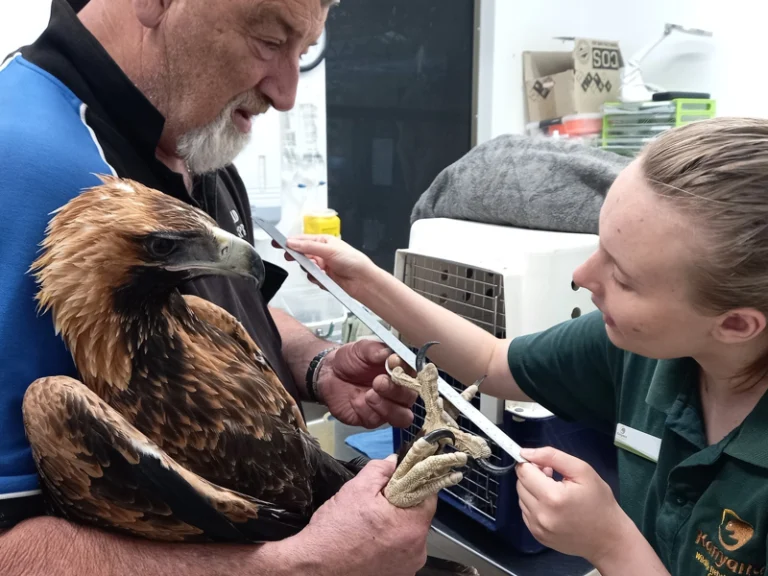
Before taking any first aid action, assess the situation for potential dangers. If retrieving the bird could put you or others at risk, it’s best to call for help. Prepare a box or pet carrier lined with newspaper and an old towel or blanket. If you determine there is no danger, approach the bird slowly while holding a towel or blanket in front of you. Try to move behind the bird and gently drop the cloth over it. Be cautious of the bird’s feet. Although raptors have intimidating beaks, their talons, which they use for defence when frightened, pose a greater risk.
Carefully assess any injuries that the bird may have sustained. Gently press the bird down to prevent it from turning and lashing out with its feet. Wrap a towel or blanket around the bird to secure its wings and legs. Then, pick it up carefully, supporting its body, and place it in a box. Unless the weather is very hot, you can leave the towel over the bird inside the box to help keep it calm and warm. Close the box, but ensure you include some ventilation gaps near the top. It’s now time to call for help, and you have a couple of options available to you, including:
- Contact a wildlife carer. Getting an injured bird to an experienced wildlife carer is the raptor’s best chance for survival.
- Take the bird to a vet. Many vets will have contacts for wildlife carers and can provide immediate veterinary support until the bird goes into care.
- Contact the state or region’s wildlife regulatory body. They often have rangers or wildlife officers who can take the bird off your hands and transfer it to a carer or wildlife vet.
When you drop off a bird at a vet, it is essential to inform the staff about where you found the bird and the circumstances surrounding its discovery. This information is crucial for assessing the bird’s condition and planning its eventual release. Raptors, in particular, are territorial animals, and it is important to return them to their original home territory to maximise their chances of survival.
Please leave your name and contact phone number, as this will allow the wildlife carer responsible for rehabilitating the bird to contact you with any further questions and provide updates on the bird’s release. This way, you can participate in its return to the wild if you wish.
Additionally, practice good hygiene. Make sure to wash your hands and thoroughly clean anything that has come into contact with the bird. If you have birds of your own, ensure they do not come into contact with a sick bird, and maintain a regular parasite control program in partnership with your veterinarian.
Young Raptors
Determining whether a raptor is orphaned can be challenging. Some species leave the nest early but may still be with their parents. Generally, the best course of action is to return the young bird to its parents. However, if this is not possible due to the death or injury of the parents, injury to the young bird, difficulty accessing the nest site, or damage to or destruction of the nest, then you should take the bird into care.
Continually assess the situation for danger first. If rescuing the bird would pose a risk to you or others, it’s best to call for help. If you determine it’s safe to proceed, approach the young bird slowly while holding a towel or blanket in front of you. Try to position yourself behind the bird and gently drop the cloth over it. Remember to be cautious of its talons.
Be careful of any apparent injuries the bird has sustained, and gently push the bird down so it cannot turn and lash out with its feet. Wrap the towel or blanket around the bird to secure the wings and legs, then pick it up carefully, support its body, and put it in the box. You can leave the towel over the bird inside the box unless it is very hot. The towel will help to keep the bird quiet and warm.
Caring for a very young bird is exceptionally complex. Raptor parents instinctively know what to feed their young and how to encourage and support their development. Human beings do not share these instincts.
In an emergency where a bird is starving, it may be offered up to thirty grams of chopped lean kangaroo meat or lean steak, as long as it is willing and able to eat by itself. This feeding regime should not continue for more than twenty-four to forty-eight hours, or the bird may become sick due to a lack of casting material. An emaciated bird that is going or has gone into shock needs more fluids and electrolytes than solid food. A vet or experienced wildlife carer must deliver the fluids via a crop/gastric tube or subcutaneous injection. These procedures require specialist training. Therefore, a malnourished, weak bird must be given emergency veterinary attention to stabilise its condition as quickly as possible.
PLEASE DO NOT FEED MINCE TO A RAPTOR. Raptors have a highly specialised digestive system that can’t cope with foods containing high fat levels, chemical additives, and the low nutrient levels found in mince. Never feed processed meats, as raptors cannot digest the salts, cereals, preservatives and other chemical additives. Mince and processed meats will make any raptor, especially a young bird, ill. Young raptors have a rapid rate of development and require a precise balance of nutrients, particularly calcium and phosphorus, to lay down bone and feather growth. Each species has its dietary requirements. Some raptors need the chitin found in insects. Others need fish scales, feathers, bones and/or fur in their diet, and they require different amounts at various stages of their development.
Parent birds feed their babies particular parts of prey animals at different stages. For a person to know what to feed a young bird, it is necessary to understand the species, its development, its physiology and behaviour. This care requires a specialist. Failure to feed a young bird the correct diet can result in weak feathers which break under the stress of routine flight, brittle bones, digestive problems, developmental problems, and even neurological problems, and any of these can lead to the bird’s death. Even a healthy youngster may not be strong and fit enough to survive more than a week on release if it has not had the proper nutrition at crucial stages of its growth.

Psychological development is also critical. A young bird must “imprint” on adults of the same species. Many raptor carers keep permanently disabled birds who act as foster parents for orphans. These foster parents know what to feed the young ones and can teach them how to fly, hunt and interact with other raptors.
Many species of raptors do not know how to hunt when they leave the nest. Typically, young birds may stay with their parents for up to three months or longer after fledging. Their parents actively teach them to find and catch food during this time. Specialised raptor caretakers use specific facilities and techniques to ensure the young birds acquire the necessary skills for survival. Simply releasing a fledgling bird as soon as it can fly, without a proper education and rehabilitation program, can be nearly a death sentence.
On the other hand, with the right care they can grow up to be a beautiful adult, ready to be returned to the wild.

ANIMALINFO PUBLICATIONS
DIANA ANDERSEN
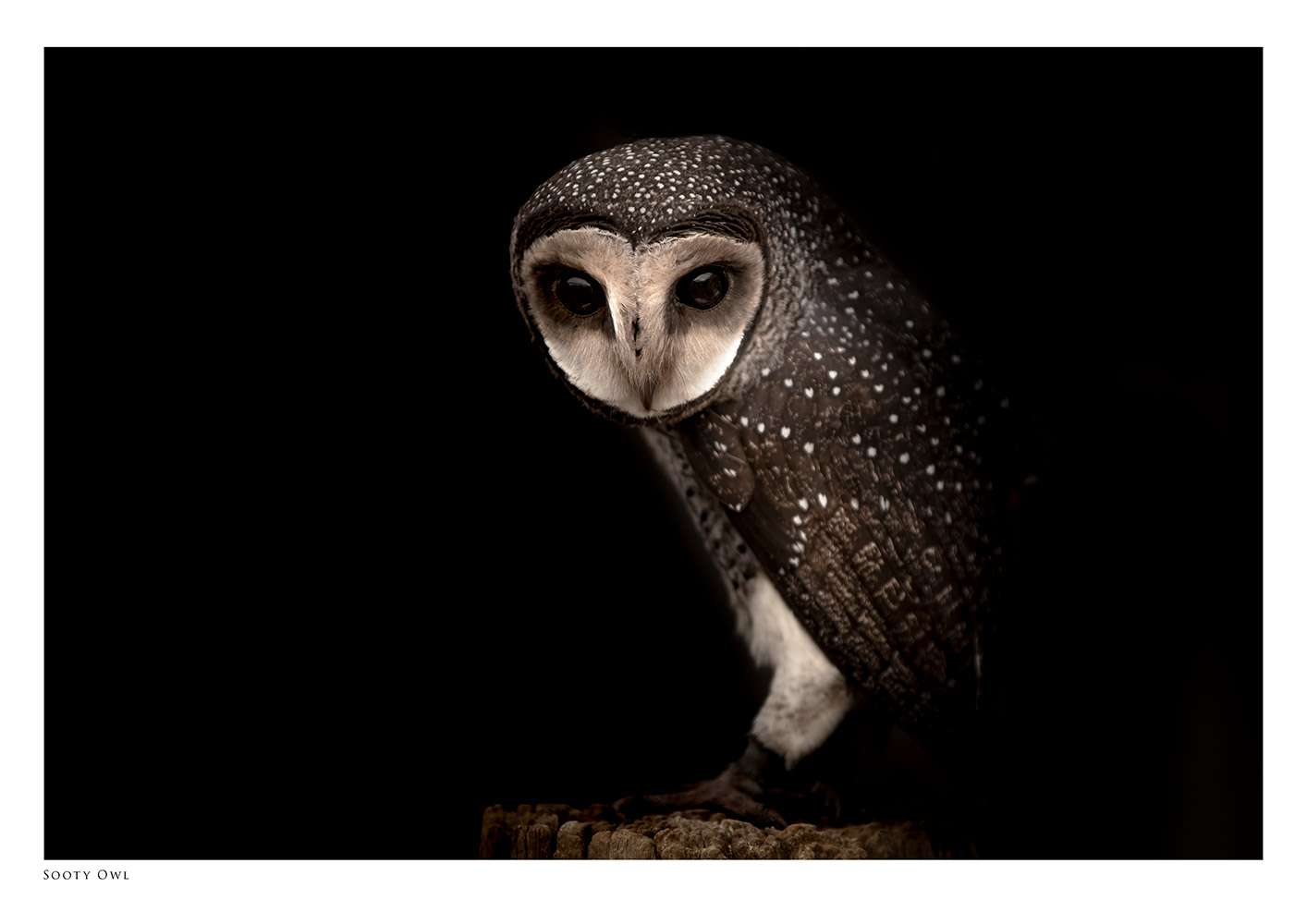
SOOTY OWL
This fine art print of a Sooty Owl is a limited edition print by Diana Andersen SHOP NOW >
Related Reading

The Herd
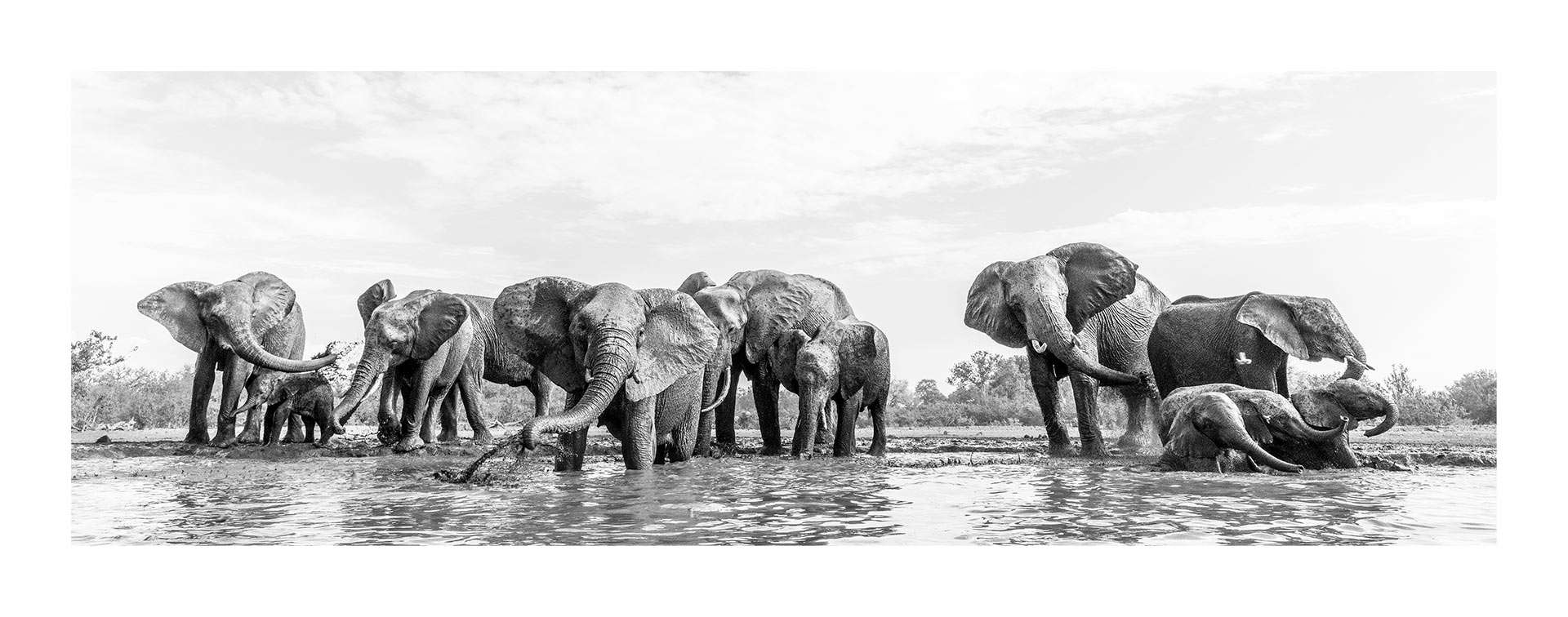
A beautiful black and white limited-edition print by Diana Andersen. For anyone who has witnessed elephants in Africa, this image will take you back to the special place that is Africa.
SHOP WILDLIFE ART

SHOP WILDLIFE CARE BOOKS
AMAZON
We are a participant in the Amazon Services LLC Associates Program, an affiliate advertising program designed to provide a means for us to earn fees by linking to Amazon.com and affiliated sites