
Chobe with Pangolin Photo Safaris
Words & Images by Diana Andersen
As our vehicle arrived at the dock on the Chobe River, ominous flashes of lightning filled the sky, and the rumbling of an approaching storm threatened to ruin my first activity in Chobe National Park on the Pangolin Safari photo boats. As we started boarding, strong winds began to toss the boats, and the trees along the riverbed started to sway. Our guide and photo host made the call; the weather was too bad, and we had to return to the hotel. As disappointing as this was, it was always possible when choosing a safari in November, the start of Botswana’s rainy season.
After a five-minute drive back to the hotel, we gathered at the entrance, watching the weather. Unlike storms back home, those in Botswana can come and go quickly, so much to my surprise, we were on our way back to the dock in no time. What followed was a fantastic afternoon on the river with spectacular stormy skies and plenty of wildlife but no rain or wind. With temperatures in the high 30s, it is sweltering in Botswana in November, so be prepared to get a bit sweaty on your safari!
A Day with Pangolin Photo Safaris
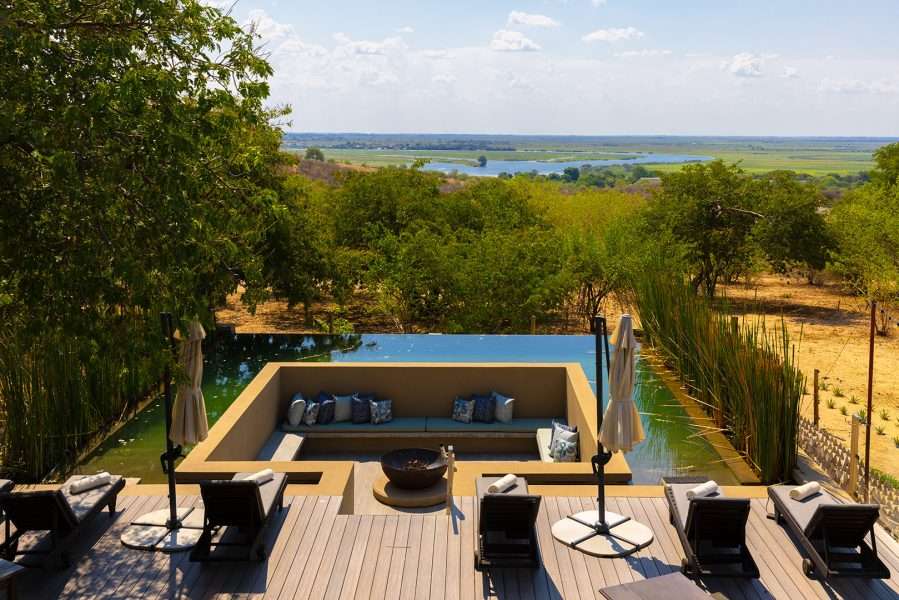
With an emphasis on getting the best light for photography, the day at Pangolin starts with a knock on the door before dawn. After a brief, light breakfast, you are off to the dock or a game drive in Chobe National Park. The morning on the river is delightful as there are few other boats but lots of birdlife and other animals. Activities last three to four hours and include a morning tea break before returning to the lodge for a delicious brunch. The remainder of the day until high tea in the afternoon is yours to do as you please. Pangolin Hotel also has an editing room you can book to work on your images and offers a short Adobe Lightroom course.
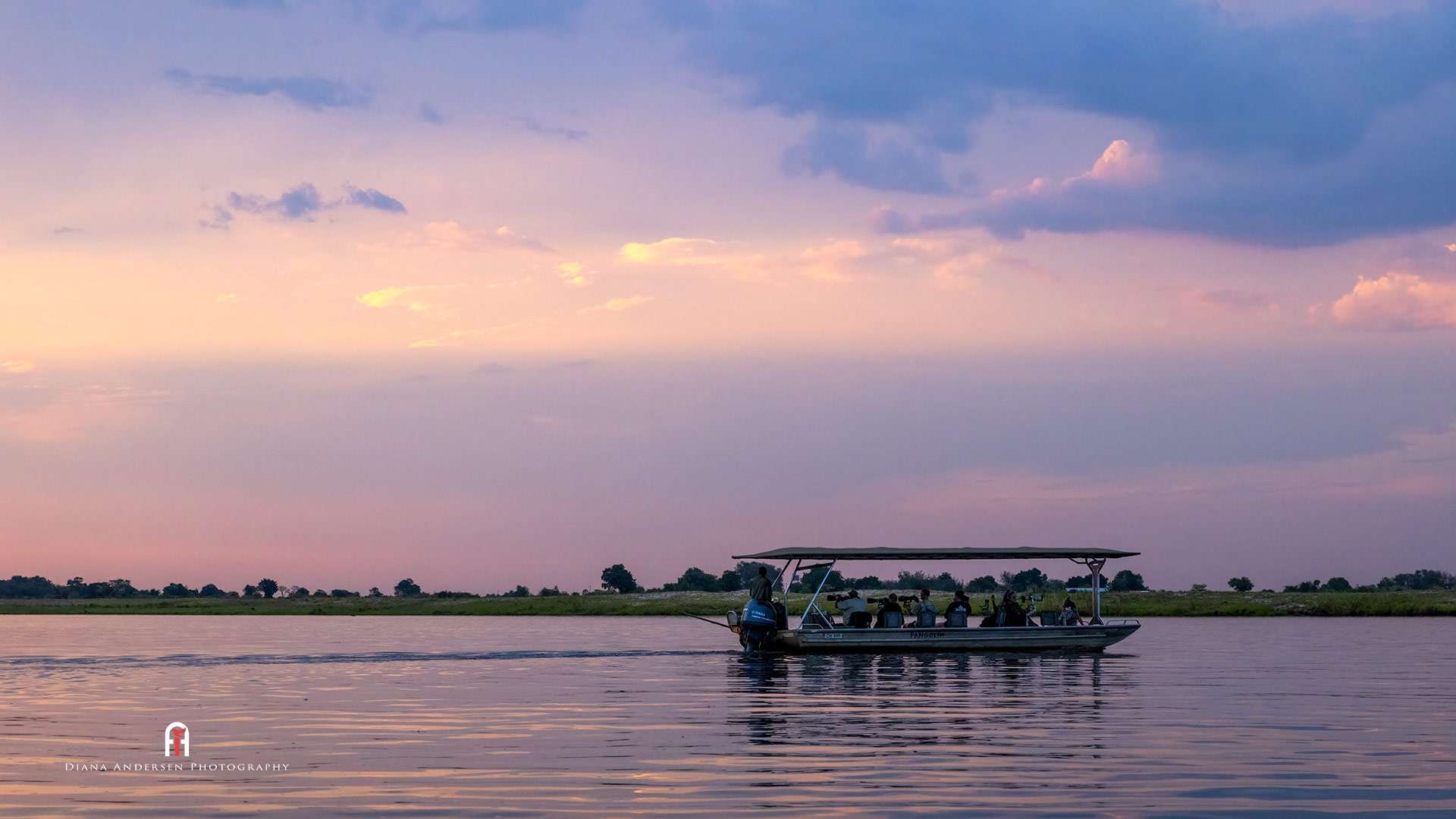
Pangolin photo boat at sunset.

ANIMALINFO PUBLICATIONS
DIANA ANDERSEN
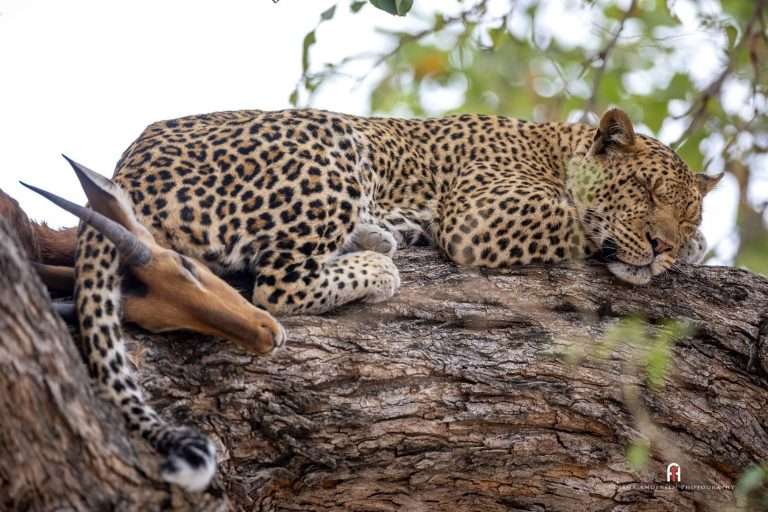
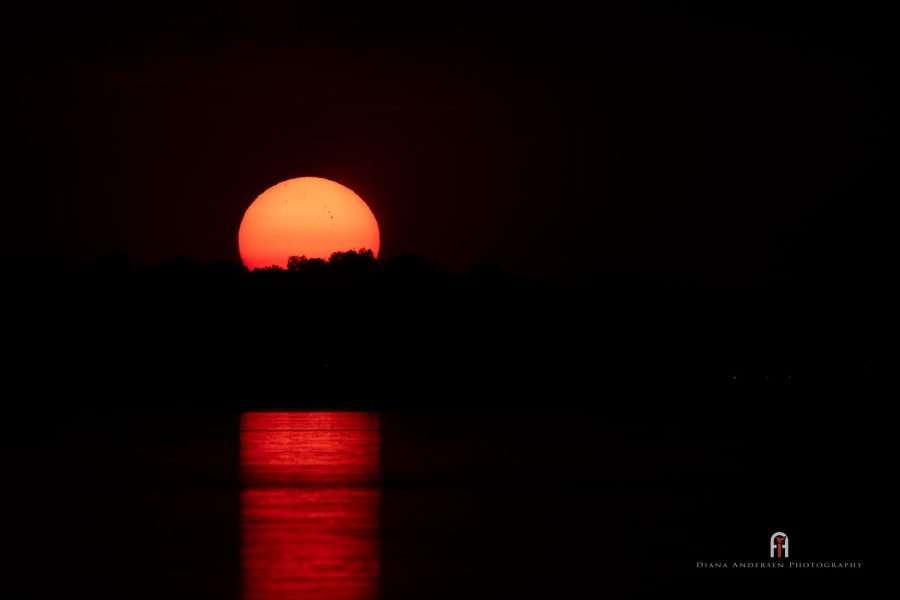
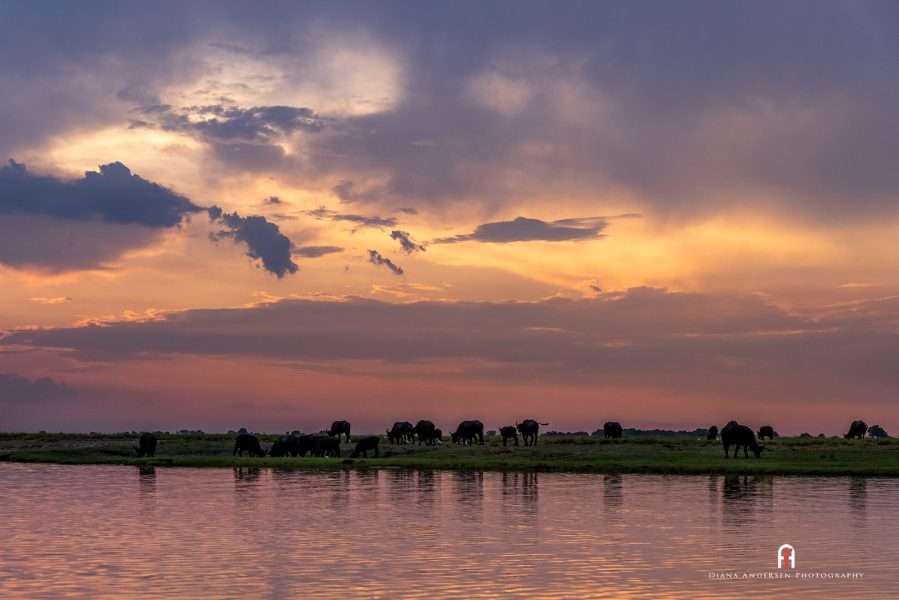
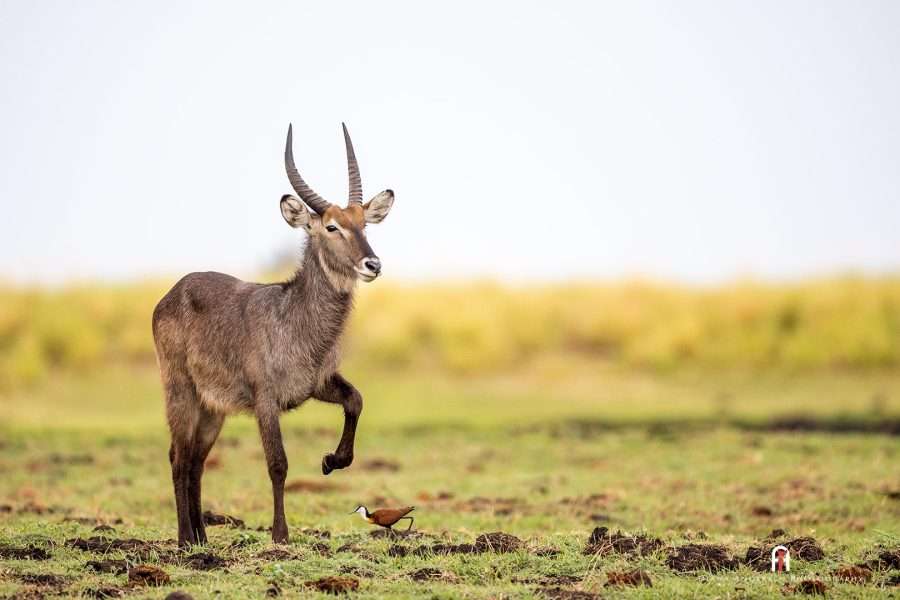
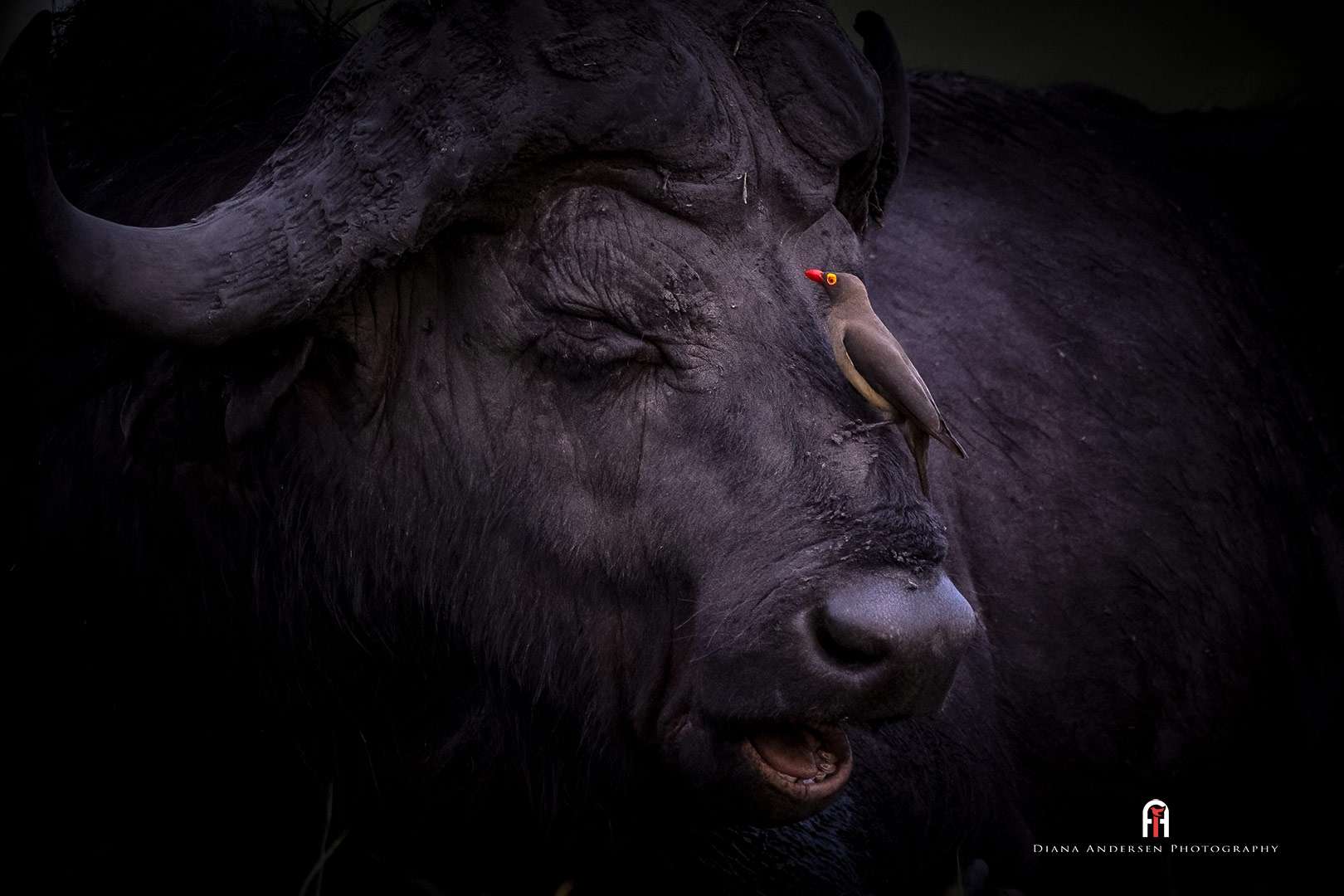
The afternoon activity on the river aims to capture wildlife set in Chobe’s beautiful sunsets, but of course, this is a matter of luck as well. There are no guarantees with wildlife! However, during my November visit to the Chobe River, my sightings were excellent, with hippos, Cape buffalo, waterbuck herds, elephants and even lions coming down to the river’s edge to drink. The birdlife on the river is lovely as well, with plenty of birds along the banks of the river and islands. There is a short break in the afternoon activities for some light refreshments before heading back to the hotel after sunset.
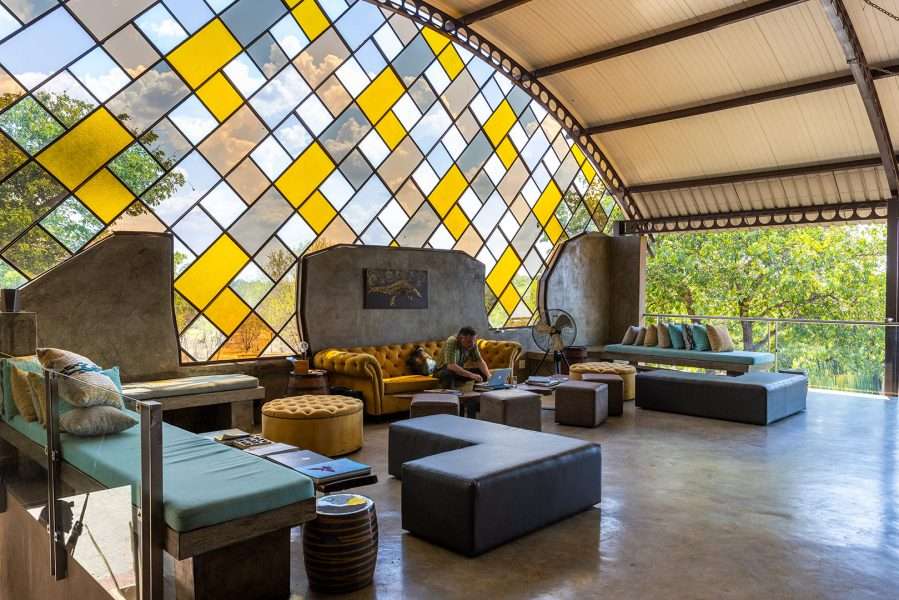
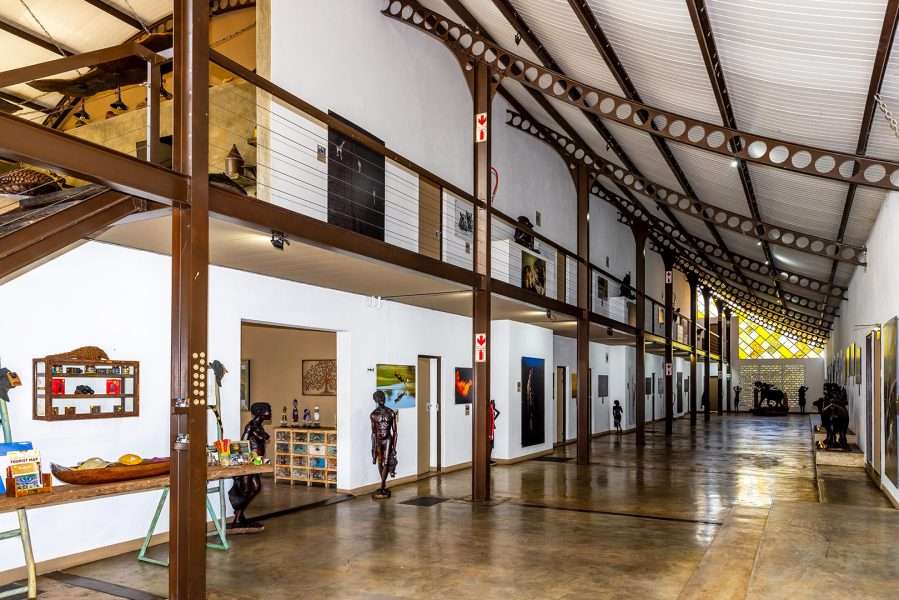
Dinner is a social affair, with the guests enjoying a delicious three-course meal with complimentary local wine, beer and spirits. With most guests interested in wildlife photography, the conversation tends to revolve around the day’s sightings. The hotel also features a central gallery displaying African artwork and fabulous large prints of images taken by Pangolin’s award-winning photo hosts. Upstairs in the bar area, you can browse the wildlife and photography books or enjoy a drink at the photography-themed bar before retiring for the day.
The Pangolin Photo Boats
I am not a photographer who enjoys using a tripod. I find them too restrictive for wildlife, preferring instead to use a monopod to support the weight of my heavy prime lens. I had heard much about Pangolin’s photo boat gimbals but was sceptical that I would also find them too restrictive. However, they proved very easy to use. Once you get accustomed to their functionality, they make swinging from side to side smooth and rapid.
As someone who likes to shoot from the ground or water level, there were times when I preferred to remove my camera from the gimbal and get down on the floor for a lower perspective. Dropping to the floor was relatively quick, and the sides of the boat had padded flaps that covered the boat’s rim and helped cushion your lens.
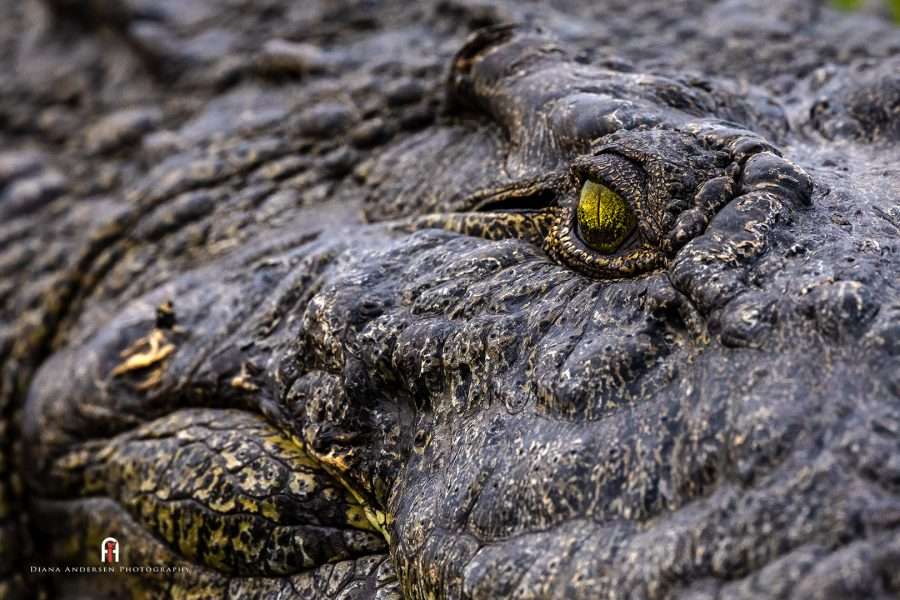
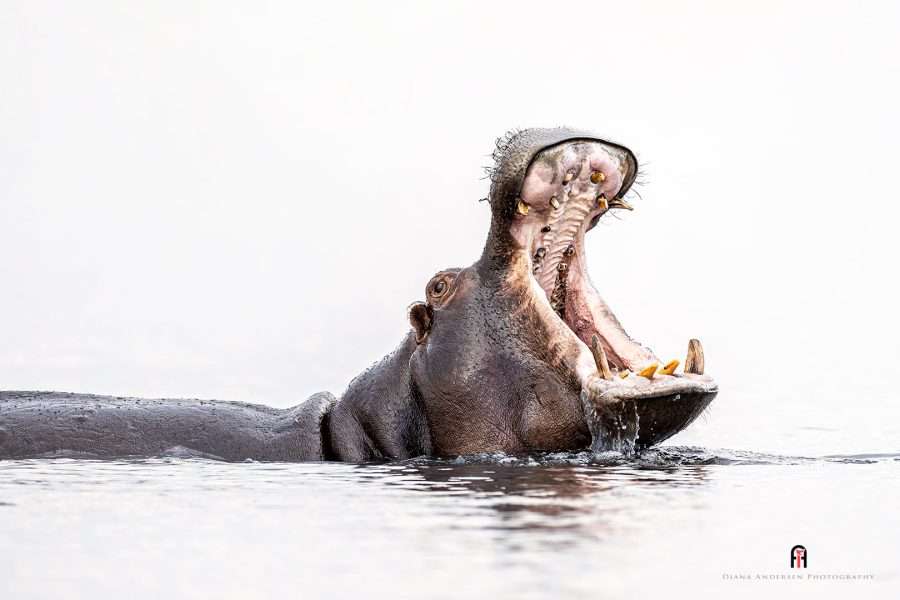
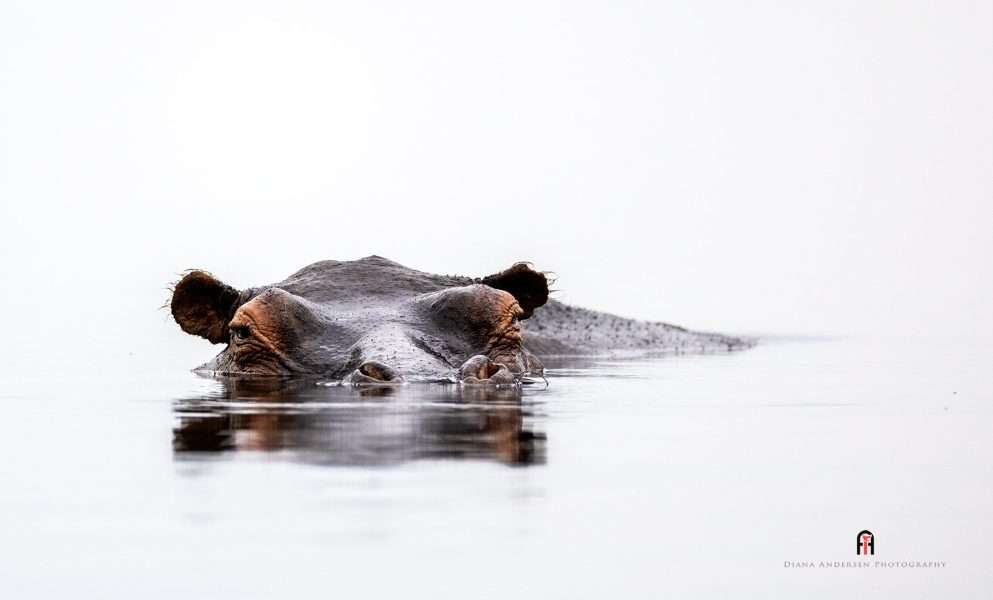
For animals in the water, like hippos and Nile crocodiles, being close to the water level puts the subject in the environment, allowing you to capture the background behind the subject. Doing so helps give your subject context and helps to tell the animal’s story. At long focal lengths, shooting from a low perspective also helps create background and foreground blur, helping to isolate your subject. With the elevated banks of the river and islands, the seats and gimbals are at an excellent height to achieve the same effect without getting too low.
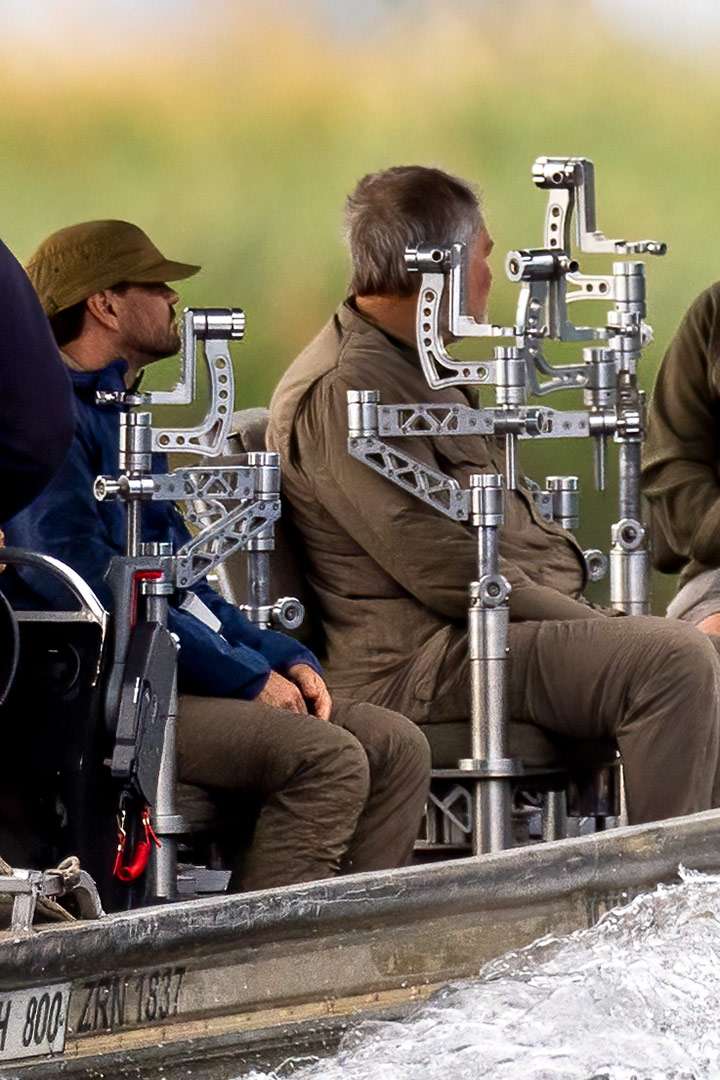
Pangolin Photo Safaris photo boat gimbals.
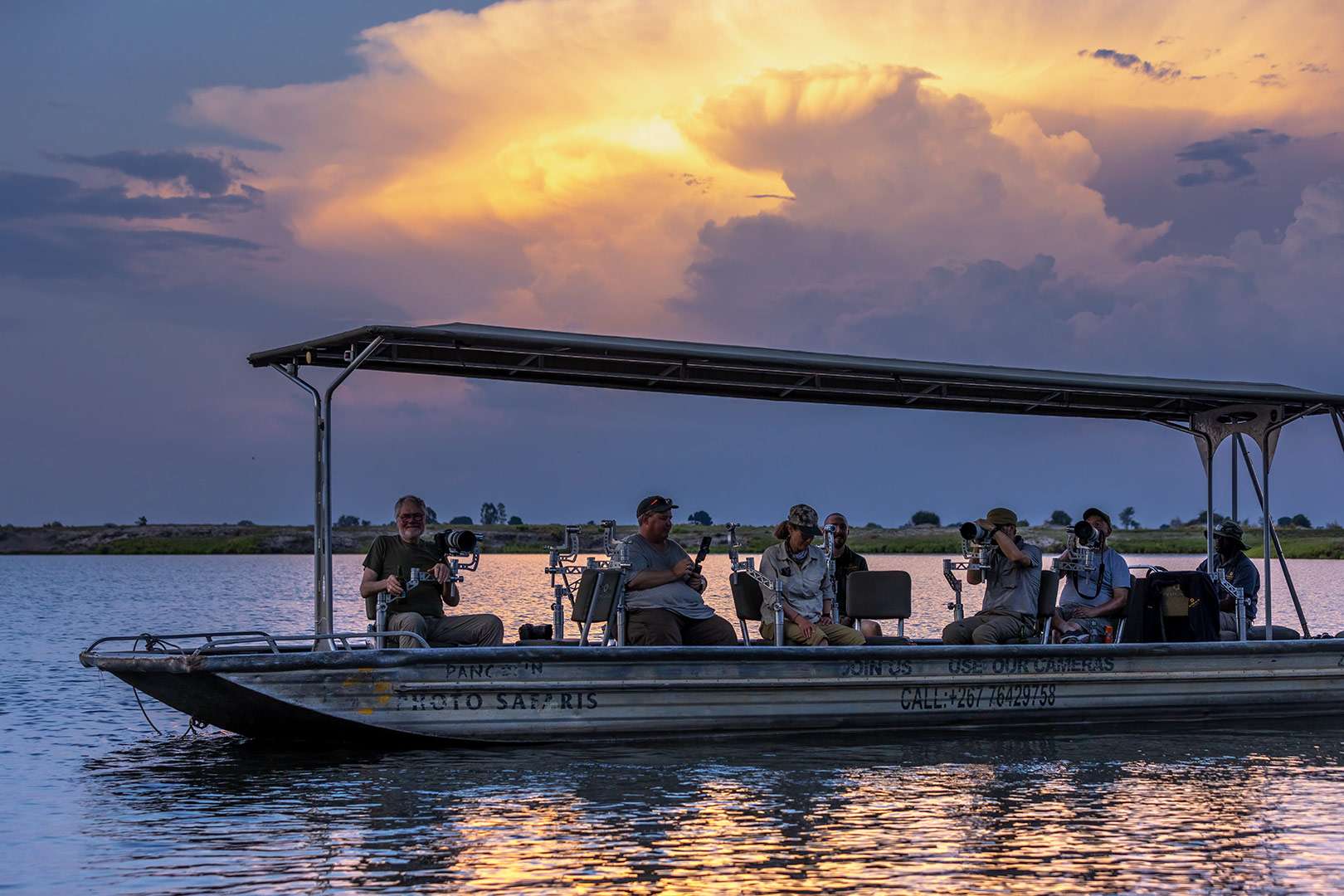
Pangolin Photo Safaris photo boat at sunset.
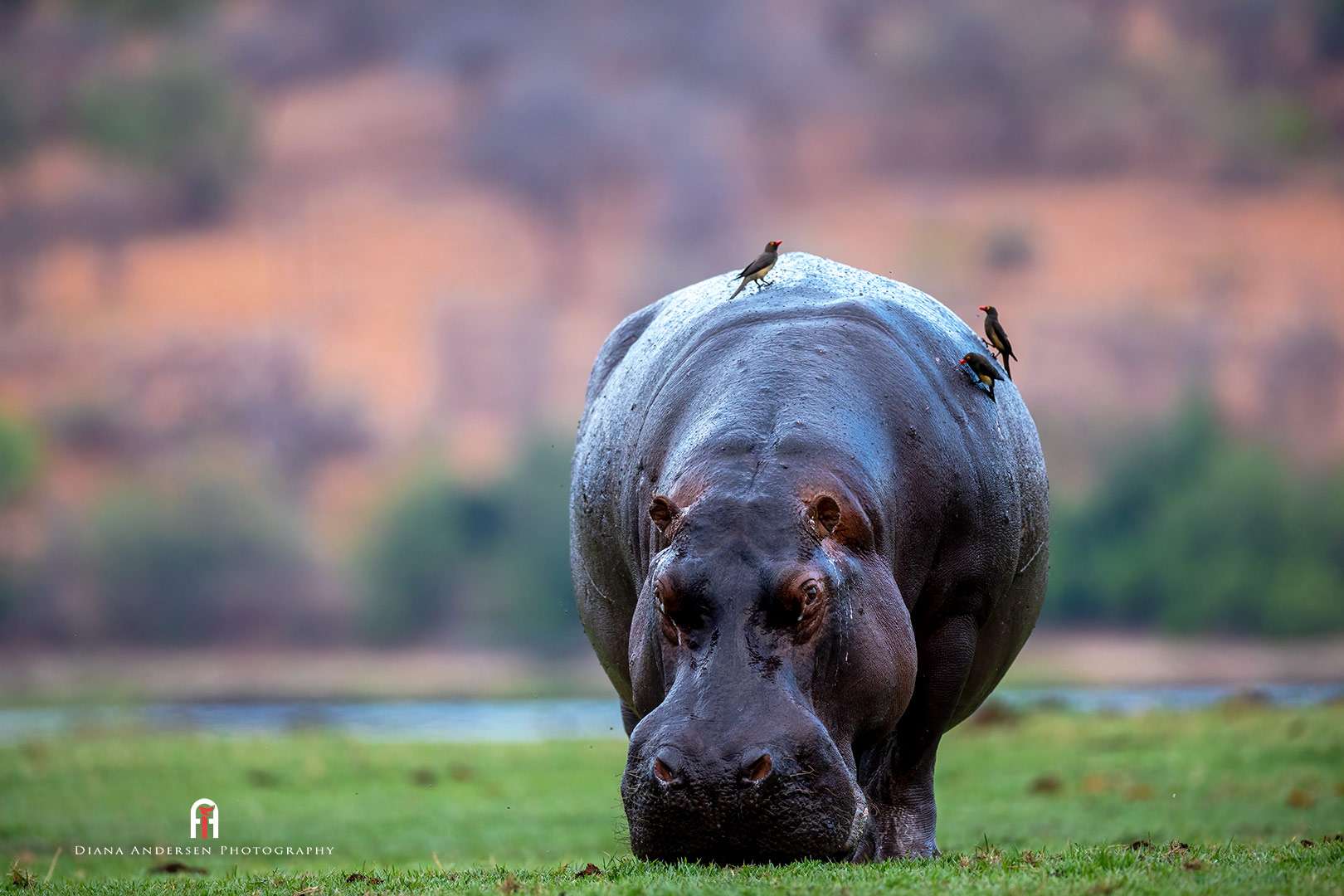
Shooting from a low perspective.
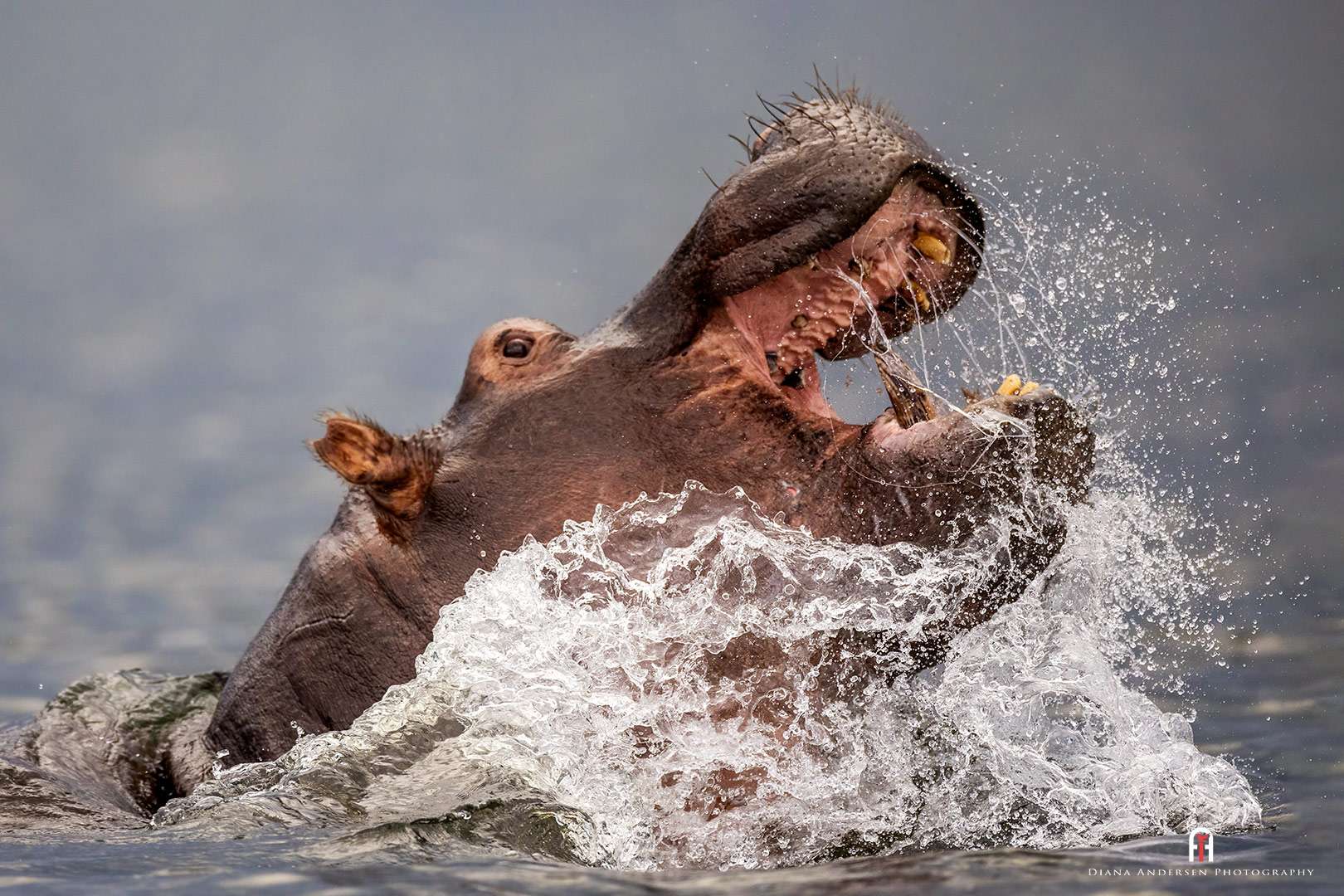
Shooting from a low perspective helps to isolate your subject from the background.
Game Drives with Pangolin
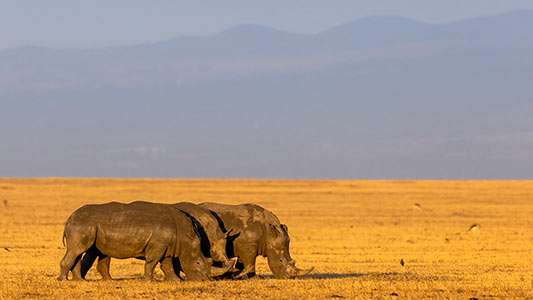
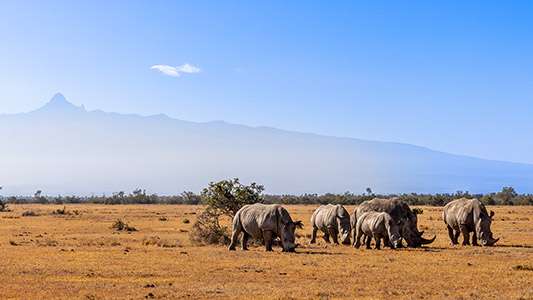
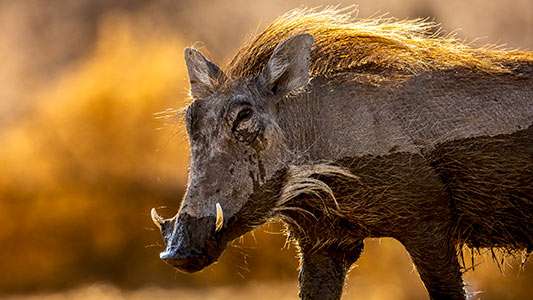
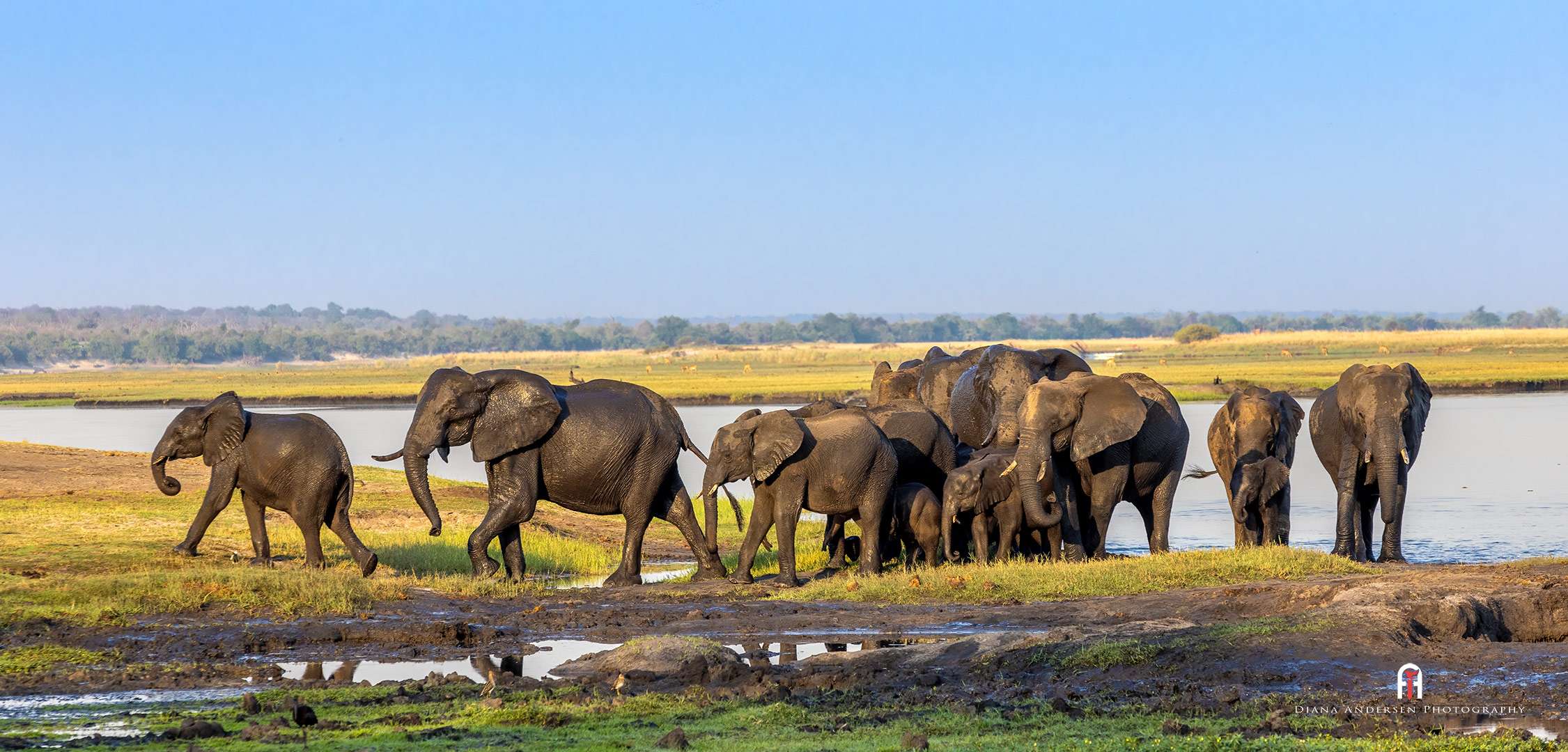
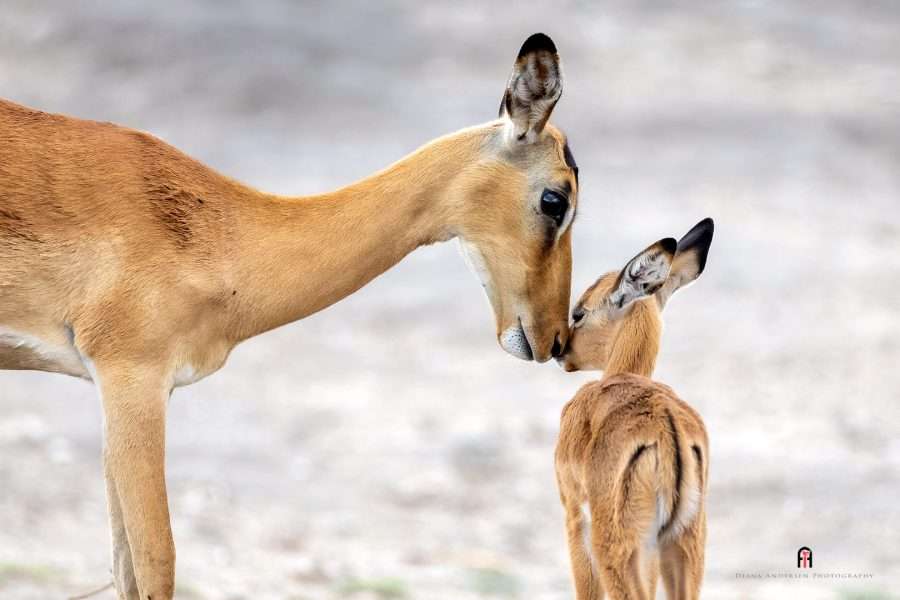
Activities on the river are the main focus of Pangolin Safaris, but they also include game drives into the adjacent Chobe National Park. Game drives are offered at a one-to-three ratio in favour of the photo boats, and my second day in Kasane included a game drive in the morning before sunrise. Due to reduced dependence on water, game animals generally move further from the river as the rainy season progresses. With the rain being late this season, we encountered many animals throughout the drive, including Southern giraffes, impalas, good numbers of elephants, lions, warthogs and the occasional zebra.
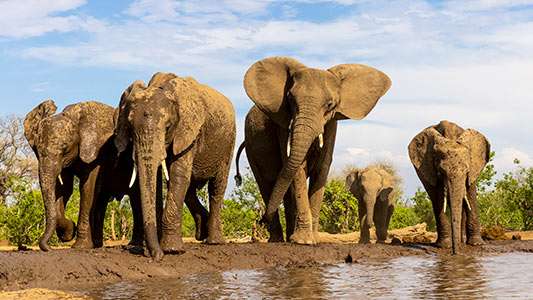
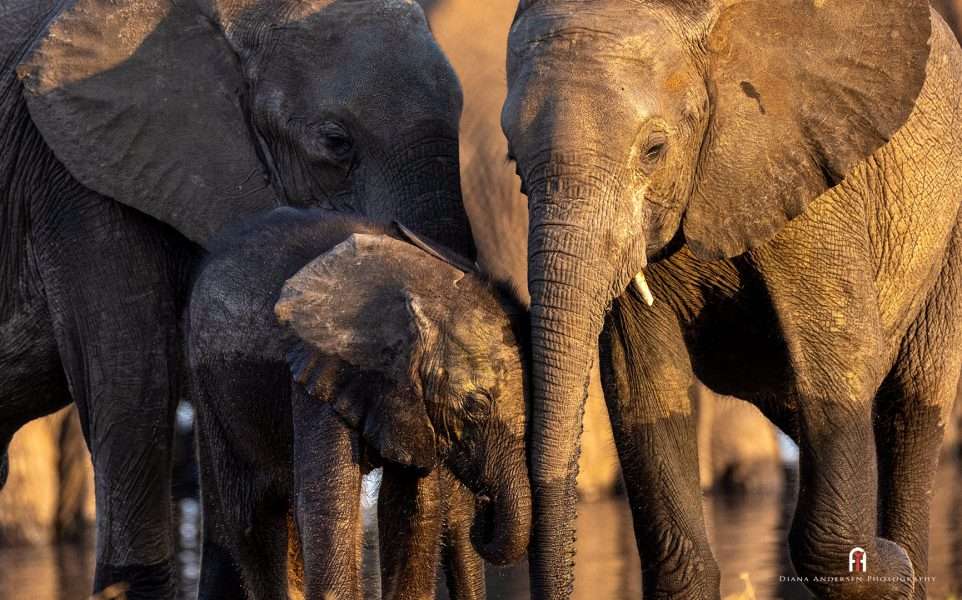
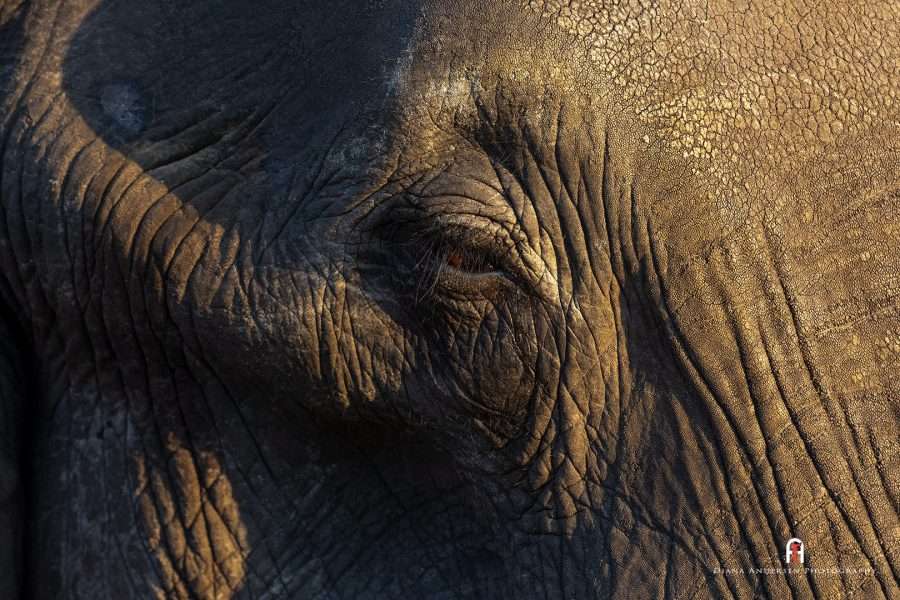
Shooting from the vehicle means you are shooting from a higher perspective than on the boats, but this is not a problem if you shoot with a long lens from some distance away. It can be frustrating if you are close to small animals such as mongoose and some ground bird species, as it is impossible to isolate them from the background when shooting down on their position. On the upside, you are at eye level with elephants, so you can get some great detail shots when they come close to the vehicles.
The thick, dry vegetation in some park areas makes clean, uncluttered shots more difficult than on the river. Additionally, with the area being a national park rather than a private conservancy, you will see other vehicles, including self-drive tourists. Because of this, your driver must consider other visitors to the park, and you may be required to move on before you have achieved that perfect shot!
The Birdlife in Chobe in November
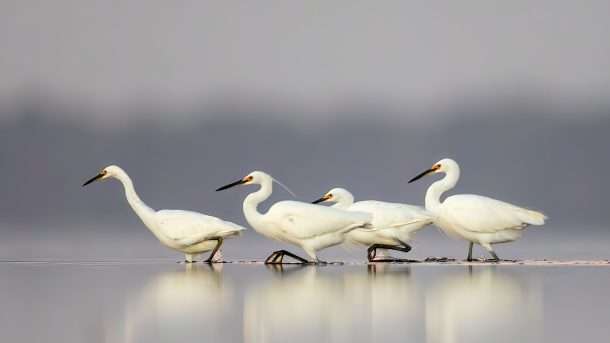
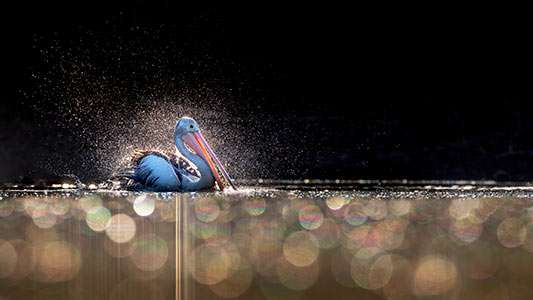
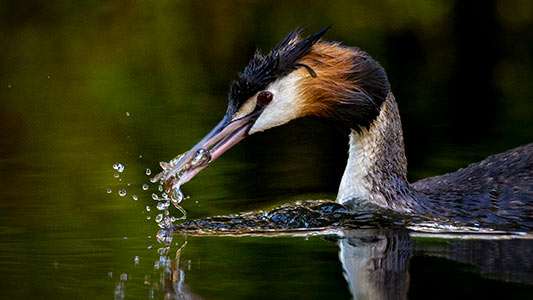
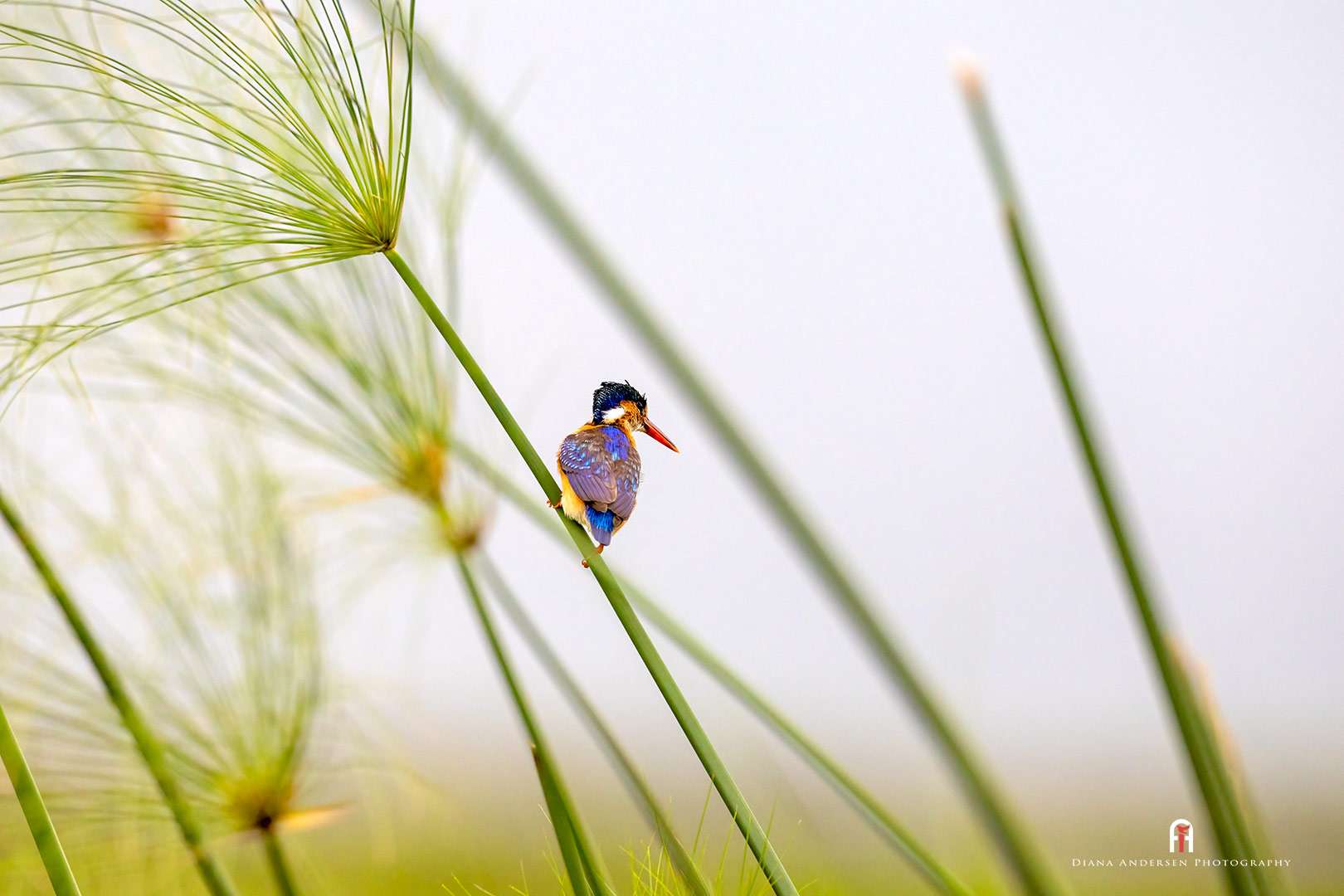
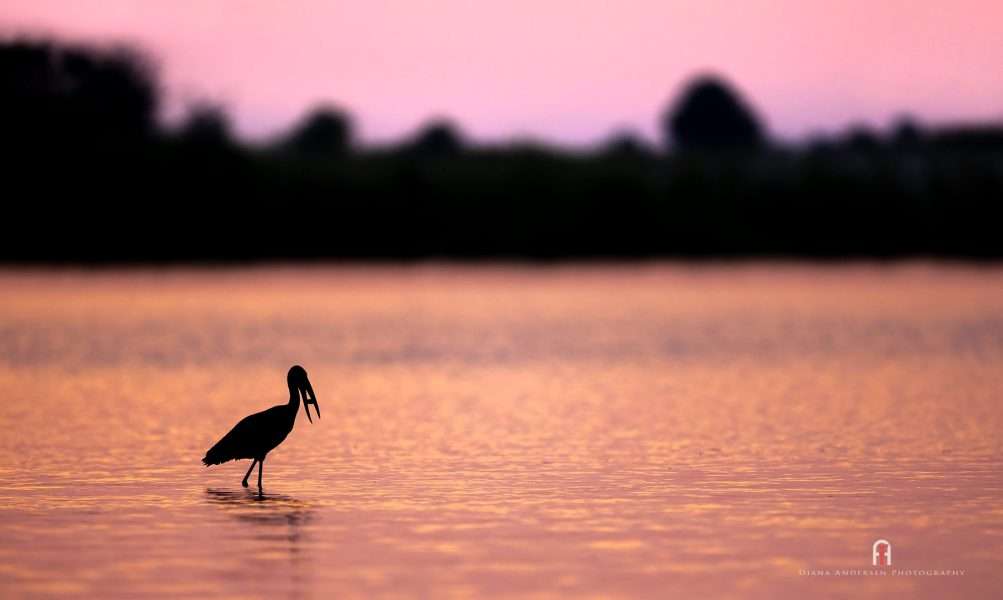
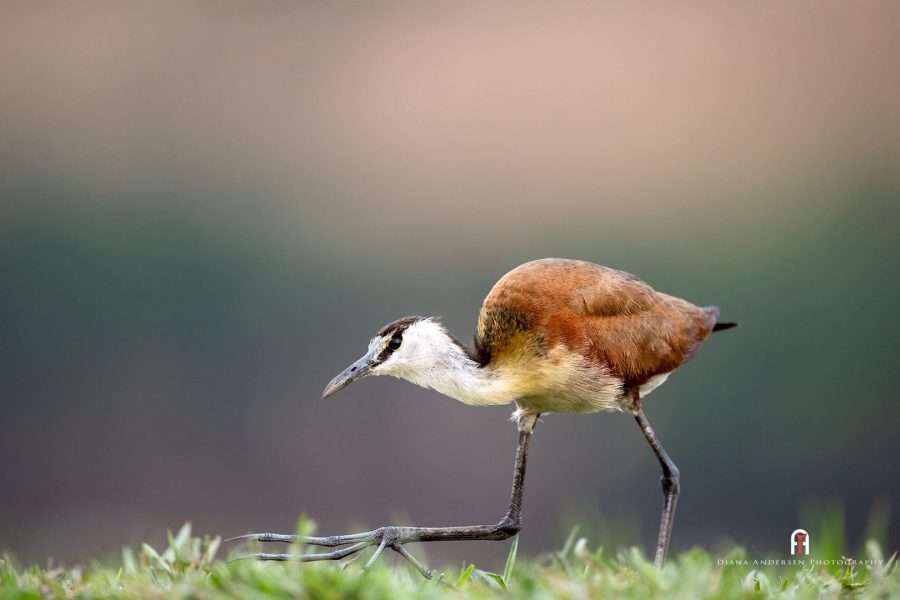
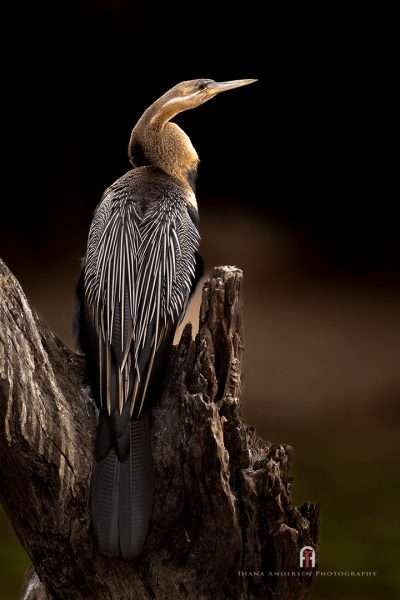
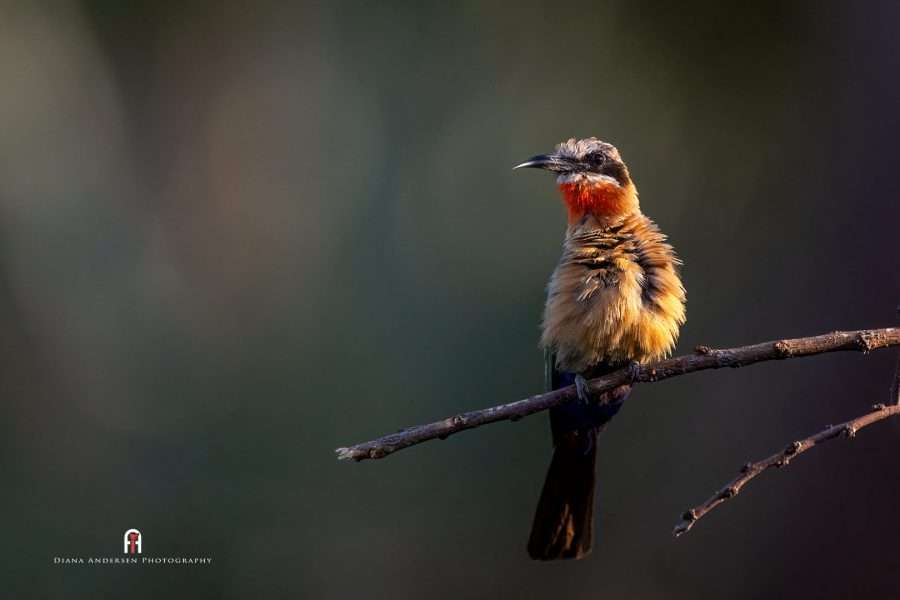
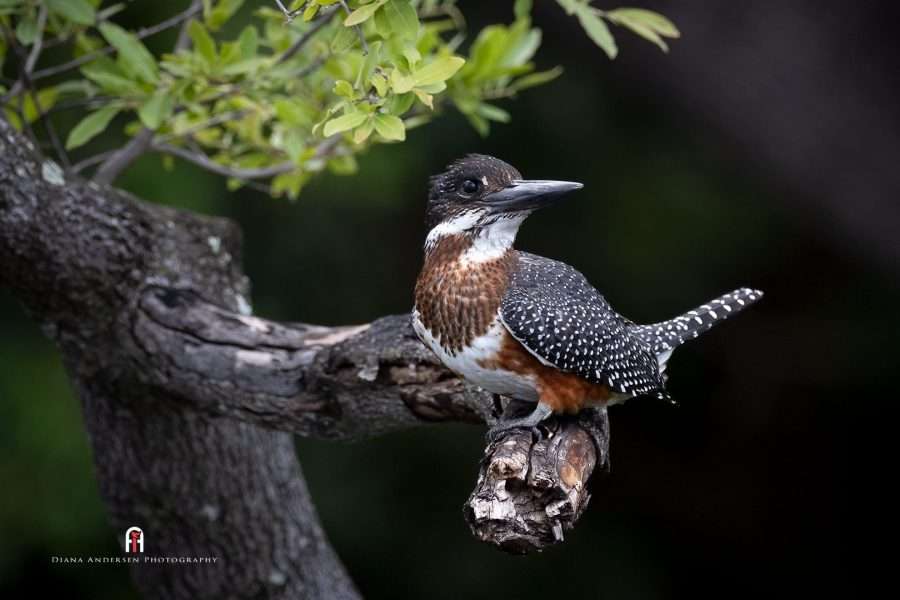
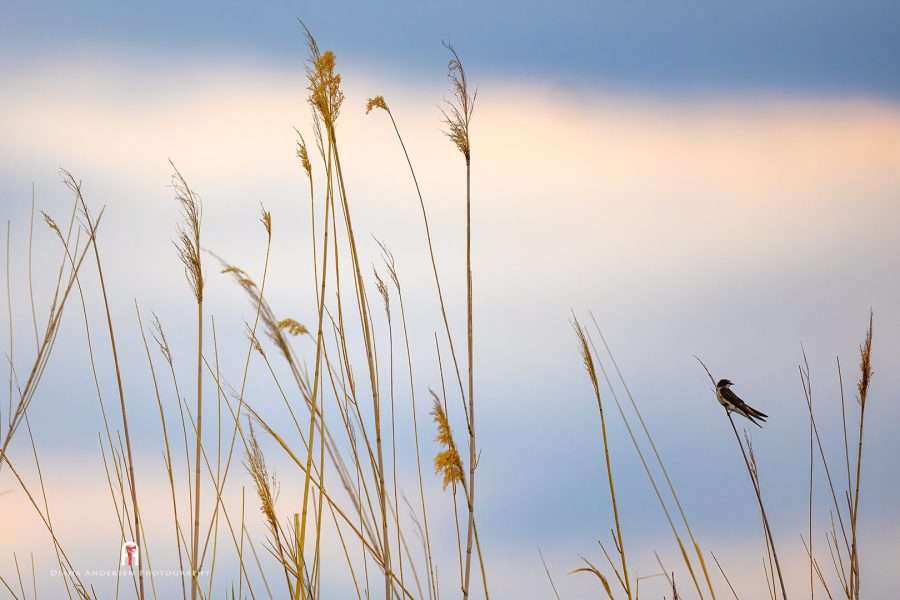
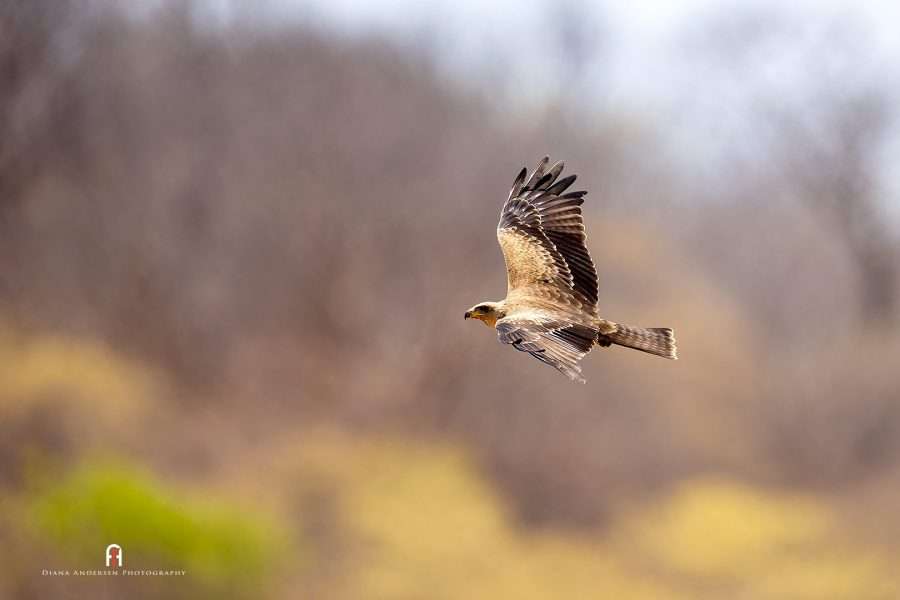
If you are like me and love photographing birds, the Chobe River in November will not disappoint. While the river is always a good location for birders and photographers, the arrival of many migratory birds makes this time of year even better. The birds seem accustomed to, or not concerned about, the movement and proximity of the boats to the shoreline and the banks of the grassy islands. As a result, their steady behaviour provides ample opportunity to capture detailed shots of the birds, their environment and activities.
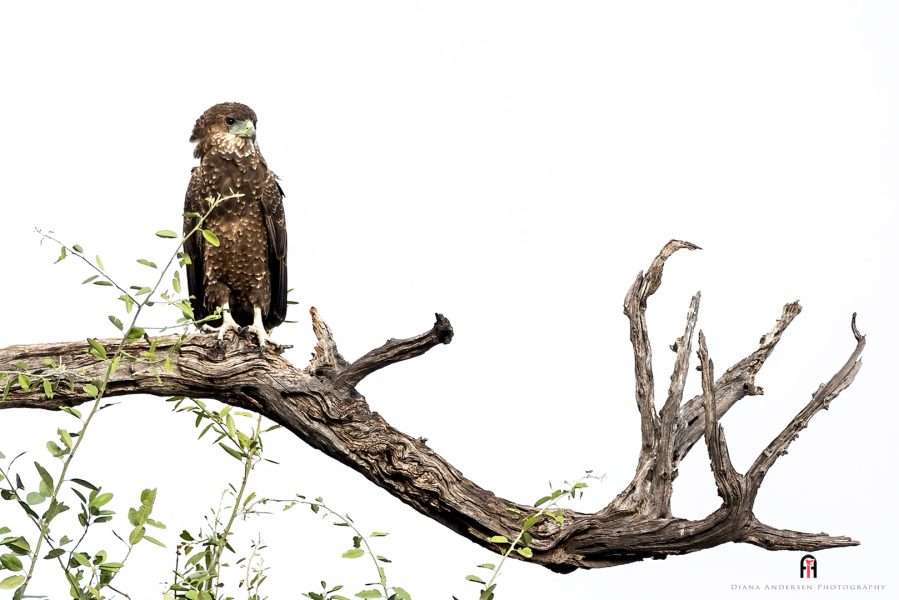
As you would expect in a floodplain area, many wading and fishing species are present, such as African darters, cormorants, herons, storks and egrets. There were also kingfishers, bee-eaters, fish eagles and other raptors that Chobe is famous for. The river is a virtual smorgasbord for bird photographers and birders. Long lenses around 600mm are ideal for smaller birds, but having a second body fitted with a wide-angle or shorter lens of around 200mm focal length is perfect for larger animals at close range.
Getting Creative
During my two days in Chobe, the weather and associated light allowed me to shoot everything from high-key to low-key images. If you aim to capture excellent wildlife images straight out of the camera, Chobe will give you plenty of opportunities to get it right. If pushing your creativity in camera and through post-processing is your objective, there is plenty of scope to explore your creative side as well.
A characteristic of dramatic cloud cover, soft light and spectacular sunsets in Chobe did not disappoint. Despite the threat of rain and storms on several occasions, I didn’t get wet, but I believe I was lucky. If you visit in November, consider both the heat and the possibility of rain so you are not disappointed. The storms themselves can be spectacular and a sight to see!
Booking a Pangolin Photo Safari
In the company of other photographers, an excellent guide, a photo host, and fantastic wildlife, what’s not to love about visiting Chobe? I was there in preparation for future photo tours that I will be hosting, including a visit to Chobe as part of the itinerary. However, if you plan to visit the area, you can book a stay directly with Pangolin Photo Safaris. Visits include photographic tuition by the resident photo hosts, camera equipment, and will provide an experience you will never forget.
TO VISIT BOTSWANA AND EXPERIENCE CHOBE JOIN DIANA IN 2027 – LEARN MORE & BOOK
To enquire about a tour or for more information about booking a stay Pangolin Photo Safaris, fill in the contact form below or email Diana at diana@focuswildlifetravel.com.
ENQUIRE
Share this
Related Reading
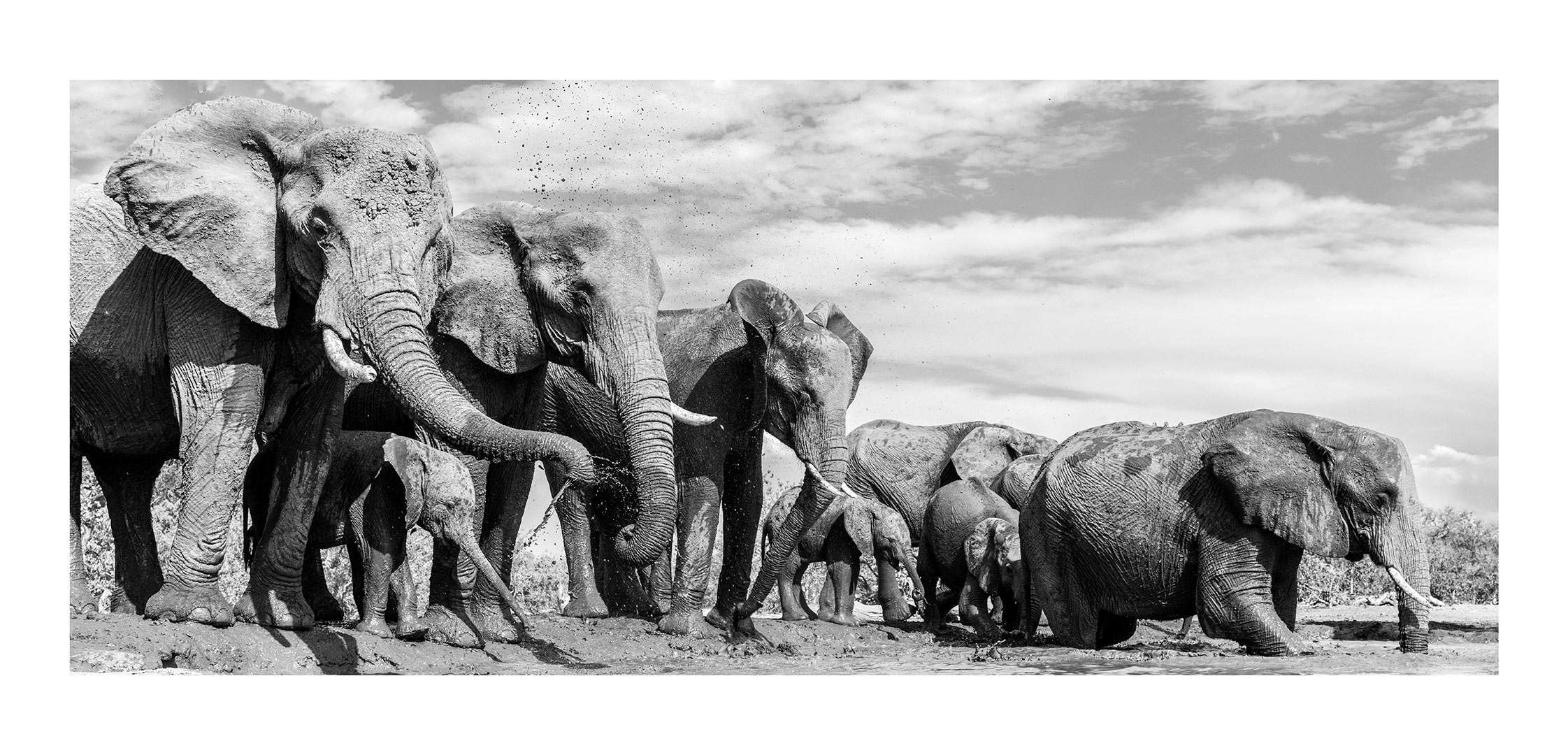
The Waterhole
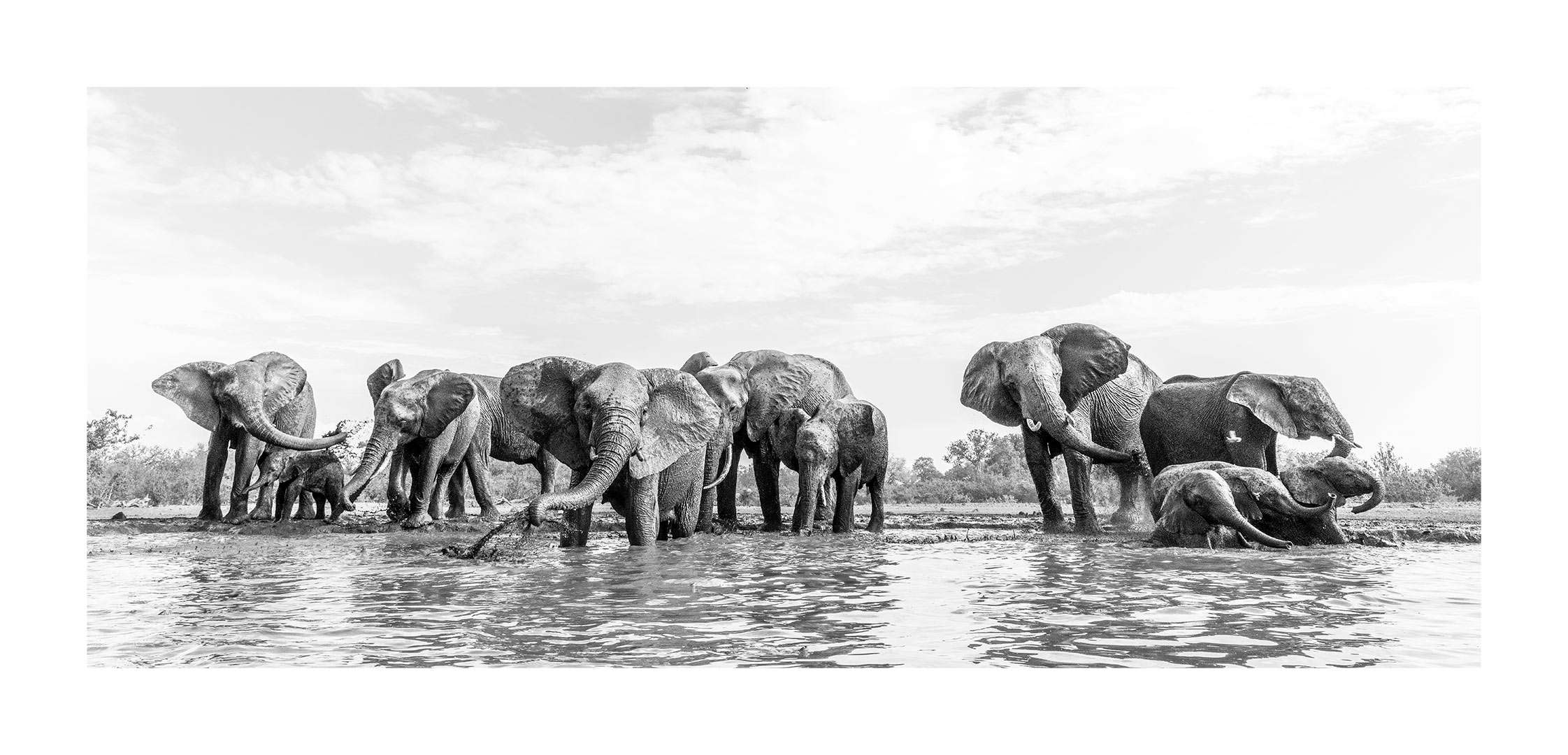
A beautiful, monochrome image of elephants visiting a waterhole in Botswana. Professionally printed on premium fine art paper with archival inks, this image will look fantastic in any home or office. SHOP >
AMAZON
We are a participant in the Amazon Services LLC Associates Program, an affiliate advertising program designed to provide a means for us to earn fees by linking to Amazon.com and affiliated sites
SHOP WILDLIFE ART