
From the comfort of my bed, I can hear the sound of munching grass and the rustling of heavy bodies moving in the darkness outside my chalet. It is the emerald season in South Luangwa, Zambia, a place known for its close encounters with wildlife, which has thrived here for generations, long before tourism arrived.
KAFUNTA RIVER LODGE
Words and images, Diana Andersen
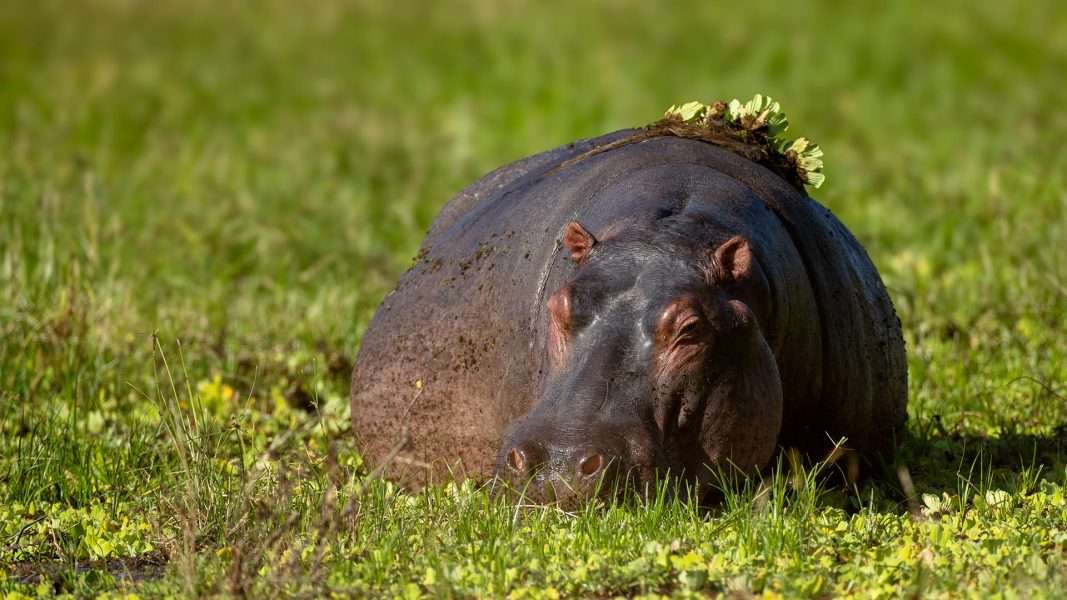
The sound comes from hippos that leave the relative safety of the Luangwa River and the numerous lagoons formed during the rainy season to feed overnight. My first stop in this region is the beautiful Kafunta River Lodge, which is situated along the edge of the river’s grassy floodplain. The verdant grasses attract hippos at night, while during the day the area teems with plains game and a variety of birdlife.
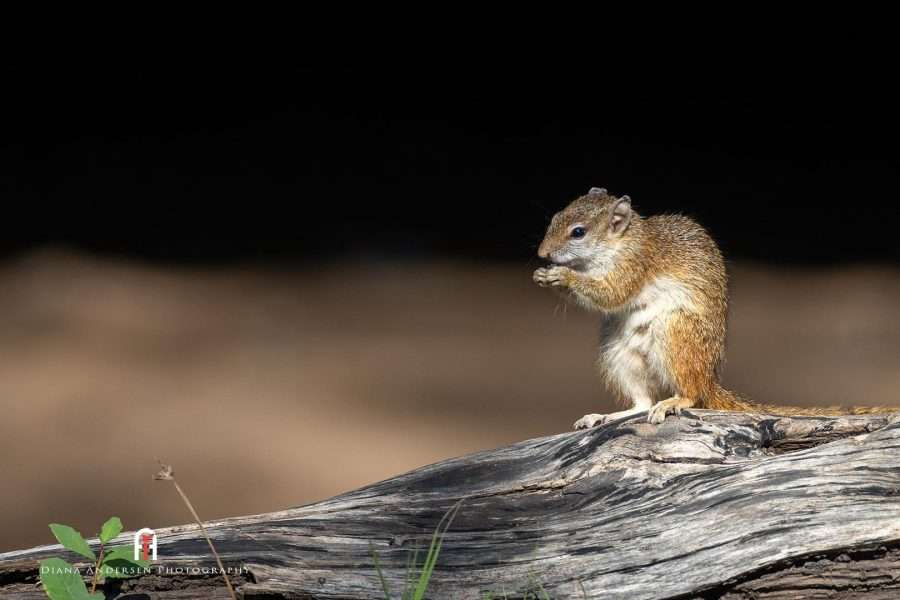
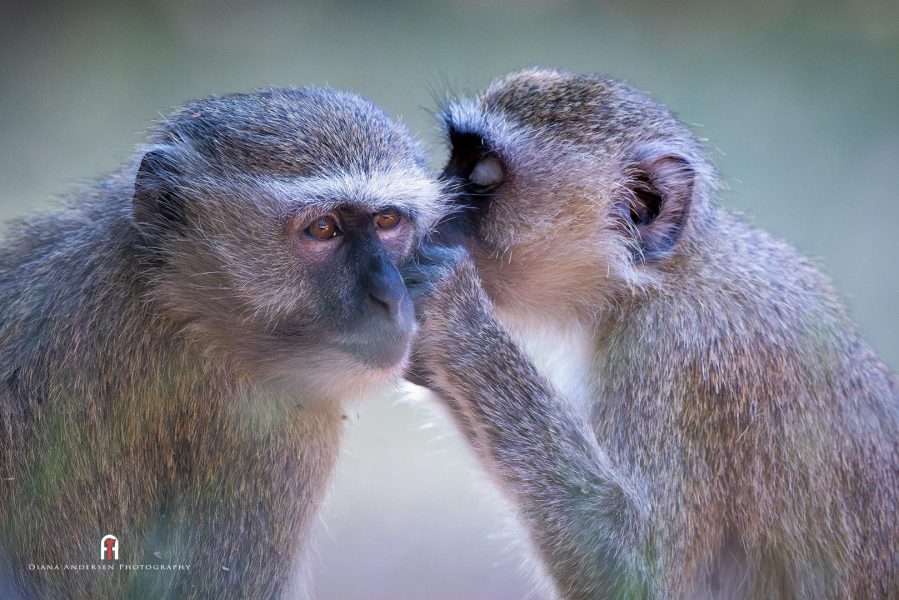
The green lawns around the lodge and chalets are also home to a troop of entertaining yellow baboons, vervet monkeys and tree squirrels. Still, larger game animals are always possible, so guests are asked to call for an escort at night when moving around Kafunta.
South Luangwa National Park
Zambia’s South Luangwa National Park is one of the most popular destinations for wildlife safaris. Unlike countries such as Botswana, Zambia has no private game reserves that offer a more exclusive safari experience. Generally, I avoid national parks because they often prohibit off-roading and night safaris and can attract large crowds. While these restrictions are valid—primarily focused on wildlife welfare and conservation—they can still lead to overcrowding and guest activities that may negatively impact wildlife.
I generally prefer visiting wildlife locations that provide a more private experience with fewer negative conservation impacts. As a professional wildlife photographer leading photo tours, I also prioritise strong photographic opportunities. Unlike many other countries, Zambia’s national parks have plenty of driving tracks and are more flexible with their rules because of lower visitor numbers. If you stay at lodges with park access, night drives are also permitted. While crowds can still be an issue in certain areas during peak season and at popular sightings, the emerald season in South Luangwa offers a quieter experience and a greater sense of remoteness compared to Kenya and the Serengeti in Tanzania.
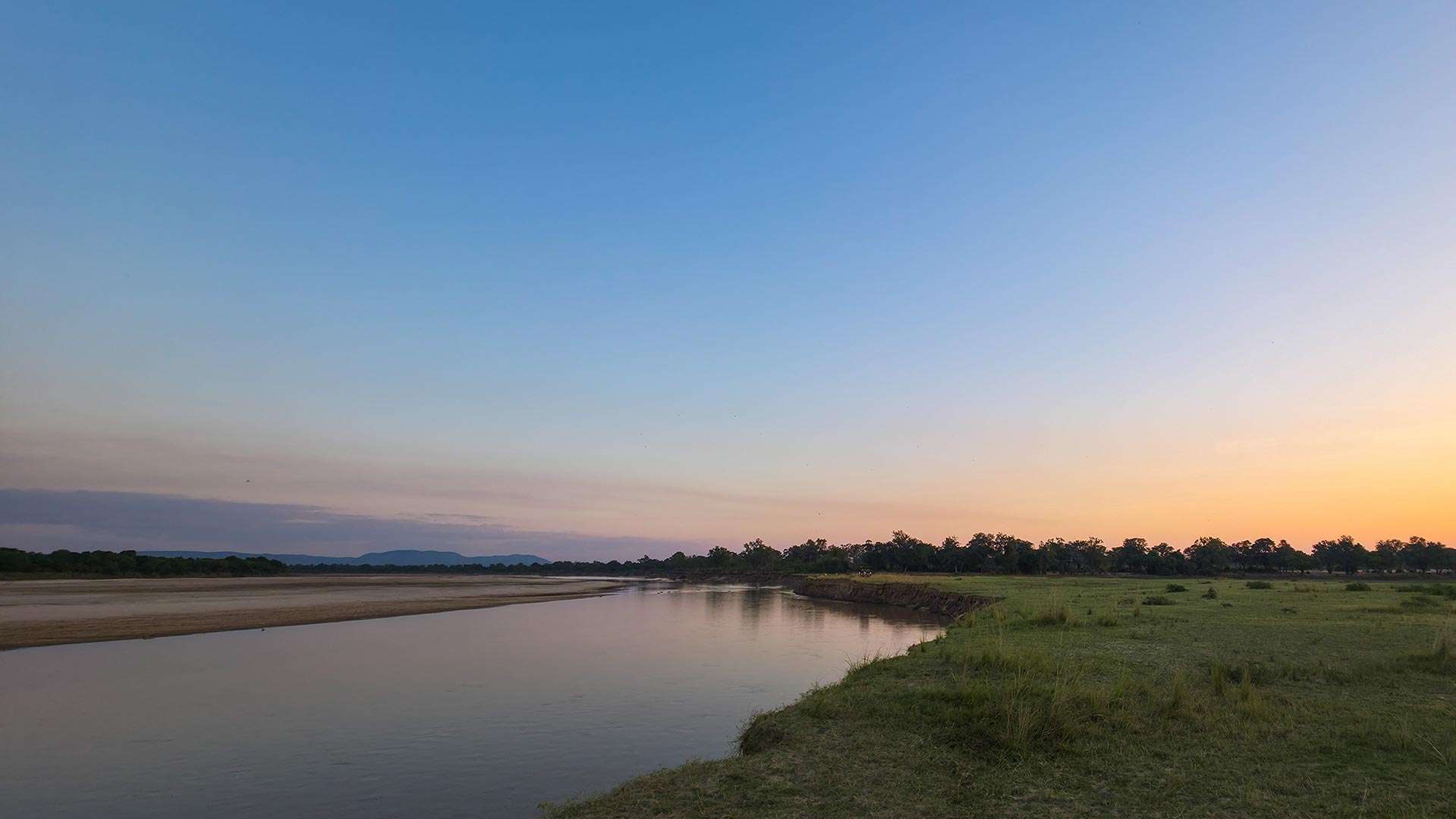
The emerald season in South Luangwa offers a quieter experience and a greater sense of remoteness.

ANIMALINFO PUBLICATIONS
DIANA ANDERSEN
The Emerald Season
South Luangwa camps and lodges open to visitors in late April or May following the rainy season. While fewer visitors can be an advantage at this time of year, it can be challenging to locate wildlife because dense vegetation and abundant water sources allow animals to spread out. However, I am eager to capture more atmospheric shots and the soft light at this time of year creates a striking contrast to the dust and starkness of the dry season. This season brings vibrant greens, soft tall grasses, and a sense of new life to the images captured during this time.
The Luangwa River is the landscape’s prominent feature, winding through the valley and forming the eastern boundary of the national park. Lodges and camps are situated both within the park and along its borders. Therefore, visitors staying outside the park should be aware that daily park entry formalities can be time-consuming, especially during peak season.
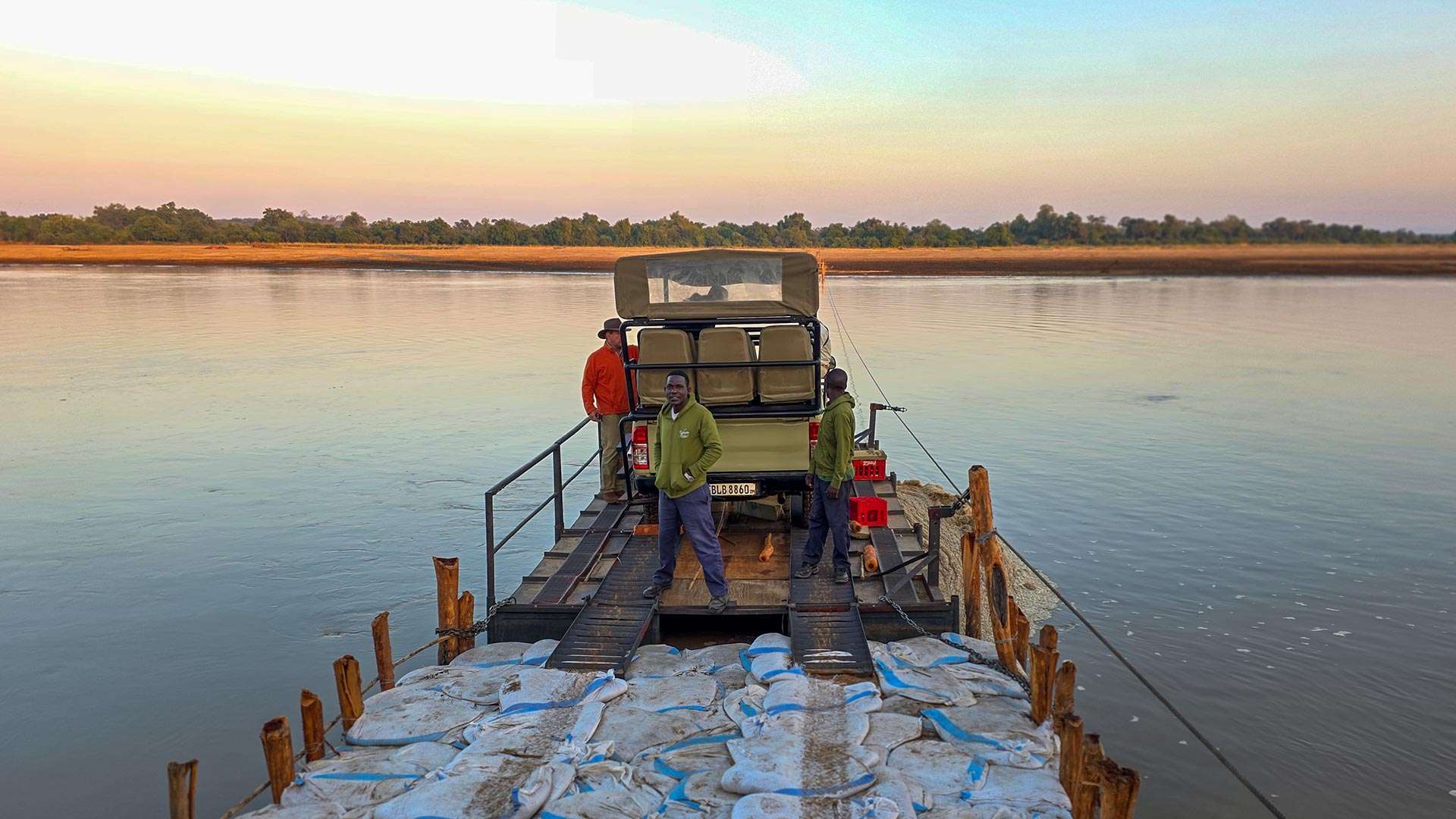
Kafunta River Lodge is located outside the park but has built a nearby pontoon that allows vehicles to cross the river into the southern part of the park, avoiding delays at the park entry. The pontoon serves as another official park entry point and generally operates from late May, assuming the river level is low enough.
The Valley of the Leopard
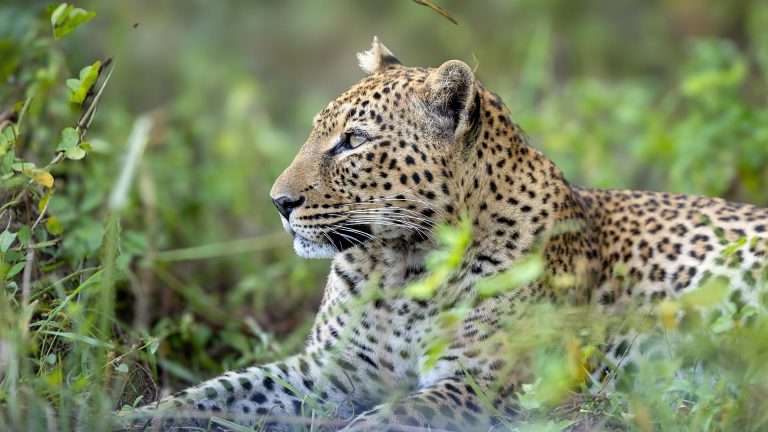
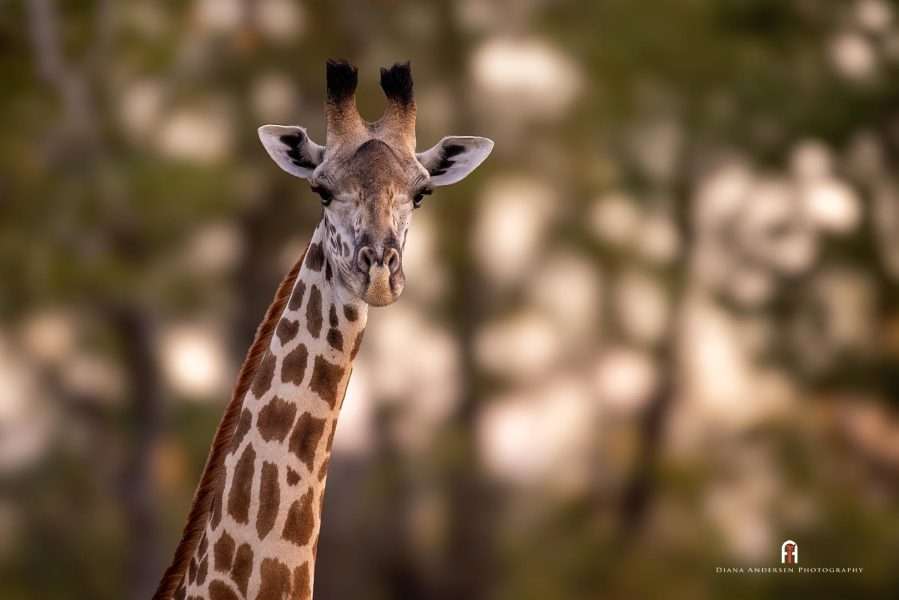
Known as the “Valley of the Leopard” because of the park’s high leopard density, South Luangwa draws many photographers hoping to capture images of these iconic cats. Naturally, I am also keen to see and photograph these magnificent animals. However, the park is also home to Thornicroft’s giraffe, a subspecies of Masai giraffe unique to this region of Zambia and is one of the last strongholds for endangered African wild dogs. Therefore, both the giraffes and the wild dogs are on my “wish list.” That said, wildlife can be unpredictable, and there are no guarantees, so I am excited to see and photograph any wildlife we encounter during my visit.
A Day with Kafunta Safaris
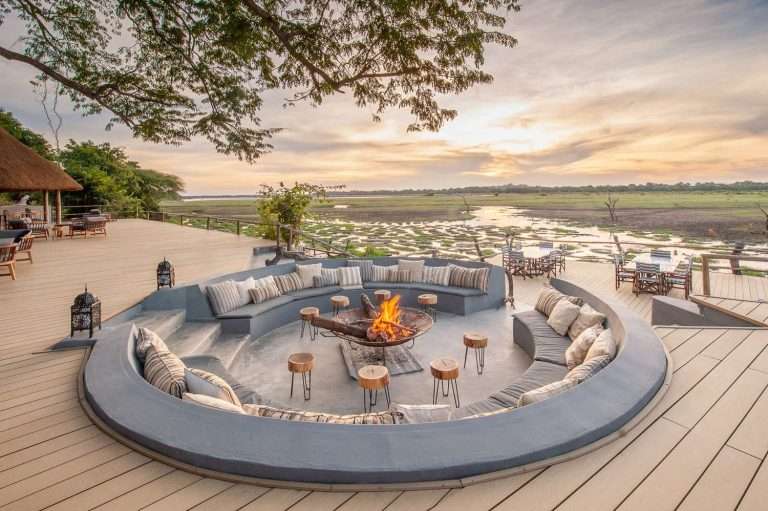
All visits to Kafunta River Lodge include twice-daily morning and afternoon game activities, as well as South Luangwa’s famous walking safaris. The day at Kafunta begins before dawn with a generous continental breakfast served on the lodge’s main deck. The valley is warmer than many regions in Zambia, but the open fire is a welcome addition, as May weather is quite chilly before sunrise.
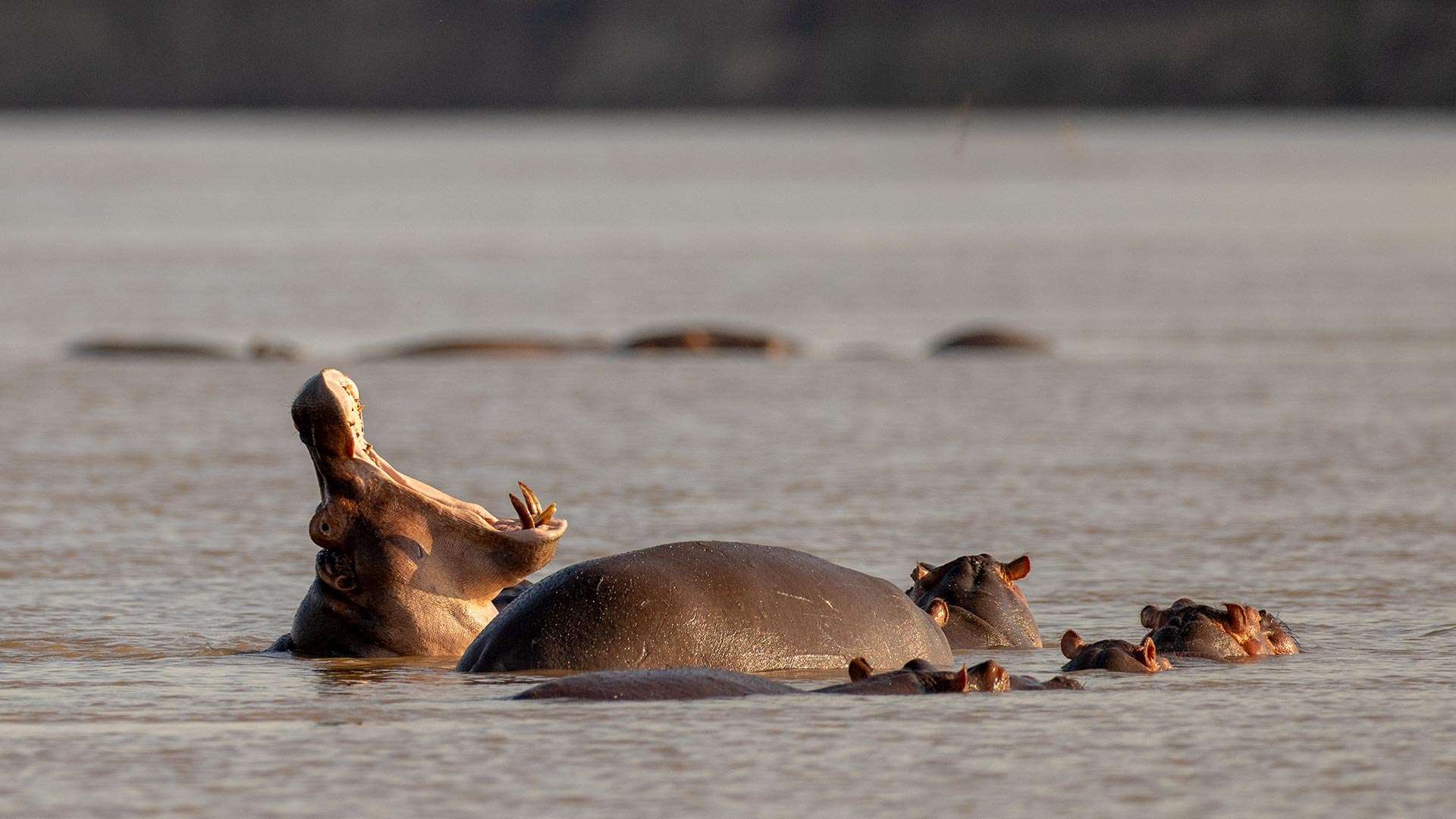
As we head out on my first game drive, the sun rises, and we catch our first glimpse of the beautiful Luangwa River while crossing into the park on the pontoon. The ever-present sounds of hippos bellowing in the river and the call of the fish eagle, Zambia’s national bird, fill the air, becoming the unmistakable soundtrack of my experience in Zambia.
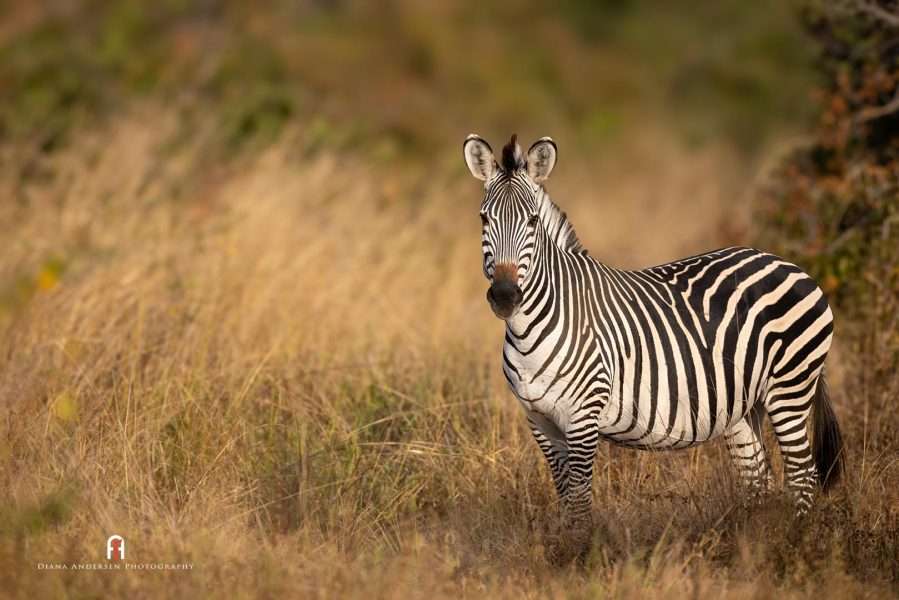
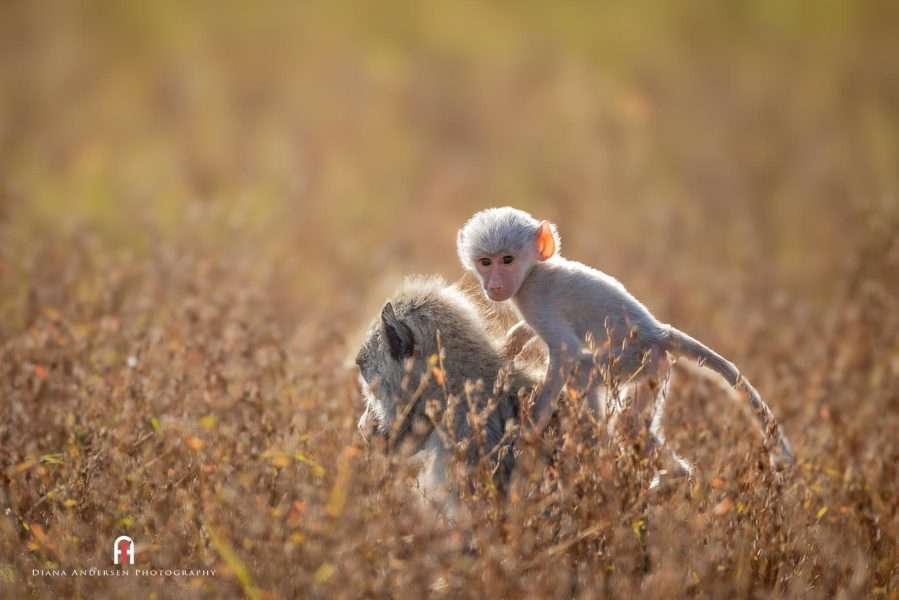
My game drives prove fruitful when it comes to spotting wildlife, including the Thornicroft’s giraffes and other plains game such as puku, impala, waterbuck and Crawshay’s zebras (a subspecies of plains zebra). As we approached a troop of yellow baboons, my guide spotted a mother with a nearly white baby. These rare babies occur in this area and are believed to result from a leucism gene rather than albinism, as they have dark eyes and their fur darkens to a normal colour within a few months. During this vulnerable stage, they are at risk of attacks from birds of prey, so their mothers become highly protective; I was fortunate to capture a moment when the baby climbed onto its mother’s back.
Morning tea in the bush gives you a chance to stretch your legs and enjoy the sights and sounds of the Zambian bush before heading slowly back to the lodge for a delicious brunch and a period of rest. The wild dogs and other predators proved elusive on my drives, even though they were nearby. When we returned from our morning drive, we found they had killed a puku right in front of the lodge while we were away, but that is often how safari experiences go. Despite the high density of game in the area, there are no guarantees of sightings!
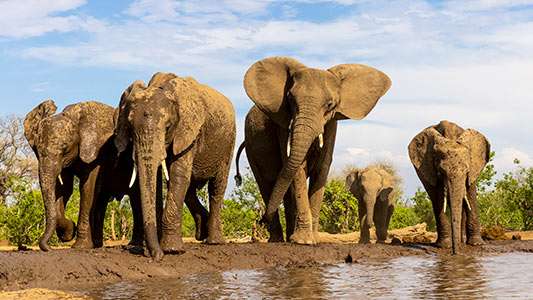
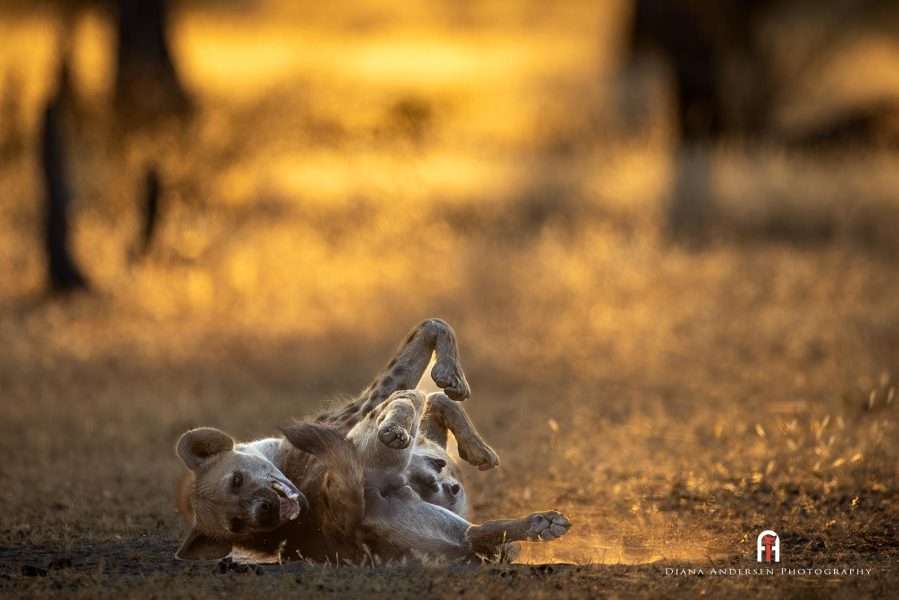
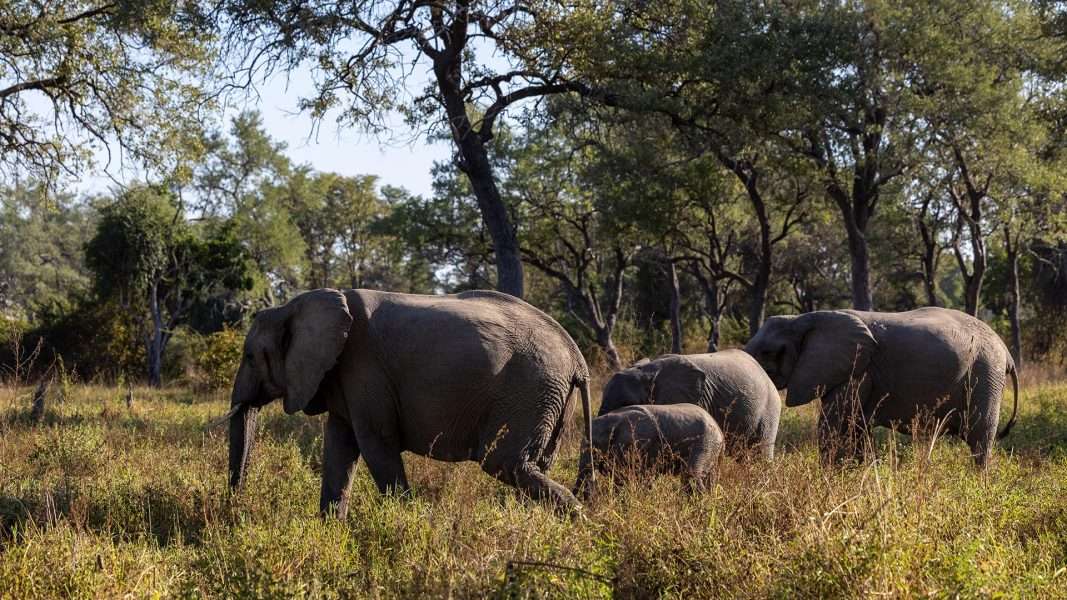
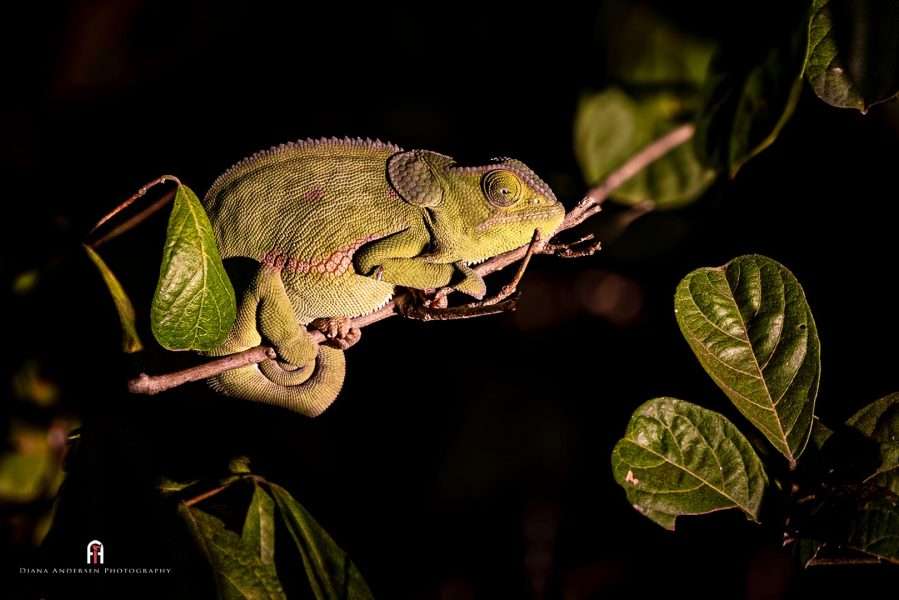
During the emerald season, you can see larger animals in significant numbers, including elephants, Nile crocodiles, and, of course, hippos. Estimates suggest around forty hippos per kilometre along the Luangwa River! An afternoon drive includes a traditional safari activity known as the sundowner, where you can watch Zambia’s stunning sunset while enjoying a drink with new friends. This experience also lets you observe South Luangwa’s wildlife at night as you return to camp for dinner under the stars. Our keen-eyed spotter found my first Zambian leopard sighting, as well as white-tailed mongoose, four-toed elephant shrews, nocturnal birds, and even flap-necked chameleons!
Birdlife in South Luangwa
The birdlife in the South Luangwa region later in the year is exceptional, with the arrival of Palearctic migrants from Europe and Asia, as well as intra-African migrants such as carmine bee-eaters. While there are fewer birds in May, the birdlife during my short visit with Kafunta Safaris was excellent.
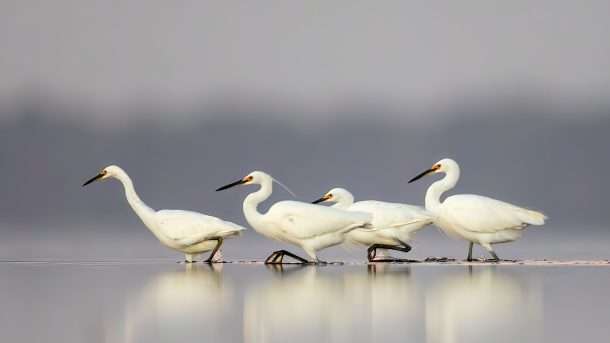
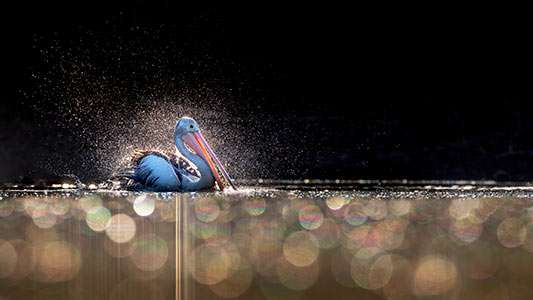
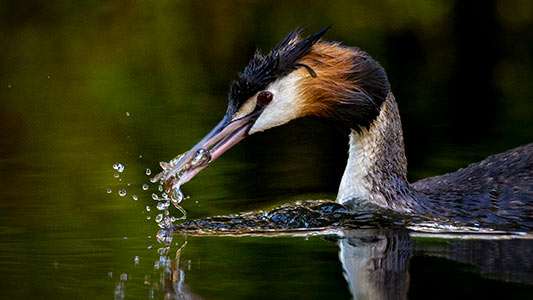
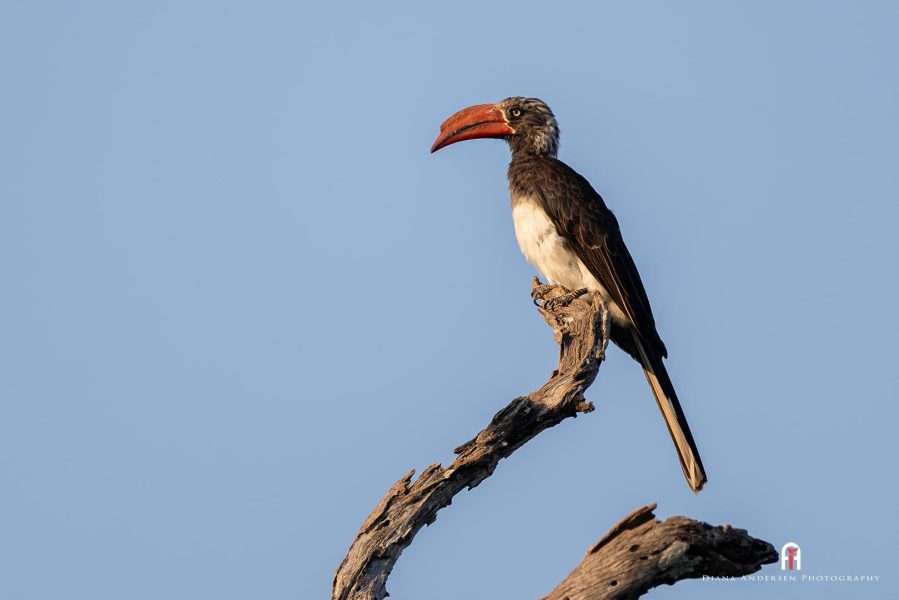
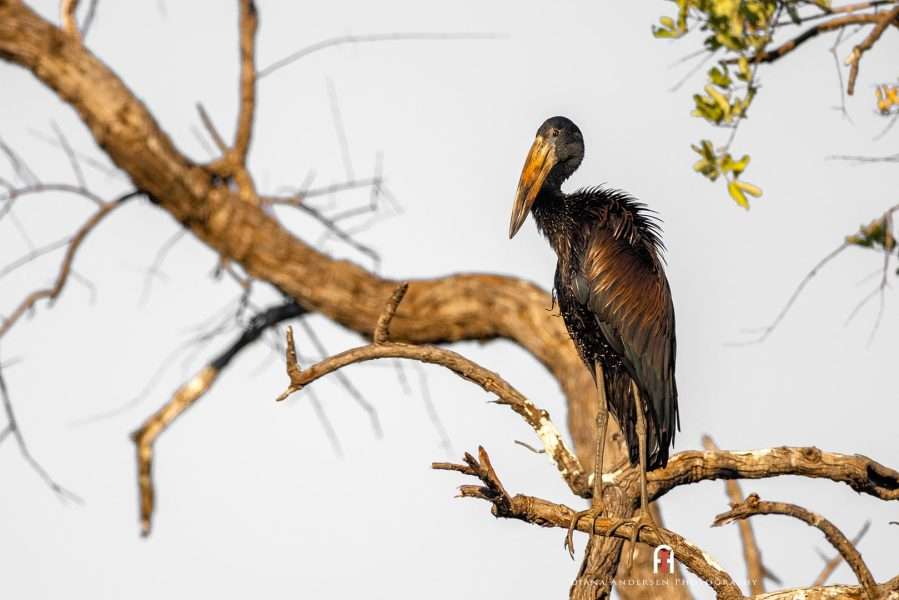
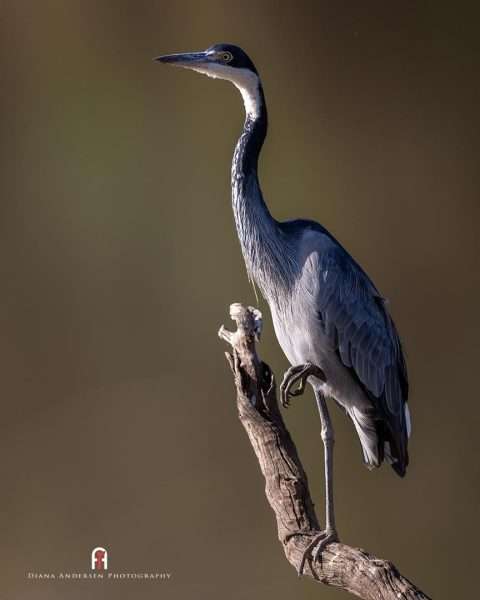
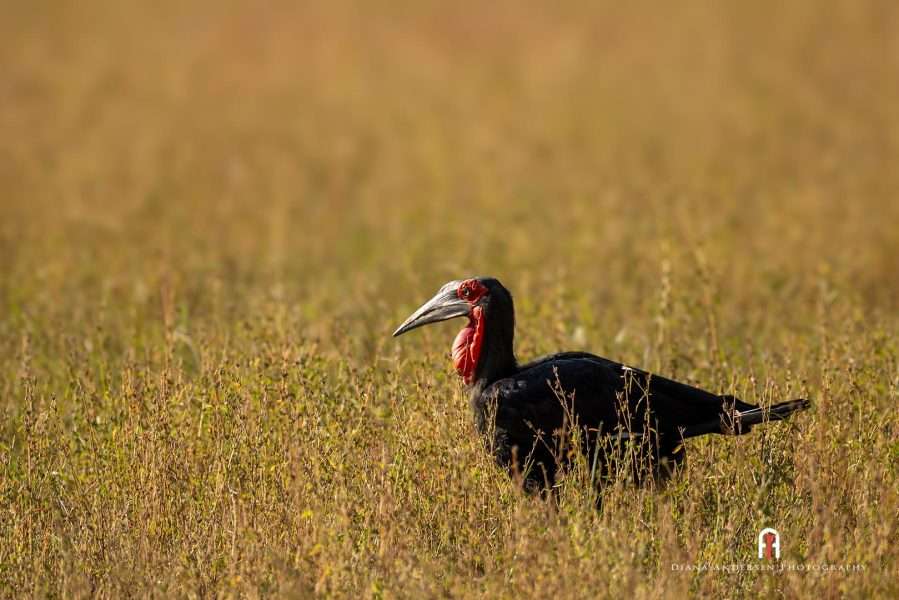
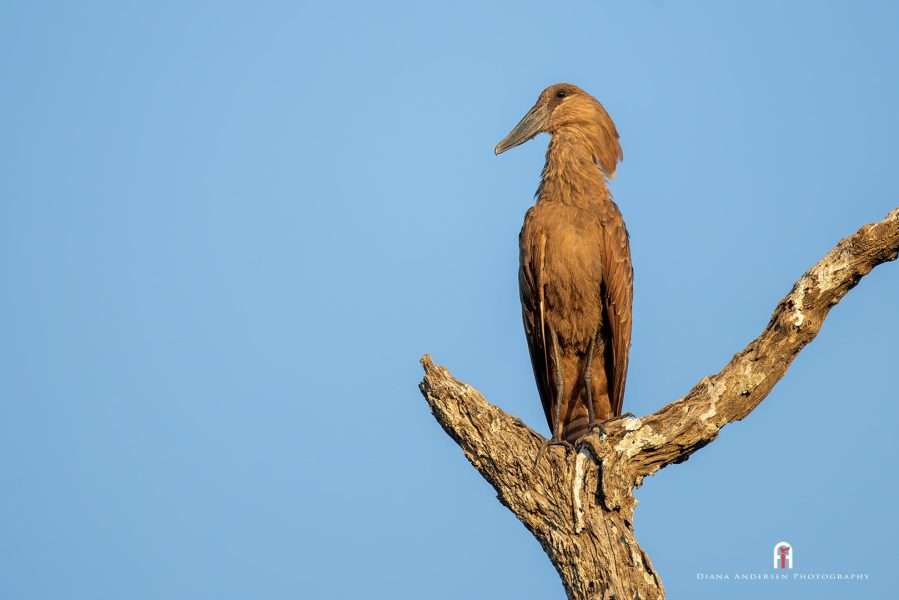
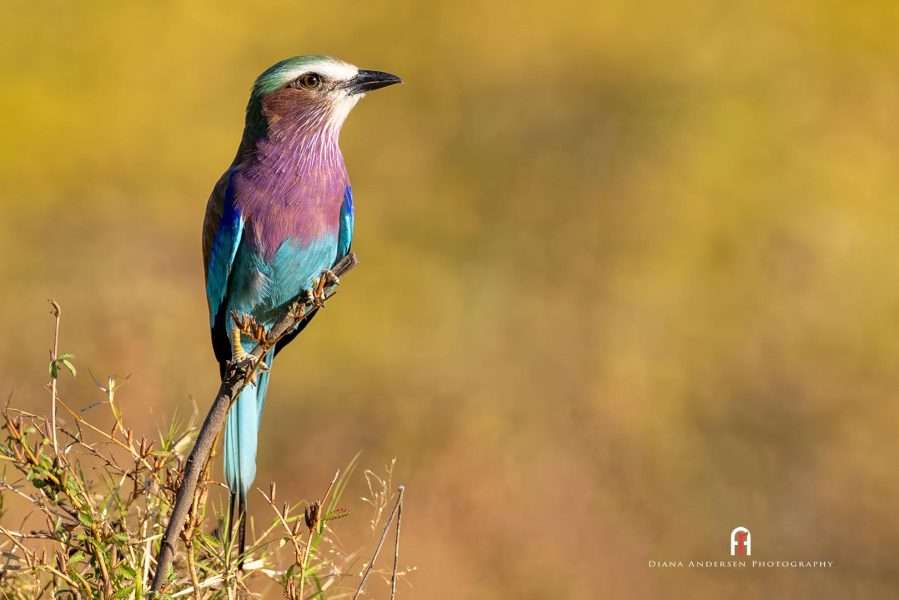
Waterbirds such as egrets, herons and storks are common, drawn to the many lagoons that offer easy meals as they begin to dry out. Several species of hornbills are also present, including crowned and ground hornbills. From the deck of my chalet at Kafunta, I enjoyed watching the birds such as little bee-eaters, fork-tailed drongos and white-crested helmetshrikes hunting for insects. The unmistakable call of the African fish eagle is a constant reminder of the nearby river.
Kafunta River Lodge Features
Kafunta River Lodge features eight stylish, comfortable chalets, each with an ensuite bathroom. These chalets sit on elevated platforms with decks that offer floodplain views, allowing guests to enjoy wildlife in the privacy of their suites. Two spacious luxury suites also include a mezzanine level with extra daybeds and an open balcony.
Kafunta also offers the Sunset House for families and small, intimate groups. This beautifully appointed home features three ensuite bedrooms and can accommodate up to nine guests. When you book a stay at the Sunset House, you’ll enjoy a private chef and butler, private game drives, and exclusive access to your own pool, deck, and dining area. You can also create a flexible itinerary to suit your preferences.
Packages at Kafunta are fully inclusive of meals, drinks (local beer, wine and spirits), game activities and transfers to and from Mfuwe Airport.
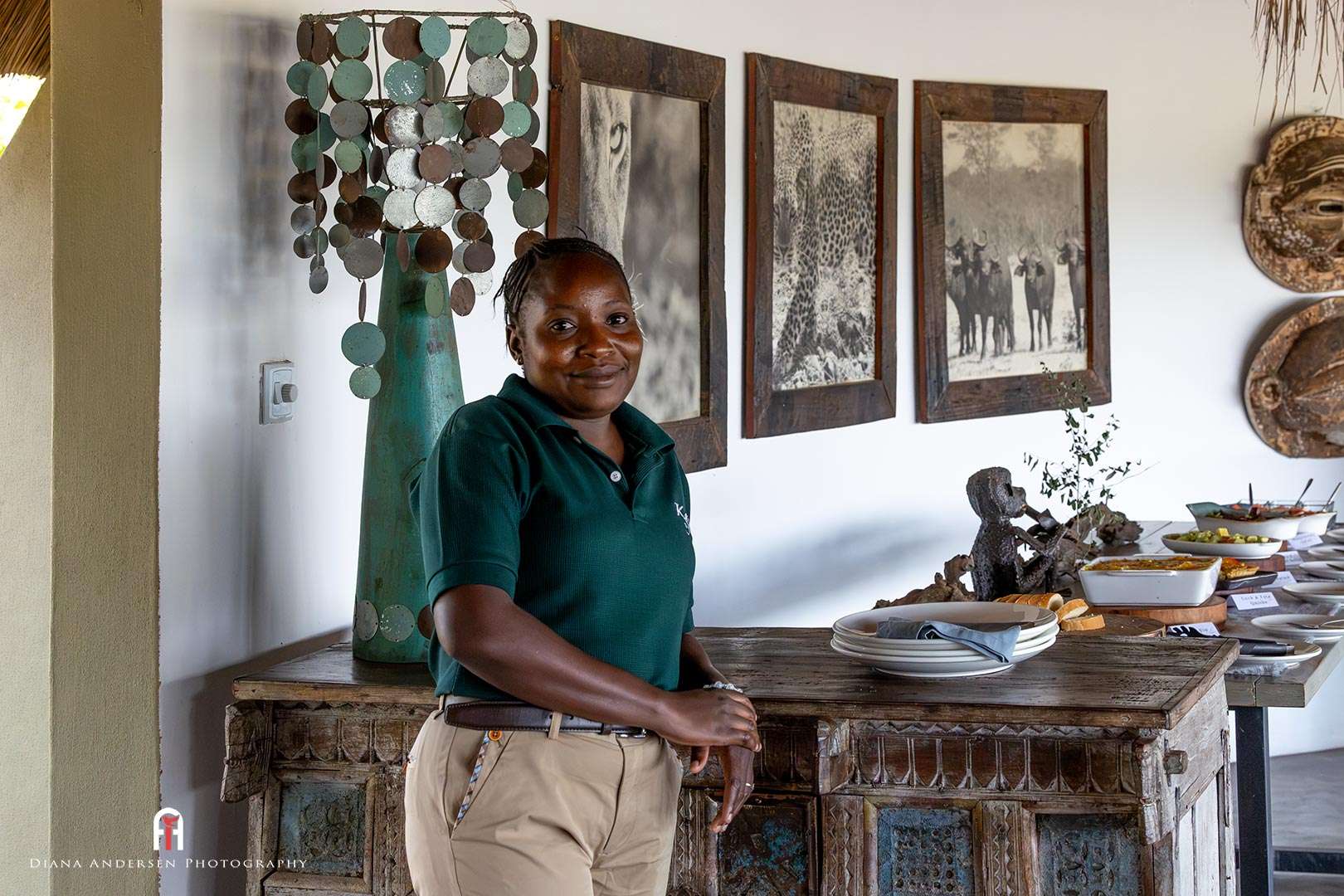
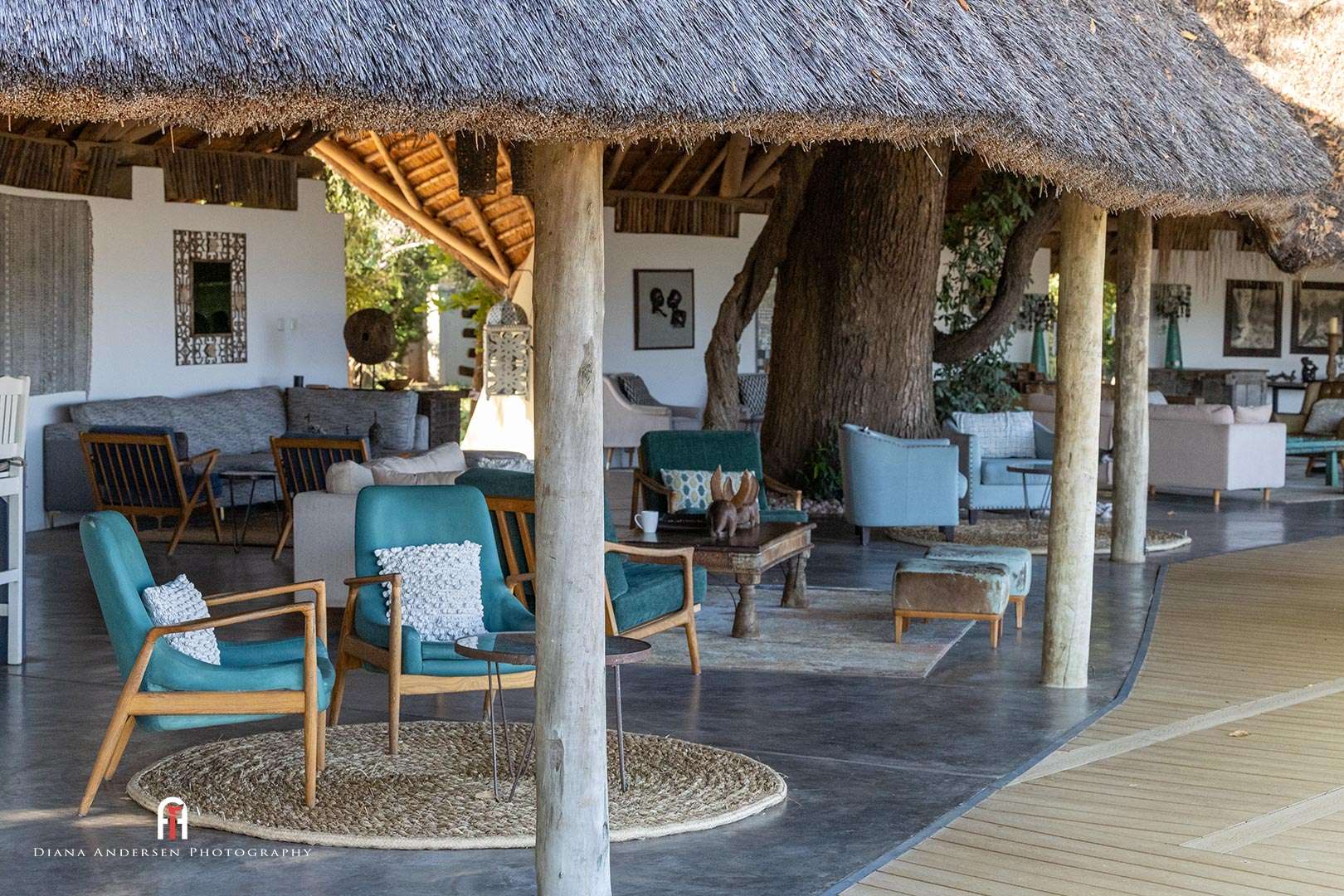
While photography and wildlife encounters are priorities, visiting Africa is about the overall experience for me. The camp atmosphere, game drives, mealtimes, and interactions with camp staff enhance my enjoyment of the location. In this respect, a trip to Zambia’s South Luangwa Valley with Kafunta is sure to be rewarding.
Kafunta Bush Camps
In addition to the main lodge, Kafunta Safaris owns and operates two beautiful bush camps, a couple of hours further south: Three Rivers Camp and Island Bush Camp.
Read more about THREE RIVERS CAMP.
To enquire about a Zambian Safari with Kafunta or joining a photography tour with Diana, fill in the form or email Diana at diana@focuswildlifetravel.com.
ENQUIRE
Share this
Related Reading
Staying Close
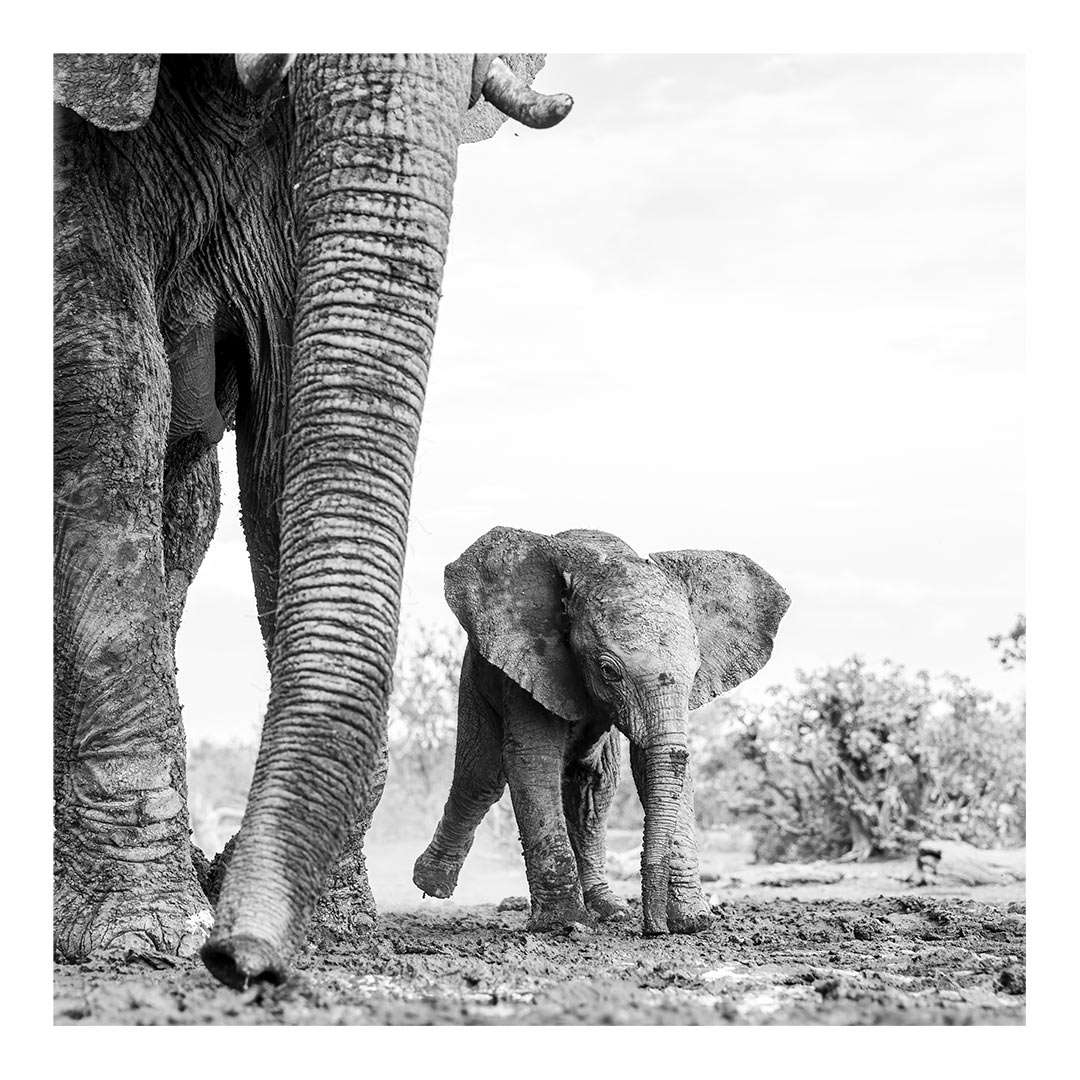
A beautiful black and white limited-edition print by Diana Andersen. For anyone who has witnessed elephants in Africa, this image will take you back to the special place that is Africa.
SHOP WILDLIFE LENS

AMAZON
We are a participant in the Amazon Services LLC Associates Program, an affiliate advertising program designed to provide a means for us to earn fees by linking to Amazon.com and affiliated sites
SHOP WILDLIFE BOOKS