
Creating Images with Visual Impact
Words & Images by Diana Andersen
Over the past decade, advancements in digital camera technology have made wildlife photography much easier and more accessible for enthusiasts. Capturing sharp, well-exposed wildlife images is now less challenging, even when photographing difficult subjects like flying birds. Most people can master the technical skills with some practice and the help of focus tracking and eye detection, a feature of many new cameras.
As a result, wildlife photography has become a saturated genre, with thousands of images being uploaded daily to wildlife photography competitions and social media. Many wildlife photographers, both amateurs and professionals, now face the challenge of making their work stand out in such a competitive field. Capturing award-winning wildlife photos now needs more than technical skill to capture the audience’s imagination.
The Wow Factor
In today’s world filled with countless wildlife images, simply having in focus and correctly exposed photographs isn’t enough to grab the attention of social media users or competition judges. It’s essential to enhance the visual impact of your photography to wow an audience that has become blasé about wildlife photography.
So, how can we achieve this? By focusing on three key areas, we can enhance the visual impact of an image and the story it tells, ultimately increasing its chances of capturing a viewer’s attention. Many people get confused about the concept of storytelling in photography and are not sure what it means. An image’s story can be as simple as establishing a visual connection that evokes an emotional response, capturing the essence of a subject, or sparking the viewer’s imagination. Let’s break it down.
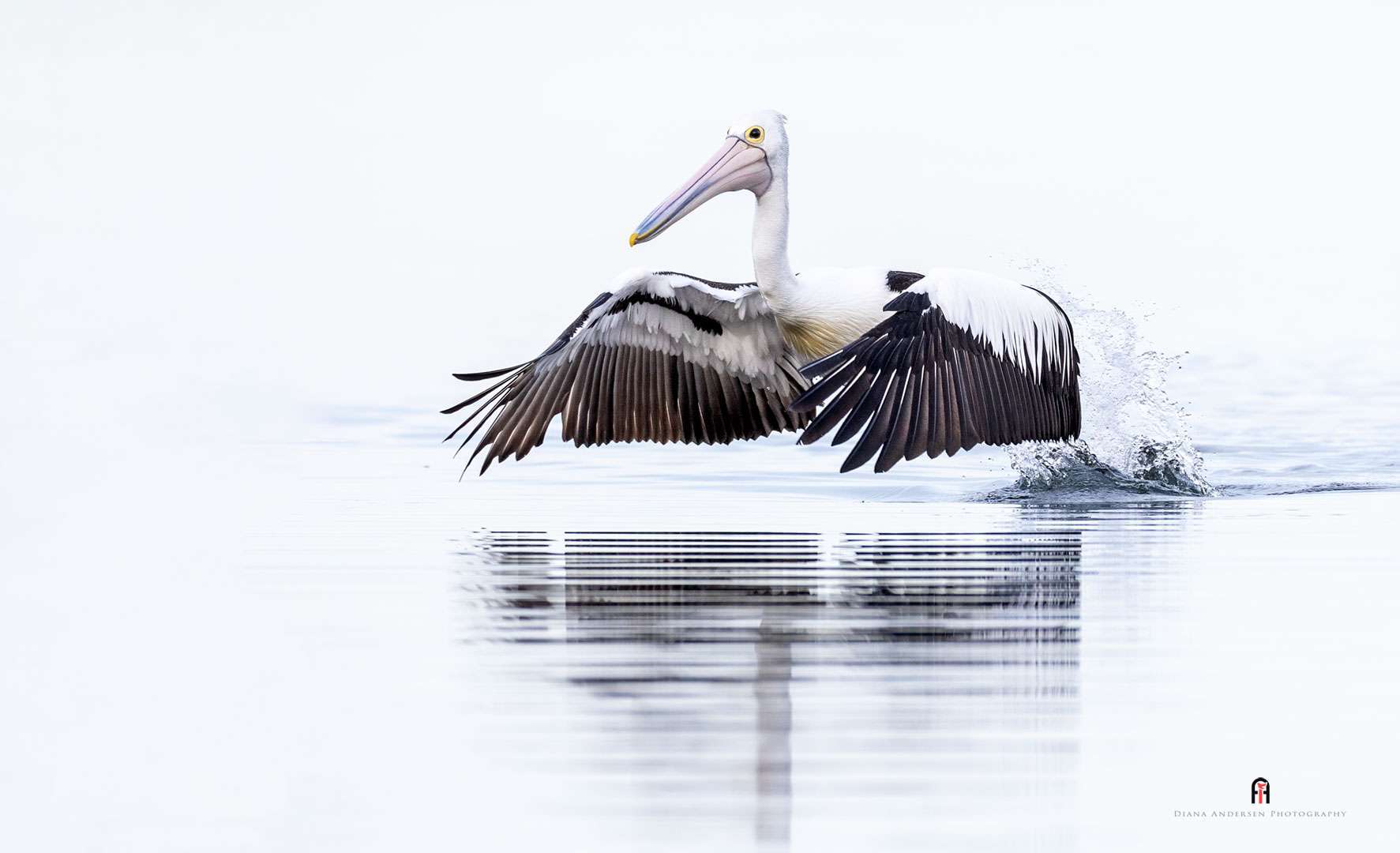
Visual impact is essential to capture the viewer’s attention.

ANIMALINFO PUBLICATIONS
DIANA ANDERSEN
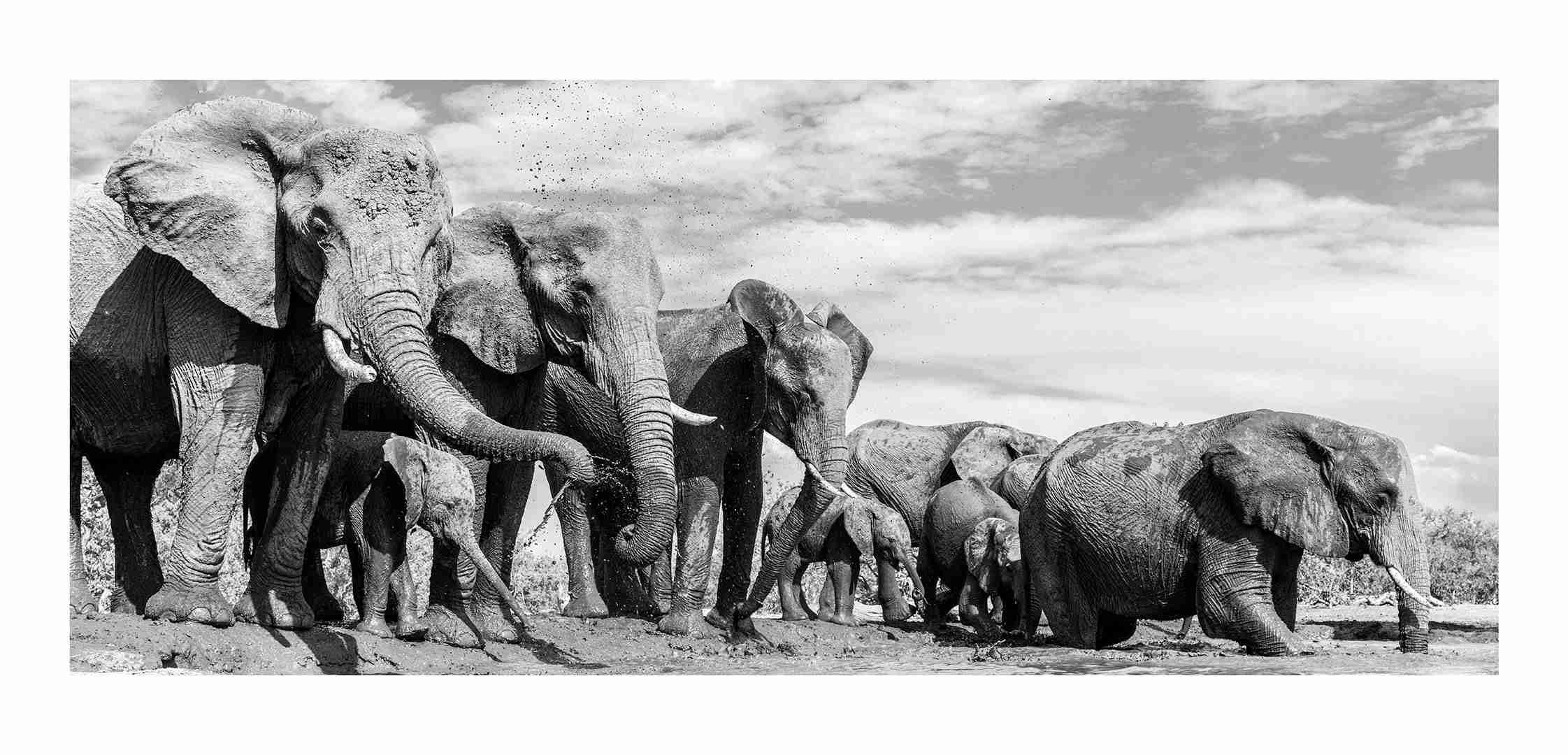
The Waterhole
A beautiful black and white limited-edition print of elephants visiting a waterhole in Botswana by Diana Andersen. SHOP >
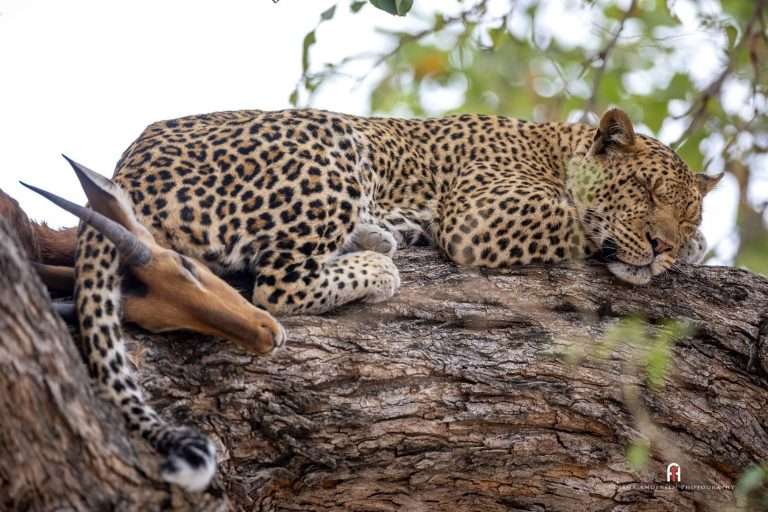
Creating a Visual Connection in Wildlife Photography
When fashion or portrait photographers work with their subjects, they direct them to look at the camera and encourage them to express a range of emotions. The photographer aims to connect the subject and the intended audience, allowing the viewer to feel engaged and involved in that moment.
The same is possible for wildlife photographers, but of course, wildlife doesn’t take direction well! Instead of soliciting their subjects’ reactions, photographers must prepare to capture those fleeting moments when a connection occurs. It’s important to note that there is a difference between an animal simply facing the camera and one making direct eye contact with the photographer. Capturing that moment when an animal engages with the photographer allows the audience to share in that experience, achieving a similar goal to that of a fashion photographer.
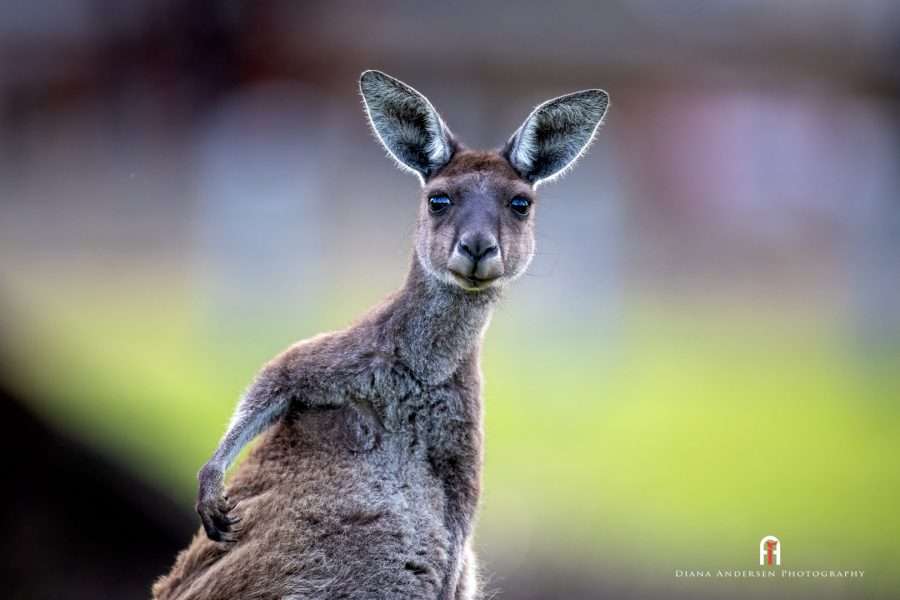
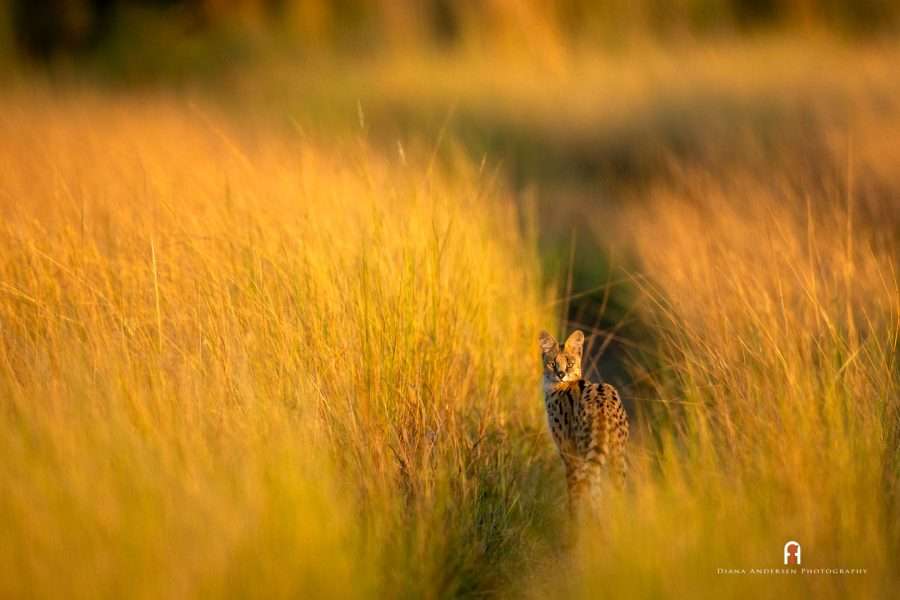
Something else happens when you achieve this connection. The audience pauses to consider the subject and, in doing so, it becomes an individual-a living, breathing animal with a life that matters. For photographers working in conservation, this ability to evoke empathy for a species is an invaluable tool.
This ability of an image to spark curiosity about the lives of animals encourages viewers to learn more. However, many photographers rely solely on the allure of popular and beautiful species to capture attention instead of embracing the challenge of creating striking images regardless of the subject. There is a fundamental difference between photographing a beautiful animal and capturing a stunning photograph of any animal, regardless of species. Mastering the latter will ensure that your images stand out, no matter the subject, and can effectively tell the story of species that need our help.
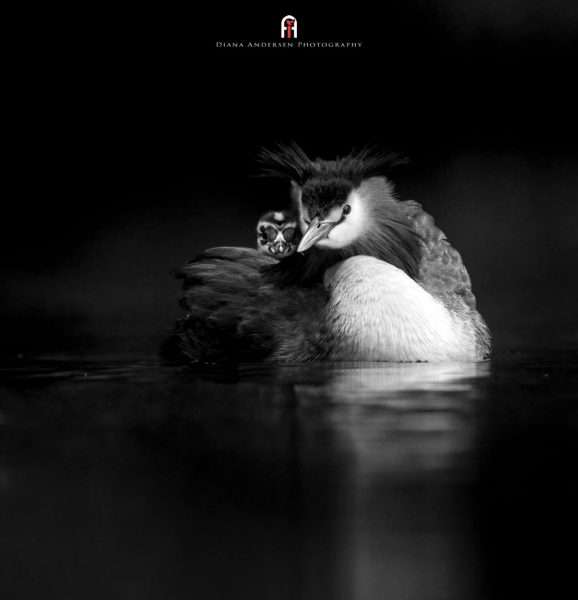
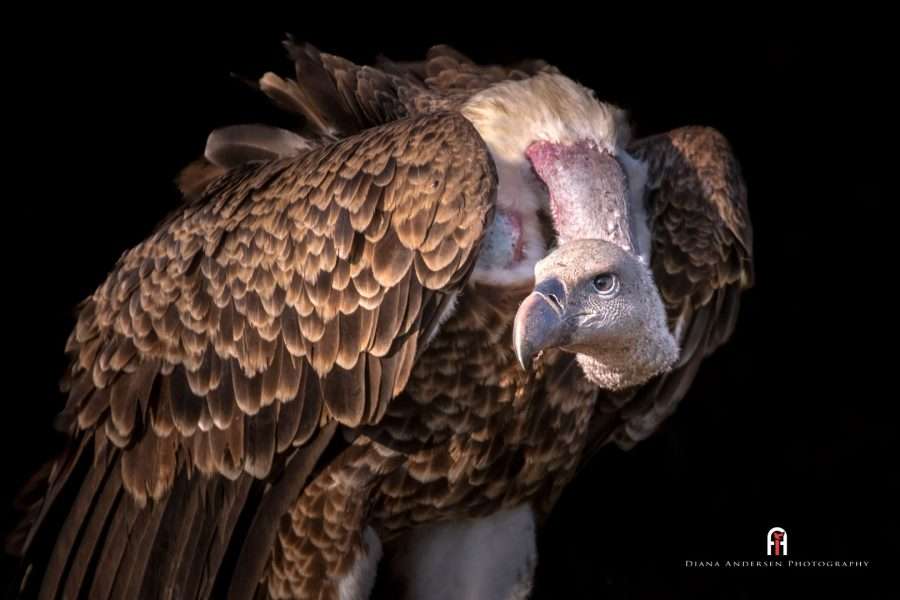
There is a difference between photographing a beautiful animal and capturing a stunning photograph of any animal.
Thinking Creatively to Achieve Award-winning Wildlife Photos
Audience fatigue is another problem facing wildlife photographers. With so many images on the internet, people have seen it all before, so many pictures of the same animals taken in a similar way. It’s one of the reasons that AI wildlife images attract so much interest on social media. People seem to be unaware or unconcerned that the pictures are not real. They are new and different, and that appeals to them. So, how do you wow an audience that has seen it all before?
The answer is to get more creative with your photography. By that, I don’t mean how you edit your images, as there is very little post-processing allowed in wildlife photography competitions. Whenever possible, aim to get it right in camera. If you feel that this is not achievable because you’re not artistic, let me reassure you: you don’t need to be. However, you need to understand how your camera and lens capture and render an image.
Our cameras and lenses are tools designed to focus light onto a sensor and convert it into an image. While they all essentially do the same thing, different lenses and camera combinations render images a little differently. However, on their own, none of them create award-winning photos. It’s how we use them that makes the difference. Understanding your equipment enables you to make more informed and creative decisions regarding your settings. How you position yourself and manipulate your settings can lead to dramatically different images of the same subject.
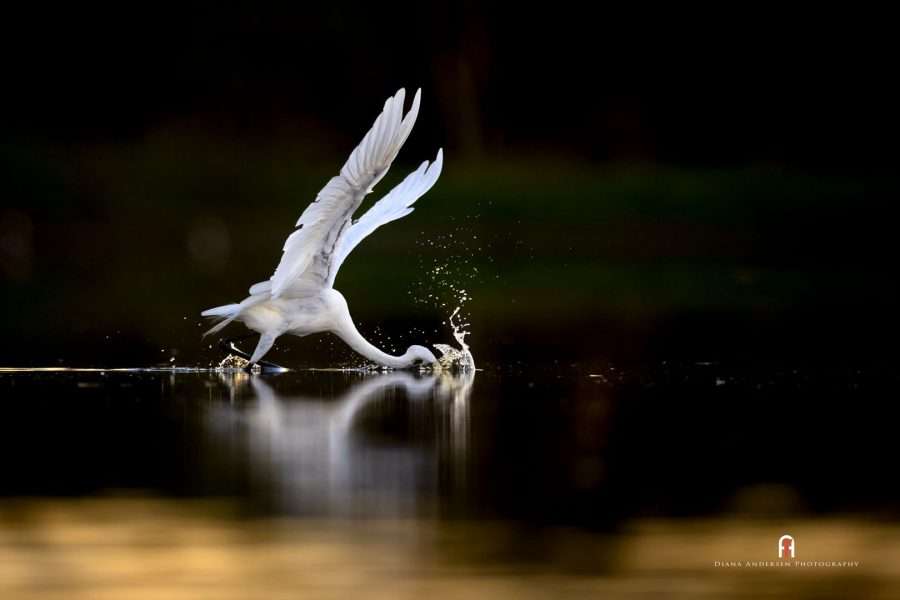
For example, the first shot of this great egret below, taken from the direction of the light, resulted in a plain and ordinary photo. However, by adjusting my shooting position relative to the subject and the light and intentionally underexposing the image to darken the background and prevent the highlights from being overexposed, I was able to capture a significantly different image of the same subject just a few minutes later.
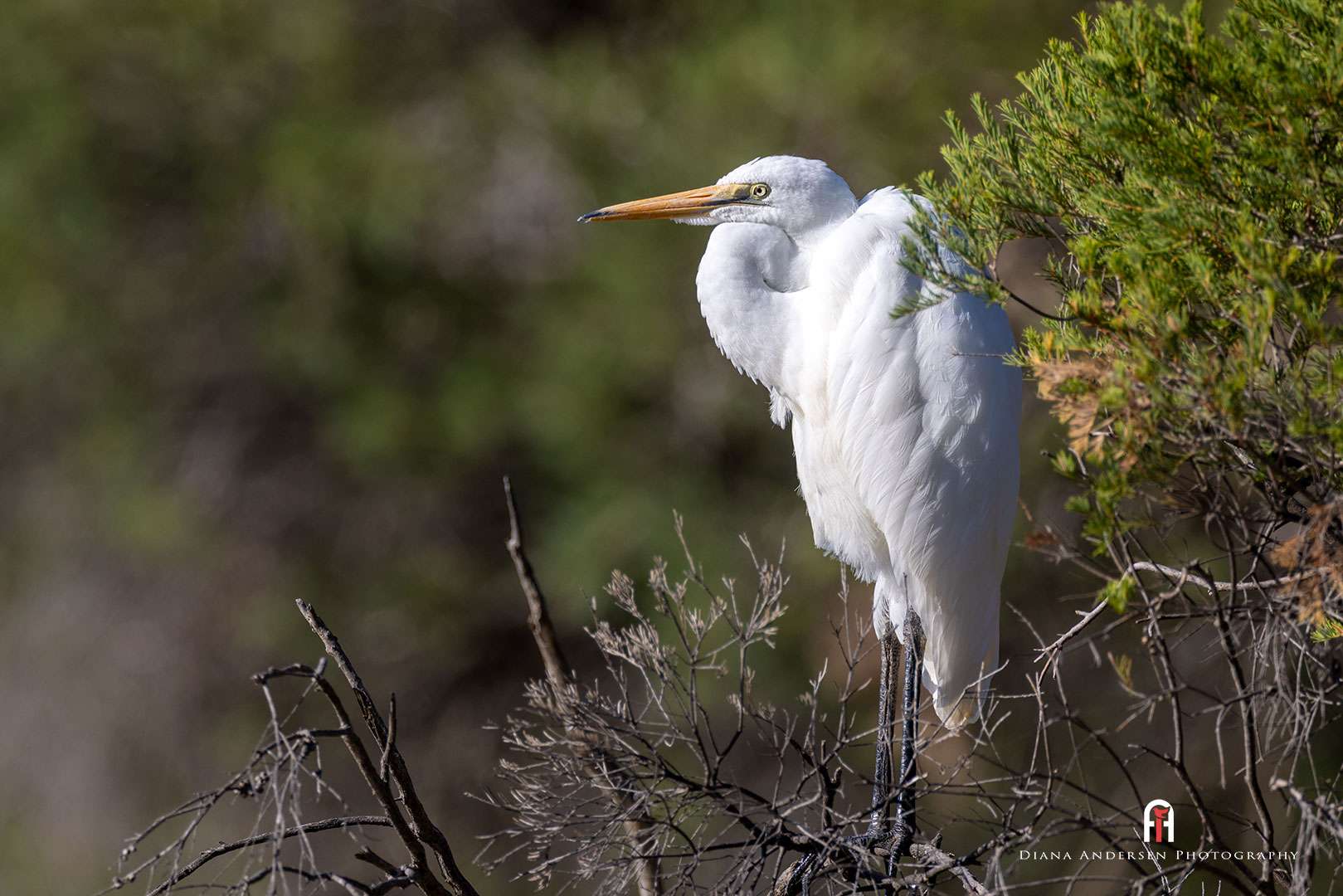
A Great Egret taken with the light falling on the subject, resulting in an ordinary image.
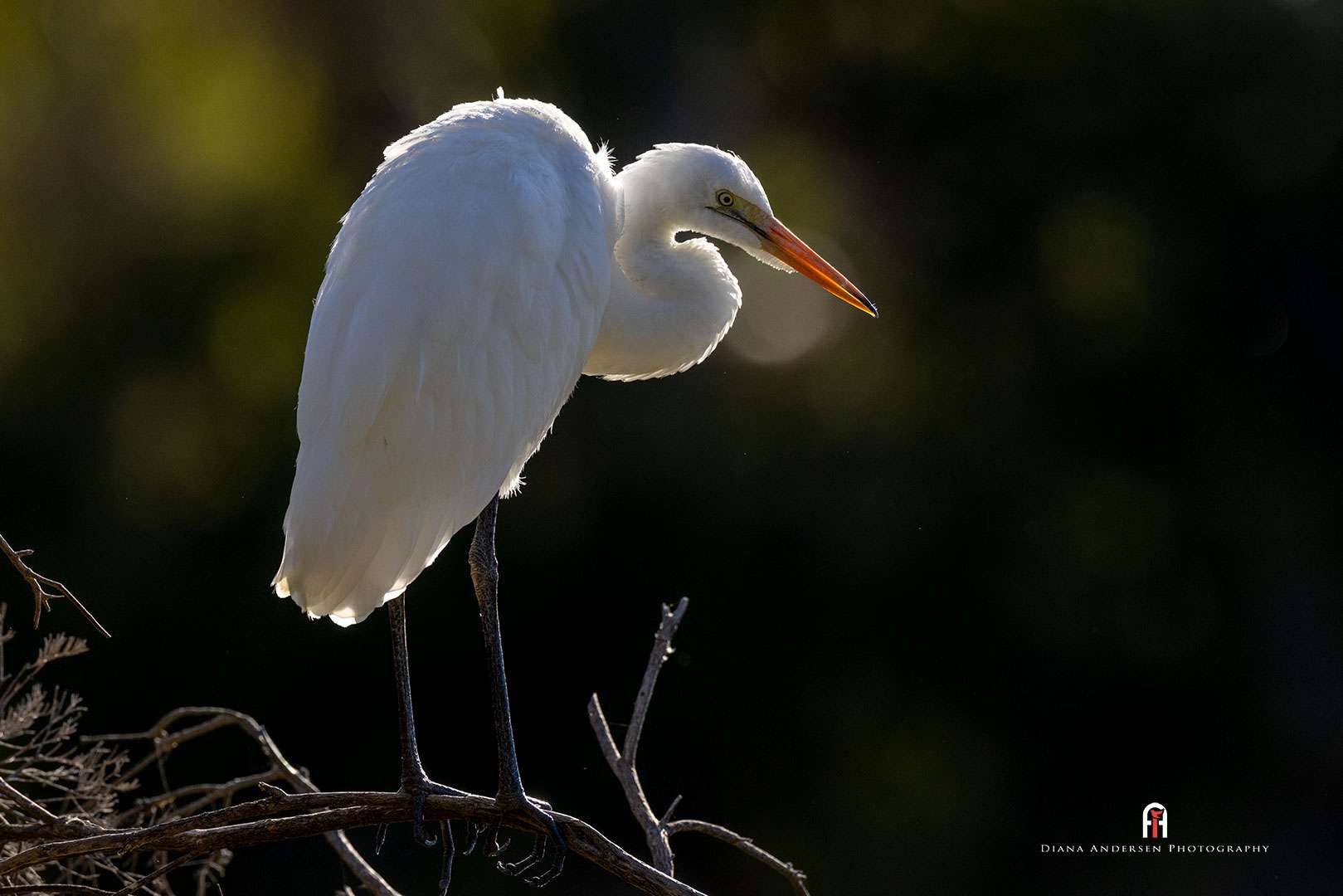
The same Egret taken a few minutes later from a different angle with different settings.
Capturing the Essence of Your Subject
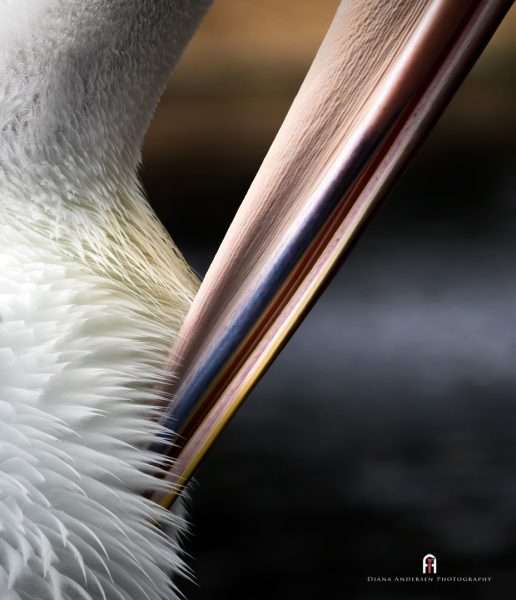
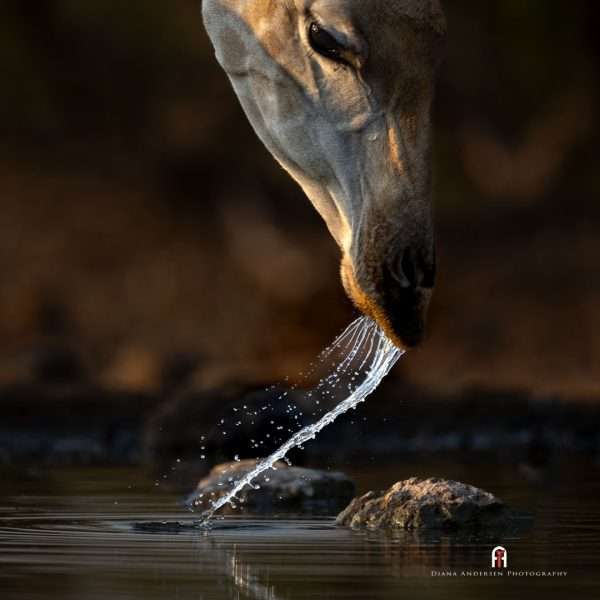
Before you start shooting, consider your subject’s defining features—what makes it beautiful or unique—and think about how best to showcase these features through your choice of settings, shooting position, and framing. Doing this can help you create images that capture the essence of your subject in a less literal and more creative way that your audience may not have encountered before.
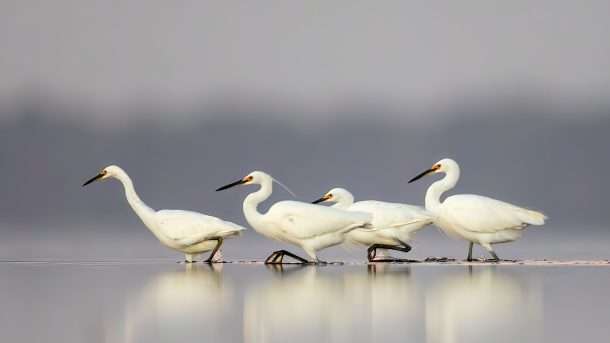
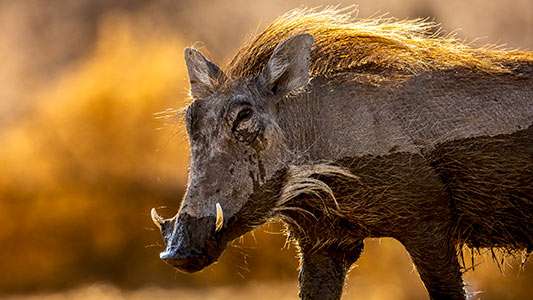
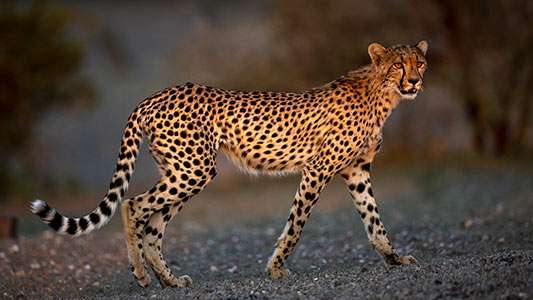
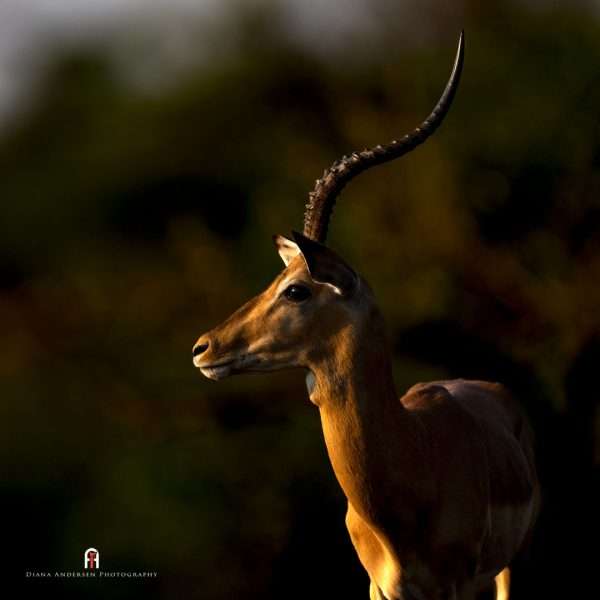
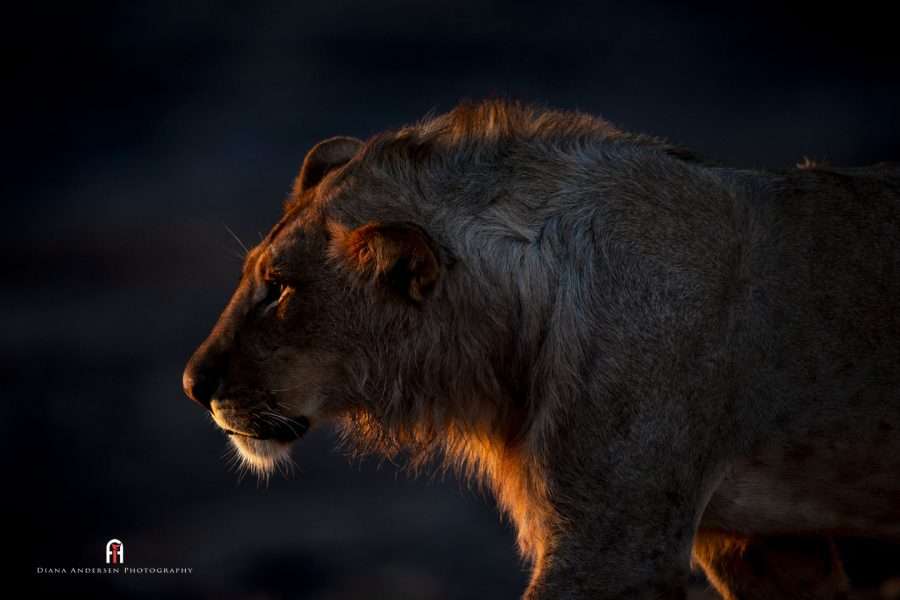
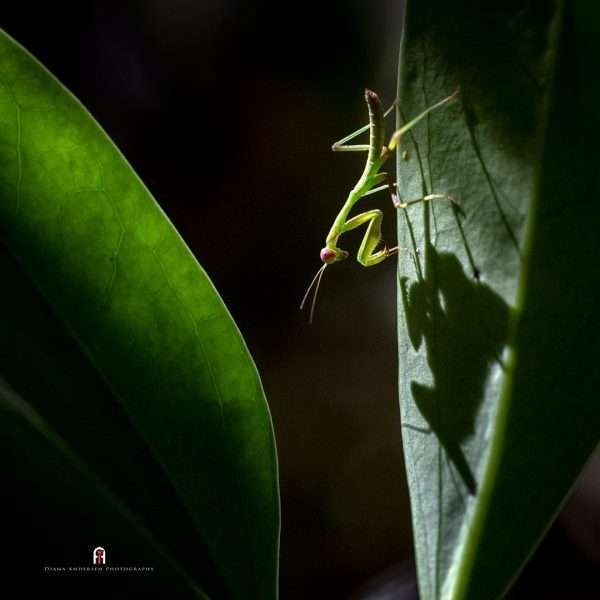
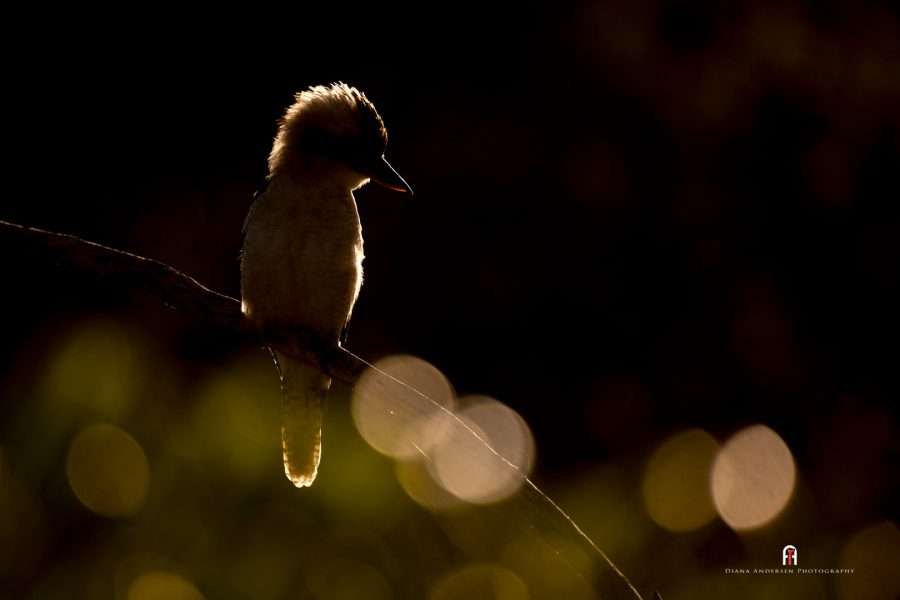
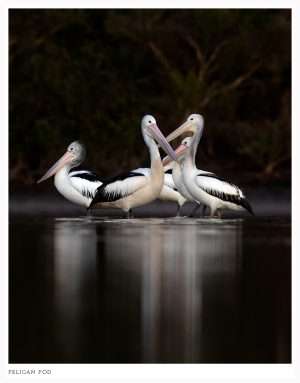
Instead of always approaching the subject with the light behind you, consider exploring backlight to create a more captivating photo. Backlight, including silhouettes and rim light, is excellent for describing shape and texture in a minimalistic way. Sidelight creates stronger sculptural shadows that can enhance the shape of your subject, adding depth and dimension.
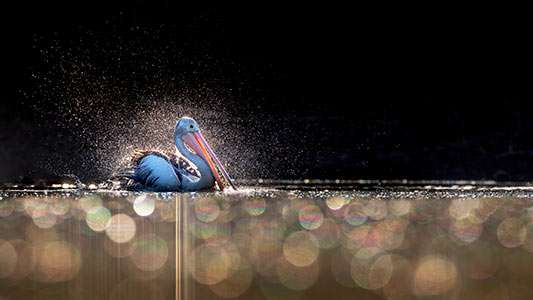
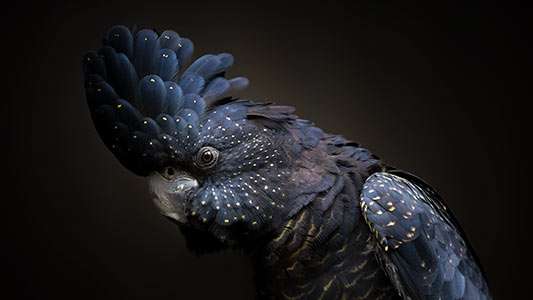
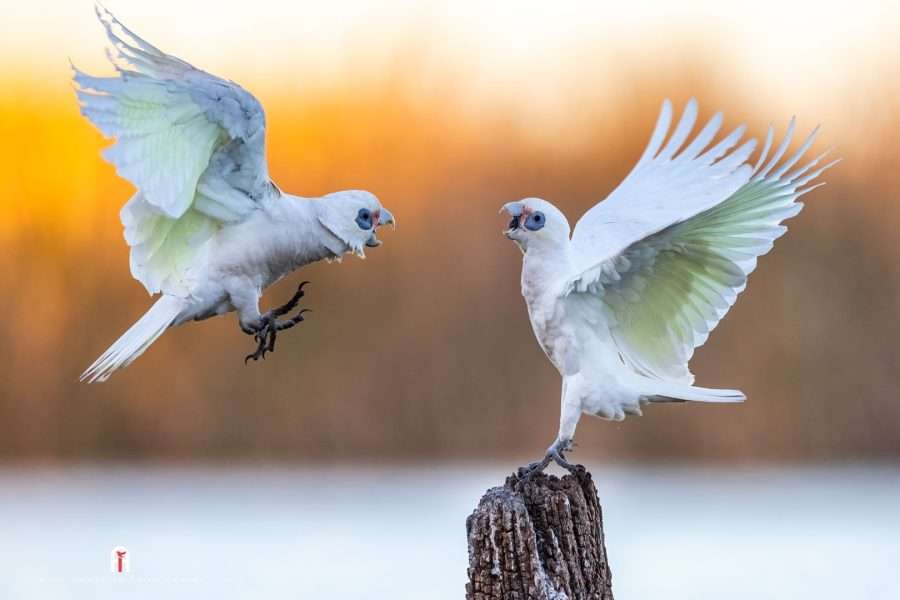
If you are close to your subject, consider using your long lens to capture details and textures that your audience may not have noticed before. Understanding how to use bokeh—the way your lens renders blur and points of light in the background—can add interest to your image and help isolate your subject from clutter behind or in the foreground.
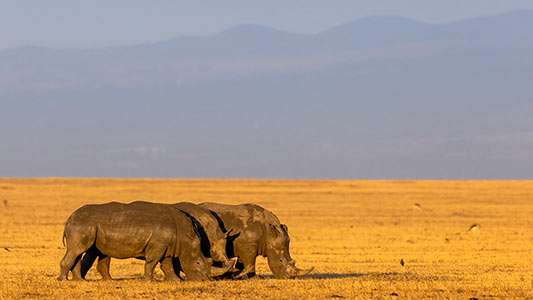
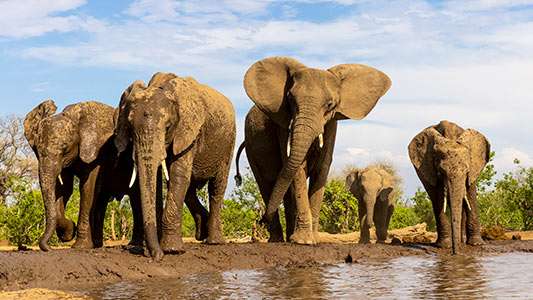
We don’t always come across wildlife during the golden hour. However, you can still capture unique photographs by mastering exposure techniques, even in less-than-ideal lighting conditions. Grey overcast days with low contrast can create excellent opportunities for high-key images. Conversely, in harsh sunny conditions, you can use the strong shadows to your advantage, and the high contrast and limited colours of hard light situations can produce striking monochrome images.
Capture the Imagination of Your Audience
Great photography can capture our imagination and transport us to exotic locations we often only dream about. Achieving a sense of place and freezing a moment in time can create a connection with judges or people scrolling through social media, making them wish they had been with you to share the experience. However, many amateur photographers mistakenly believe that a stunning location with extraordinary wildlife will automatically improve their work. Such settings can indeed make it easier to receive a “wow,” “like,” or “love” reaction. However, a strong photograph ultimately relies on the photographer’s skill and creativity, not just the subject or location.
Challenging yourself to explore local wildlife can help you develop essential photography skills more easily. In an area you are familiar with, you can experiment with light, learn how the location best translates into an image, and learn about animal behaviour while honing your camera technique. Often, you will capture your best images close to home. Remember, what is familiar to you may be an exotic location for someone else!
Things to Consider
If you have reached the point where you feel confident enough to enter awards, there are a few things you must do and know before entering.
- Read the TERMS and CONDITIONS – Recently, many awards have emerged that are more focused on generating revenue and acquiring image rights than celebrating talent. It’s disheartening to see entrants charged for giving away the ownership rights to their images. Copyright should always belong to the photographer. It is not unusual for the conditions to grant permission for the images to be used in the media to publicise the award results and promote future awards. However, avoid any competition that includes a clause relinquishing ownership of the images.
- Read the RULES – Most legitimate, serious photography competitions allow minimal editing other than cropping, moderate changes to exposure, white balance, sharpening and noise reduction. No removal or additions of elements are allowed. With the advent of AI, verifying the integrity of images entered in competitions has become essential. Therefore, any shortlisted or awarded images will require the RAW to be submitted for scrutiny to ensure that the rules apply.
- Review your EDITS at 100% – Image files look better small, but a Judge will look at your image at 100% magnification, and so should you. When enlarged, image files will show any faults in your editing, like chromatic aberration, sharpening artefacts, and too much noise reduction.
- Just because you don’t win an award doesn’t mean your image isn’t good. With so many photos submitted, narrowing the selection to just a few is challenging. Judges often have to eliminate images they would be proud to have taken. Not being awarded or shortlisted doesn’t mean they didn’t like your image; it simply means they preferred another image more on that particular day. Try not to be discouraged—keep trying!
Share this
Staying Close
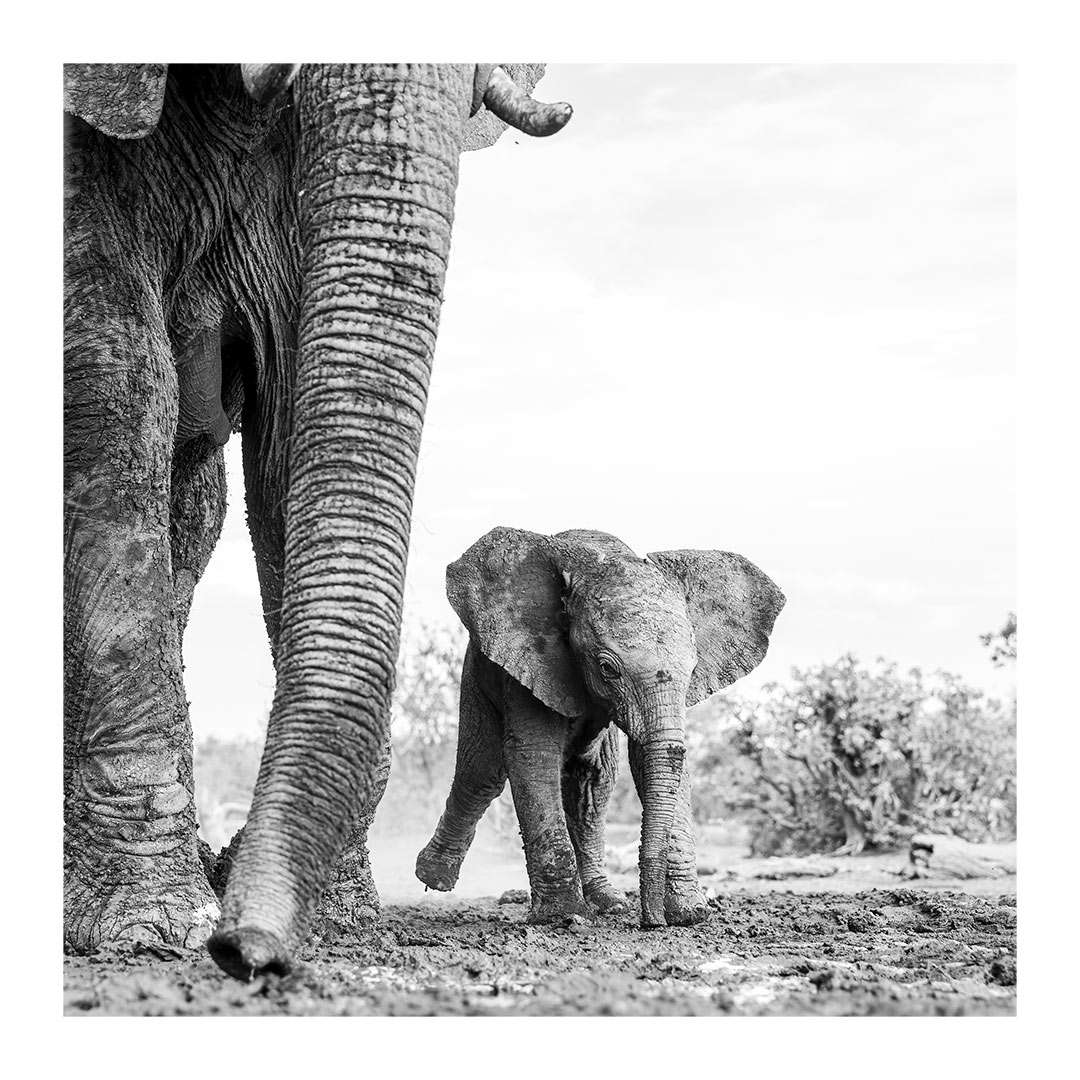
A beautiful black and white limited-edition print of an elephant calf alongside its mother by Diana Andersen. SHOP >
Related Reading
SHOP PHOTOGRAPHY ACCESSORIES
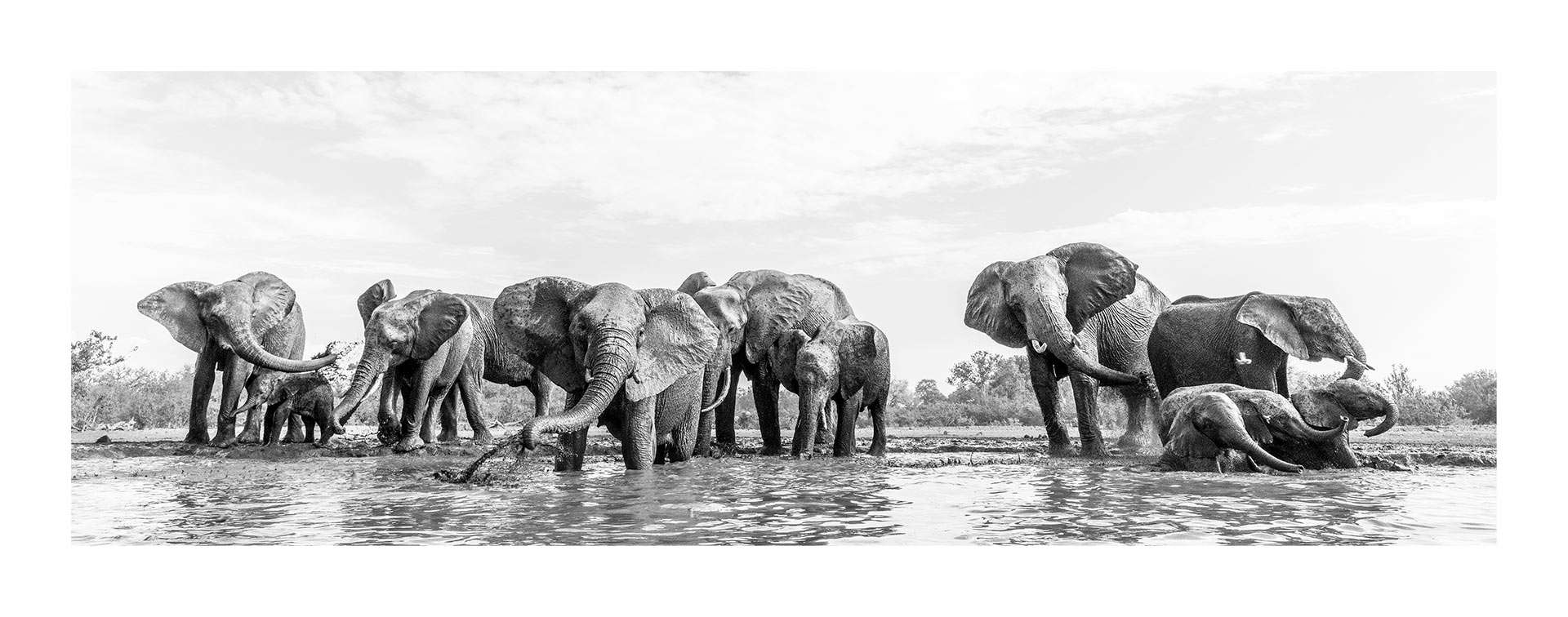
The Herd
A beautiful black and white limited-edition print by Diana Andersen. For anyone who has witnessed elephants in Africa, this image will take you back to the special place that is Africa.
AMAZON
We are a participant in the Amazon Services LLC Associates Program, an affiliate advertising program designed to provide a means for us to earn fees by linking to Amazon.com and affiliated sites
SHOP WILDLIFE CAMERAS & LENSES