
Deciding where to go on safari can be challenging, especially when seeking the best photographic opportunities. While traditional favourites like Kenya, Tanzania, Botswana, and South Africa are popular choices, there are also excellent alternatives such as Namibia, Zambia, and Zimbabwe, among others.
Covering all these options in one article could be overwhelming, so instead, I will focus on a comparison between two of the most popular destinations: Kenya and Botswana. Which one is better for a safari, and which offers the best photo opportunities?
Best Safari Destination, Kenya or Botswana?
Words and images, Diana Andersen
Kenya and Botswana present a diverse array of locations and experiences within each country, making it challenging to decide where to visit in each. The choice ultimately depends on your desired experiences and the specific animals and photographic opportunities you are looking for. Budget is also an essential factor, as Botswana is generally more expensive than Kenya. So, what are the best and worst features of both destinations?
Kenya for Photographers
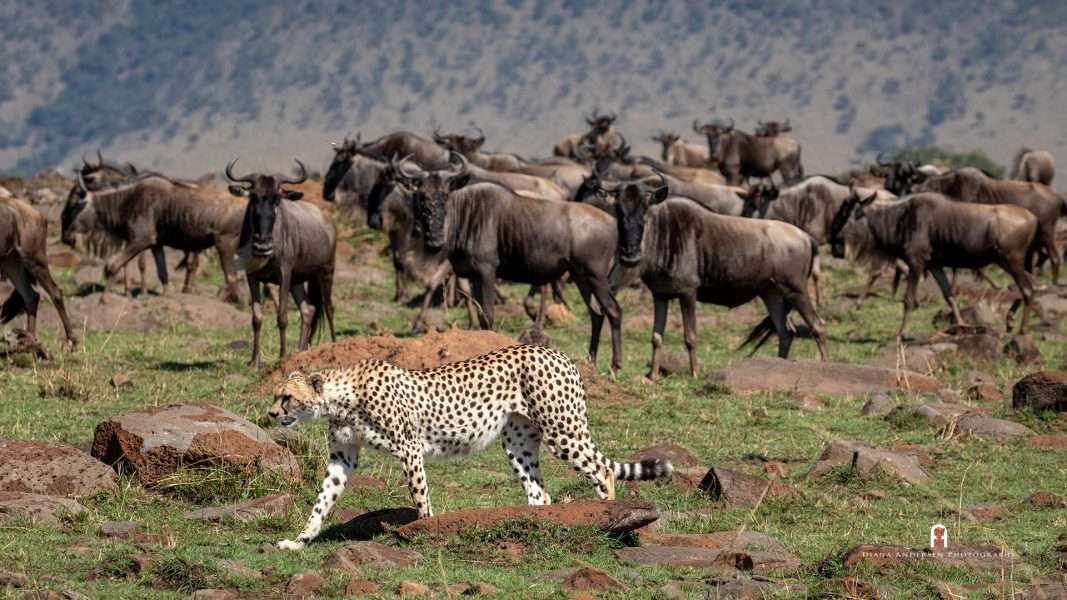
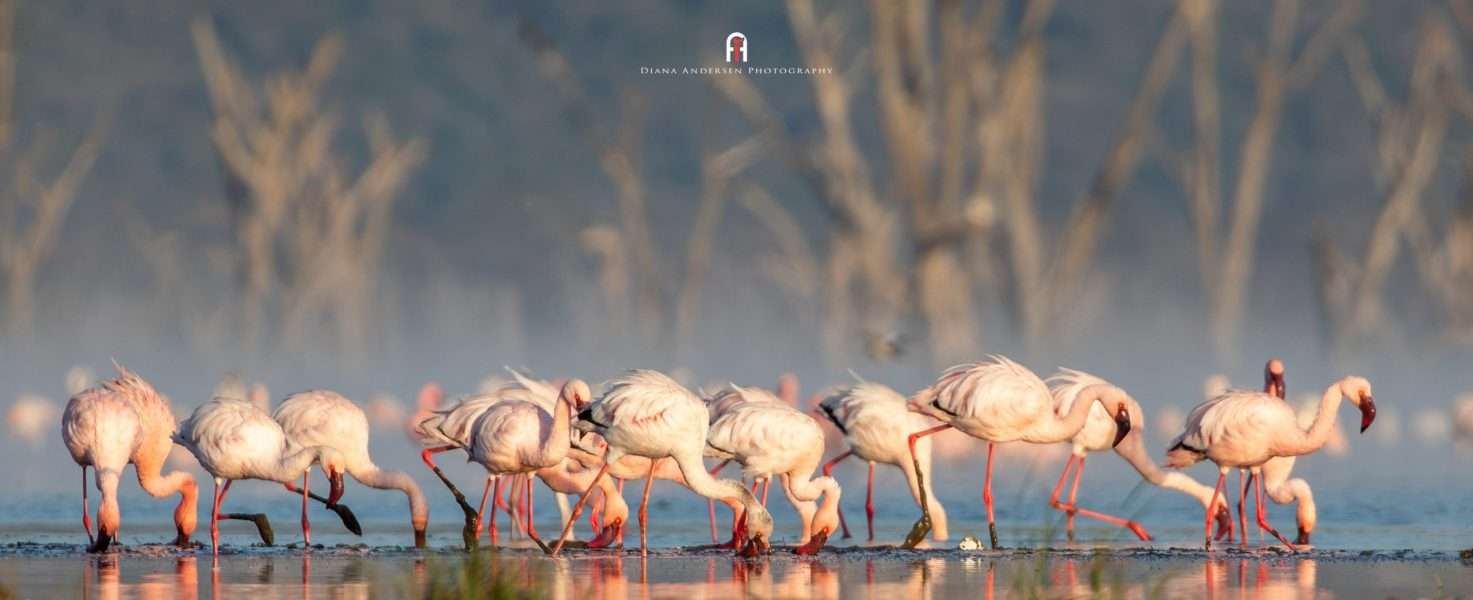
Some of the most iconic images of African wildlife come from Kenya. Many people have seen footage and photographs of the Great Migration, featuring dramatic scenes of wildebeest and zebras crossing rivers filled with predators. Other memorable sights include elephant herds crossing the plains of Amboseli, with Mount Kilimanjaro in the background, and flamingos at the soda lakes of Lake Nakuru and Lake Bogoria.
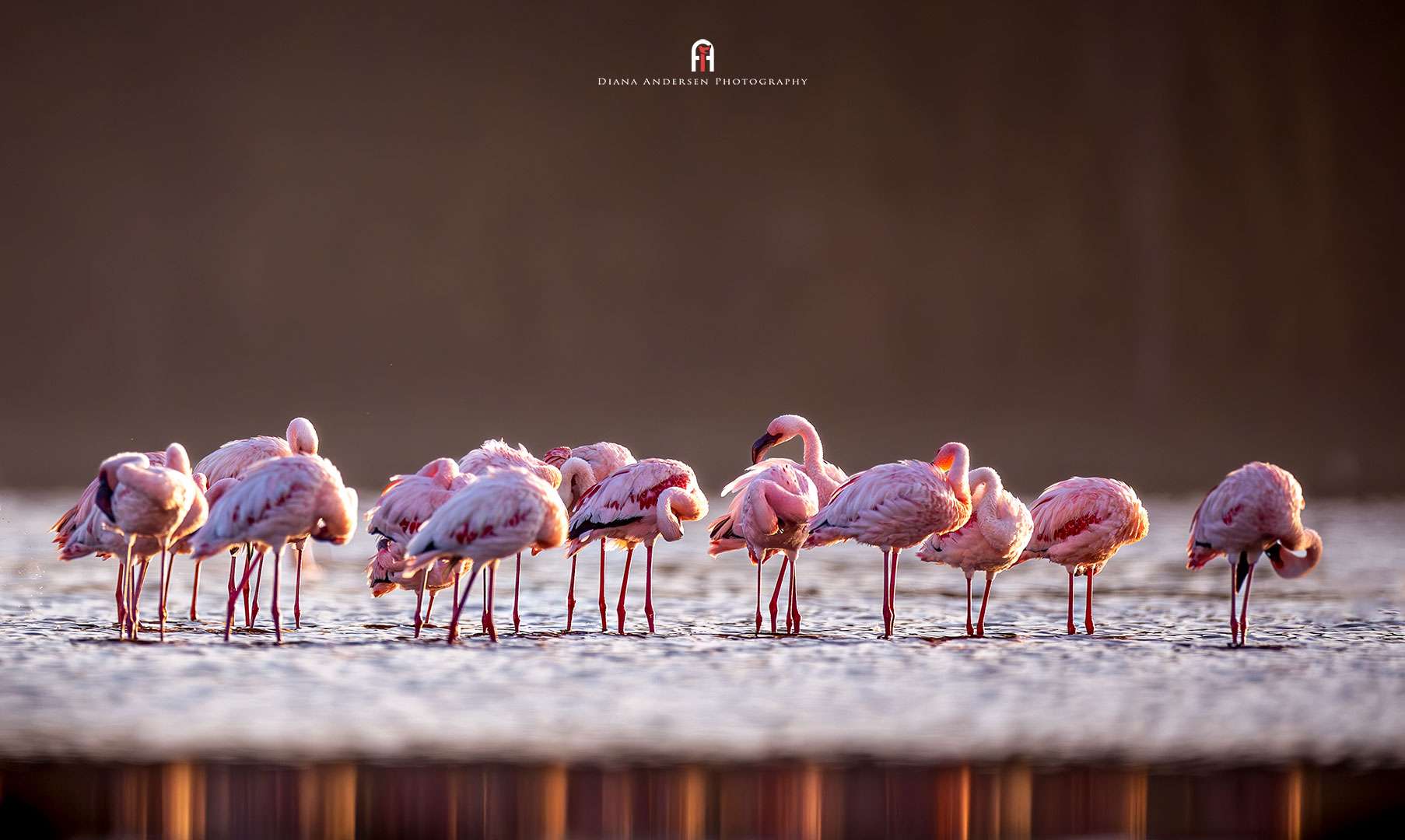
Flamingos at Lake Nakuru, Kenya

ANIMALINFO PUBLICATIONS
DIANA ANDERSEN
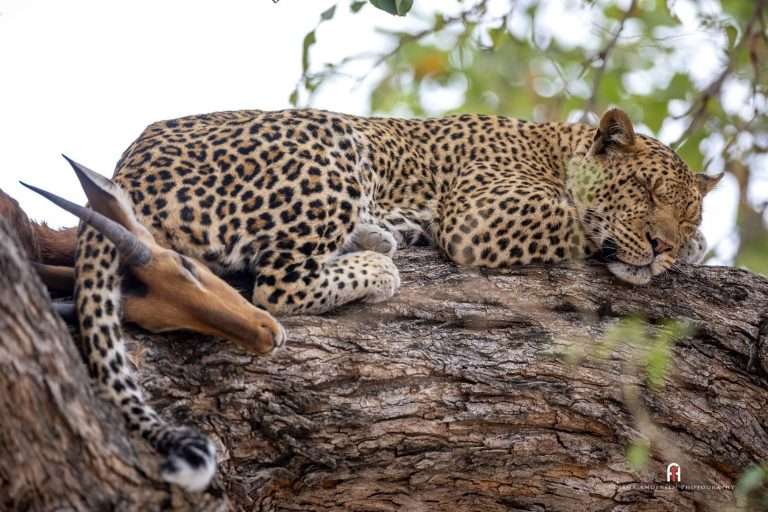
The Great Migration
Each year, the lure of these captivating scenes attracts photographers to Kenya. However, it’s essential to understand that these iconic views may not always be accessible; your experience can vary significantly depending on the time of year you visit. The Great Migration is an annual event where large herds of animals migrate from Tanzania to Kenya between July and October. This period coincides with the dry season, during which the herds feed on grasses that have grown from the rains that occur between mid-March and May.
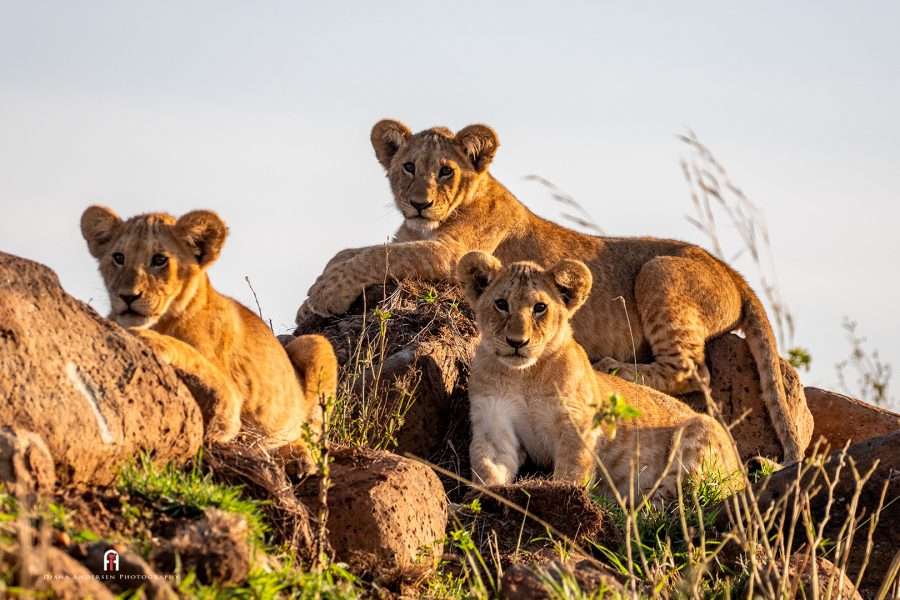
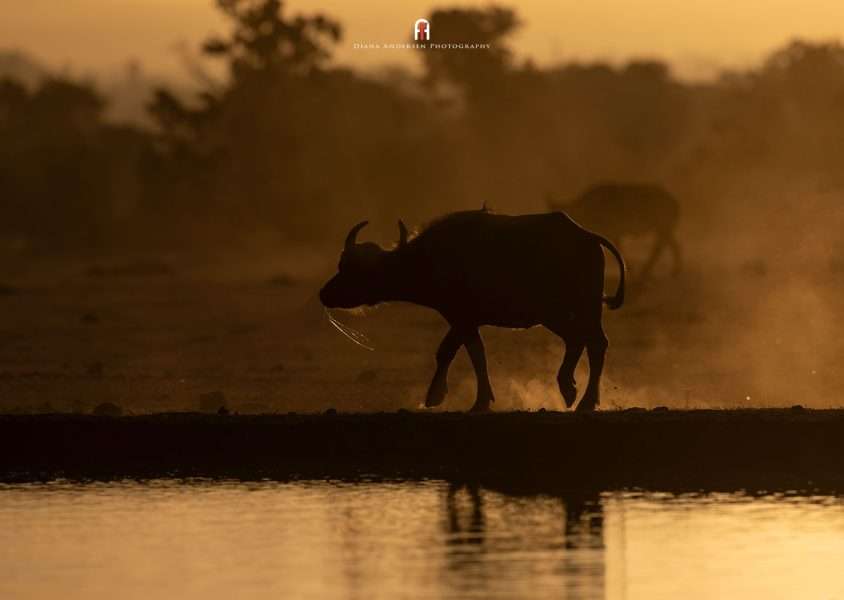
If you visit the Masai Mara National Reserve in Kenya during this time, you will undoubtedly see large herds of wildebeest and zebras, along with other antelope species, cape buffalo, giraffes, and elephants. You should also encounter predators such as lions, cheetahs, hyenas, and occasionally leopards. However, many visitors expect to see a river crossing, but this is by no means guaranteed. It can be a frustrating wait while numbers mass at the river’s edge, fearing the consequences of being the first to enter the crocodile-infested water.
If you are fortunate enough to witness a crossing, your driver will also need skill and luck to secure a good view, as the area can quickly become congested with safari vehicles competing for the best vantage point. This situation can also be uncomfortable to watch as animals struggle to exit the river while vehicles obstruct their escape.
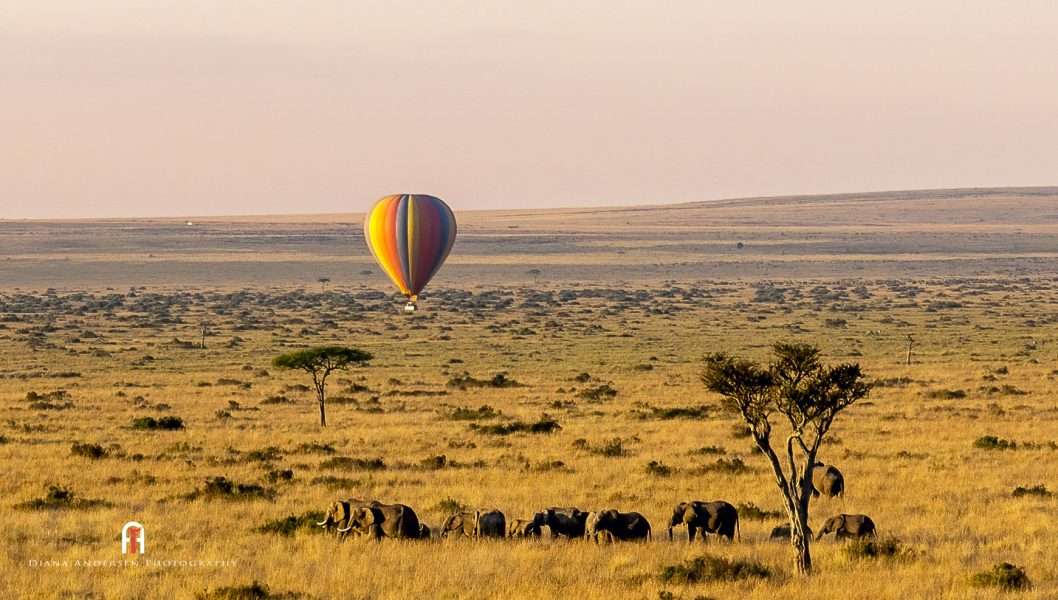
The Mara is a national park, so all vehicles must return to the lodges before dark, and regulations restrict off-roading to minor repositioning for better views. An exception for driving in the dark is early morning hot air balloon departures, an enjoyable but expensive, optional activity in the Mara.
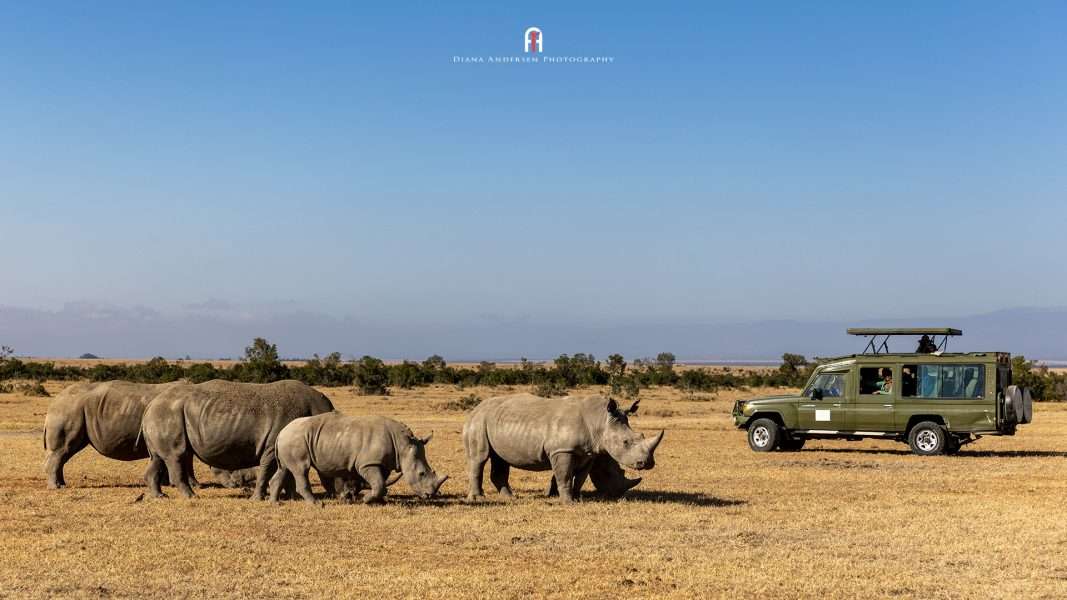
Open vehicles are preferable for viewing and offer much better photographic opportunities. However, many companies in Kenya use enclosed 4×4 vehicles with pop tops. As a photographer, I find these enclosed vehicles too limiting for good photography, so it’s important to ask what type of vehicles the company uses before booking a tour if photography is a priority.
Masai Mara
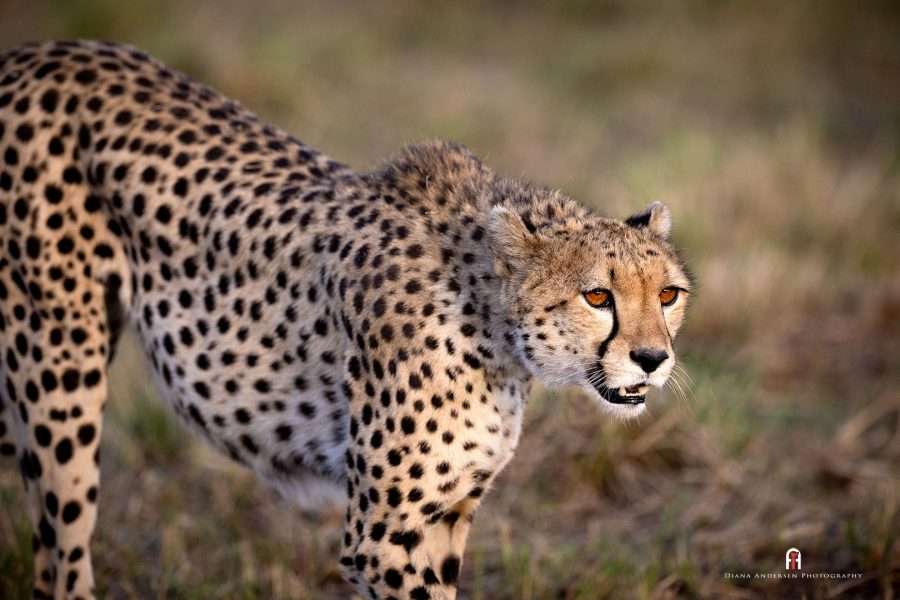
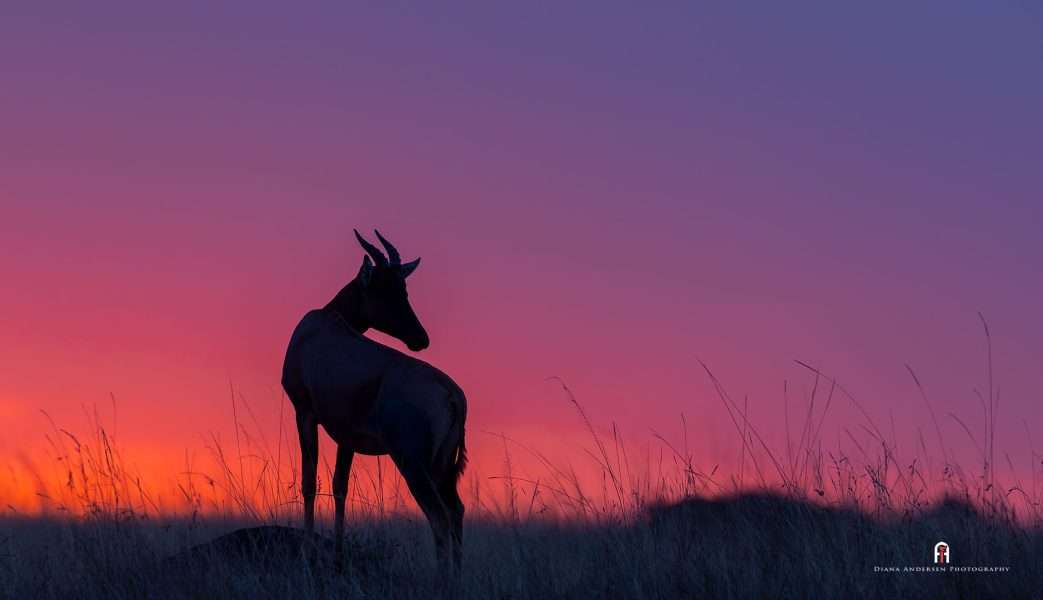
Private Conservancies in Kenya
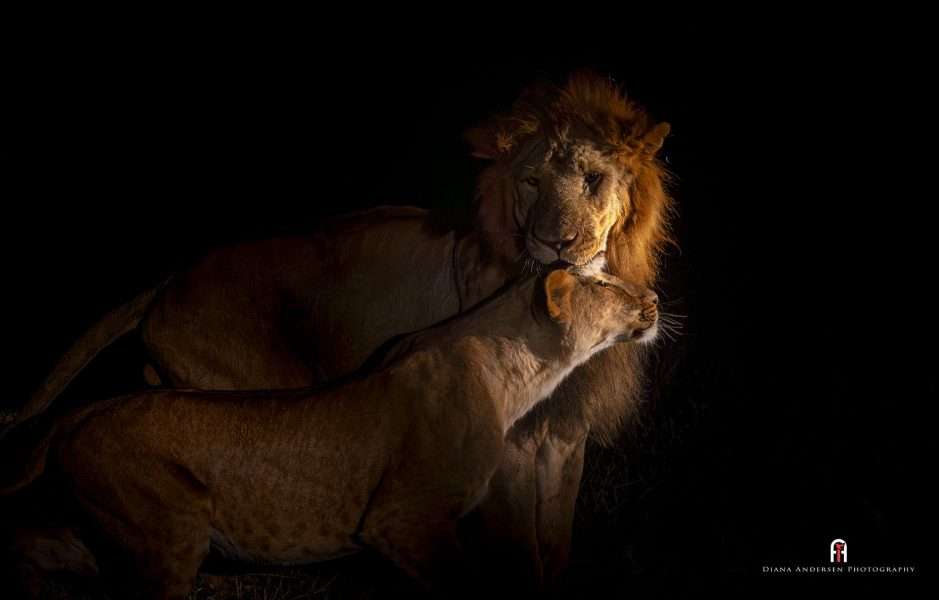
There are large private conservancies adjacent to the Masai Mara National Reserve that provide a more exclusive experience and greater flexibility than the Reserve itself. These conservancies offer unique activities such as night drives and walking safaris, fewer vehicles in the area and luxurious accommodations. All of this contributes to a more distinctive and enjoyable experience than the Reserve; however, it comes at a higher price. The Maasai people often own them, which benefits the local communities and, in turn, offers some protection for wildlife due to the financial benefits of wildlife tourism.
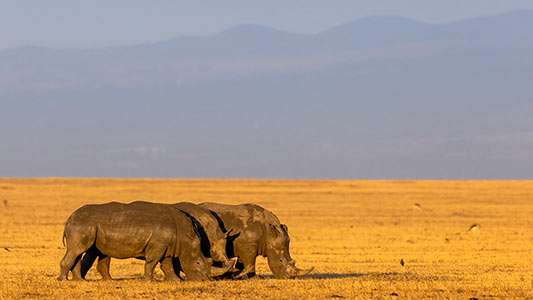
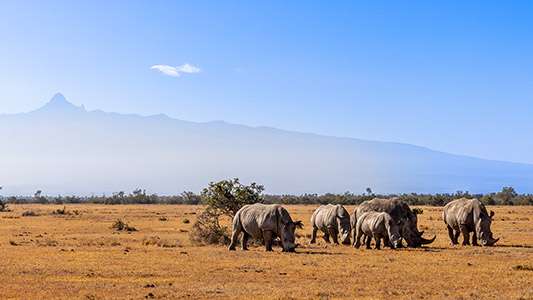
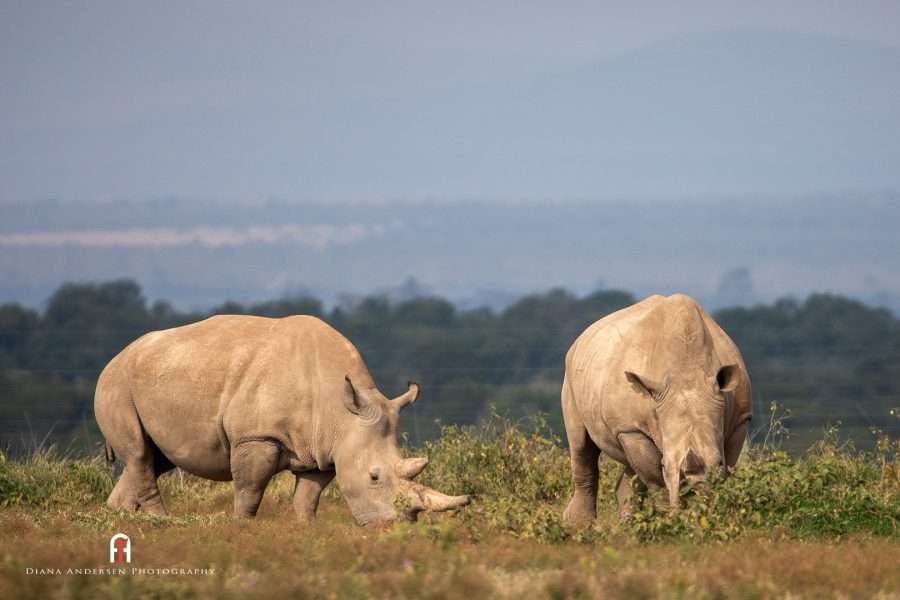
Other private conservancies in Kenya, such as Ol Pejeta and Lewa, focus on conservation programs, particularly for rhinos and Grevy’s zebras. Ol Pejeta is home to the last two northern white rhinos, mother and daughter Najin and Fatu. It also operates a chimpanzee sanctuary and rhino talk that you can visit. Each of these conservancies has partner companies that provide accommodation and game activities within the conservancies, such as Sweetwater’s Serena Camp at Ol Pejeta. These accommodations offer game drive options, with some also providing night drives and light aircraft flights. However, external tour companies may also include visits to these conservancies as part of their itineraries.
Ol Pejeta Conservancy
Lake Nakuru National Park
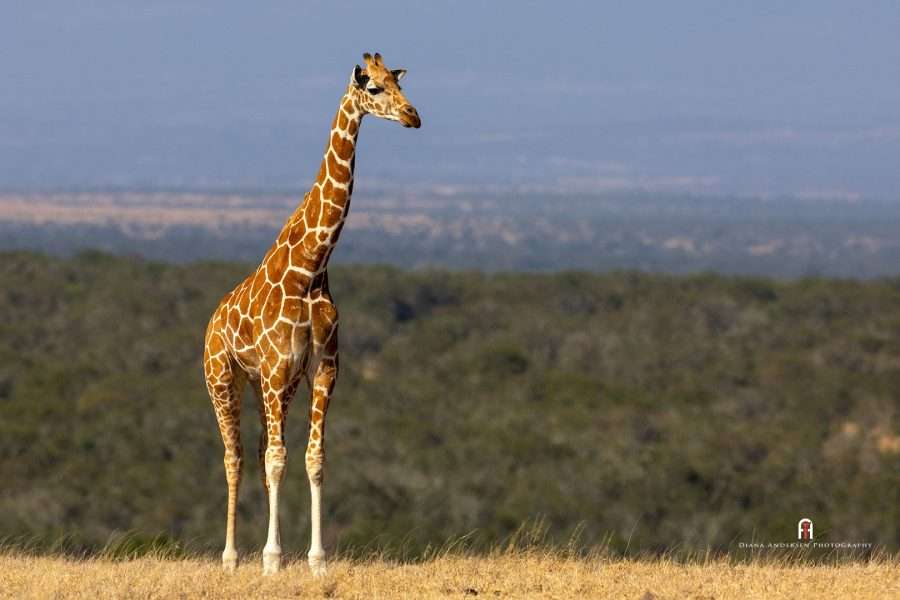
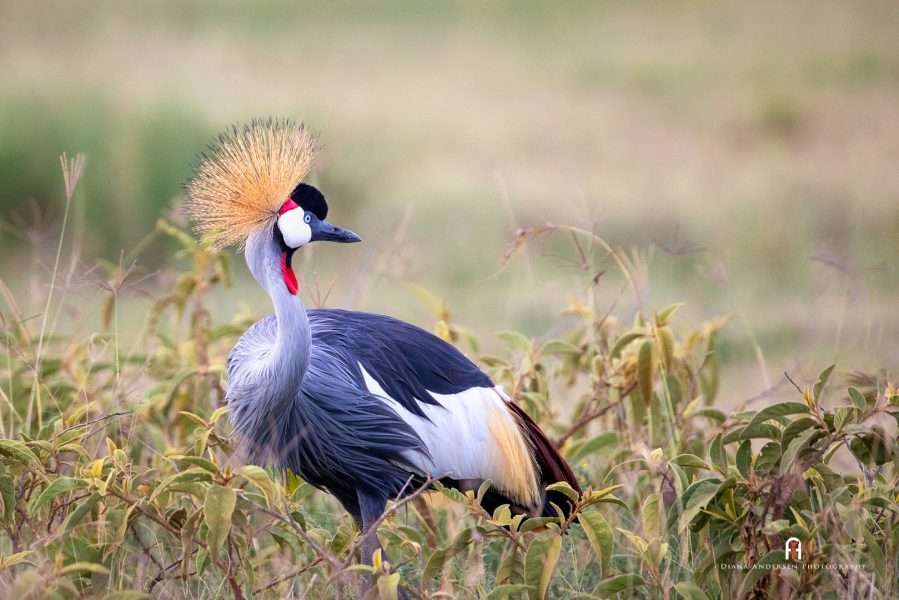
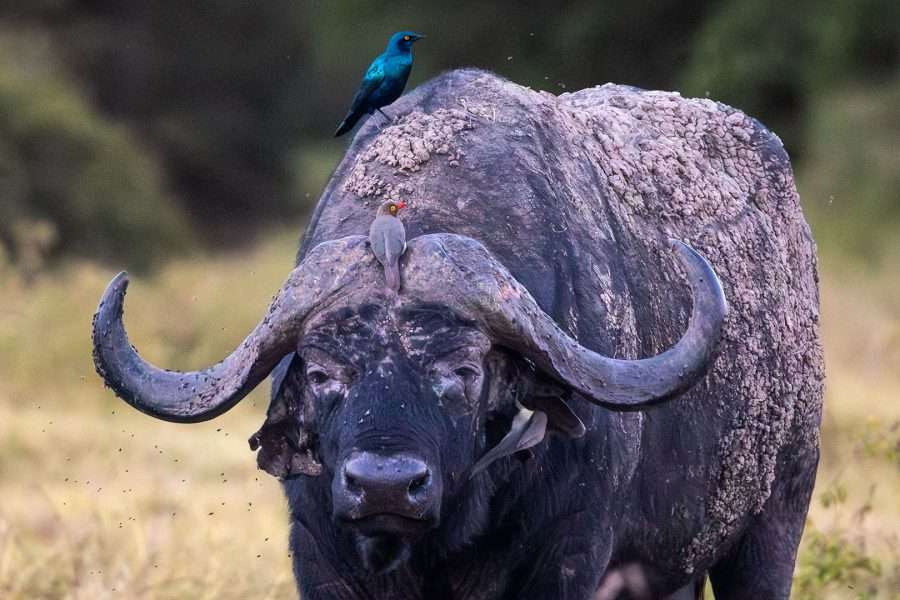
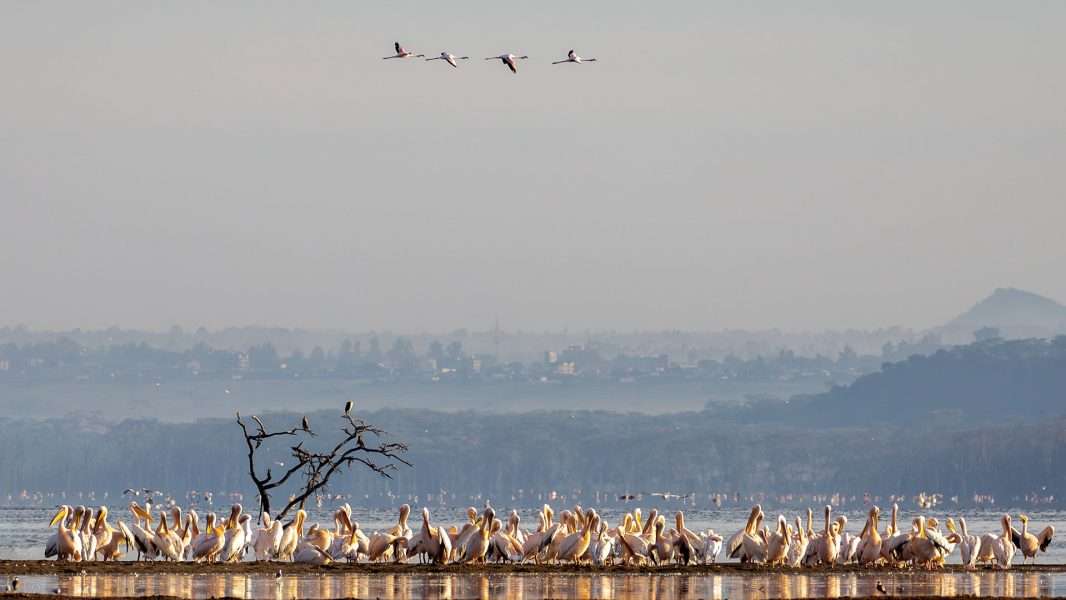
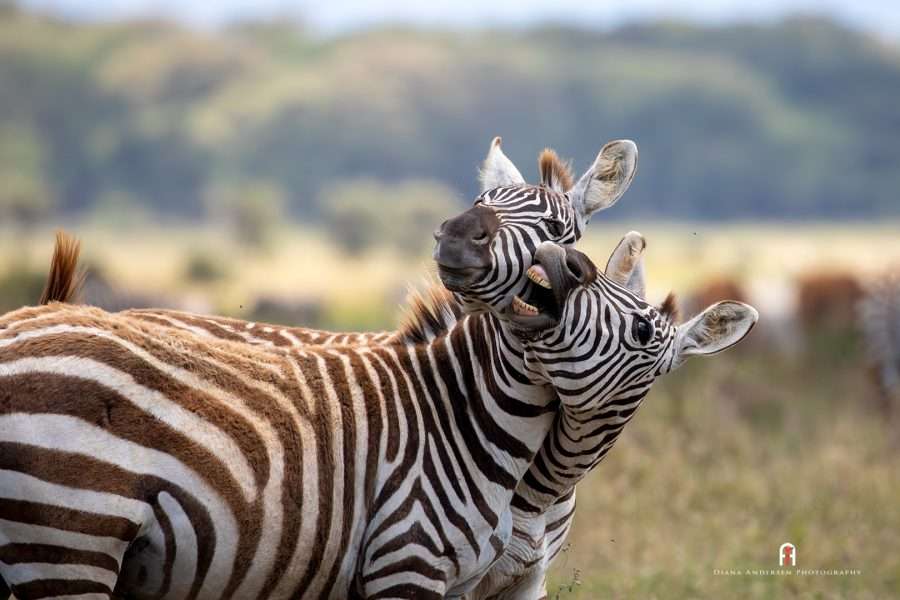
Another option is Lake Nakuru National Park, which is renowned for its populations of lesser and greater flamingos. Visitors may also spot grey crowned cranes, pink-backed pelicans, and significant numbers of rhinos, cape buffalo, and the endangered Rothschild’s giraffe. However, due to the park’s small size, it cannot support elephants. As with other national parks, visitors are required to return to their lodges before dark. Additionally, wildlife sightings can become crowded with vehicles, which can be frustrating, and off-roading is also not permitted.
Lake Nakuru
Botswana for Photographers
Like Kenya, Botswana offers a diverse range of experiences and habitats. Some of these areas may be more challenging to reach, but they are very rewarding nonetheless. The most well-known destinations include the UNESCO World Heritage-listed Okavango Delta, a vast inland delta, and Chobe National Park. However, Botswana has much more to offer beyond these popular sites. The expansive Kalahari Desert and the Tuli Block in the south present unique landscapes that contrast with the more frequented regions of the Delta and Chobe.
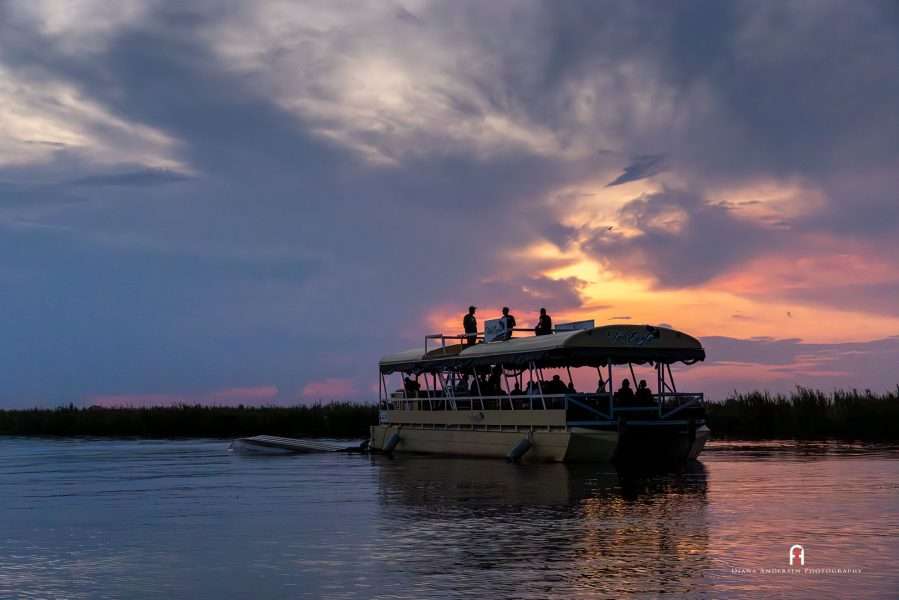
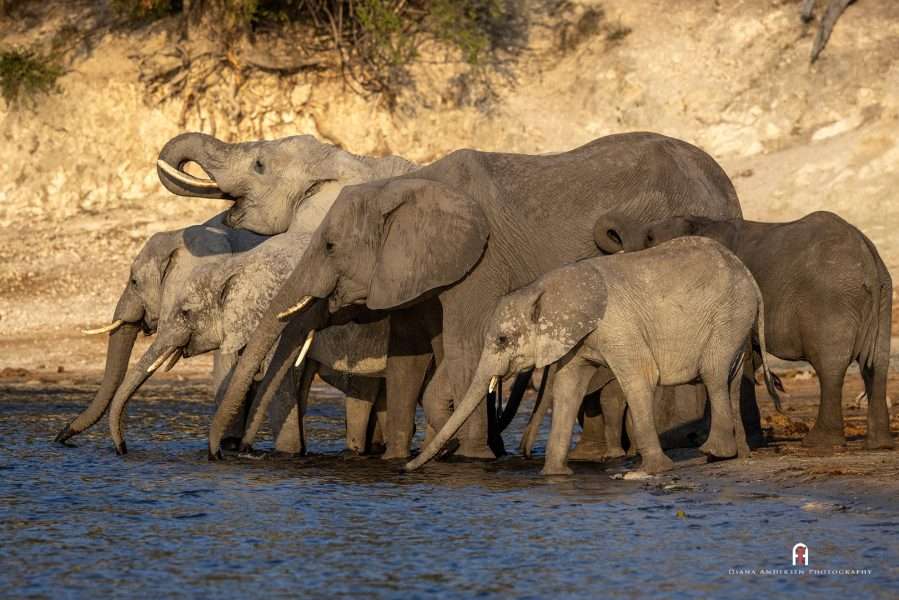
Chobe National Park
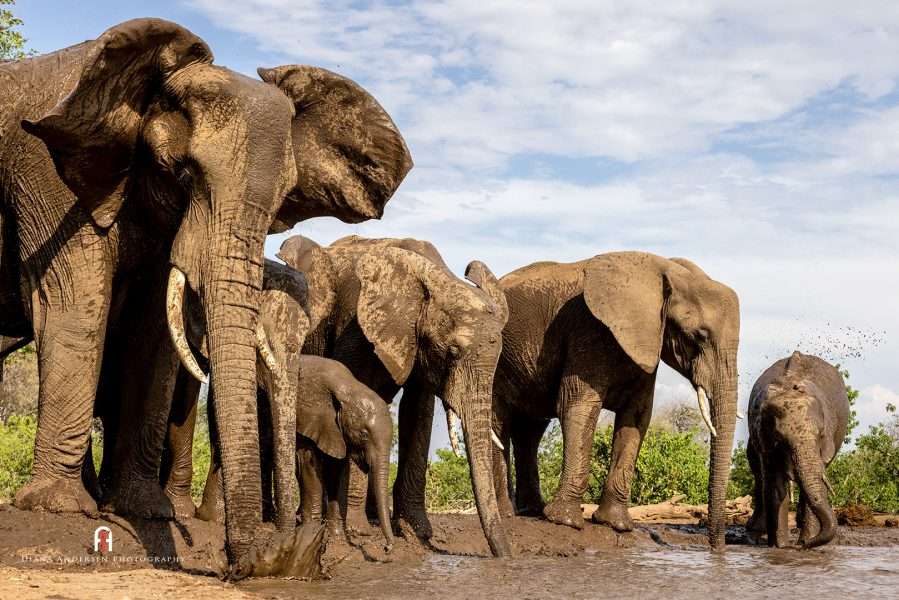
Chobe is a popular destination for travellers seeking exceptional wildlife photography opportunities. The National Park offers good opportunities to spot wildlife and is easily accessible, with daily domestic flights from Johannesburg available at reasonable prices.
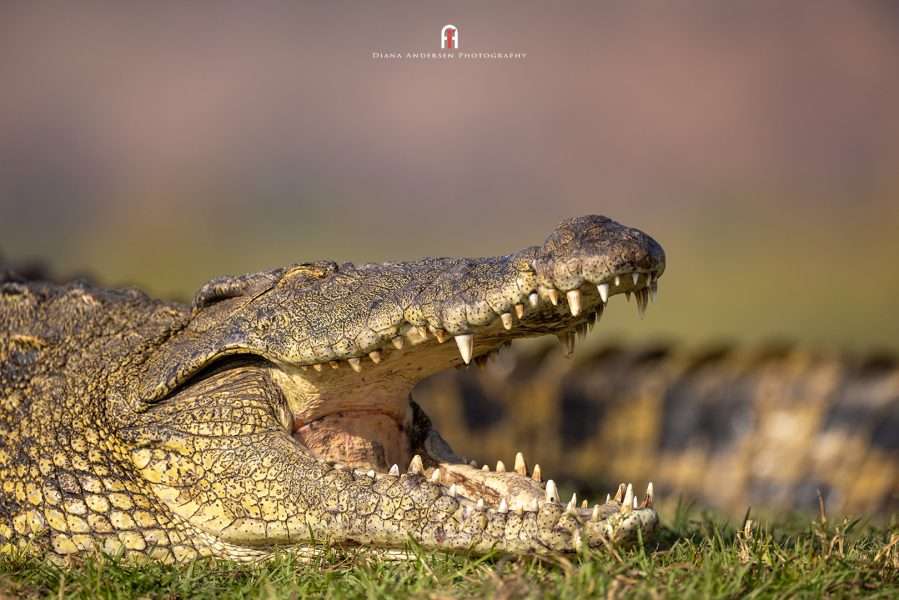
However, similar to Kenya, the park has certain restrictions, including limited entry hours and a ban on off-roading. Additionally, due to its accessibility and popularity among self-drivers, it can become quite busy, with queues forming at wildlife sightings. Elephants, giraffes, antelopes, Cape buffalo, mongooses, and baboons are familiar sights within the park, with occasional sightings of rarer animals such as honey badgers and porcupines. The park also has a good number of predators, including lions, hyenas, black-backed jackals and the occasional leopard.
Chobe’s most popular activities are centred on the river itself, where visitors can observe and photograph the animals that visit during the dry season. There are numerous boat tours available offered by lodges and other providers. For photographers, there are specialists such as Pangolin Photo Safaris and CNP Safaris that use boats fitted out to optimise opportunities for keen photographers.
Chobe National Park
The Okavango Delta
While flying to safari areas in Kenya is an option, many travellers choose to drive to keep costs down. However, reaching the Okavango Delta by road is more challenging. Therefore, the most common way to access safari camps in Botswana is on small scheduled charter flights that service many of these camps. Some more remote camps even require helicopter flights to reach them, which contributes to the overall cost of a safari in Botswana.
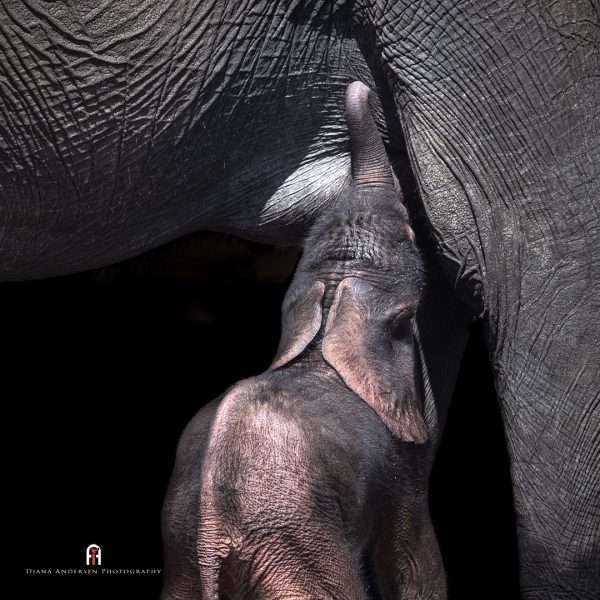
On the positive side, this means that the camps are generally smaller, resulting in fewer tourists competing for wildlife viewing opportunities. It is not unusual for camps to have as few as six tented suites. While prices and camps vary in what they offer, many are exclusive, providing four or five-star service and accommodations. Many of the destinations in the Delta are located on private game reserves, also known as concessions, such as the Shinde Concession, where off-roading is permitted and game drives often continue into the evening.
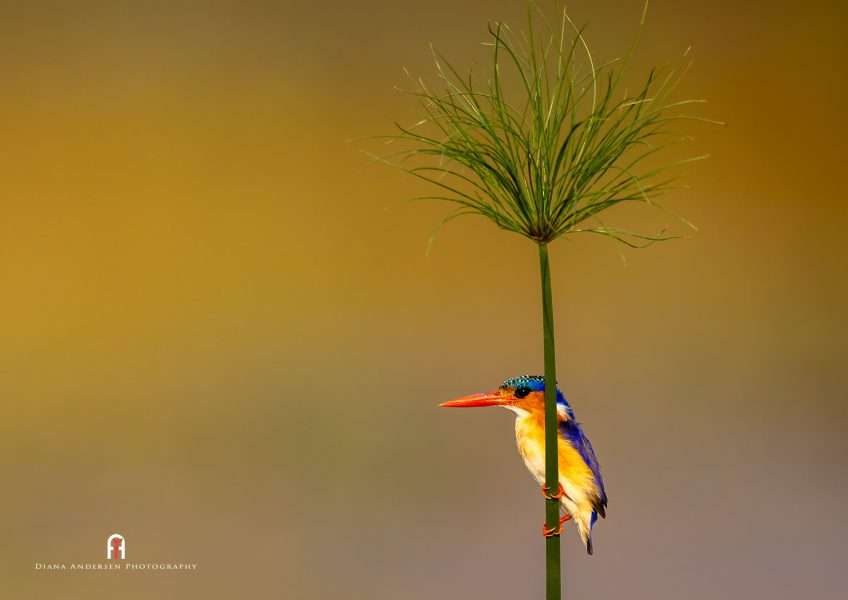
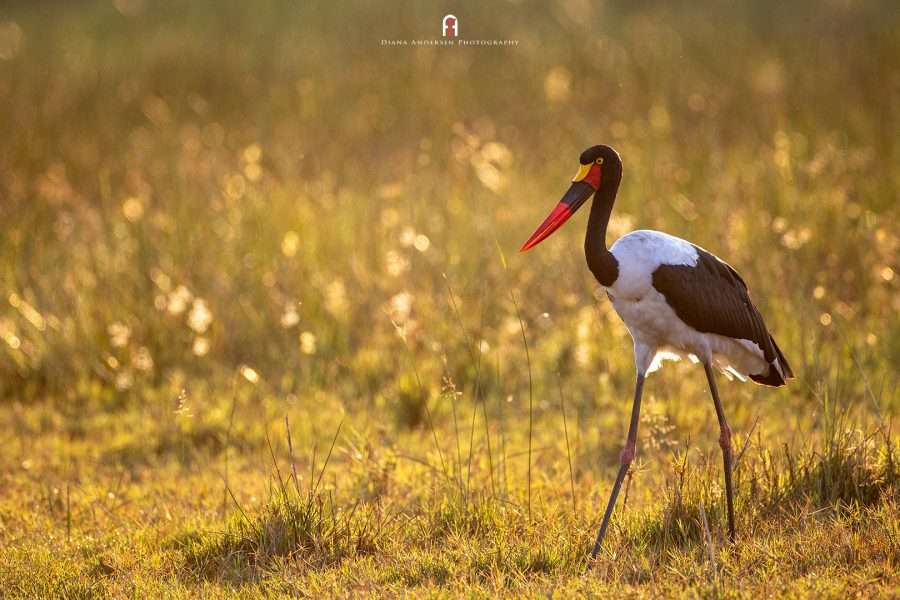
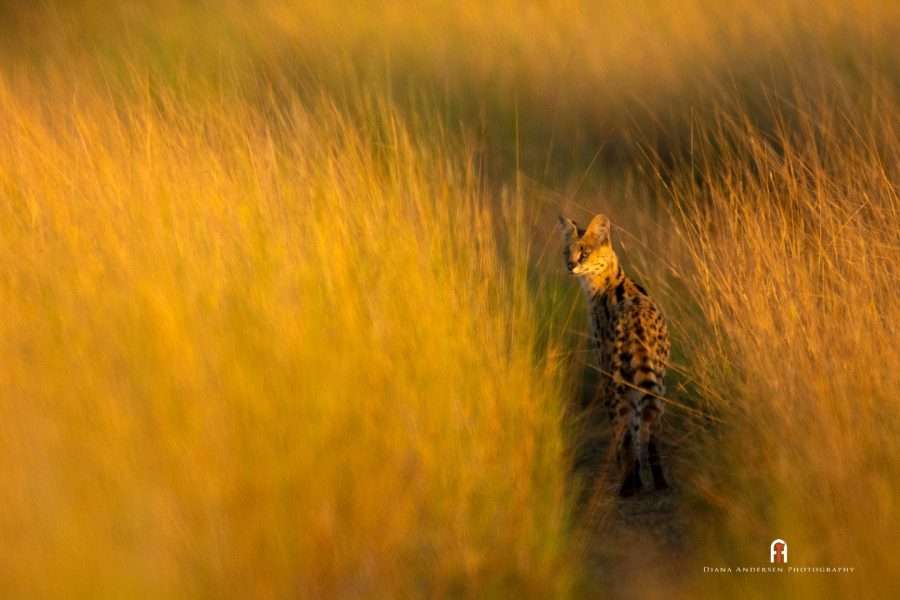
The wildlife density in the Delta is remarkable, featuring a diverse range of predators, including African hunting dogs, lions, leopards, and hyenas. Open savannah areas provide stunning backdrops for photography. Additionally, the extensive waterways attract a significant number of birds, including many migratory species that arrive in November. Visitors can enjoy walking safaris and boating experiences, with options for both motorboats and mokoro canoe safaris.
The Okavango Delta
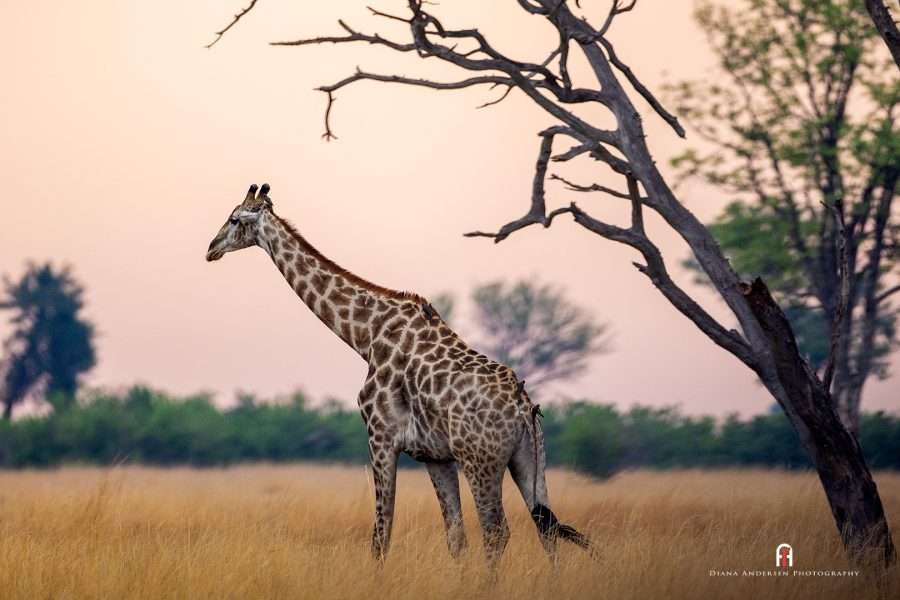
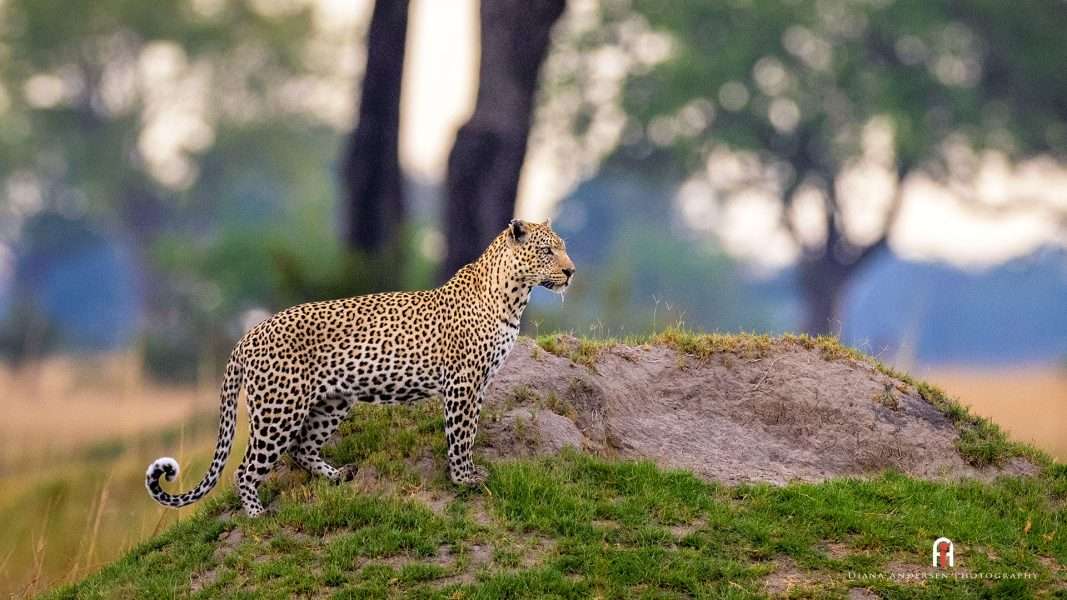
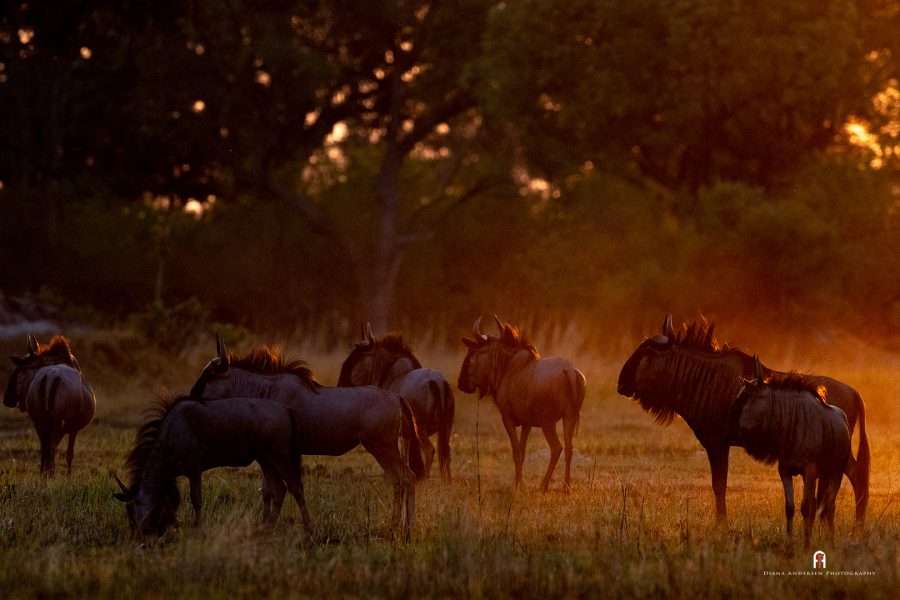
The Kalahari
The Kalahari is a distinctive destination that attracts fewer visitors compared to more traditional locations, and it is also most commonly accessed by light aircraft. Despite its desert conditions, the wildlife density is impressive. Highlights include the magnificent black-maned Kalahari lions, along with good populations of zebras and antelopes, such as the beautiful southern oryx and greater kudu. The area also supports an excellent variety of birdlife, particularly raptors.
Some reserves, like Dinaka, feature underground hides that offer excellent photographic opportunities. Keep in mind that the heat can be intense as the wet season approaches, which begins in earnest in December. If you can tolerate the heat, the need for water during this time can lead to fantastic sightings around water sources. Additionally, many camps in the Kalahari are at the higher end of the accommodation spectrum, so a trip to this region is likely to be costly.
The Kalahari
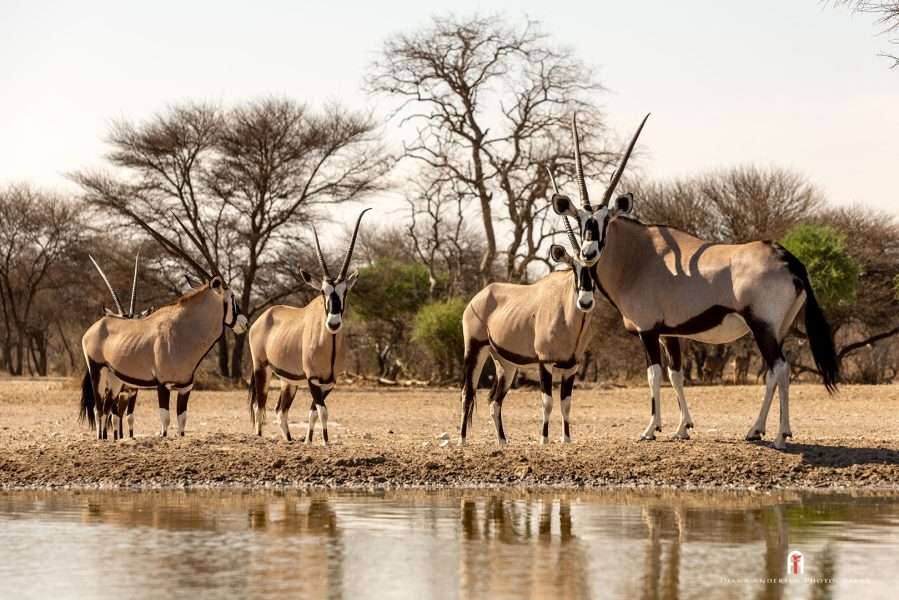
The Tuli Block
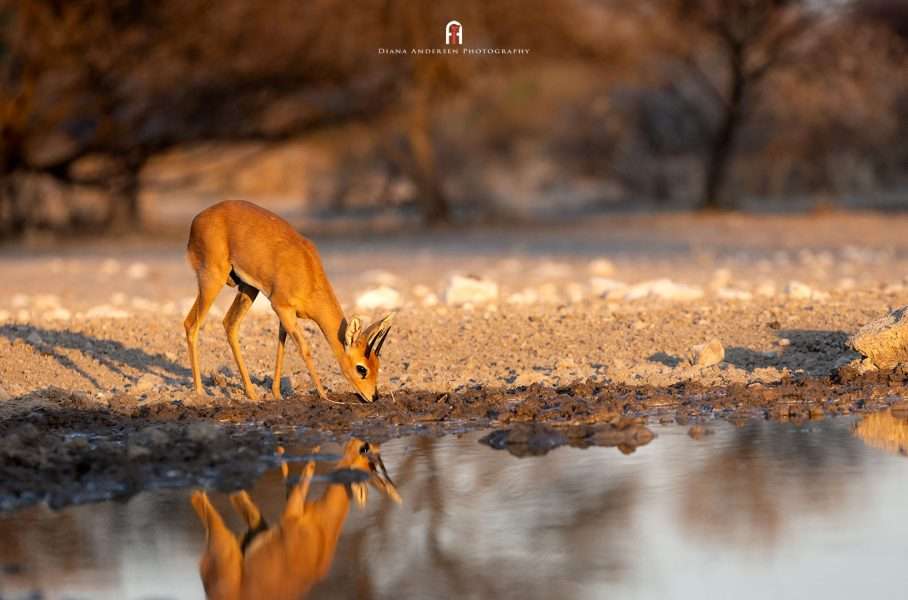
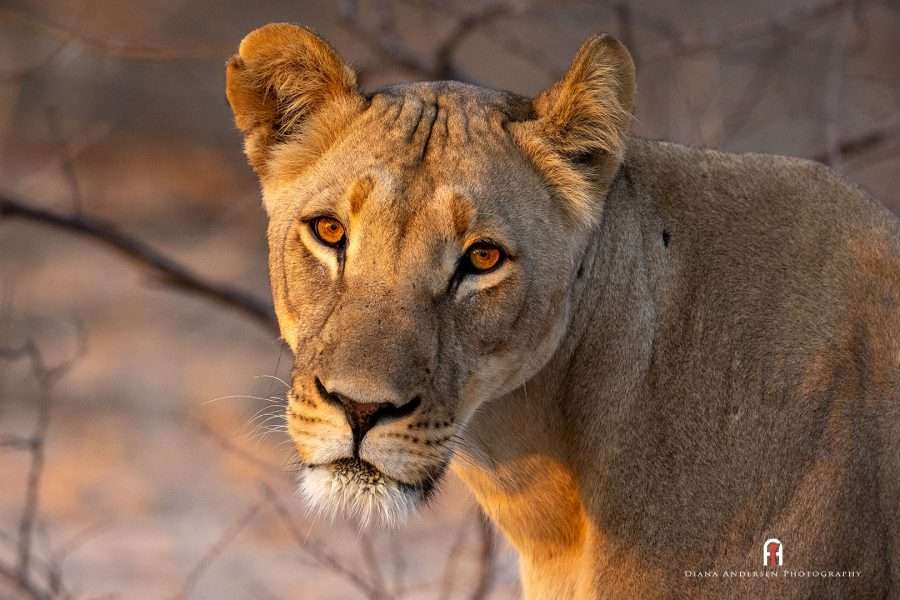
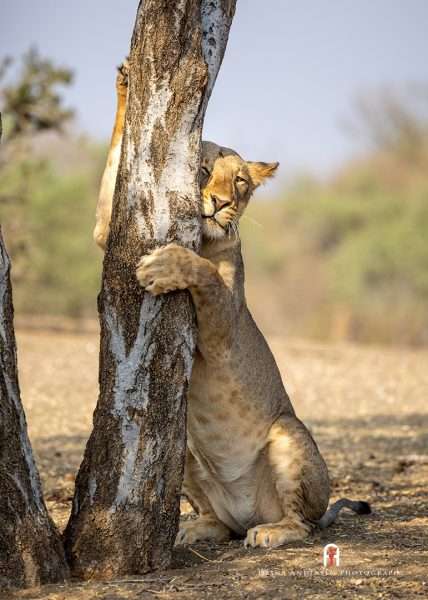
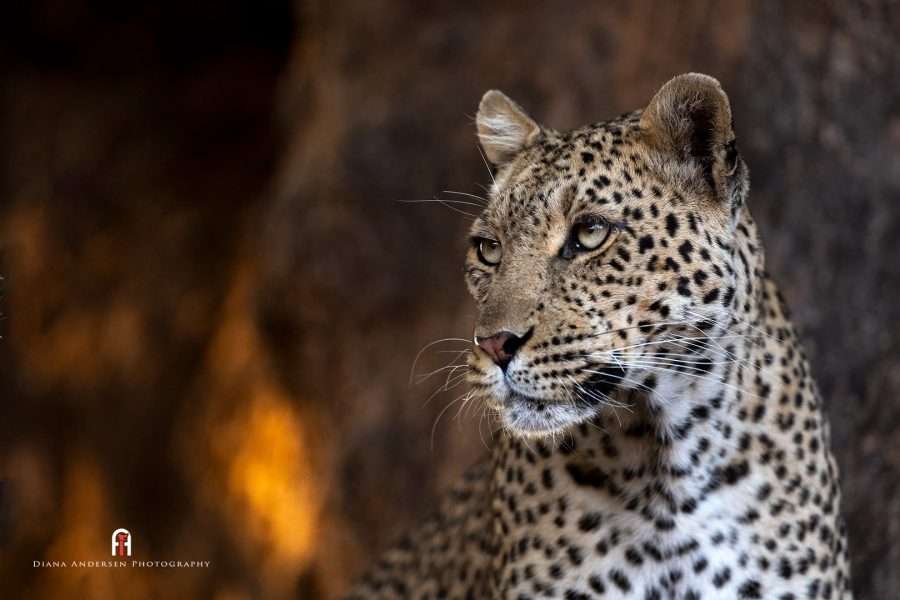
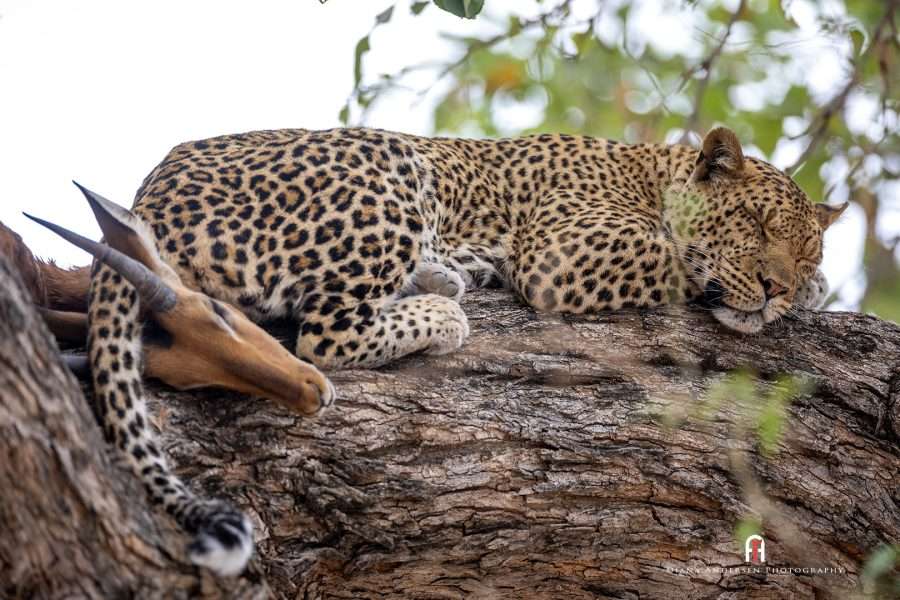
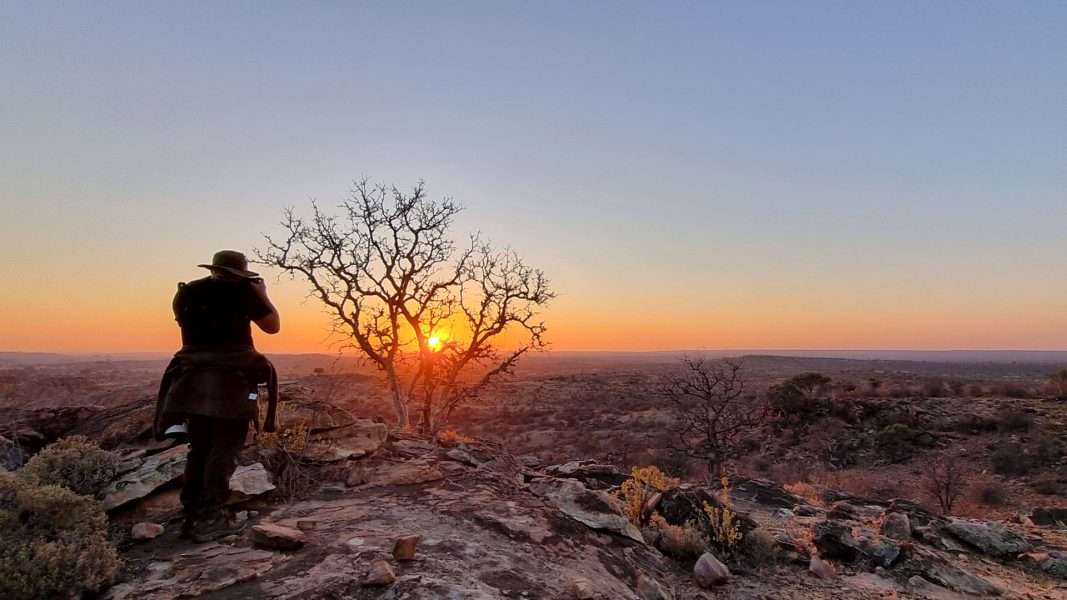
Another excellent option is one of Botswana’s finest yet lesser-known regions: the Tuli Block in eastern Botswana. Also referred to as the Northern Tuli Game Reserve, this triangular area borders South Africa and Zimbabwe. Several private concessions, the largest of which is the Mashatu Game Reserve, comprise the region. The area boasts some spectacular ancient rocky landscapes, unlike any other part of Botswana. It also offers exceptional game viewing, with large numbers of elephants and an excellent density of leopards and other predators. Two of the best underground photography hides, the Matebole Hide and the Lala Limpopo Overnight Hide, are also located in Mashatu Game Reserve.
With far fewer guests, the area retains a true sense of wilderness, yet offers accommodation choices ranging from five-star to more affordable options. However, getting to the area can be more challenging, particularly for solo travellers. While it can be economical for groups sharing transport, the six-and-a-half-hour drive from Johannesburg can be very expensive for solo travellers. Like the Delta, light aircraft charter flights are also available, but these are also very costly unless included as part of a package. Despite the expense, the area remains a favourite with everyone who visits, including me.
The Tuli Block
In Conclusion
Both countries offer unique opportunities and memorable experiences, so you are unlikely to regret your choice, no matter which one you select. As a wildlife photographer, I am particularly drawn to Botswana for its flexibility, abundance of opportunities, and the warm hospitality of its people. However, the private concessions in Kenya also provide comparable experiences, which makes me eager to return to Kenya in the future. Ultimately, if photography is your priority, a photographic safari has significant advantages over a regular safari, so this should be your first consideration.
© Copyright 2025. Diana Andersen, Animalinfo Publications
Share this
BOTSWANA SAFARI 2026
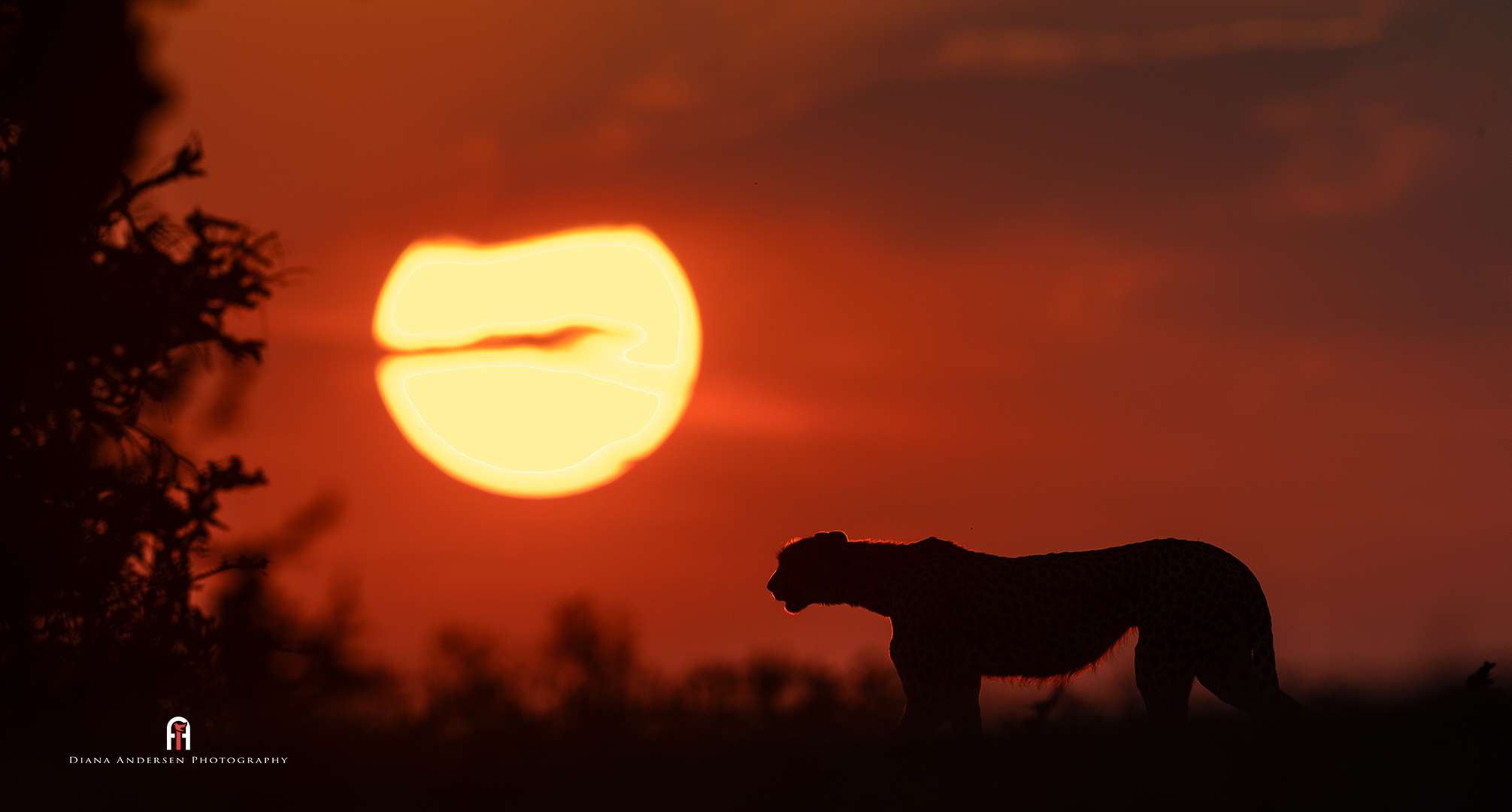
Join a safari to the amazing Mashatu and Chobe in 2026, led by wildlife photographer and instructor Diana Andersen. Learn More >
Related Reading
SHOP WILDLIFE PRINTS
WILDLIFE PHOTOGRAPHERS
AMAZON
We are a participant in the Amazon Services LLC Associates Program, an affiliate advertising program designed to provide a means for us to earn fees by linking to Amazon.com and affiliated sites
SHOP TRAVEL GEAR