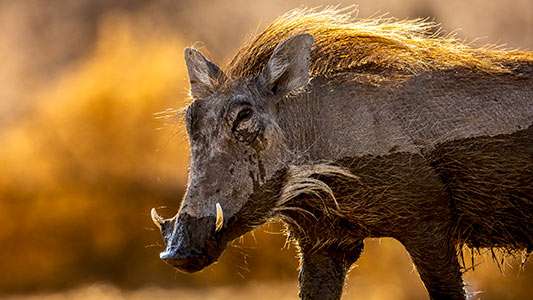
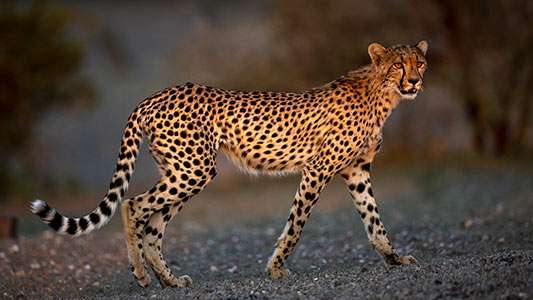
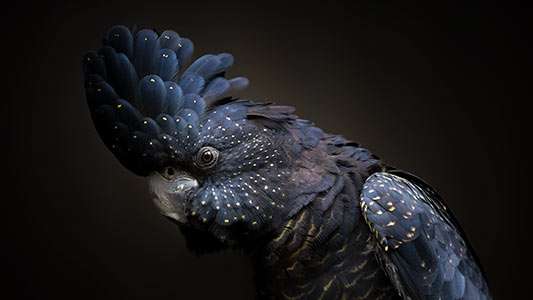
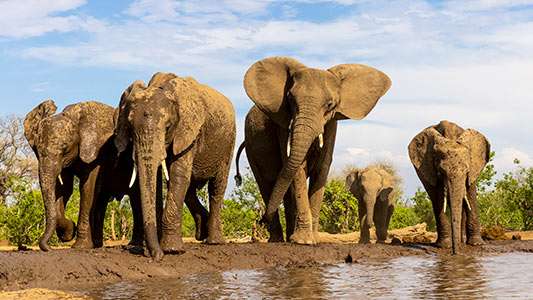

The new Lala Limpopo sleepout photographic hide in Mashatu Game Reserve in Botswana takes wildlife photography to a new level.
Lala Limpopo Hide, Mashatu
Words & Images by Diana Andersen
Early in November, and with great anticipation, my tour guests and I headed to the new Lala Limpopo Sleepout Hide in Mashatu Game Reserve. For photographers, the opportunity to view and capture images of nocturnal life adds a whole new dimension to wildlife photography in Africa. The development of the new overnight hide by C4 Safaris in Mashatu Game Reserve is something I have been following since visiting the game reserve 12 months earlier. Officially opening only a month earlier, in October 2024, it’s early days for the hide, but I was delighted to be able to offer the experience to my guests.
The Benefits of Wildlife Hide Photography
One of the most frustrating aspects of wildlife photography in Africa is the inability to shoot from a low enough perspective when encountering wildlife. While large animals like elephants and giraffes can provide a good viewpoint when shooting from a vehicle, many smaller animals benefit from a low perspective that places them in the environment and includes space behind them, helping to isolate them from the clutter of their immediate surroundings.
The answer is to shoot from a below-ground wildlife hide that places you at eye level for many smaller animals. In addition, it provides a unique perspective for larger animals, often enhancing their height and bulk or allowing you to capture close-up details that might be otherwise too dangerous due to the proximity of the subjects. As animals become accustomed to the hide and the presence of strange people pointing large lenses at them, the opportunities to capture behaviour also significantly increase.
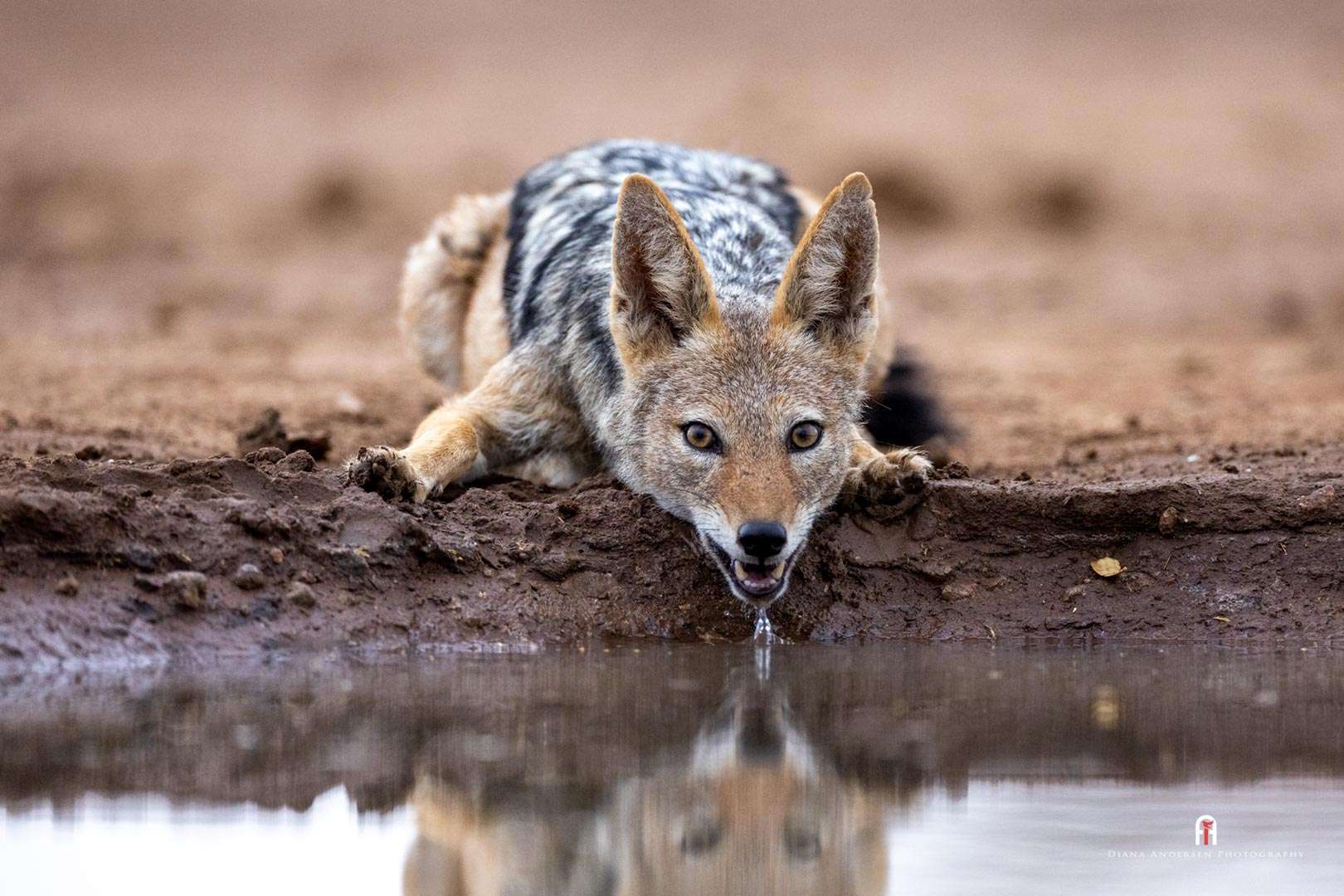
Eye-level perspectives and front-on captures are some great benefits of hide photography.

ANIMALINFO PUBLICATIONS
DIANA ANDERSEN
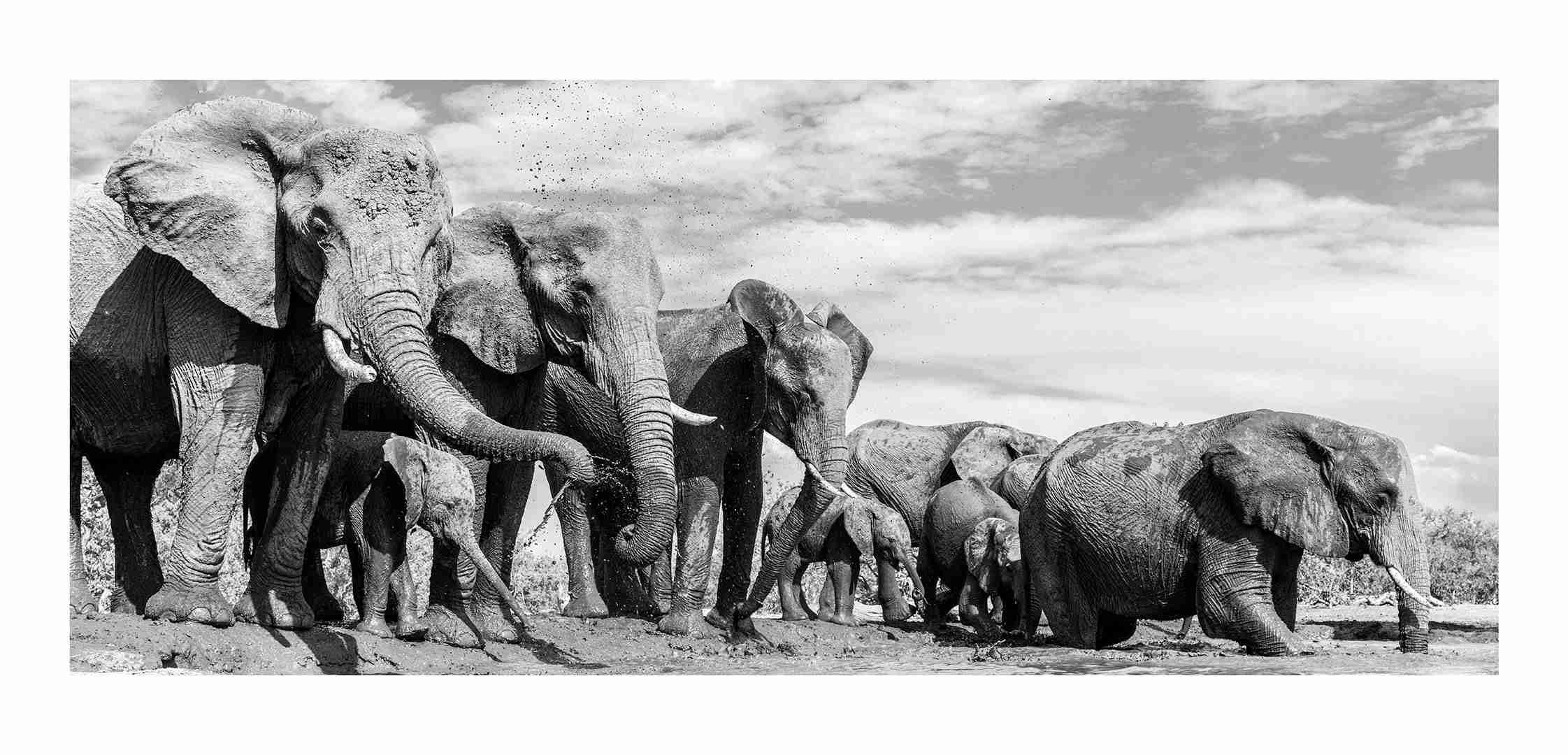
The Waterhole
A beautiful black and white limited-edition print of elephants visiting a waterhole in Botswana by Diana Andersen. SHOP >
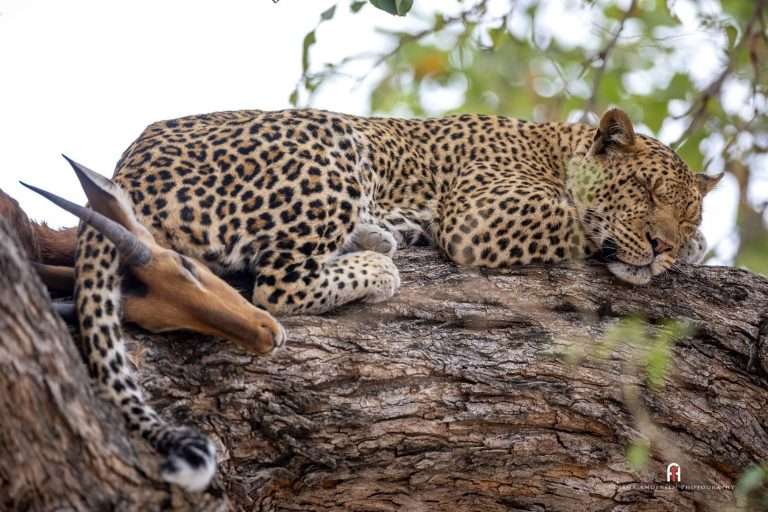
Night Photography in Africa
Most game reserves locate photography hides alongside waterholes. In Africa, water is life, so animals drawn to the water by necessity become accustomed to the sights and sounds of the photographers inside the hide. If you remain quiet, you will often get the opportunity to photograph natural behaviours from a front or side view, which is more difficult from a vehicle that frequently triggers flight behaviour.
Of course, most hides are accessible only during daylight hours. Shooting during the day can be productive during hot weather, but the best light is often just in the first or last hour of the day. The remaining time is often less satisfying as the light becomes harsh, and animals retreat into the shade to rest during the day’s heat.
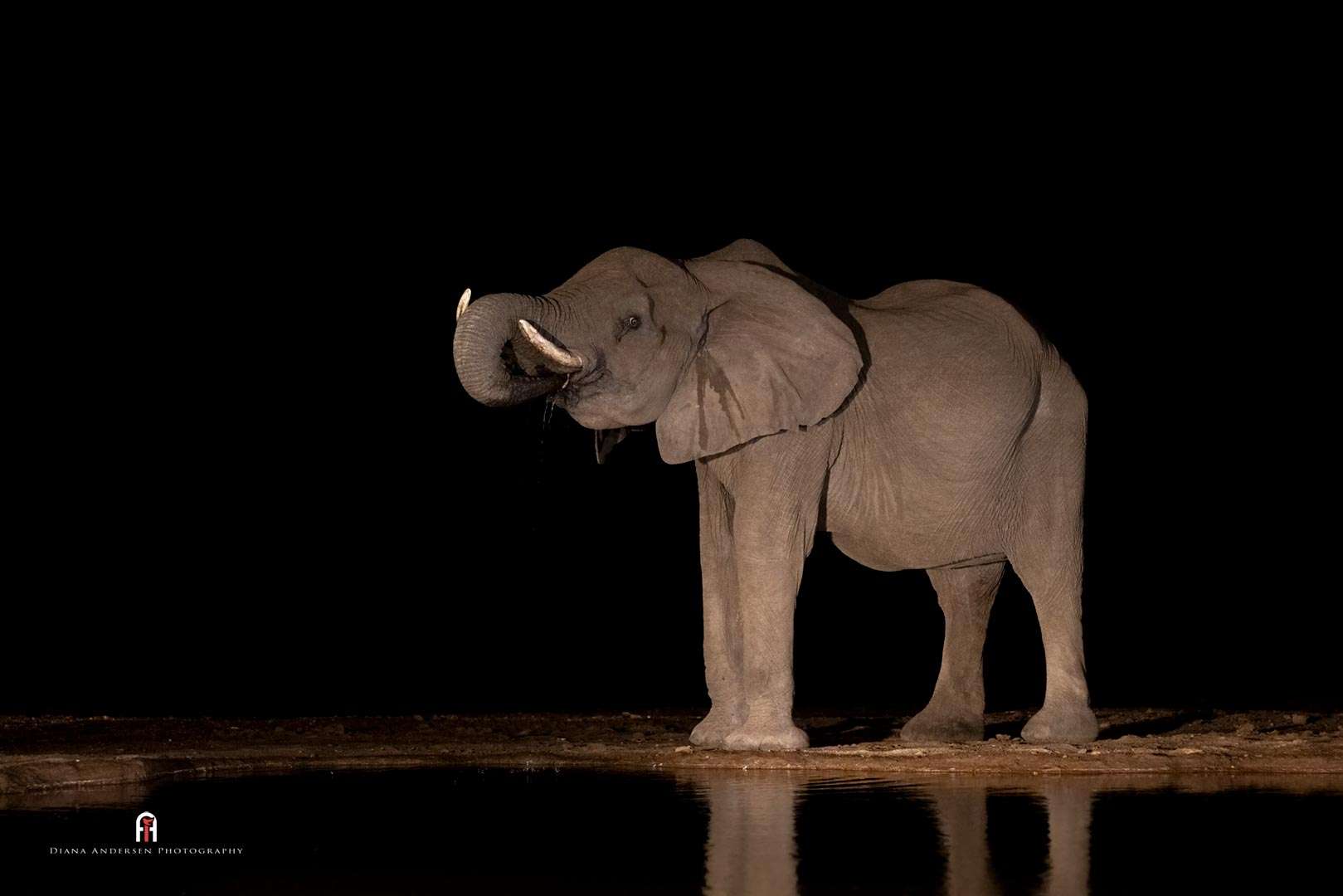
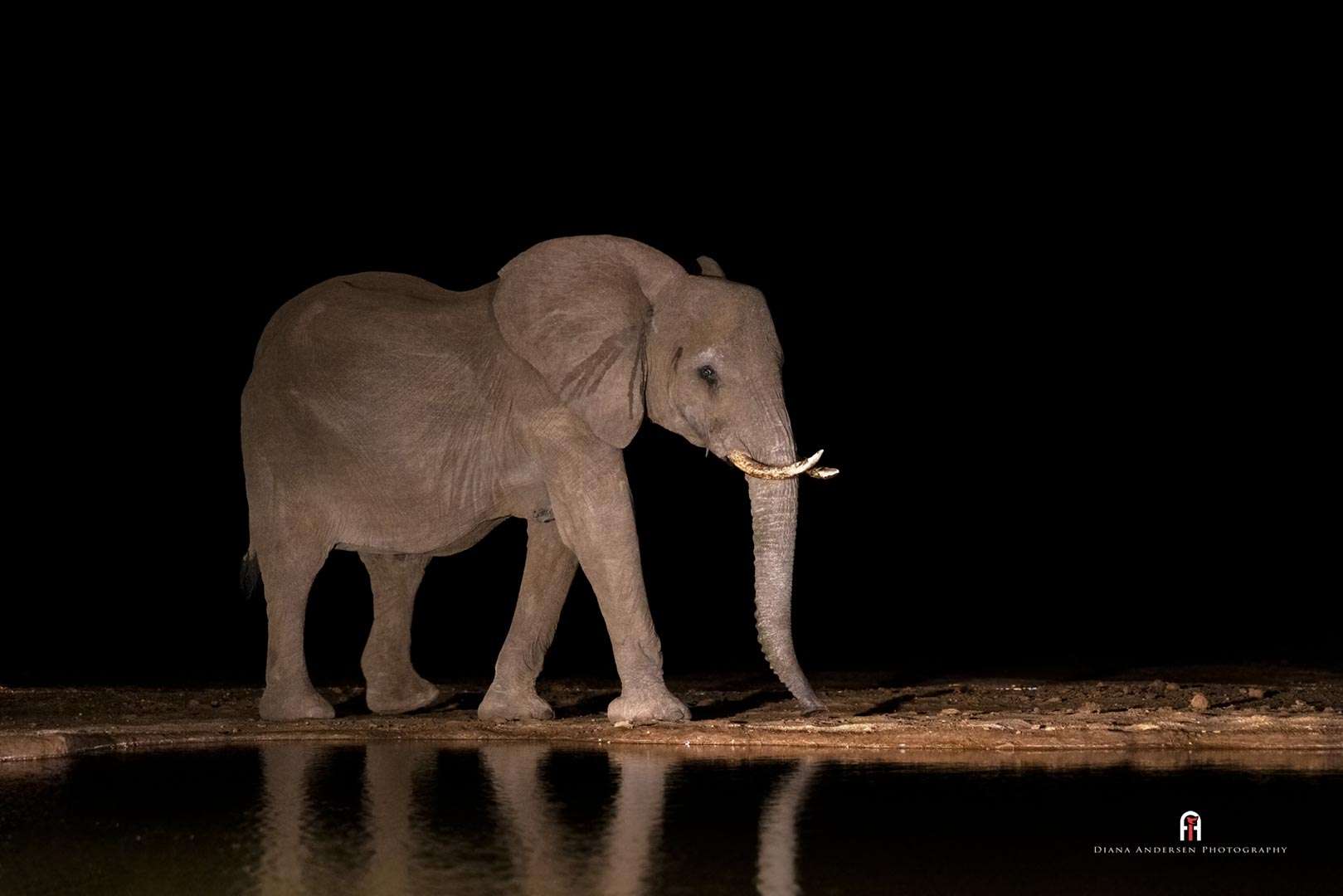
But what about the night? Many African animals, particularly predators, are active at night so the answer is to shoot from a night hide, a challenging but exciting new way of capturing Africa’s wildlife after dark. The added benefit of a night hide visit is that you also experience the best of the day’s light by starting before sunset and welcoming the dawn light on the following morning.
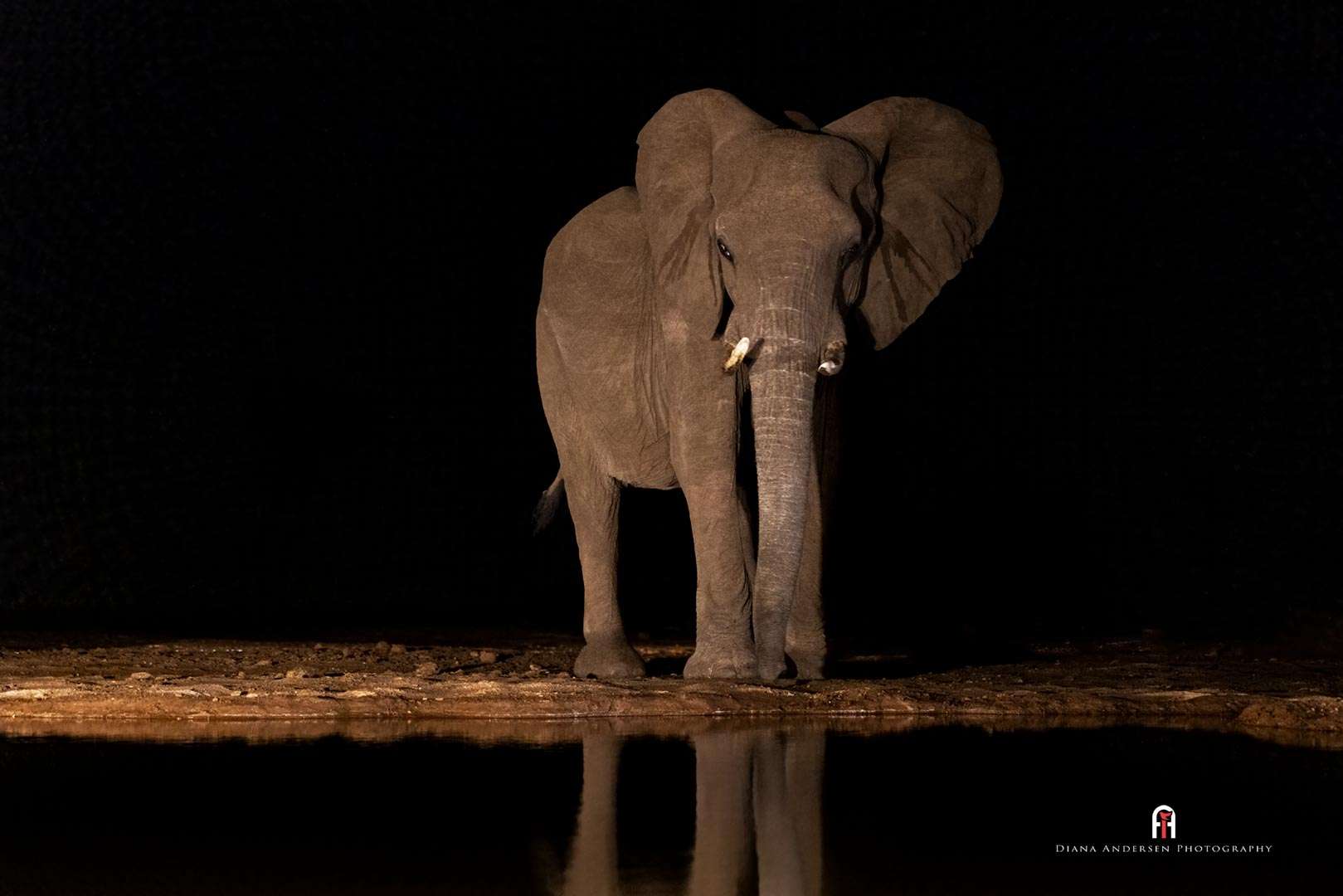
Lala Limpopo, Built for Comfort as Well as Functionality
Most hides are rudimentary, built to provide safety and access to wildlife but not necessarily comfort for the photographers. Lala Limpopo is an entirely new experience for photographers. PhotoMashatu, the company behind the highly successful Matebole Hide at Mashatu, built the hide with both functionality and the comfort of photographers in mind.
Deriving its name from the nearby mighty Limpopo River and the word ‘lala’ for sleep, the facility includes all the creature comforts of a lodge, including beds, a bathroom, a kitchen, and dining facilities. The camp you are staying at within Mashatu Game Reserve, the closest of which is Tuli Safari Lodge, delivers your meals.
The Lala Limpopo sleepout hide accommodates four photographers and a photo guide. A resident host from PhotoMashatu is also on hand to manage the lights and provide assistance. Ample power points and charging ports are available to charge your equipment.
Available accessories include a range of rotating bean bags and gimbals to help support your lenses. The lighting provides front, side and backlight options that photographers can control from inside the hide if required. Regardless of the lighting options, shutter speeds need to be low to avoid ISO climbing too high, so using something to support your lens and prevent camera shake is essential.
Lodge Shots by: Mike Dexter
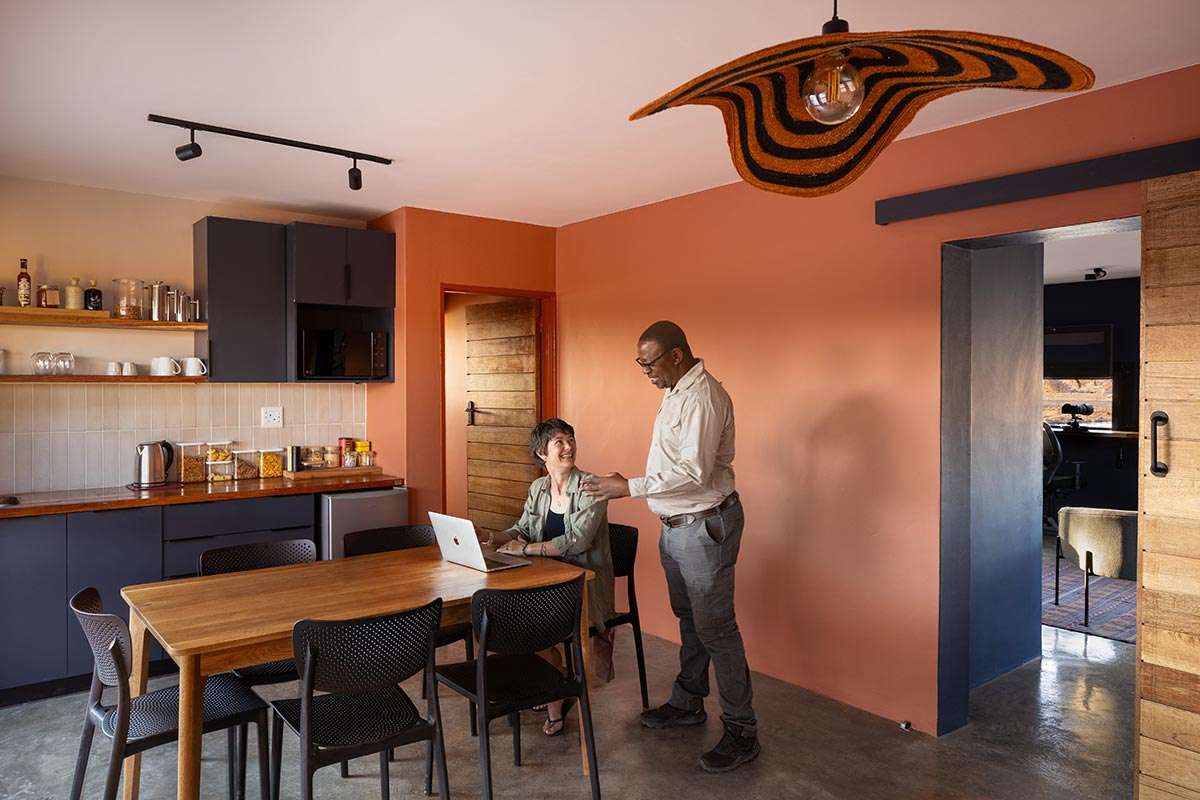
Kitchen and dining area of the hide.
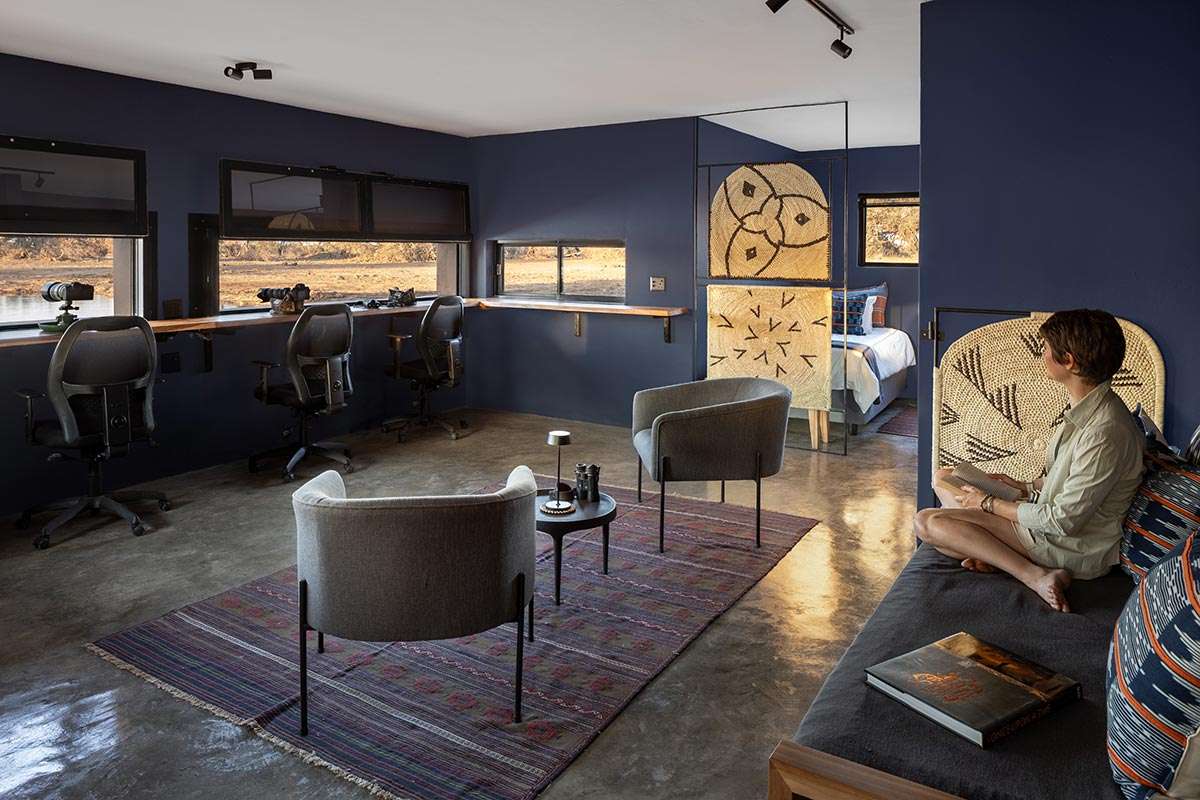
The waterhole-facing side of the hide with sleeping areas.
Lens choices at the Lala Limpopo Hide
Lens choice at Lala Limpopo sleepout hide is primarily influenced by the time of day you are shooting and the subject. During the daylight hours, smaller birds and mammals and passing wildlife that don’t come to drink will benefit from longer telephoto lenses. The longer focal lengths are also beneficial in softening the muddy foreground and background that typically surround African waterholes.
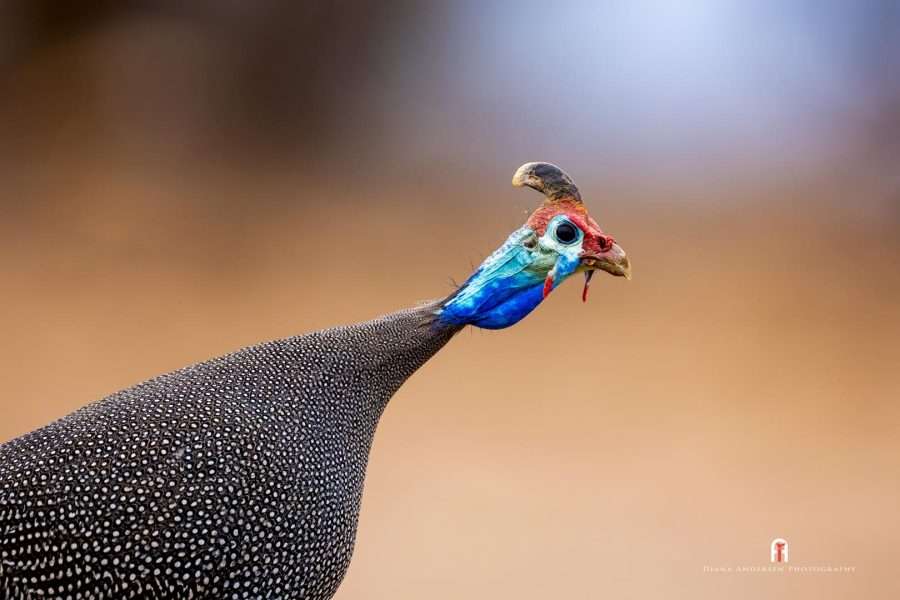
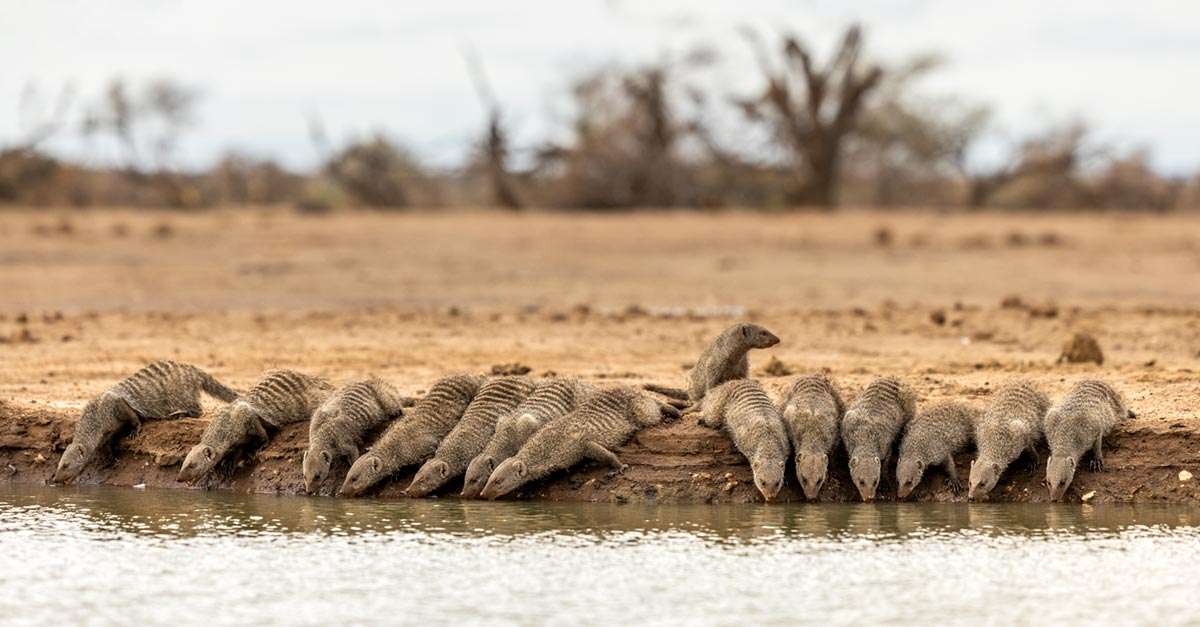
During the late afternoon and early morning, we experienced passing troops of baboons and vervet monkeys, warthogs, giraffes, banded mongoose, black-backed jackals and birds, including guinea fowl and a kori bustard. I used a Canon EF 600mm f/4L IS III USM prime lens effectively for most of these. However, although it is a fast lens, the lighting needs to extend farther at night to use this focal length effectively. Therefore, faster lenses with shorter focal lengths are more suitable after nightfall.
EF 600mm f/4l iii Gallery
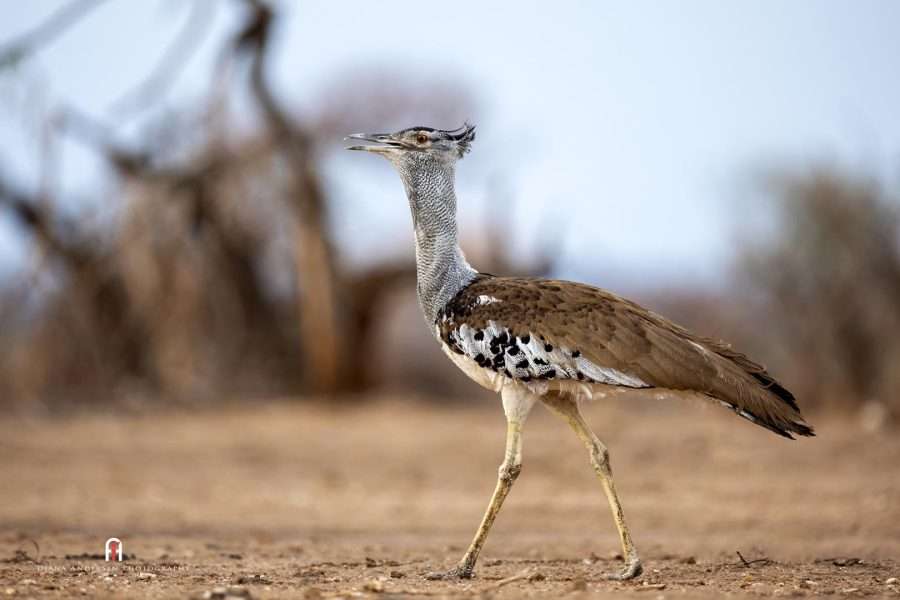
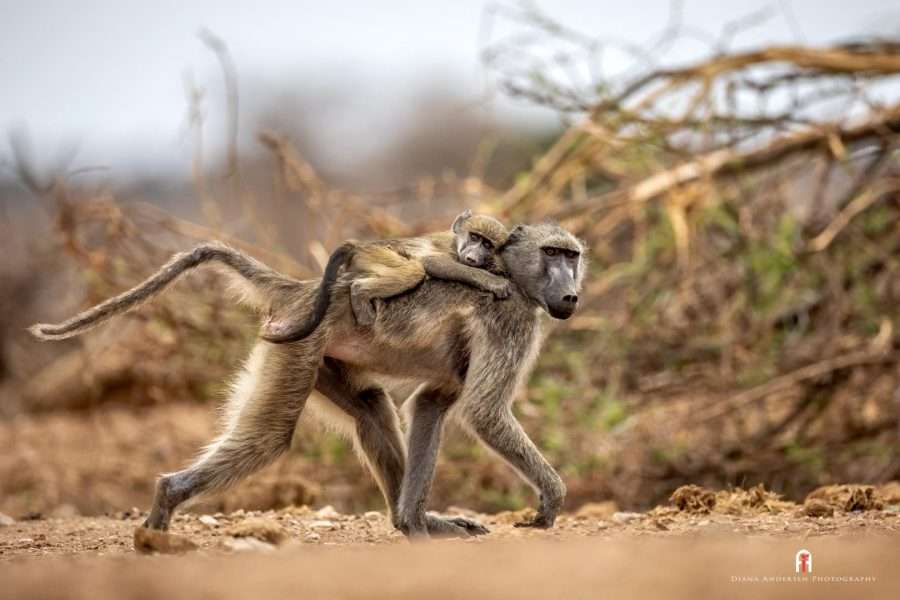
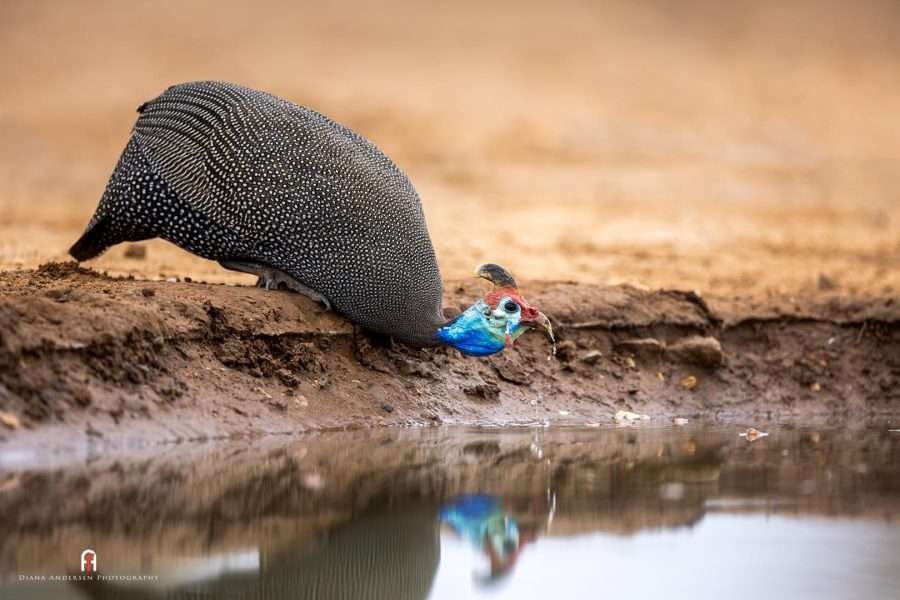
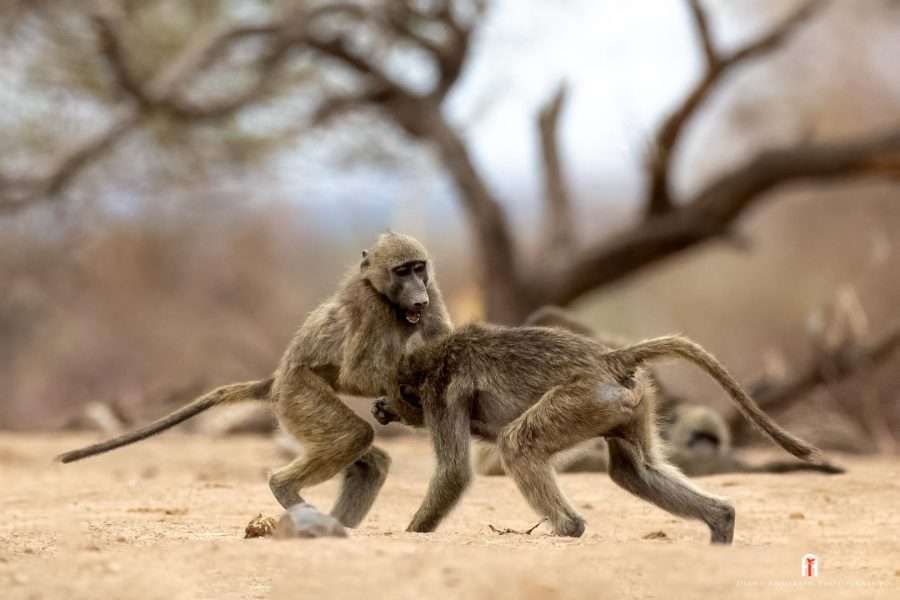
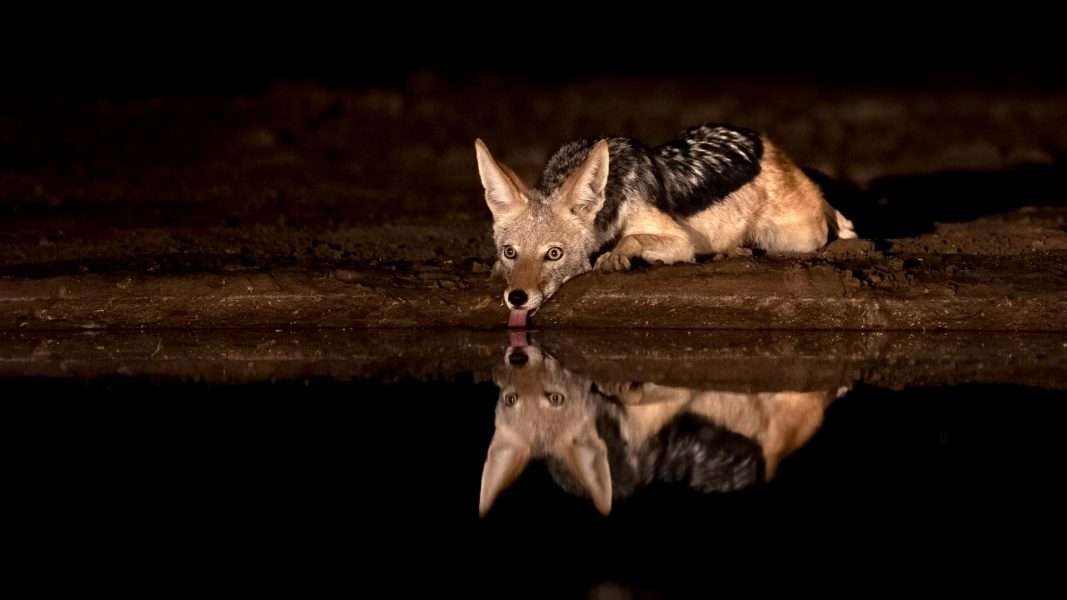
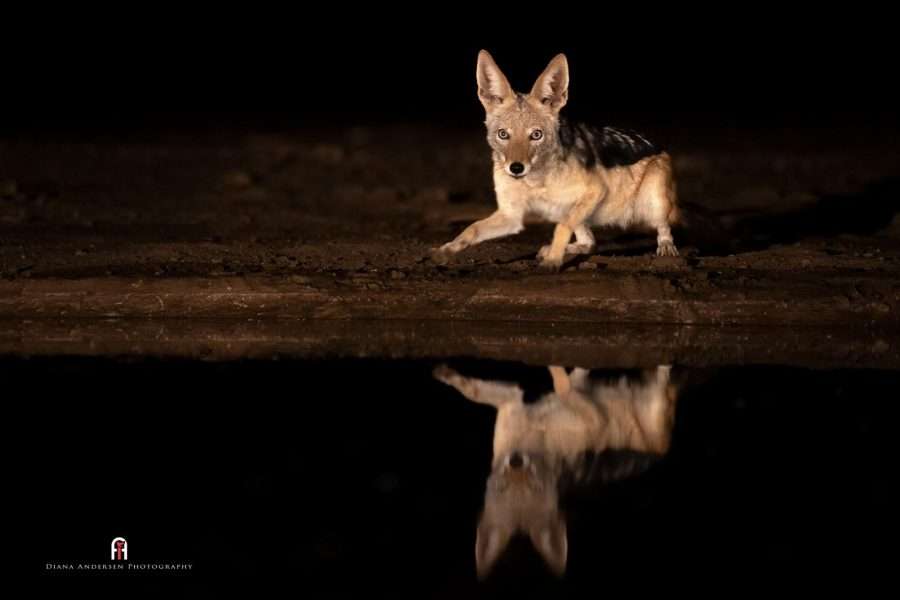
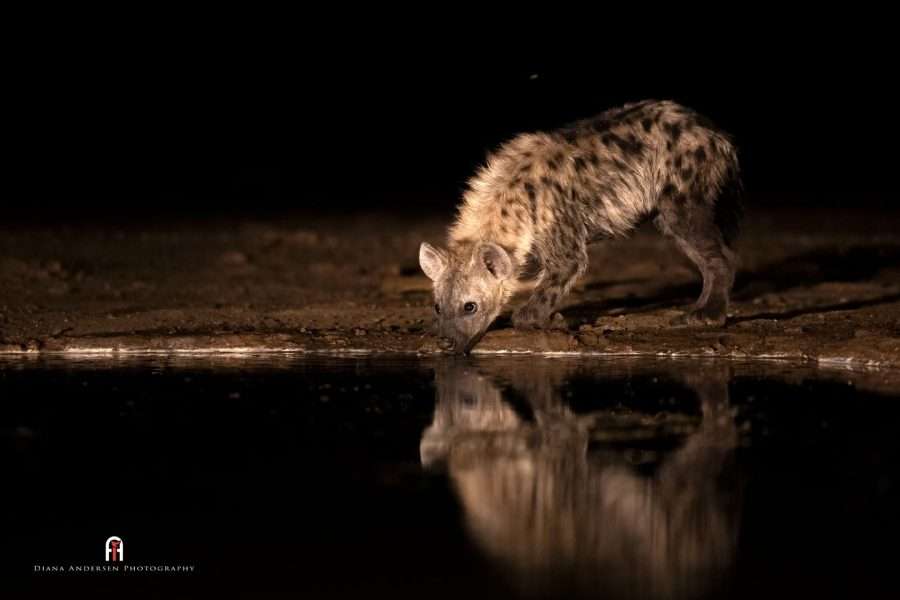
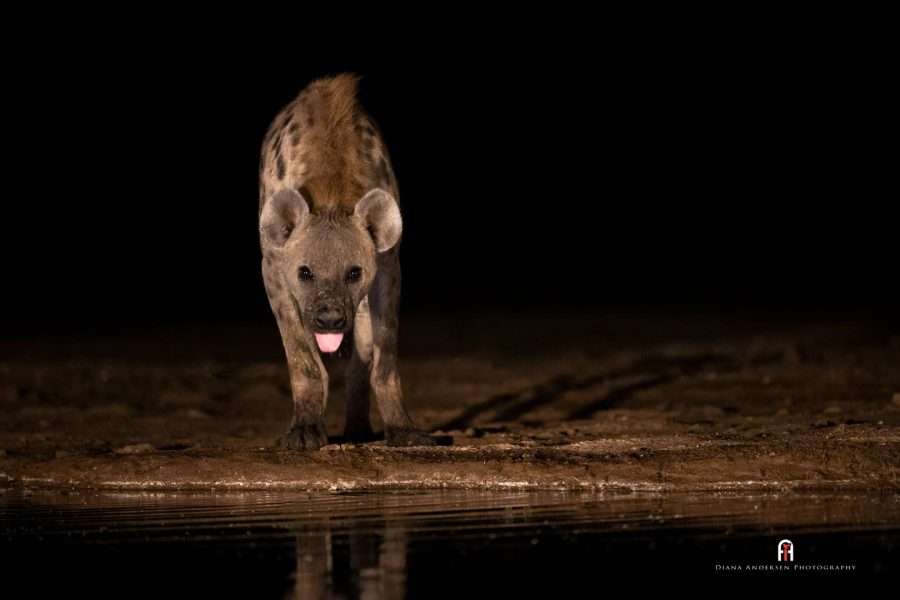
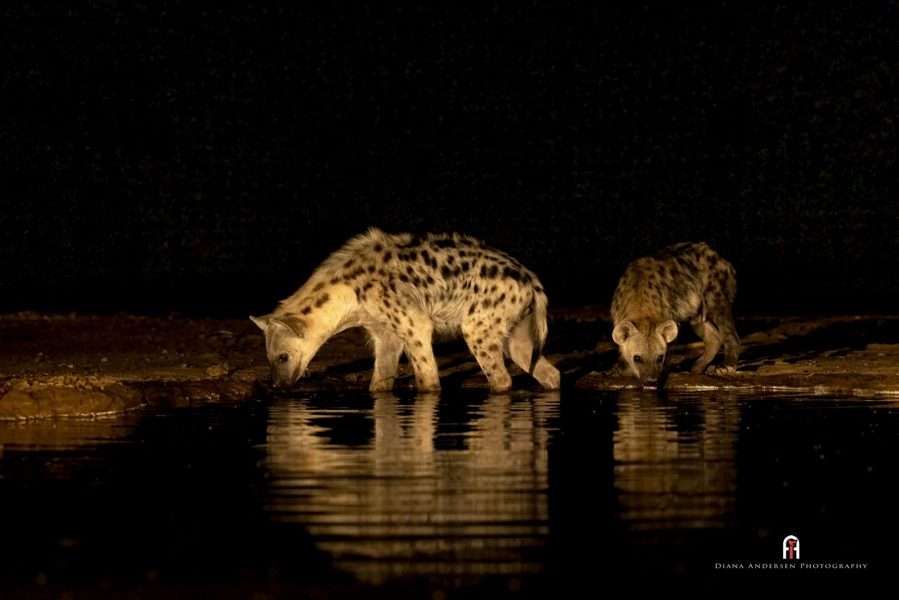
My Canon RF 70-200mm f/2.8L IS USM was ideal, allowing me to capture reasonable images of most animals visiting the waterhole to drink. The fast f/2.8 aperture meant I could keep my ISO from climbing to unmanageable levels, with most captures between ISO3200-5000. My shutter speeds were still very slow, tending to be around 1/160s, but thankfully, animals drinking are reasonably still.
RF 70 – 200mm f/2.8L USM Gallery
The Benefits of a Wide-angle Lens
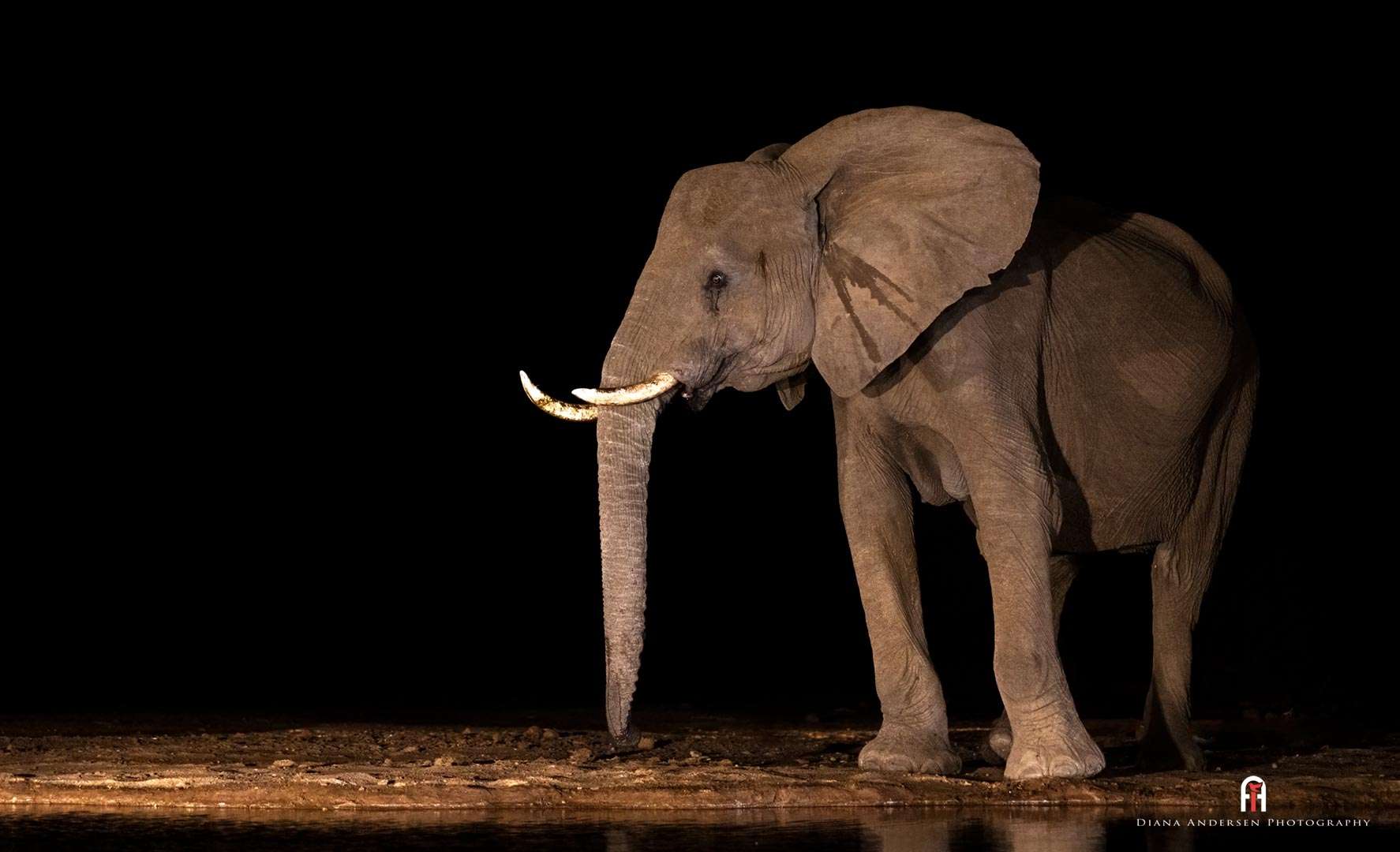
While the 70-200mm focal length was ideal, I strongly recommend a wider lens if you plan an overnight visit to the Lala Limpopo hide. The waterhole is intentionally small to help bring animals close to the hide within the range of the lighting. As a result, without a wide-angle lens, you may struggle to fit some of the larger visitors within your frame. I used a Canon EF 24-70mm f/2.8l iii usm, which comfortably accommodated a sizeable female elephant who visited during the night. Many wide-to-telephoto zoom lenses in this range have the added benefit of being fast with available apertures of f/2.8 to f/4.
Wildlife at the Lala Limpopo Hide
Much of Africa’s wildlife is sensitive to environmental changes within their territory. The hide is new and foreign to the animals living around the Lala Limpopo area, so it will take time for them to get used to the new lights and activity around the structure. However, this suspicion varies between species, so some less nervous species, like a family of hyenas denning close to the hide, have already become accustomed to the hide and provide some excellent photo opportunities both during the day and at night.
Birdlife, baboons, elephants and black-backed jackals also visit regularly, and many of the species we witnessed going past will soon become accustomed to the hide. Future visitors to the hide will likely experience excellent sightings and fantastic photo opportunities. I, for one, look forward to taking my guests back to the Lala Limpopo Sleepout Hide!
How to Book
If you visit the hide with a photo tour guide like myself, the hide accommodates a maximum of four photographers and your tour guide. However, if you book as an independent photographer, you will share the space with other photographers, and a PhotoMashatu photographer will be on hand to provide photography guidance if needed. There is also an option to book the hide on an exclusive use basis, both as a group or as an individual. Booking your session can be done through Mashatu management at the camp you are staying in or pre-book directly through PhotoMashatu.
Regardless of your photographic skill and whether you see many animals or just a few, a visit to the Lala Limpopo Sleepout Hide as part of your visit to Mashatu Game Reserve is an experience you will never forget.
JOIN DIANA VISITING MASHATU AND EXPERIENCING THE HIDE – LEARN MORE & BOOK
For more information about booking a stay at Mashatu Game Reserve and the Lala Limpopo Hide, fill in the contact form below or email Diana at diana@focuswildlifetravel.com.
ENQUIRE
Share this
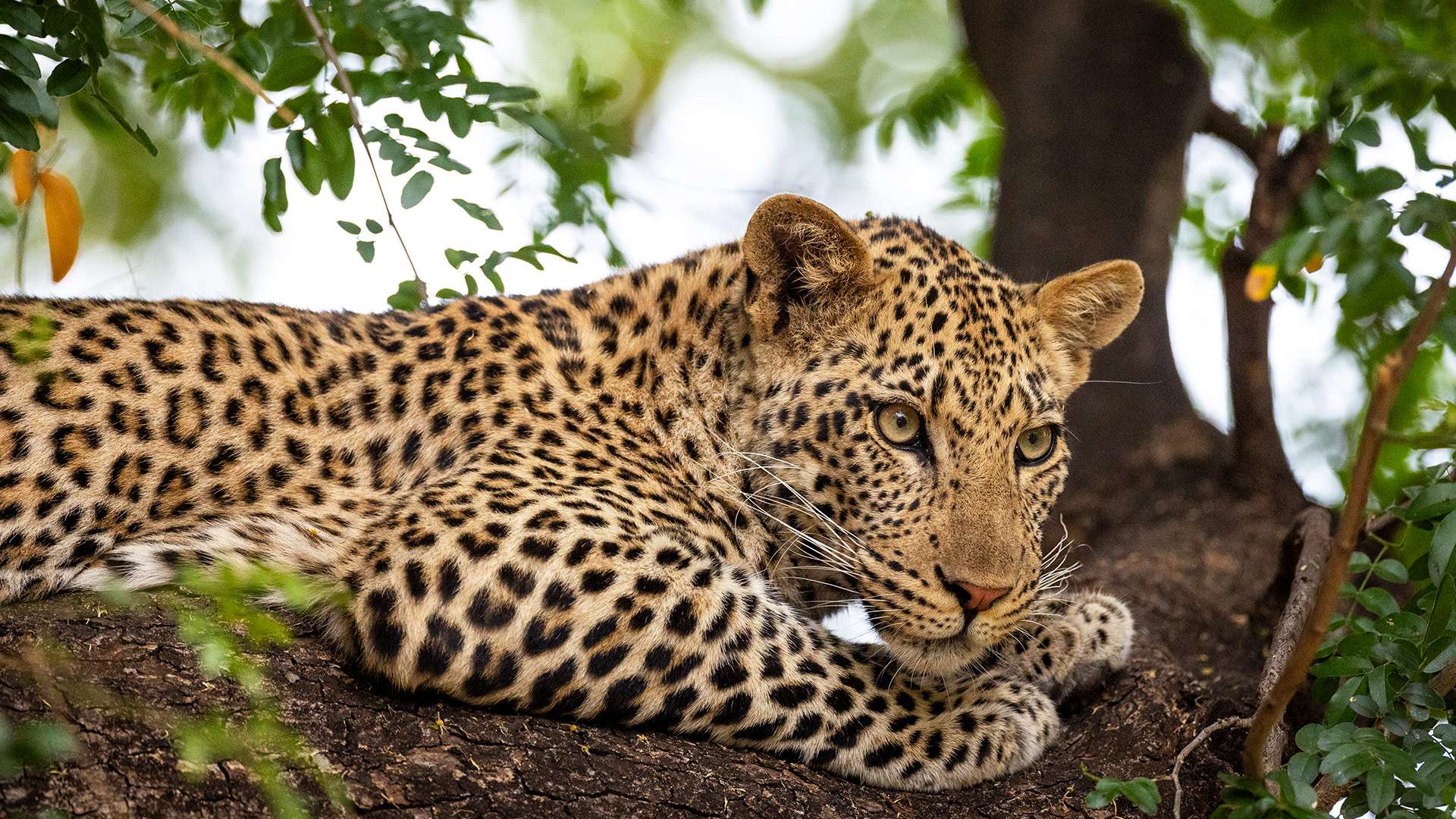
BOTSWANA PHOTO SAFARI
Join a safari to the amazing Mashatu and Chobe, led by award-winning wildlife photographer and instructor Diana Andersen. Learn More >
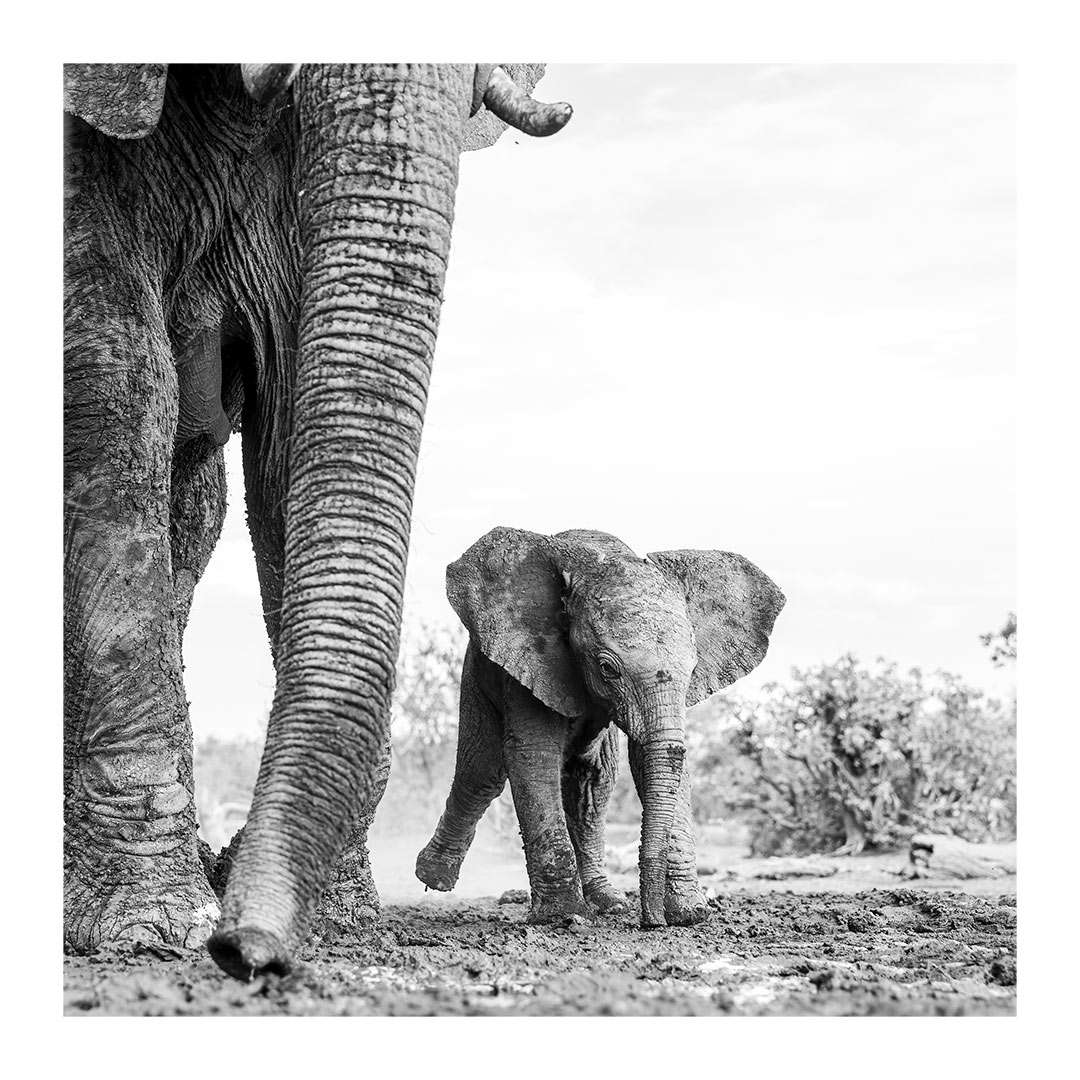
Staying Close
A beautiful black and white limited-edition print of an elephant calf alongside its mother by Diana Andersen. SHOP >
Related Reading
The Herd
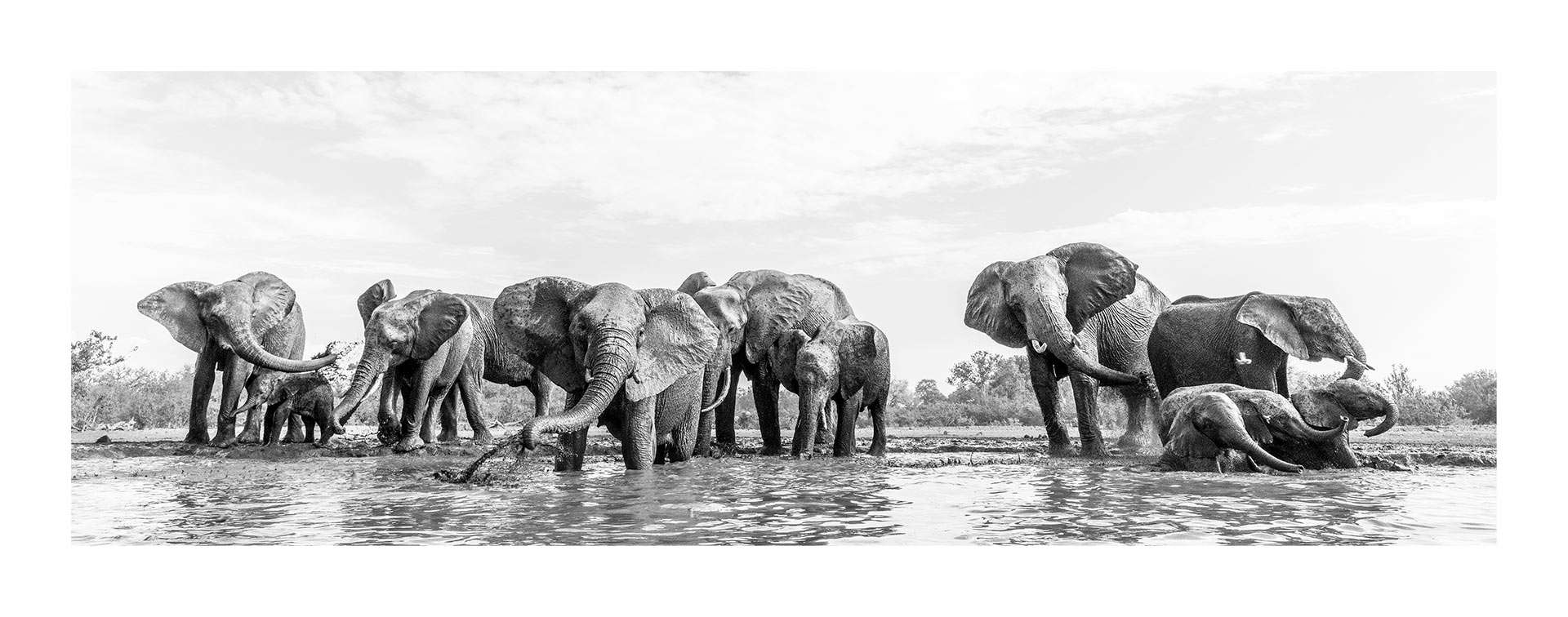
A beautiful black and white limited-edition print by Diana Andersen. For anyone who has witnessed elephants in Africa, this image will take you back to the special place that is Africa.
AMAZON
We are a participant in the Amazon Services LLC Associates Program, an affiliate advertising program designed to provide a means for us to earn fees by linking to Amazon.com and affiliated sites
SHOP WILDLIFE ART