The Magic of Mashatu
Words & Images by Diana Andersen
With numerous options available, choosing a safari destination in Africa can be overwhelming. Travel brochures make every location appear appealing, making it challenging to select one over another. A good starting point is to consider what you hope to gain from your African experience. As a wildlife photographer, the promise of incredible photo opportunities first drew me to Mashatu Game Reserve in Botswana. However, the enchanting magic of Mashatu keeps bringing me back time and again.
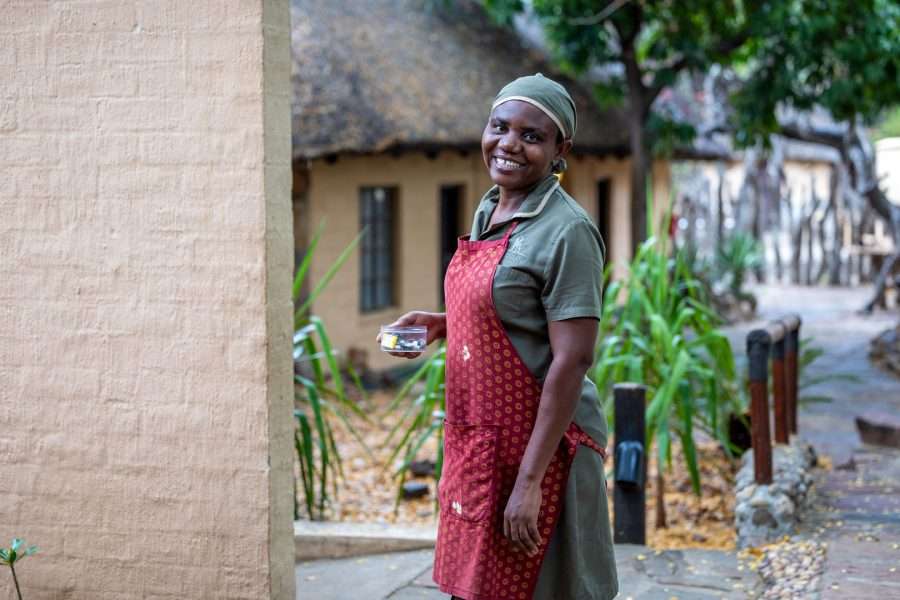
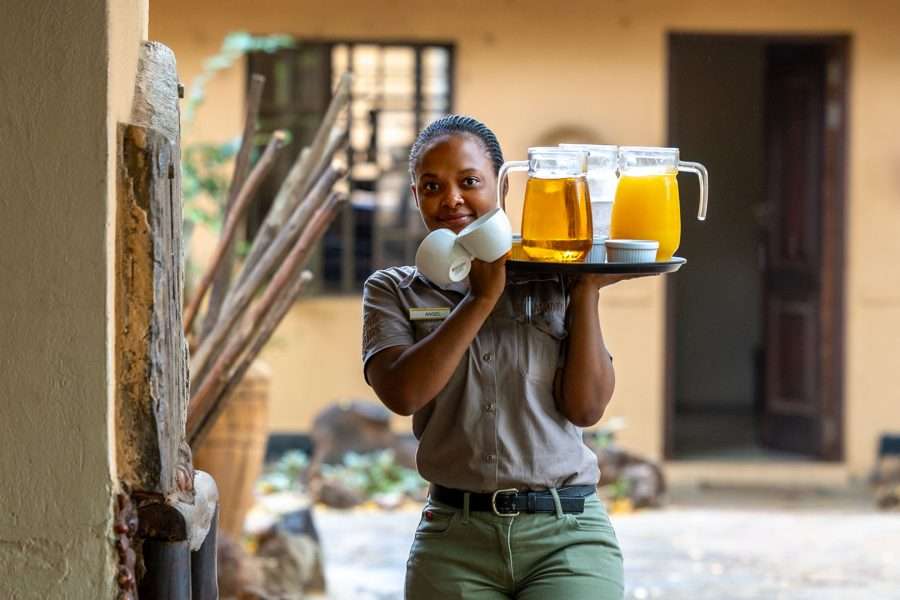
What makes Mashatu so unique? Beyond its remarkable wildlife density, Mashatu has a familial atmosphere. Many staff members, essential to enhancing the visitor experience, have grown up around Mashatu and take great pride in their piece of Botswana. Their welcoming songs and genuine smiles when you arrive make you feel at home. The attention to detail and their commitment to ensuring your stay is as enjoyable as possible is second to none. The staff strive to please, surprise, and delight their guests at every opportunity. Nothing is too much trouble, regardless of which camp you choose within the 42,000-hectare reserve. With a sense of remoteness and true wilderness, it’s easy to forget that the world outside Mashatu’s borders even exists.
Mashatu, the Land of the Giants
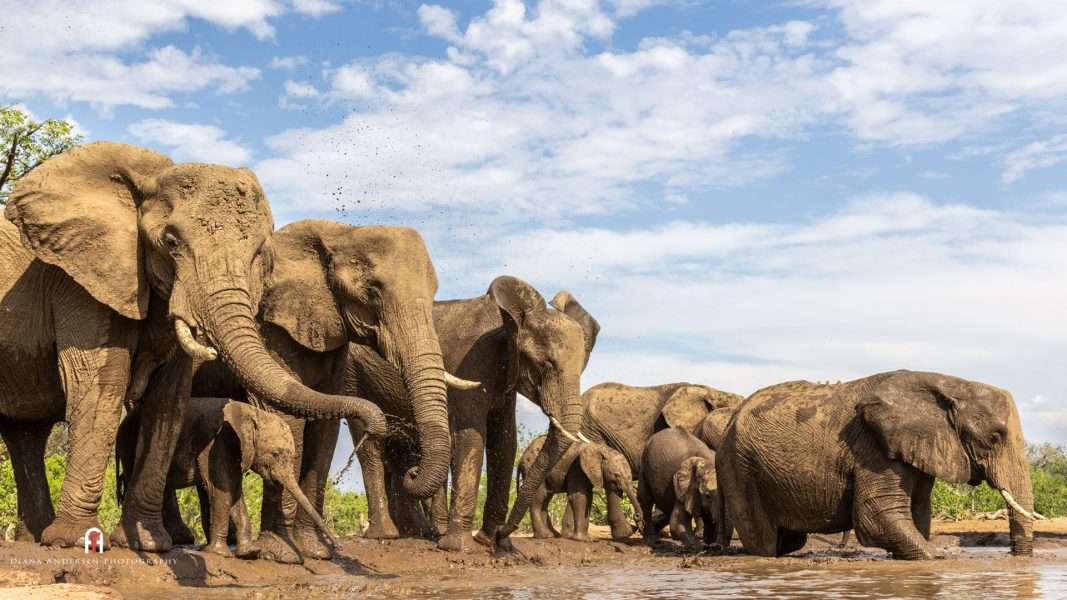
Mashatu is known as the Land of the Giants and is famous for its massive Mashatu habitat trees. The game reserve is home to large herds of elephants and boasts an impressive density of wildlife set against a stunning landscape. You will discover a remarkable abundance of animal tracks when you step out of the vehicle anywhere in Mashatu. The landscape within the reserve also varies dramatically, with the Limpopo, Shashe, and Majale rivers winding their way through and areas with ancient and dramatic rock formations. In addition, seasonal changes transform the landscape from arid to a lush green paradise with a carpet of yellow flowers and flowing rivers, leaving guests longing to return and experience the diversity of seasons.
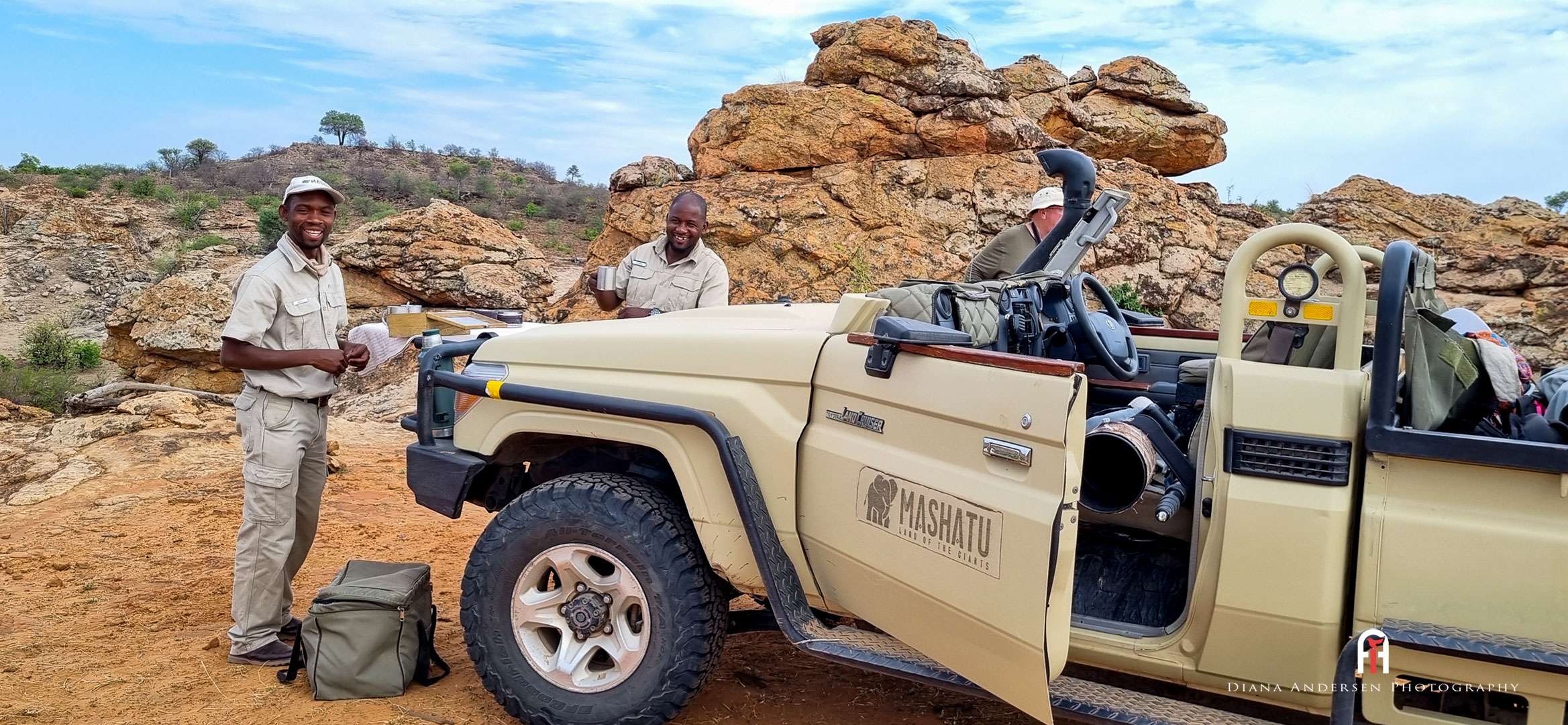
Mashatu Private Game Reserve has highly trained guides and trackers and use open vehicles which is excellent for game viewing and photographic safaris.

ANIMALINFO PUBLICATIONS
DIANA ANDERSEN
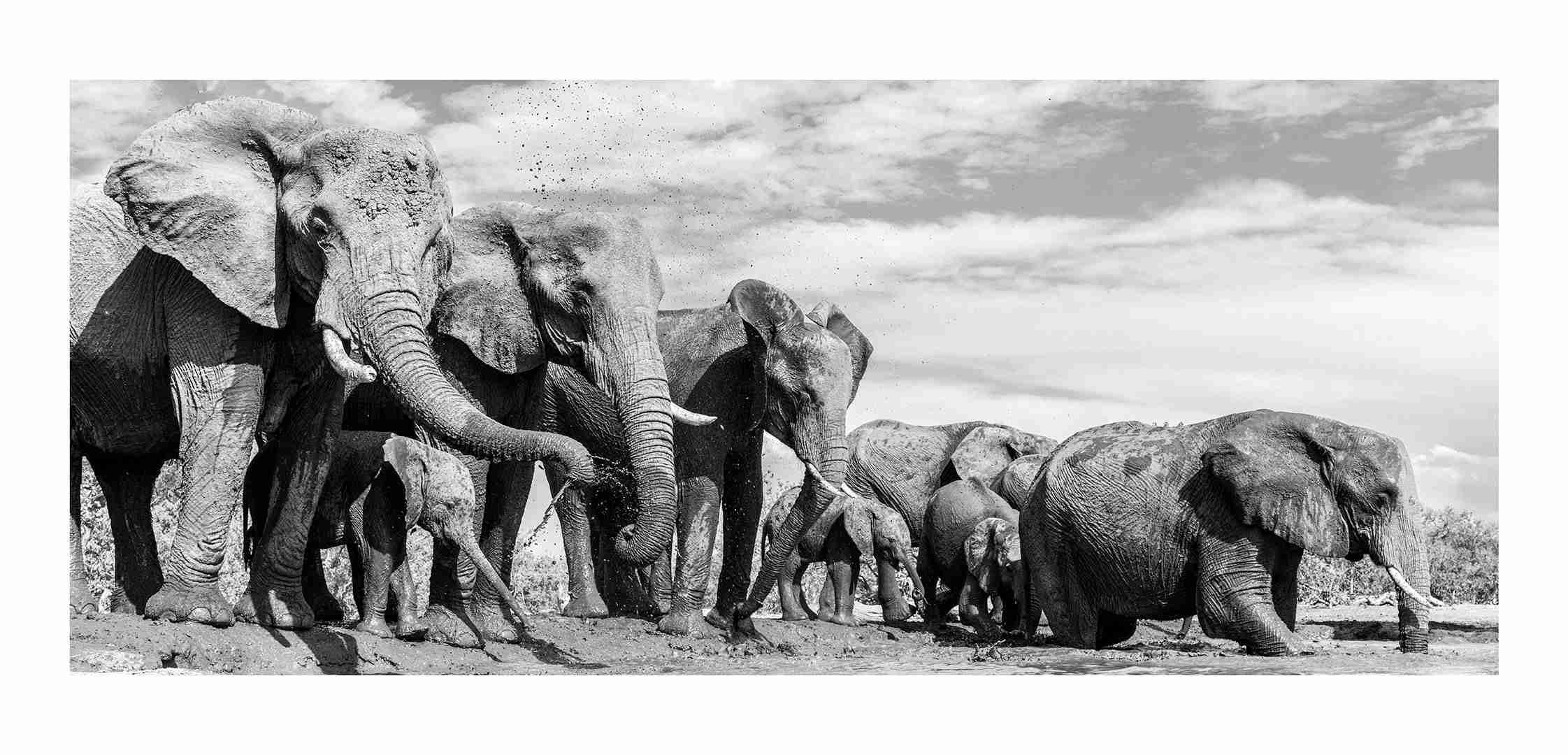
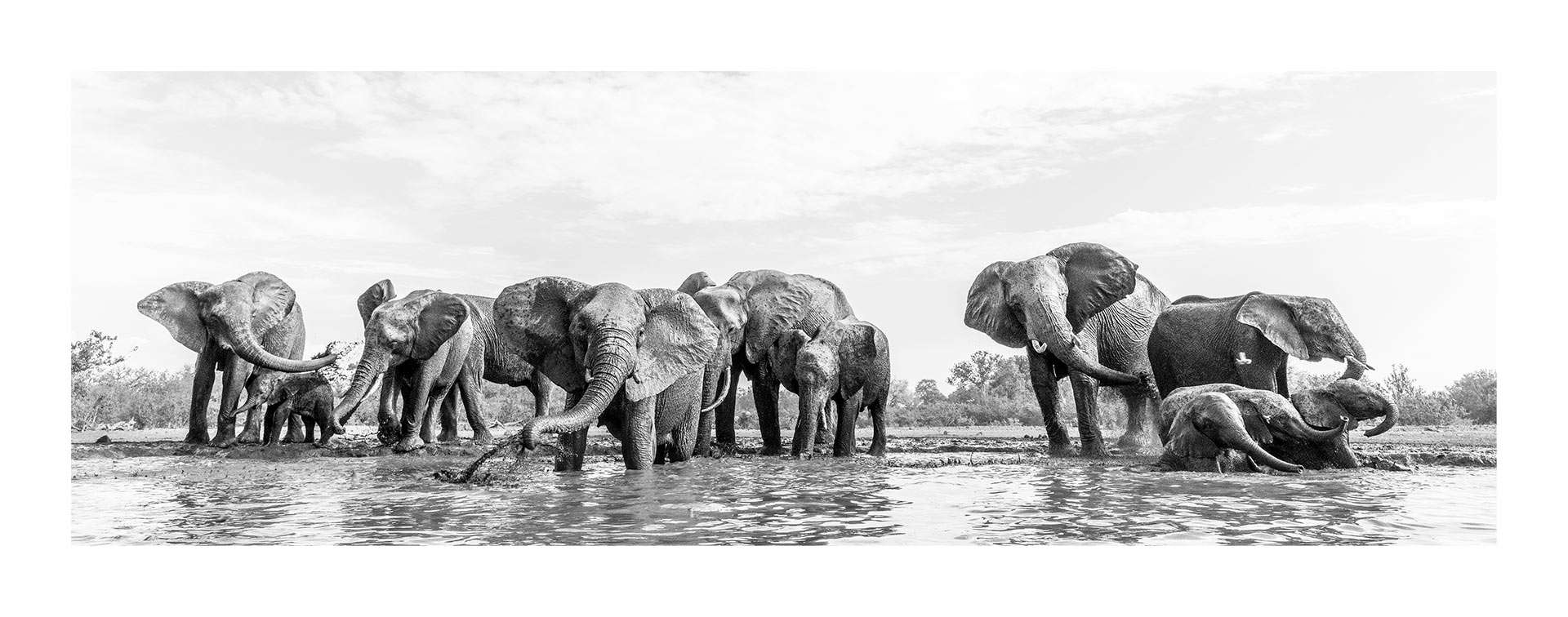
The Waterhole
A beautiful black and white limited-edition print of elephants visiting a waterhole in Botswana by Diana Andersen. SHOP >
Accommodation Choices
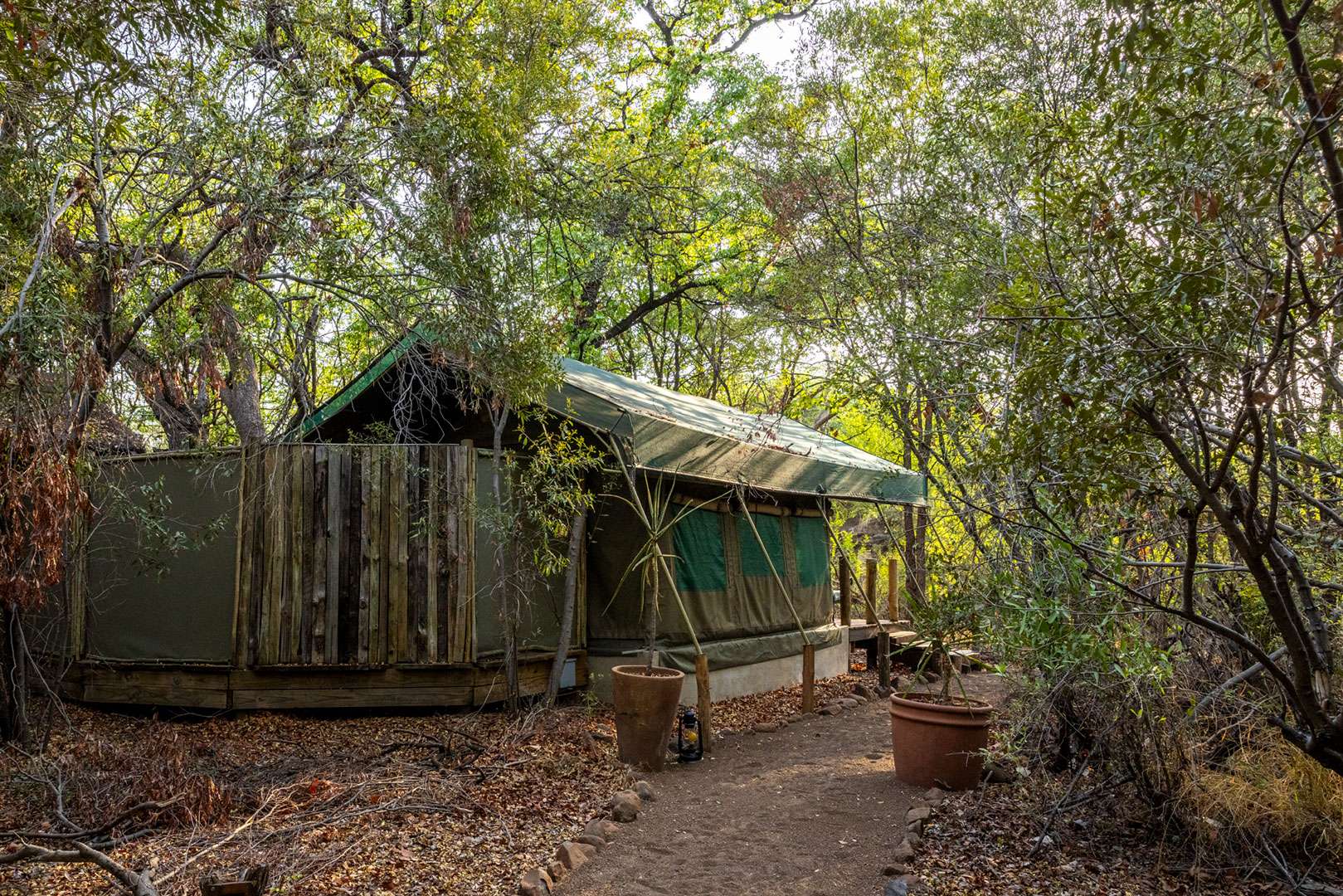
Within the Mashatu Game Reserve, four lodges accommodate various budgets, and there are also two exclusive-use safari homes, Kolokolo and Shalimpo. The least expensive option is Mashatu Tent Camp, which, despite its lower cost, offers food and service that rival the other accommodations. It remains a favourite of mine and all my guests who have joined me at Mashatu. As the name suggests, accommodation is in tented suites, each with a private but outdoor bathroom. The authentic African atmosphere, the secluded bush location, and the opportunity to relax on the main lodge’s deck while watching wildlife visit the onsite waterhole create lasting memories. Mashatu Tent Camp is also close to the reserve’s central area, which boasts the highest density of wildlife and often the best sightings.
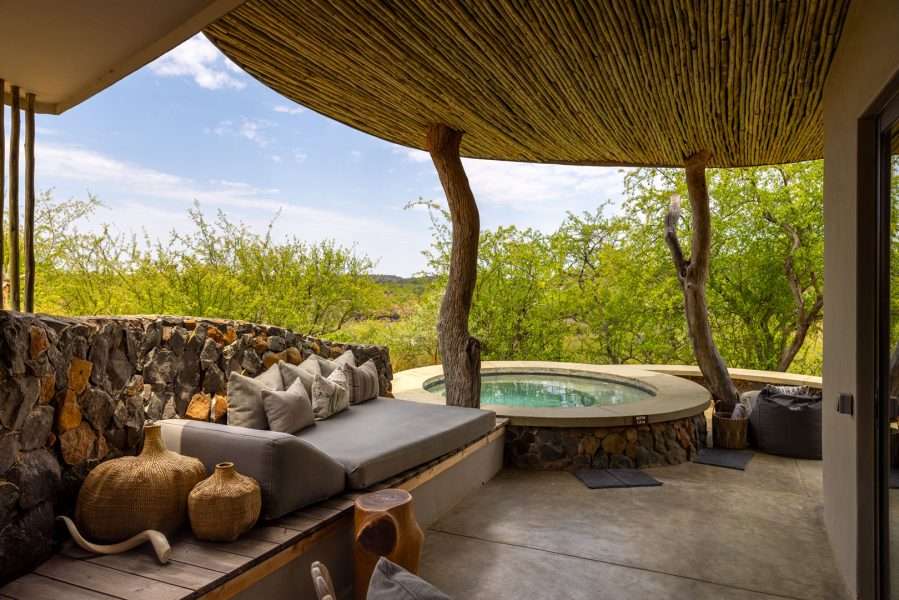
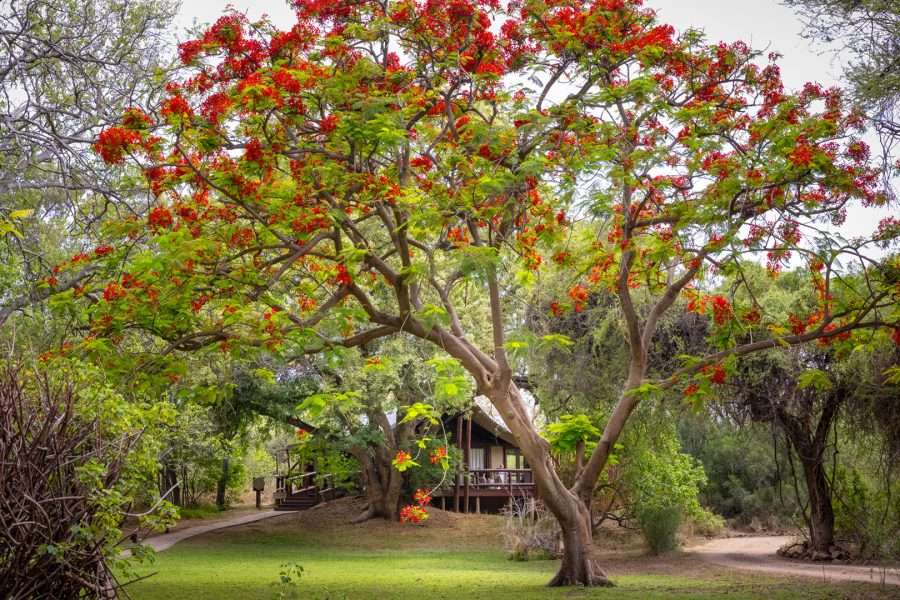
In addition to Mashatu Tent Camp, you’ll find two other accommodations near the central game areas, Mashatu Lodge and the newest addition to their portfolio, Euphorbia Mashatu. Everyone should have the opportunity to experience the luxury of five-star accommodation at least once. I was fortunate to stay at Euphorbia during my first visit to Mashatu. These beautifully appointed luxury villas are uniquely designed and based on the leaf of the iconic Mopane tree found throughout Mashatu. Set amongst Euphorbia trees, the villas overlook the Majale River, offering stunning views, which you can enjoy from private plunge pools on your verandah. Gourmet meals prepared with the finest local ingredients add to the five-star experience.
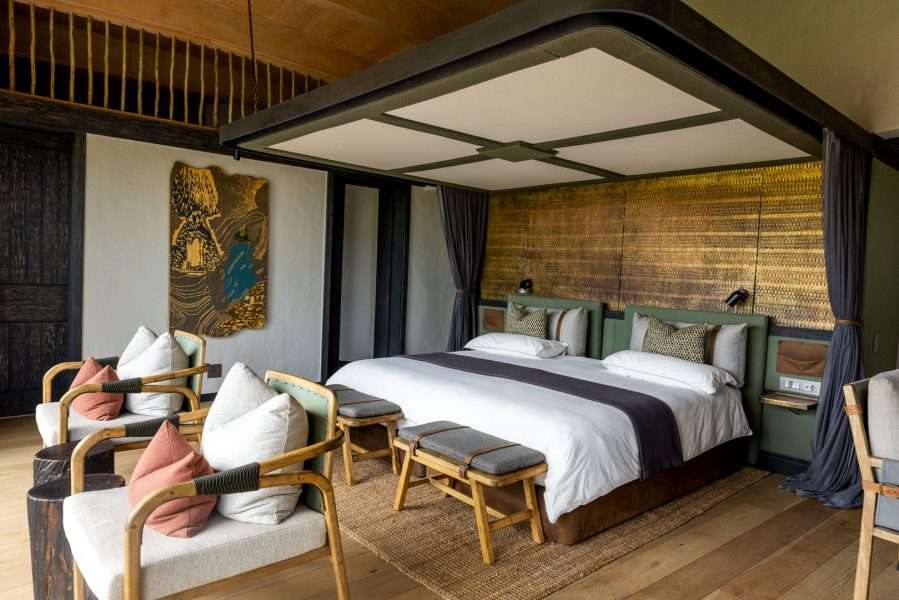
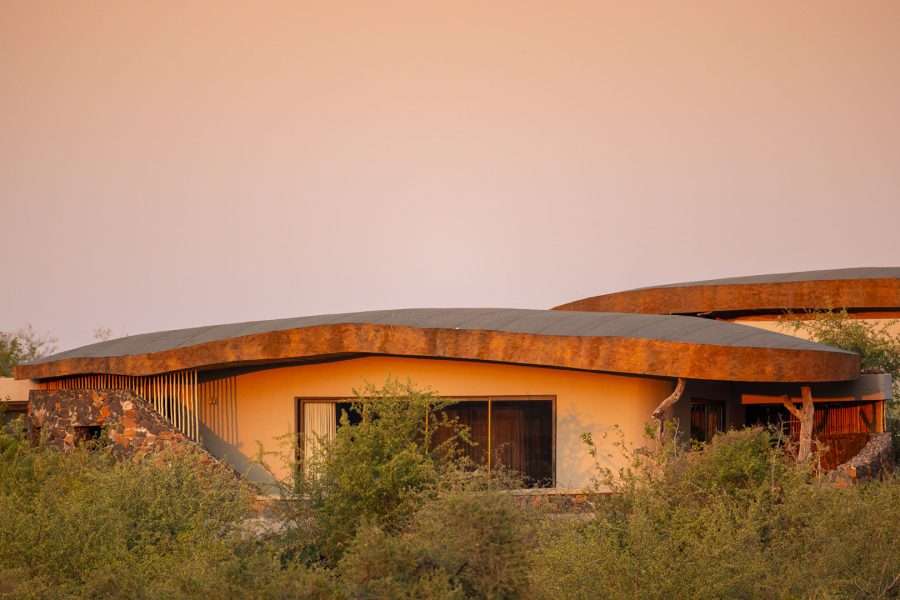
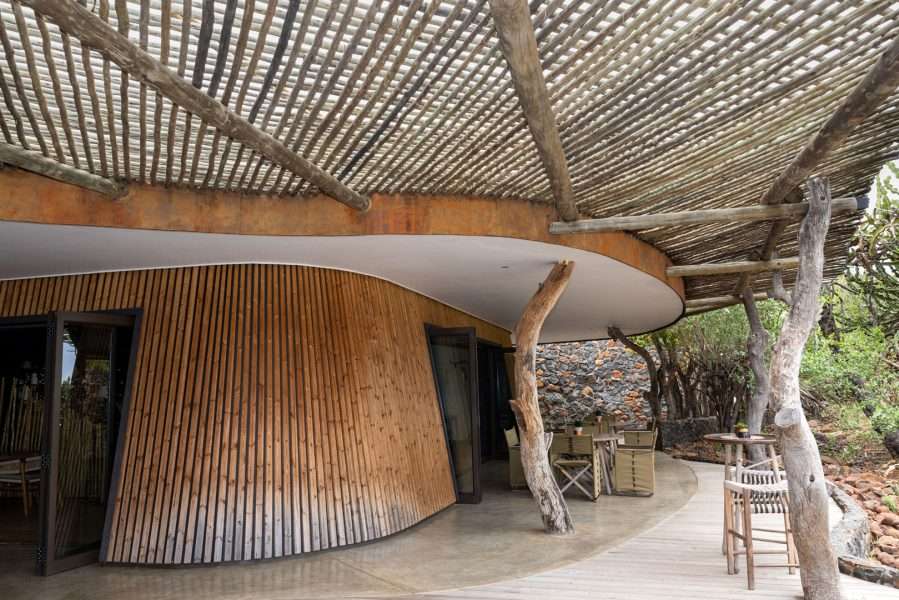
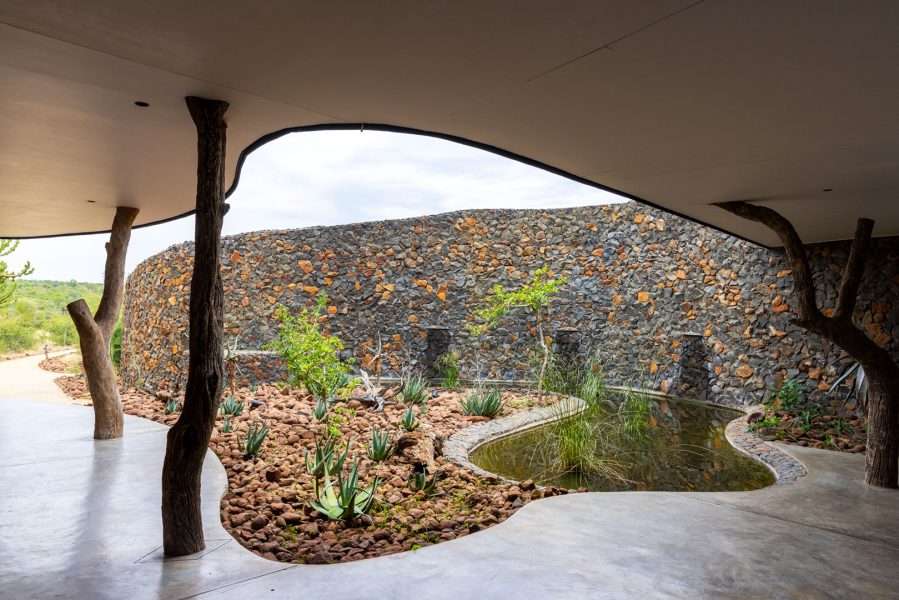
Mashatu Lodge provides an excellent option for families, featuring air-conditioned suites and various activities designed for children. Additionally, the Discovery Center, which showcases wild animal skeletons and other unique exhibits, offers excellent educational opportunities for families visiting Mashatu.
Game drives from any of these three accommodations explore similar areas, resulting in comparable wildlife experiences. However, the fourth lodge, Tuli Safari Lodge Mashatu, offers a distinctly different experience. Located on the southern side of the reserve along the banks of the mighty Limpopo River, Tuli features ancient and stunning rock formations, with remarkable baobab and fig trees clinging to the rocks.
While game drives in Tuli may involve more driving to locate wildlife and depend heavily on the skills of the trackers and guides due to fewer vehicles in the area, they are still highly productive. The rock formations provide photographic opportunities that are unique and very different from standard African landscapes. The lodge features eight luxurious tented suites and is a stunning oasis in the rugged terrain that will always hold a special place in my heart.
Wildlife in Mashatu Game Reserve
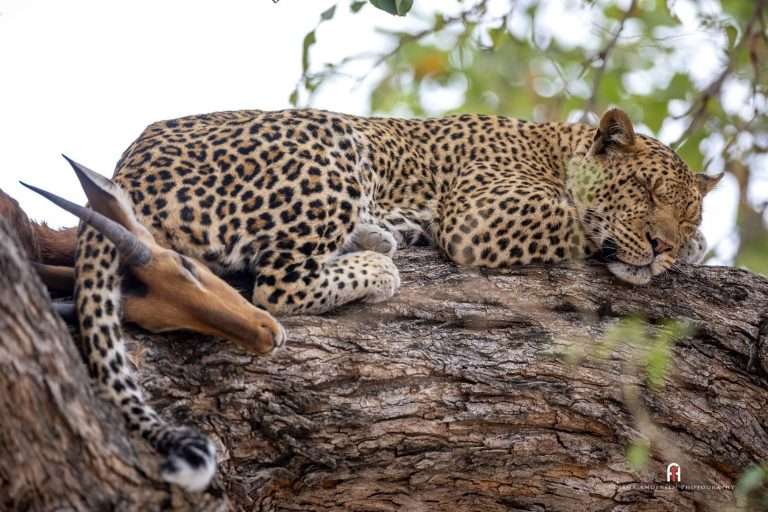
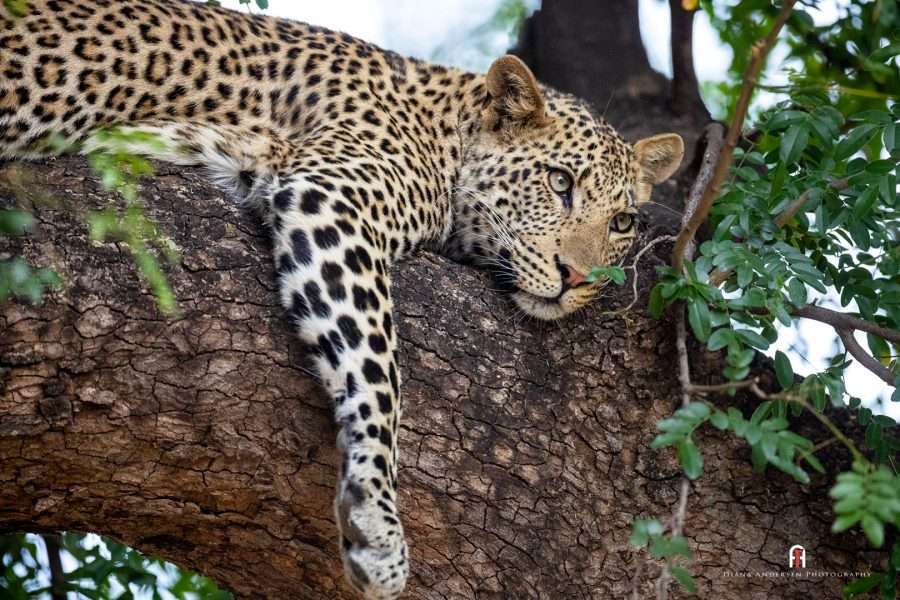
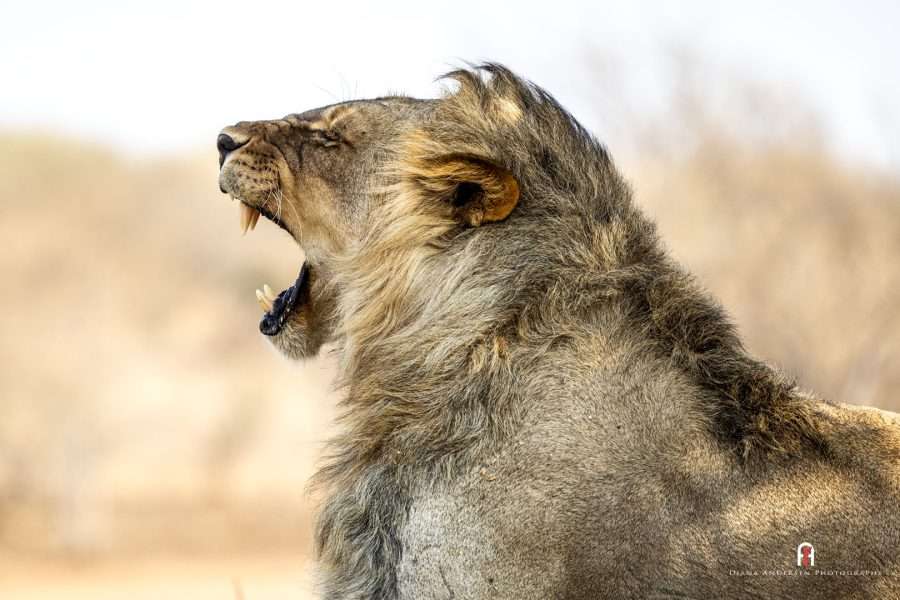
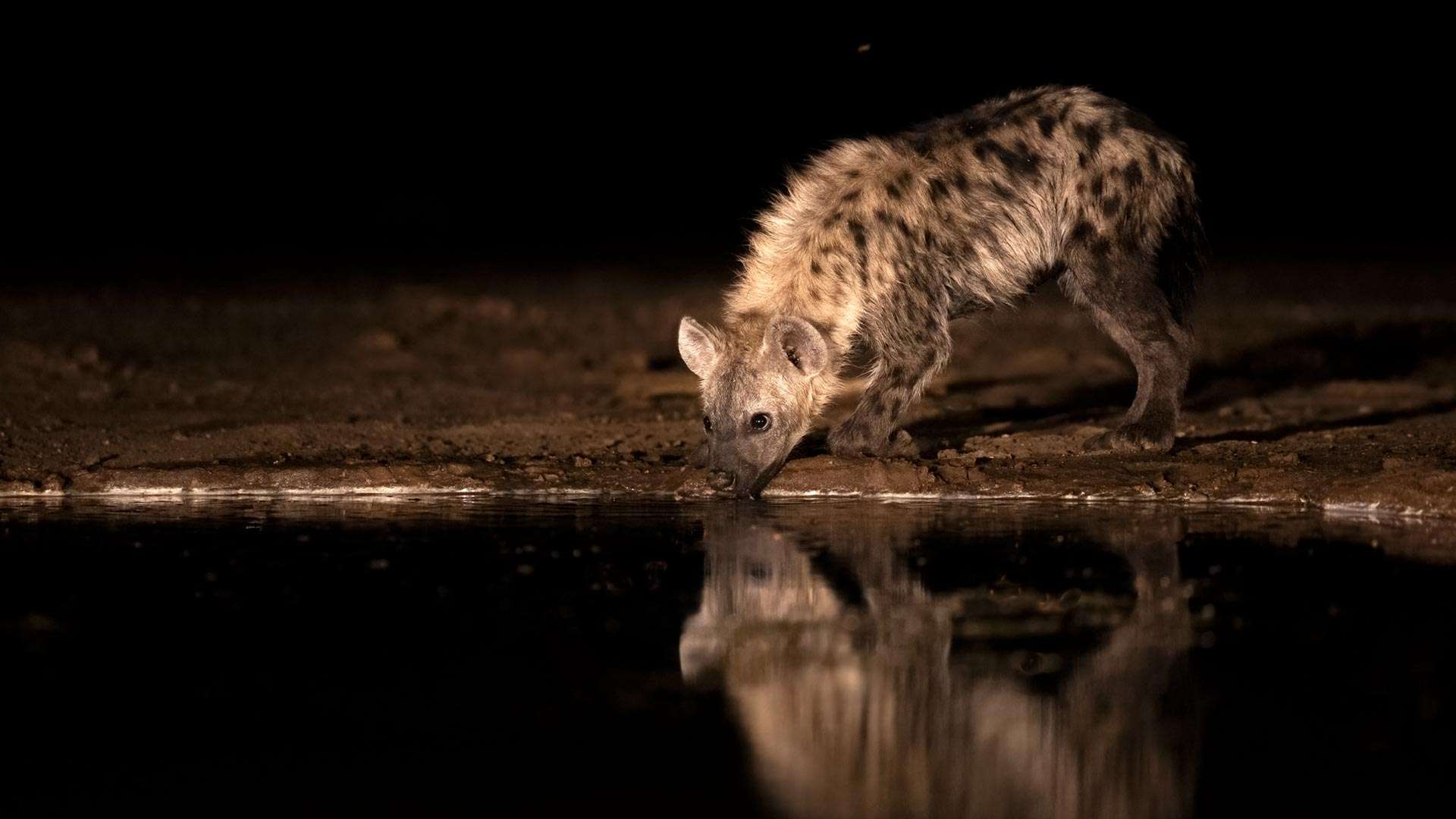
If experiencing the “Big Five” is essential to your African adventure, you may be disappointed, as Mashatu does not have Cape buffalo or rhinos. However, the density of wildlife in Mashatu is impressive. The diverse habitats support many different species, ranging from large numbers of elephants to tiny elephant shrews. The winding riverbeds, lined with massive overhanging trees, create an ideal environment for leopards, resulting in excellent sightings of these iconic big cats. Other regional predatory species include lions, cheetahs, spotted hyenas, African wildcats, and black-backed jackals.
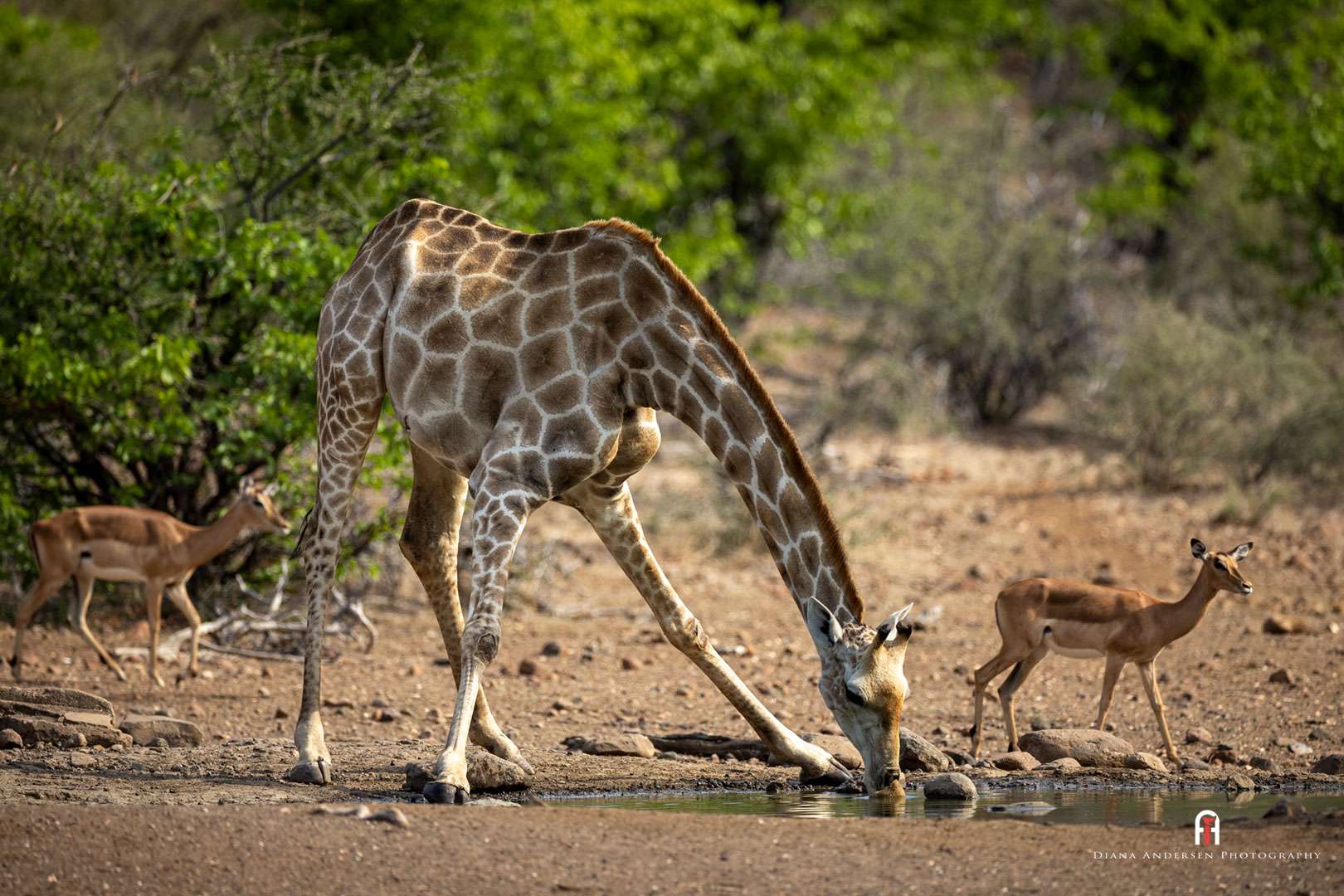
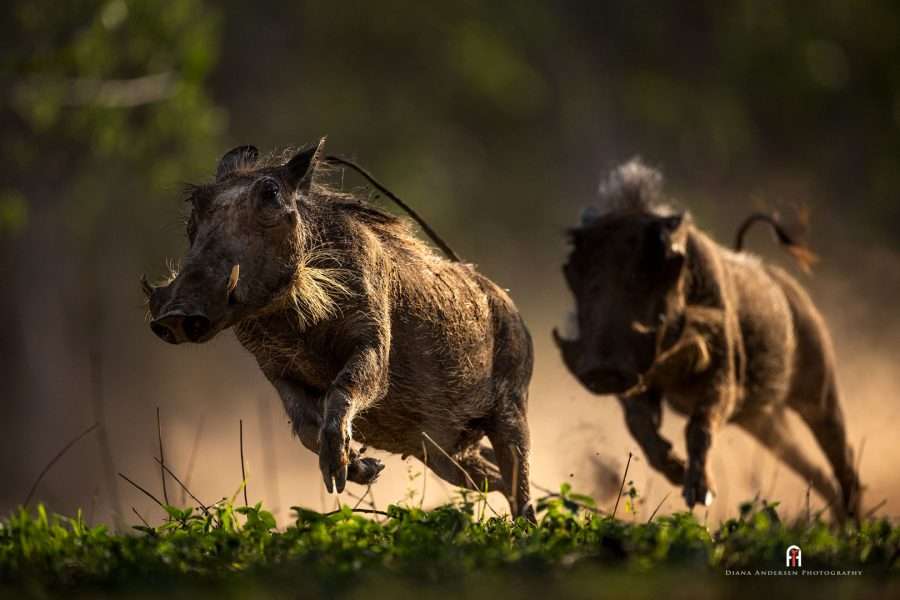
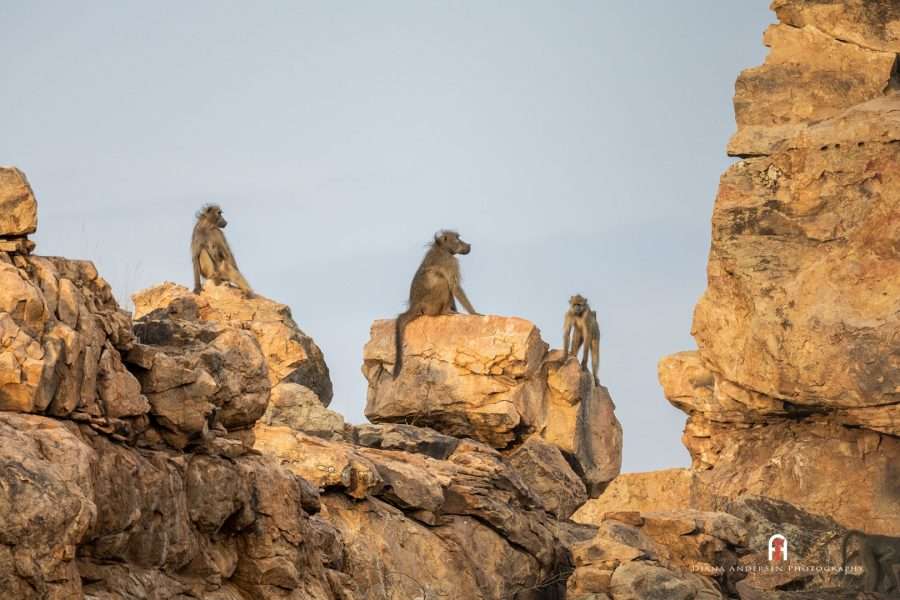
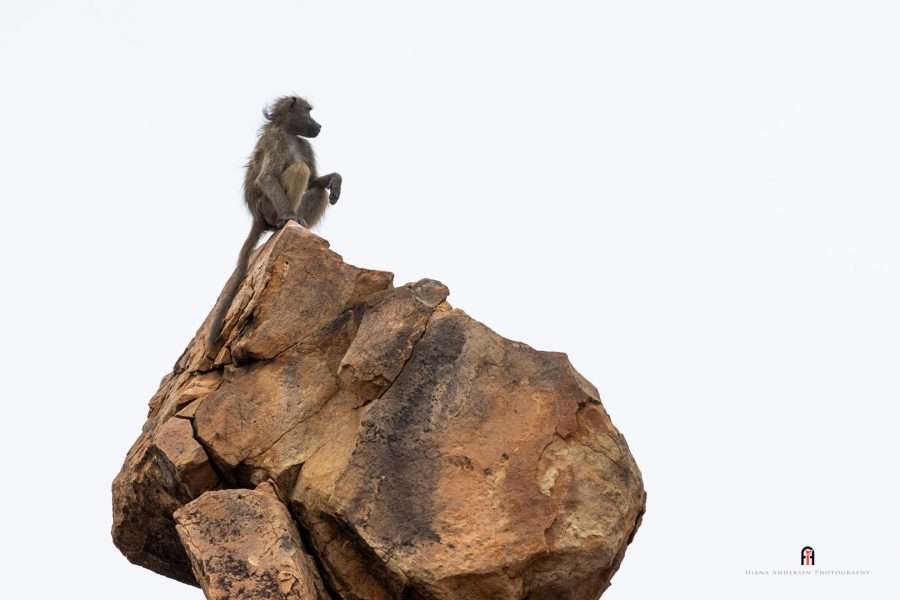
The reserve is home to a significant population of giraffes and a diverse range of antelope species, including impala, eland, kudu, klipspringers, and steenbok. Visitors to the lodges and camps in the reserve are likely to encounter warthogs, mongooses, and large groups of baboons and vervet monkeys. Additionally, Mashatu hosts some less commonly observed species, such as the remarkable bat-eared foxes, honey badgers, and various reptiles, including large rock pythons and monitor lizards.
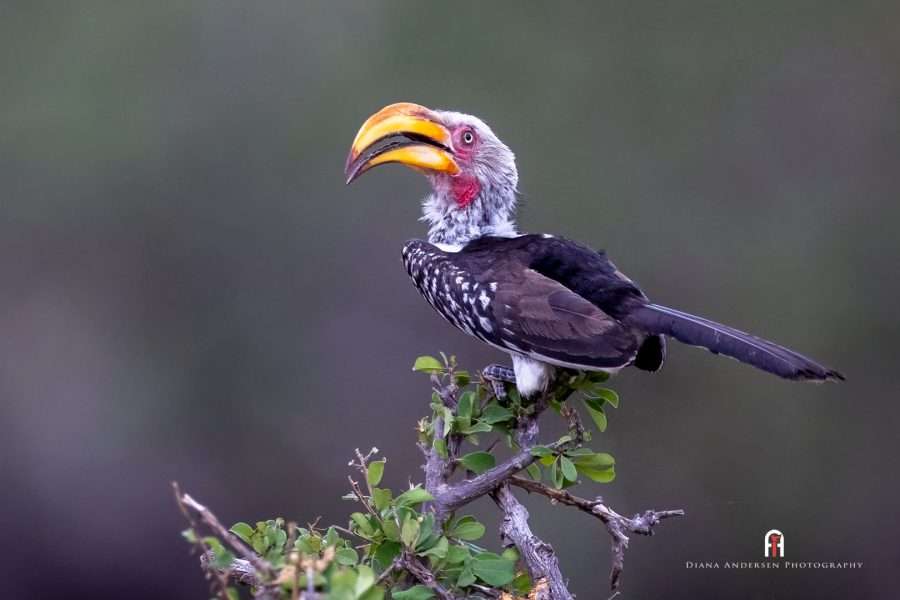
Without fencing along Mashatu’s borders, wildlife is transient, with its behaviour and numbers varying according to seasonal changes and the availability of food and water. During the dry season, grazing species like zebras may be less abundant, while elephants and browsers tend to increase as they move closer to water sources. The reserve boasts a rich variety of birdlife throughout the year, but with the onset of the wet season, the number of species swells to over 350 as migratory birds arrive from the Northern Hemisphere. For bird photographers, Mashatu will not disappoint!
Available Activities
Mashatu offers a variety of activities beyond game drives, many of which are designed specifically for photographers. One highlight is the Matebole Hide, a well-established wildlife hide that provides an excellent front-row view of animals visiting the waterhole. Guests can book the hide for a full day, morning, or afternoon session.
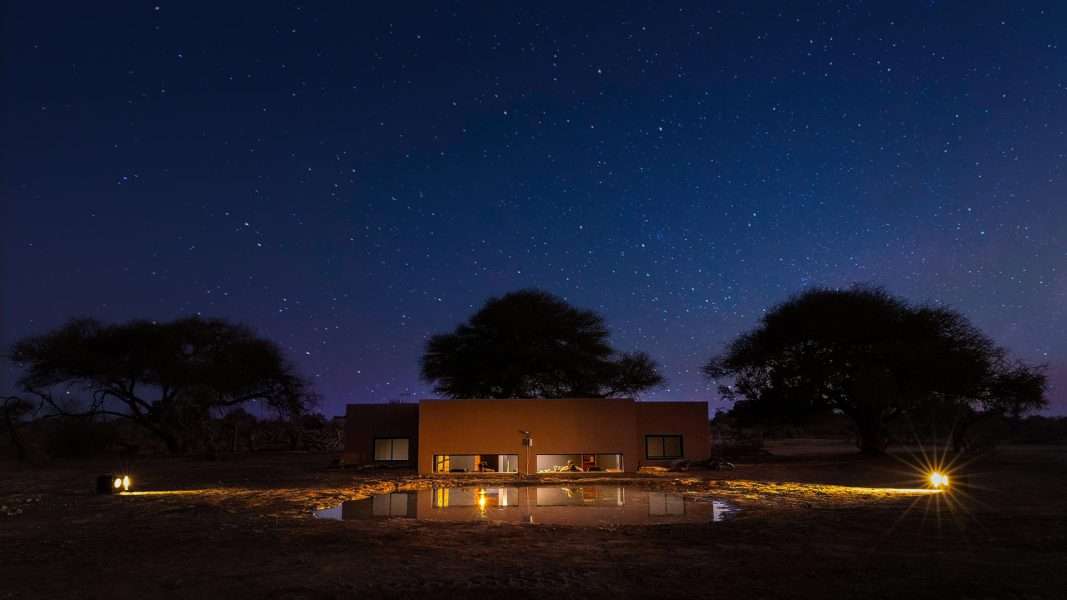
A recent addition to the offerings is the Lala Limpopo Sleepout Hide, which allows for night photography in the comfort of a beautifully appointed underground hide. Professional lighting is set up at the waterhole to ensure excellent visibility and photography of the animals that visit at night. Both hides close over the green season as animals are less likely to visit the waterholes.
Mashatu offers a variety of activities, including walking, cycling, and horseback safaris, as well as the chance to camp under the stars. For guests looking for relaxation, spa, wellness, and massage options are also available. Visits to Mashatu are fully inclusive, with all meals, drinks and activities included. However, visits to the photographic hides and other optional activities can be booked and paid for while visiting or pre-booked before arrival.
Getting to Mashatu
Self-driving is not allowed as Mashatu is a private game reserve, so there are very few vehicles—only those operated by Mashatu, with a maximum of three permitted at any sighting. Self-drivers can leave their cars at the Pont Drift border post, where Mashatu guides will meet them. Although Mashatu is more remote than other safari destinations—about a 6 1/2 hour drive from Johannesburg—fly-in package deals and charter flights are also available. Regardless of how you arrive, Mashatu is sure to impress!
© Copyright 2025. Diana Andersen, Animalinfo Publications
JOIN DIANA AND VISIT MASHATU – LEARN MORE & BOOK
To enquire about a tour or for more information about booking a stay at Mashatu Game Reserve, fill in the contact form below or email Diana at diana@focuswildlifetravel.com.
ENQUIRE
Share this
WILDLIFE TOURISM ARTICLES >
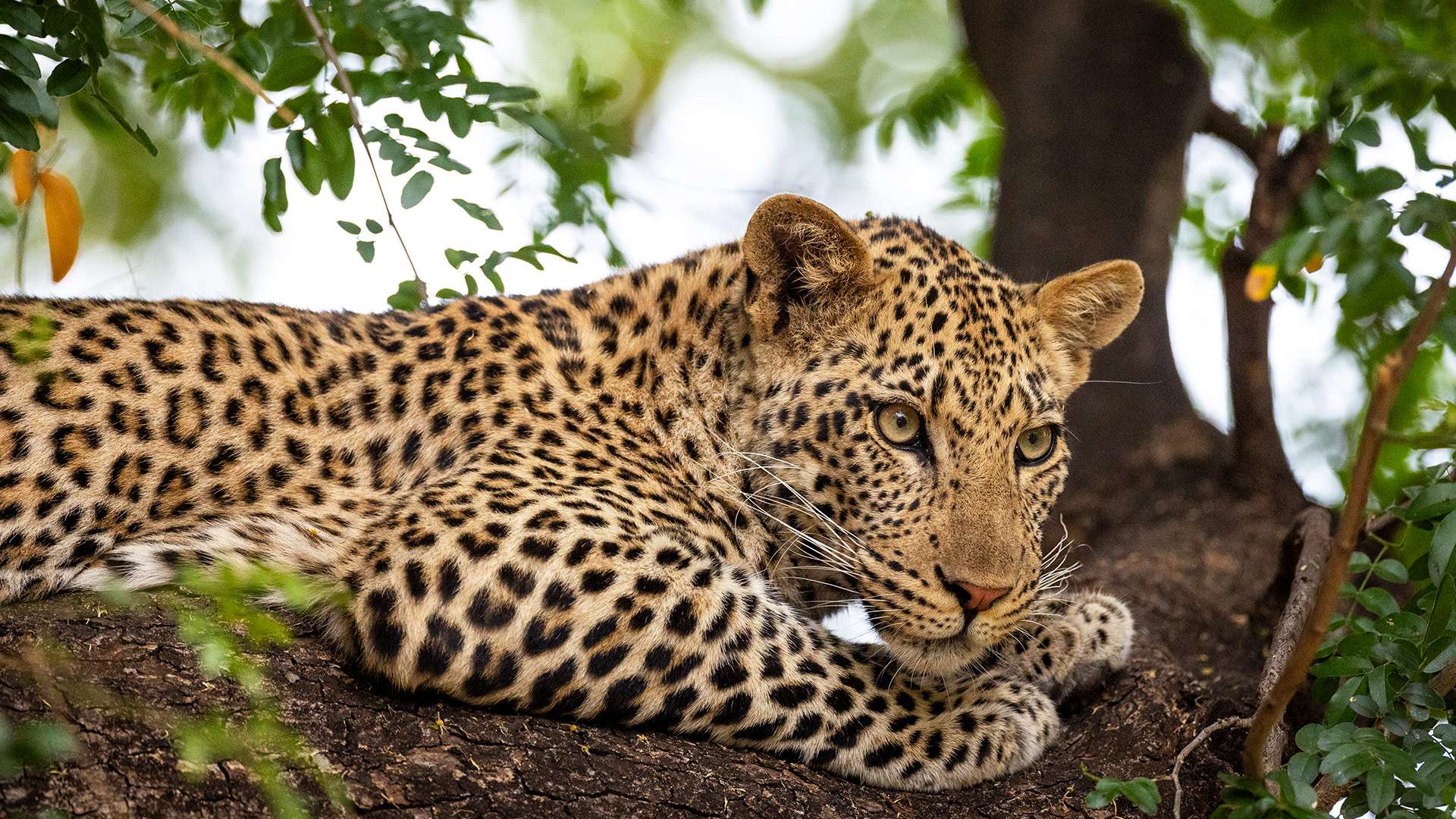
BOTSWANA SAFARI 2026
Join a safari to the amazing Mashatu and Chobe in 2026, led by wildlife photographer and instructor Diana Andersen. Learn More >
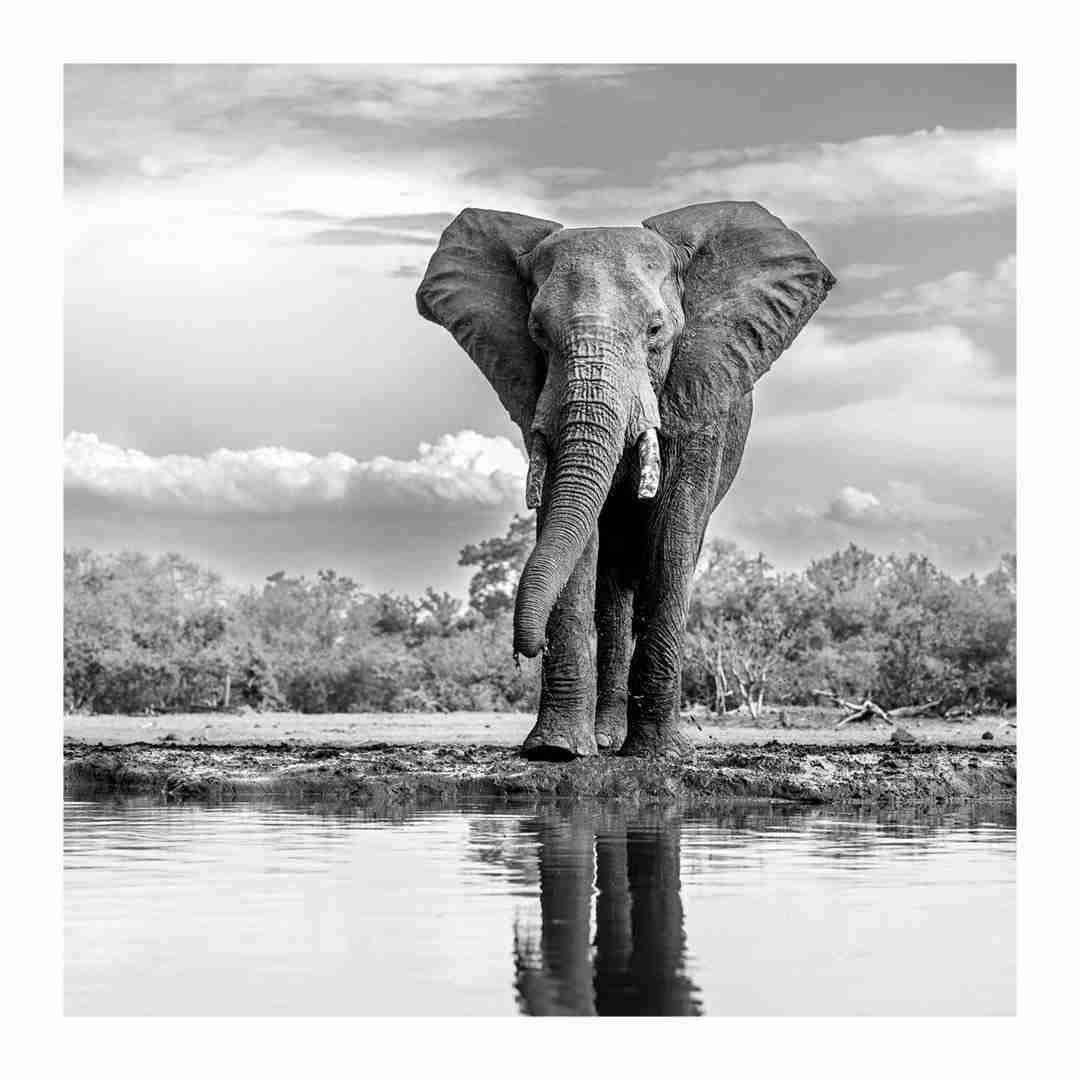
Staying Close
A beautiful black and white limited-edition (10) print of a bull elephant visiting a waterhole by Diana Andersen. For anyone who has witnessed elephants in Africa, this image will take you back to the special place that is Africa.. SHOP >
Related Reading
The Herd
A beautiful black and white limited-edition print by Diana Andersen. For anyone who has witnessed elephants in Africa, this image will take you back to the special place that is Africa.

AMAZON
We are a participant in the Amazon Services LLC Associates Program, an affiliate advertising program designed to provide a means for us to earn fees by linking to Amazon.com and affiliated sites
SHOP SAFARI WEAR