



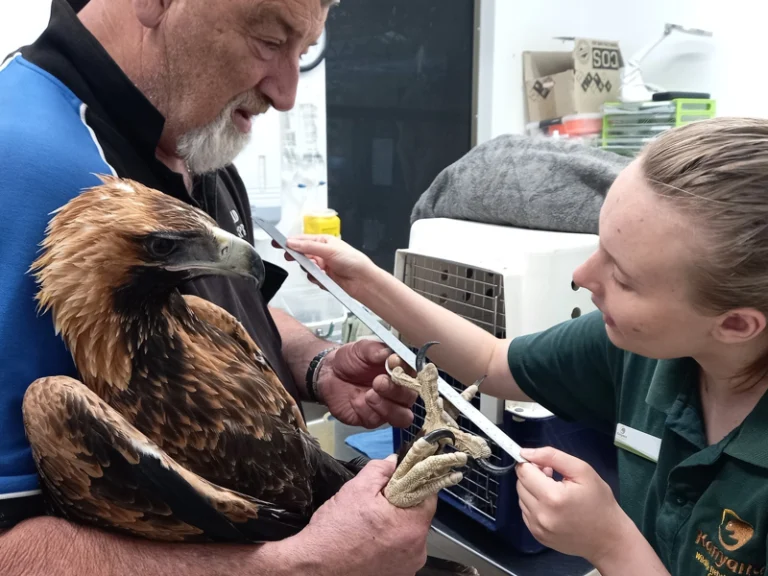
Every year, we care for thousands of animals that suffer from various ailments and injuries caused by environmental hazards, human
ORGANISATIONS
Wildlife rescue organisations and carers are an injured or orphaned wild animal’s best chance of survival. The faster you can reach an experienced wildlife carer the better. Find one near you in Lesmurdie, Western Australia, Australia..
Find a Wildlife Rescue Organisation or Carer in Western Australia
Wildlife rescue is a crucial process that involves the rescue, rehabilitation, and release of wild animals that are injured, orphaned, or sick. This process is often carried out by trained professionals and volunteers who provide medical care, shelter, and food to the animals in need. Wildlife rescue organisations work tirelessly to ensure that the animals receive the best possible care and attention. This greatly increases their chances of survival and eventual release back into their natural habitat.
Wildlife rescue organisations often have a network of volunteers and supporters who help them with fundraising, transportation, and other logistical tasks. They also work closely with veterinarians and other professionals to provide the best possible treatment. In addition, wildlife rescuers play an important role in educating the public about the importance of conservation and the protection of endangered species.
The ultimate goal of wildlife rescue is to release the animals back into their natural habitat once they have fully recovered from their injuries or illnesses. This requires careful planning and preparation, as the animals must be able to survive on their own in the wild. Wildlife rescuers often monitor the animals after their release to ensure that they adapt well to their environment and can thrive in the wild. In conclusion, wildlife rescue is a critical process that plays a vital role in conserving and protecting our natural ecosystems. The hard work and dedication of wildlife rescuers and their supporters help to ensure that these animals have the best possible chance for survival and the opportunity to thrive in their natural habitat.
Share on
