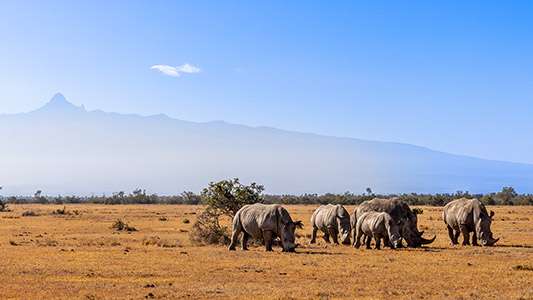
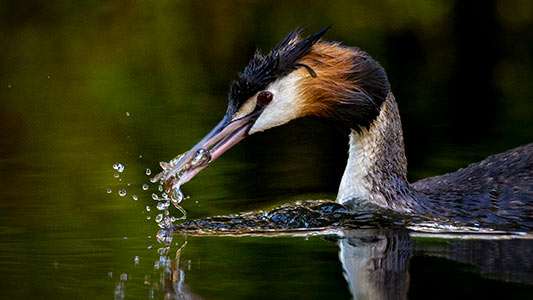
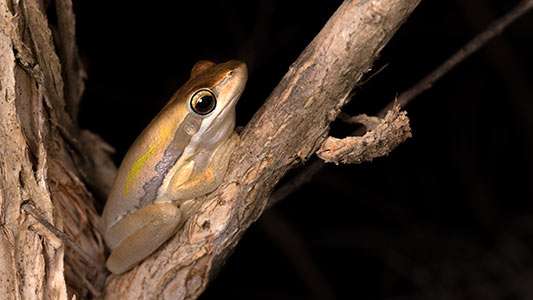
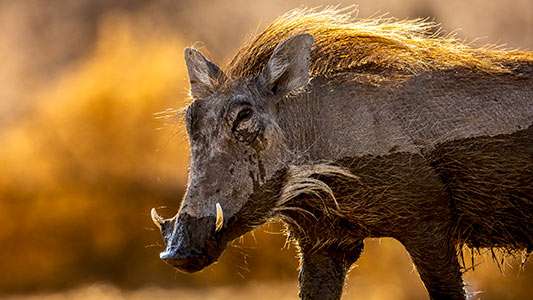
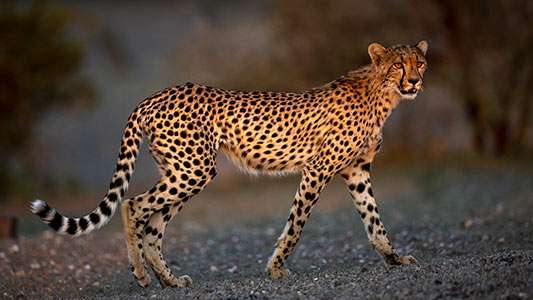
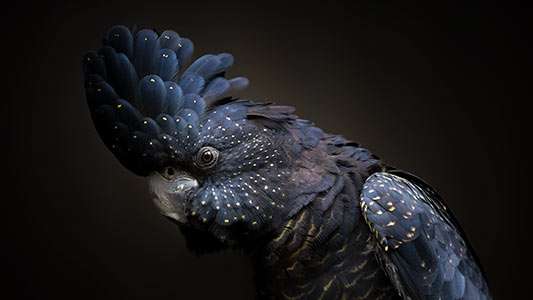
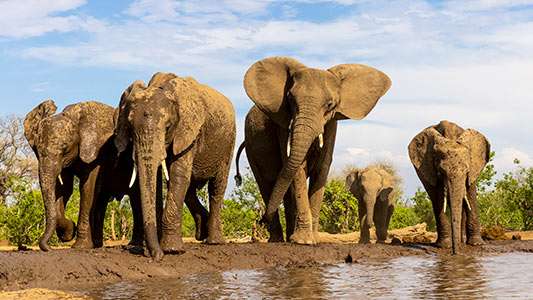

Wildlife photo safaris in Africa often come at a higher price than standard tours. So why the price difference, and is it worth it? The answer is a resounding yes! So, what makes them different?
The Benefits of Photo Safaris
Words & Images by Diana Andersen
When looking for a wildlife photography safari in Africa, you may notice that photo safaris are often significantly more expensive than other available tours. This disparity leads to the question: why is there such a price difference between photo versus regular safaris, and is it truly worth it? If you are a professional photographer or a serious enthusiast, the answer is absolutely! So what’s the difference?
All wildlife safaris differ significantly in terms of offerings and prices. At the lower end, you will find options like 40-seater tour buses and inexpensive pop-top vans used to transport tourists through popular national parks. However, capturing quality photographs can be pretty challenging with these options! These budget tours typically offer lower-cost accommodations and often include fewer game drives, with no off-roading activities. Transportation to and from the game reserves frequently combines commercial, domestic flights and road transport.
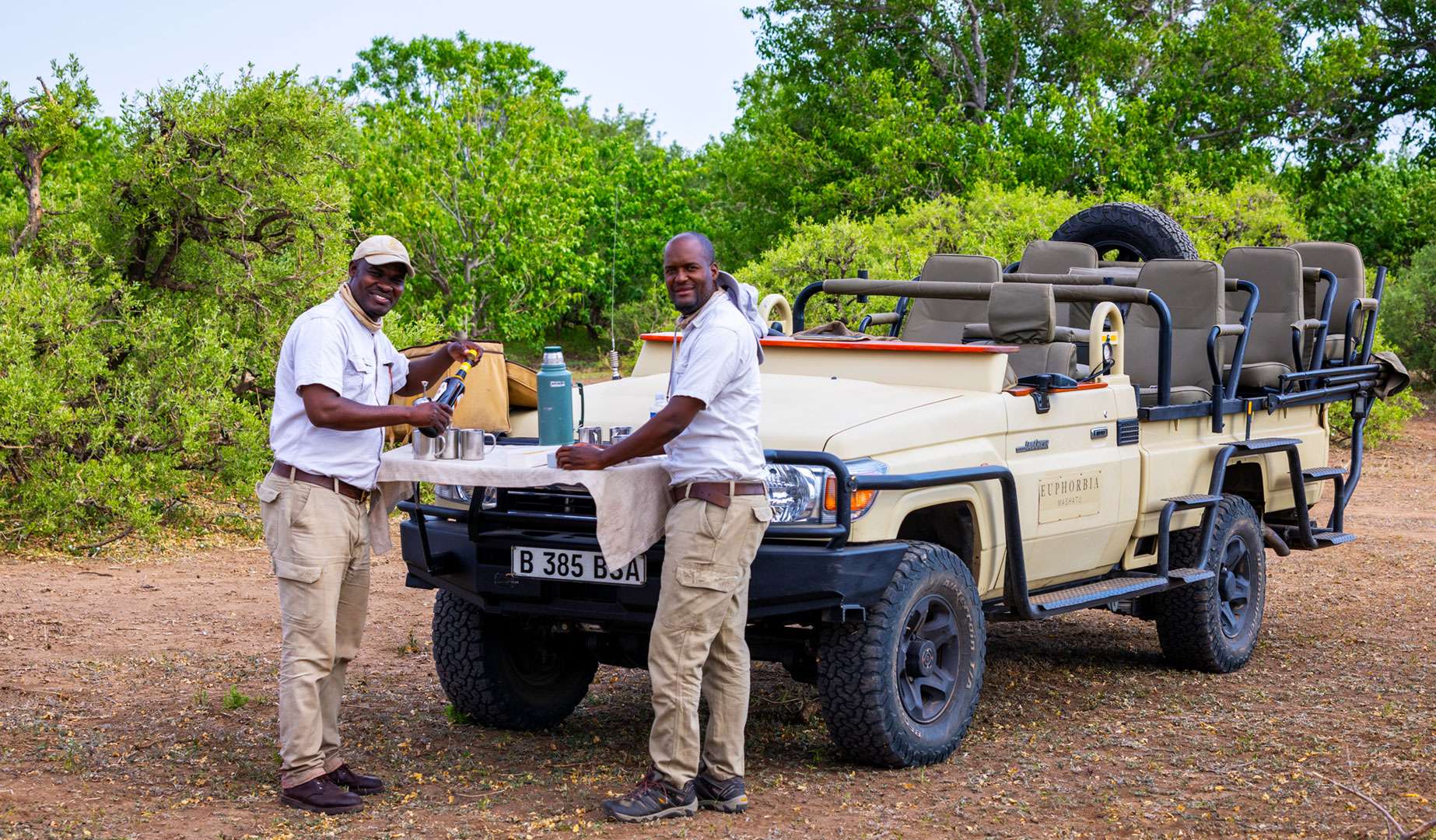
You can expect better vehicles at the higher end, often open with experienced guides and trackers. Groups are smaller, with 4 to 8 guests per vehicle, and providers also offer superior accommodations, with game drives or activities twice daily.
At the highest tier, many destinations feature private game reserves, concessions or conservancies offering fully inclusive, four or five-star lodging and charter flights from major airports to the game reserves. Private game reserves also allow off-roading, which offers better game viewing.
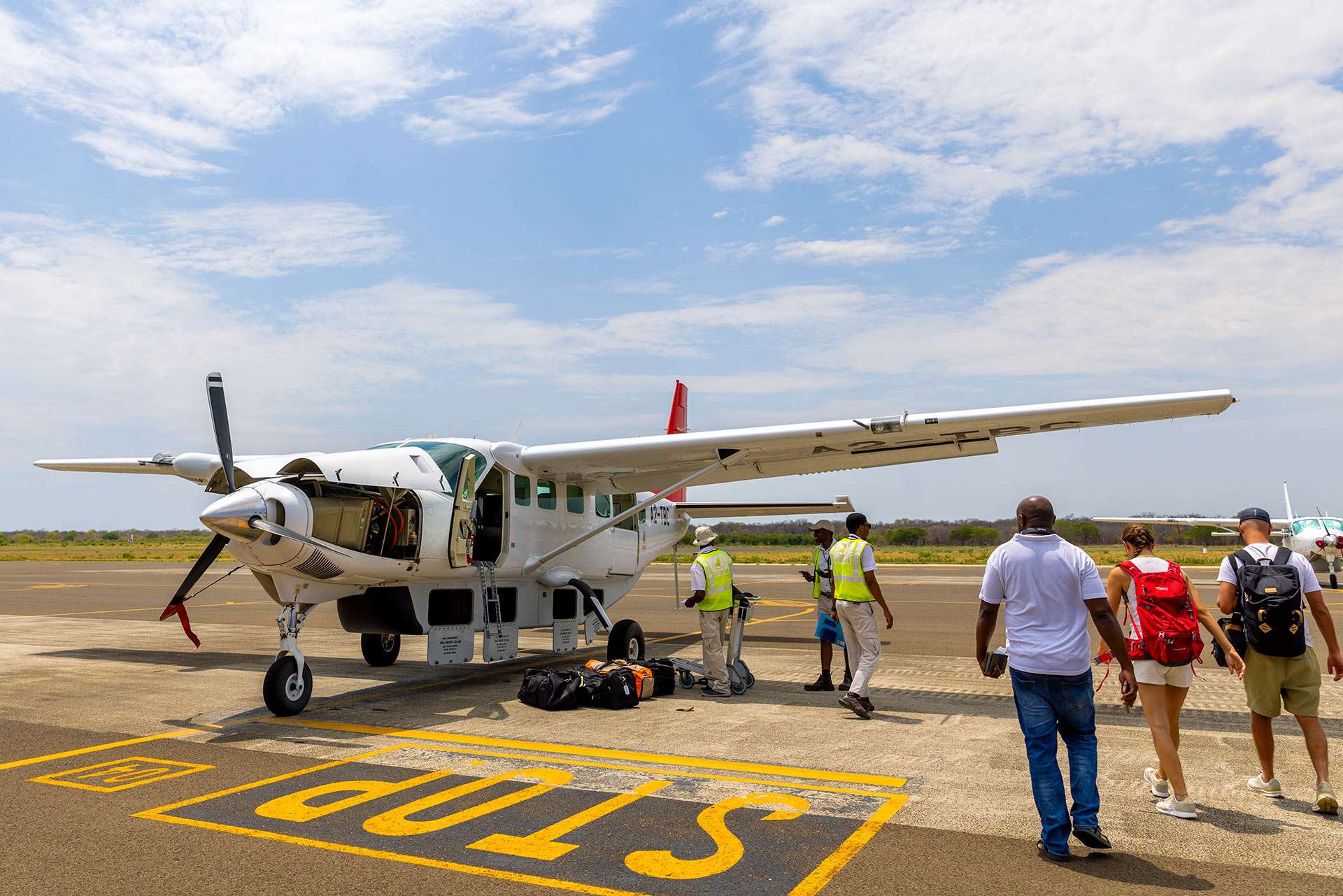
Charter flights to the game reserves are often used in high-end tours.

ANIMALINFO PUBLICATIONS
DIANA ANDERSEN
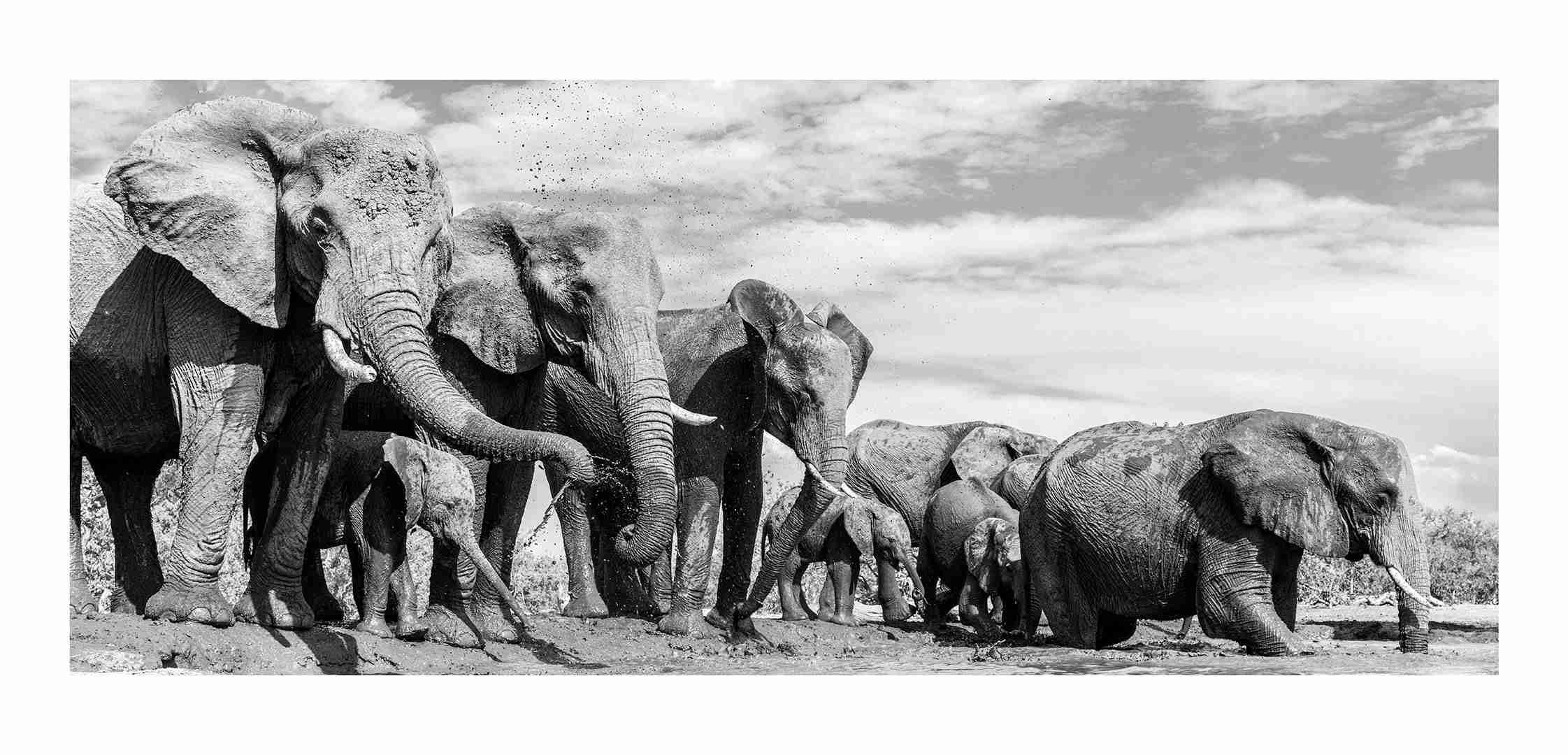
The Waterhole
A beautiful black and white limited-edition print of elephants visiting a waterhole in Botswana by Diana Andersen. SHOP >
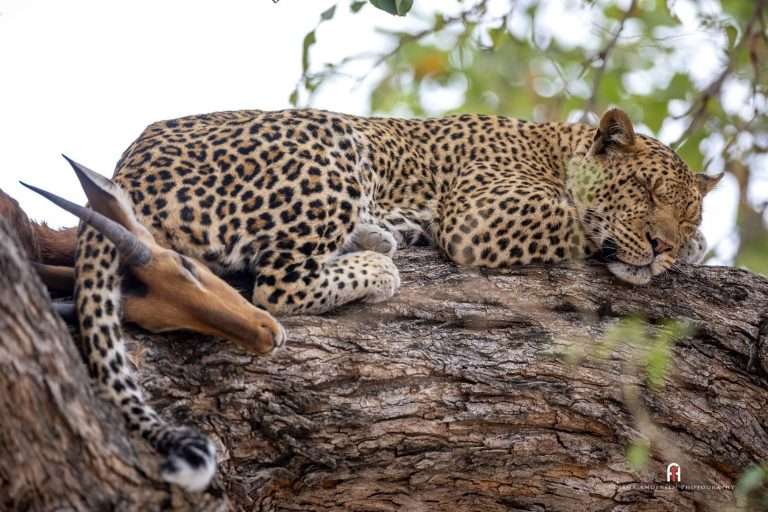
Capturing the Best Light on Safari
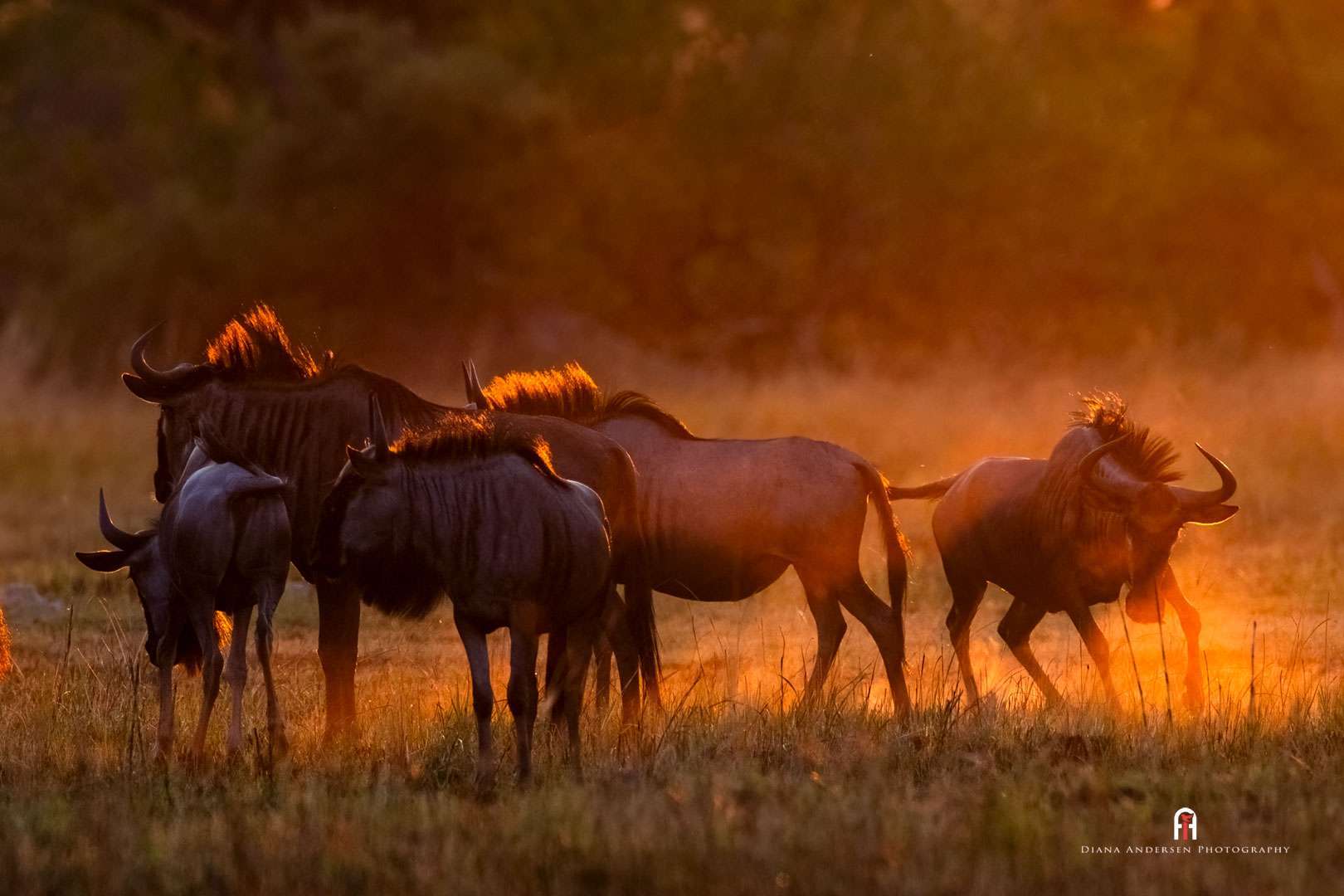
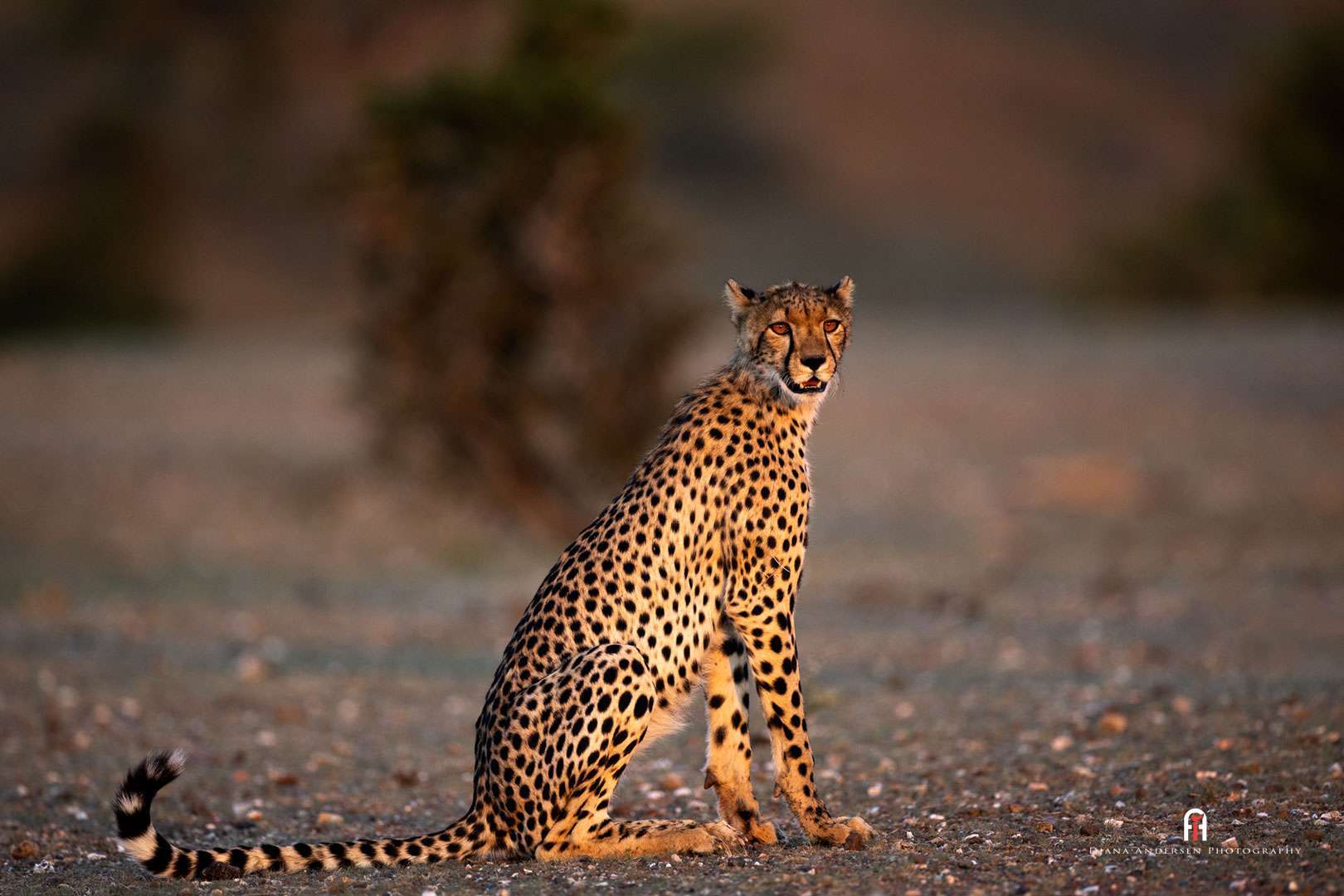
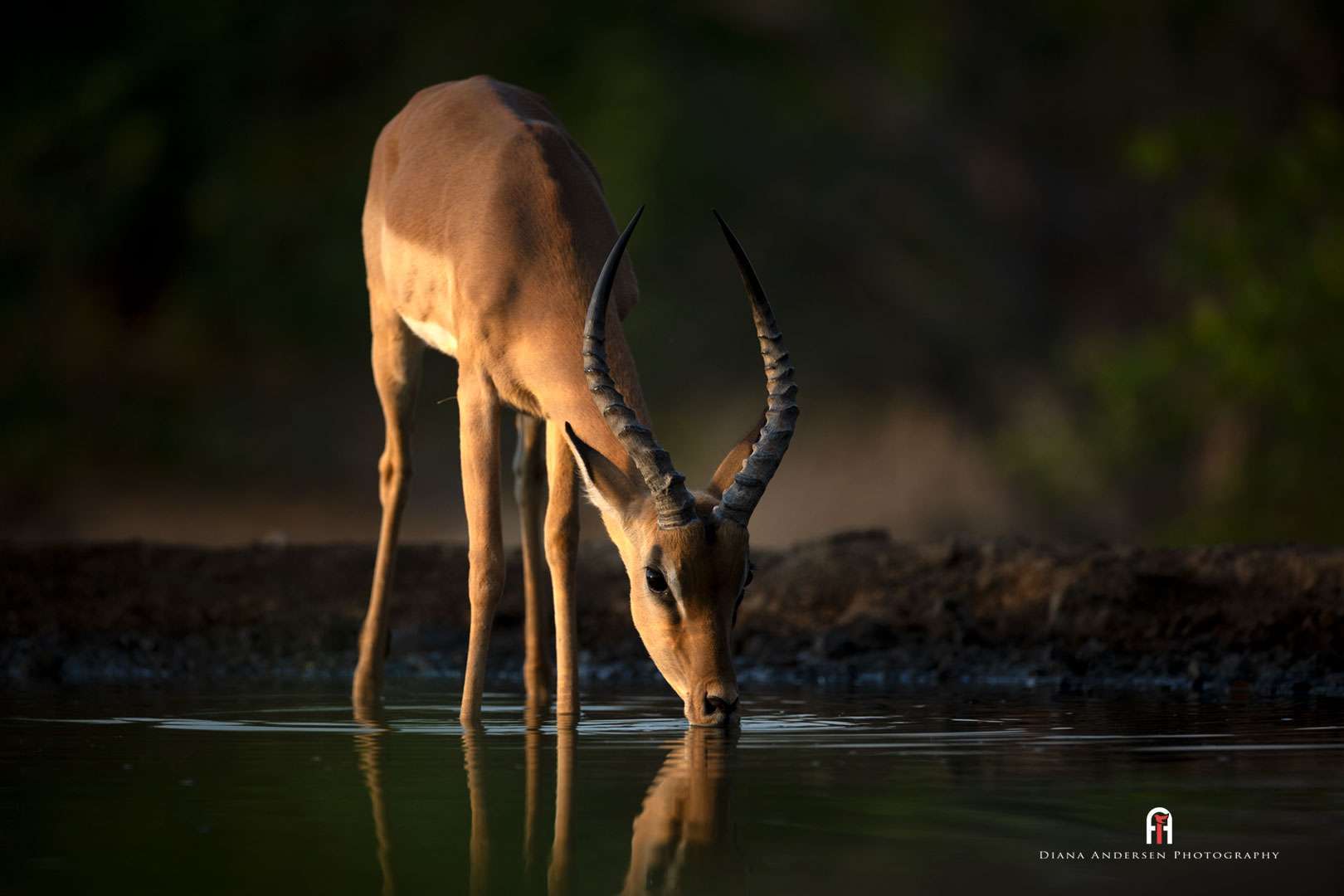
Although mid to high-range safaris typically provide better opportunities for game viewing, photographers should also consider other factors. One key consideration is the light with the best conditions for photography occurring shortly after dawn and at sunset. However, if you choose a regular safari, many non-photographers may not understand the value of departing so early to take advantage of the ideal lighting.
Wildlife photography tours emphasise photographic opportunities rather than randomly looking for animals or focusing only on the big five or high-profile animals. A group of photographers will happily spend extended time with a particular animal or bird in hopes of capturing stunning shots. In contrast, regular guests often prefer to move on in search of other or more popular animals.
Being part of a dedicated, like-minded group on photo safaris typically allows for a flexible itinerary during drives, adjusted based on the photographic opportunities that arise. Using a long lens can also make sharing a vehicle with non-photographers on a regular safari difficult, as other guests may want to approach wildlife closer than what is ideal for your focal length.
Do You Need a Photo Host as a Tour Leader?
In addition to better vehicles, guides, and trackers, photo safaris include guidance from a professional wildlife photographer. You need to be cautious in this area, as not all professional photographers are good at teaching their craft. Some even aim to get their shots at the expense of their guests, leading to disappointment for the photographers they should be helping. It is essential to look at the reviews and recommendations of previous guests.
Photography guides should have professional photographic skills and help their guests improve their photography rather than simply accompanying them to point out animals. There is no doubt that guests can benefit from a photography host’s knowledge of animal behaviour, preparing them for photo opportunities in advance. However, the guides and trackers employed by reputable safari companies are highly trained and excellent at spotting wildlife.
Photographic Hides
Photographic hides are also an excellent inclusion in many photography tours, but they also add cost. Hides provide for intensive and often very close encounters with wildlife. There are above-ground bird hides in many locations, often within the lodge grounds, where you can enjoy spending time at your own pace doing some photography and bird-watching between game drives at no additional cost. Other below-ground hides allow guests to view and photograph more dangerous game animals and more timid wildlife from a low profile. These are usually located at a waterhole and will usually come at a cost and vary in the opportunities they offer.
Most wildlife photographers, both enthusiasts and professionals, have no qualms about sitting still underground for several hours waiting for photographic opportunities. On the other hand, non-photographers will usually want to move on after a short time, so photographic versus regular safaris are a better choice if you are keen to focus on hide photography. The other thing to consider is that not all hides are equal, and again, research and reviews can help you decide if the cost is worth it. The best hides for photography provide ample open space behind the approaching animals, allowing for clear shots free from the African bush’s clutter. Some hides are now designed for overnight stays and include photographic lighting at the waterhole, which enhances the photographic experience and offers a unique perspective on nocturnal Africa.
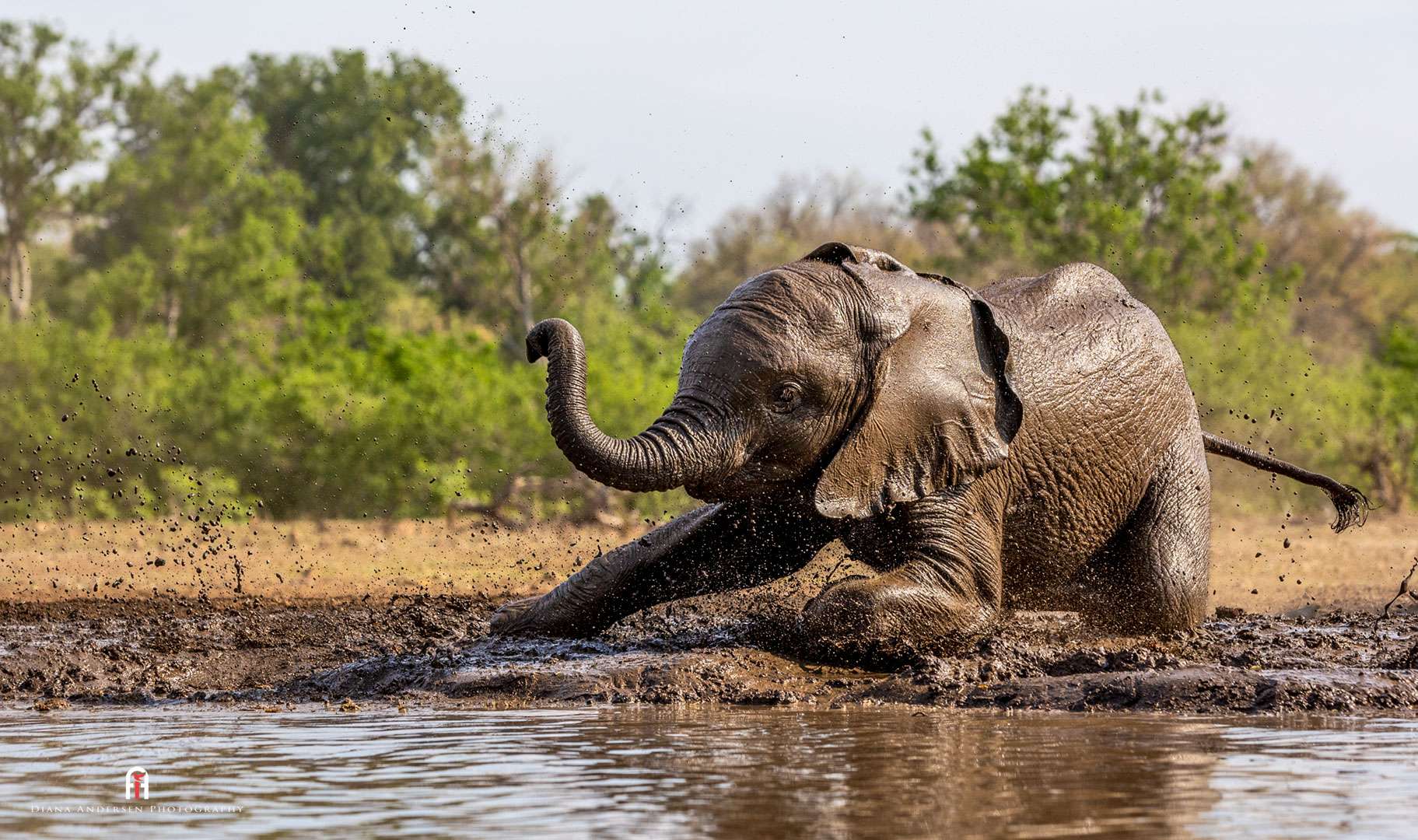
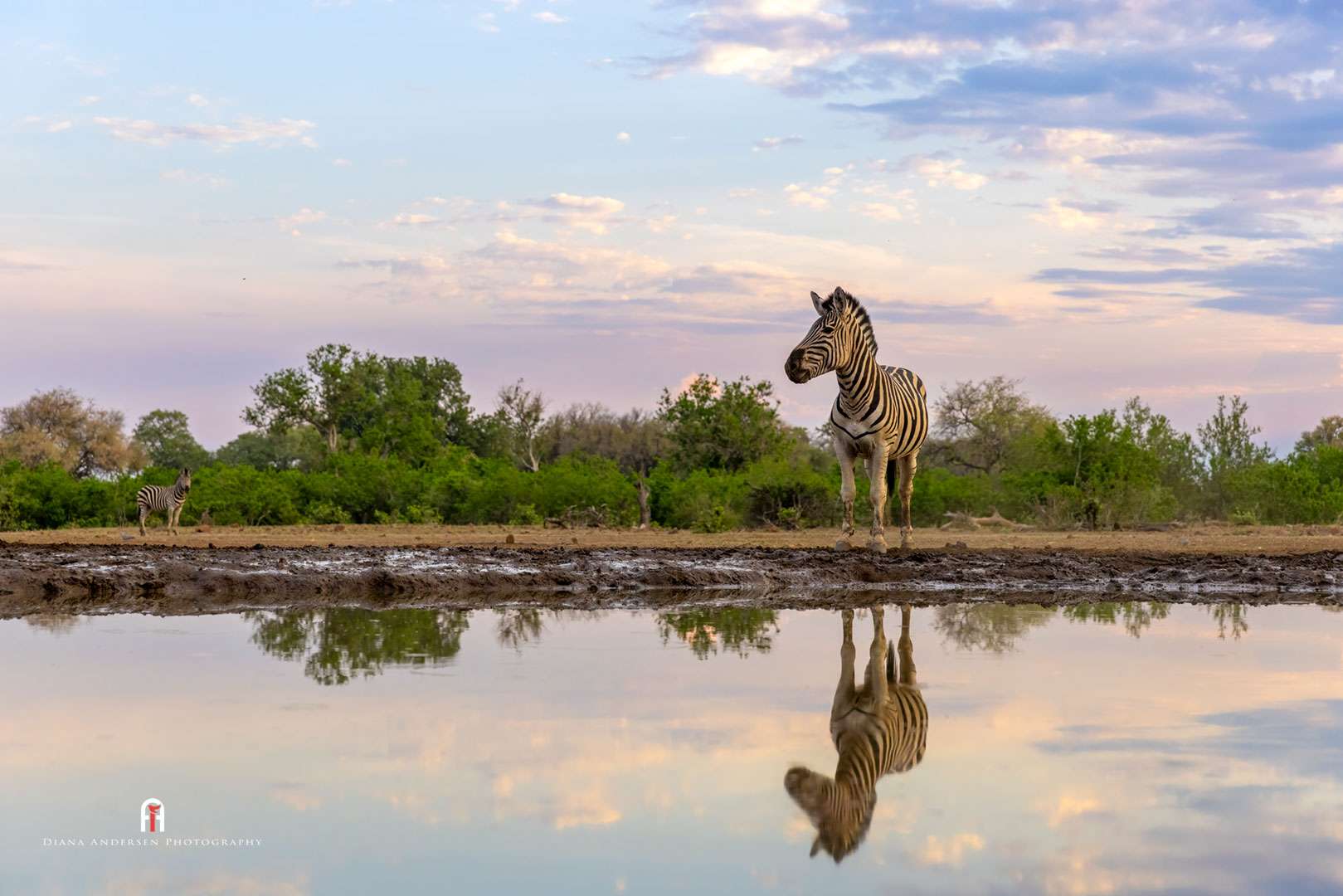
Hides are usually located at a waterhole.
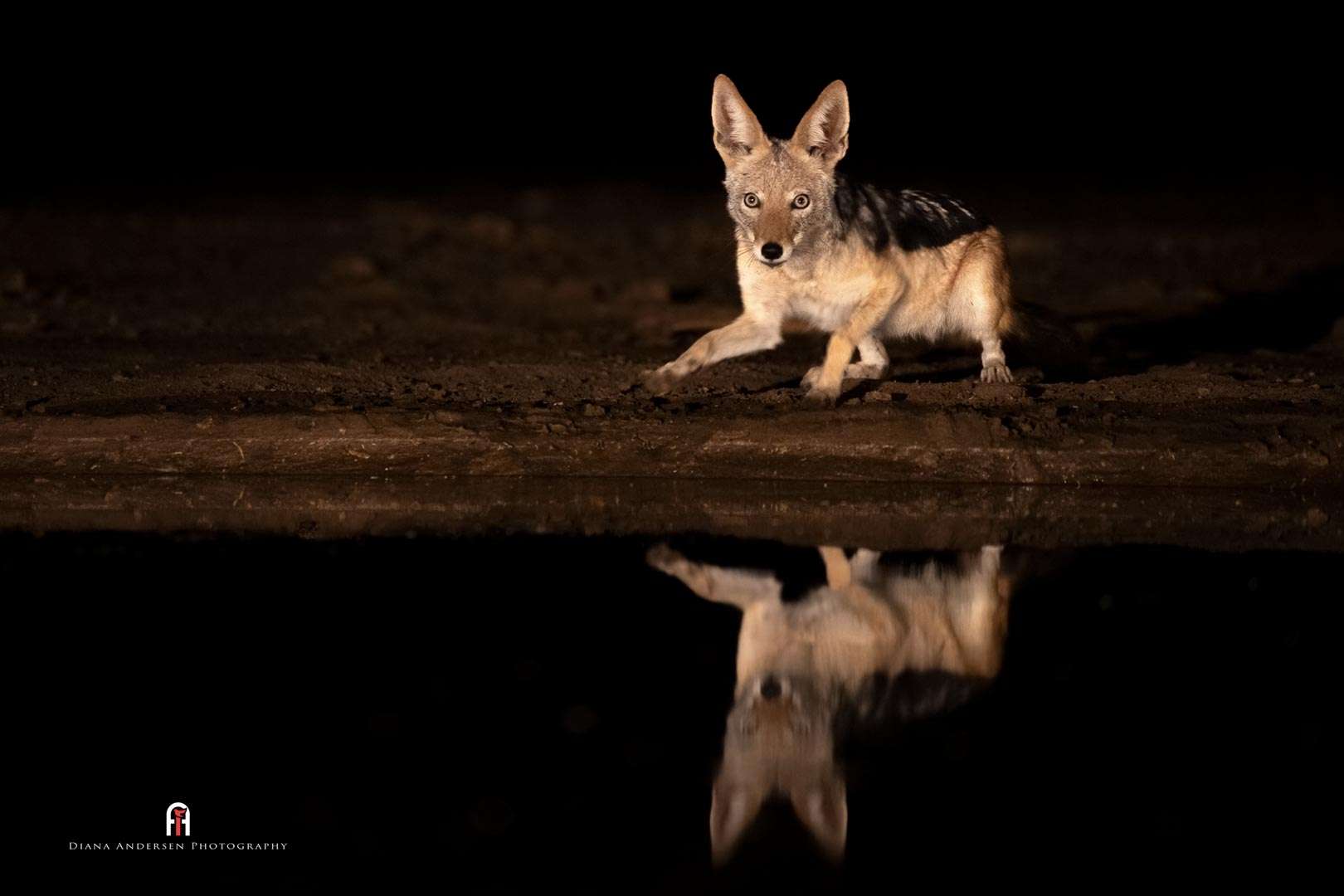
Night hides offer a unique perspective on nocturnal Africa.
Other Features of Photographic Versus Regular Safaris
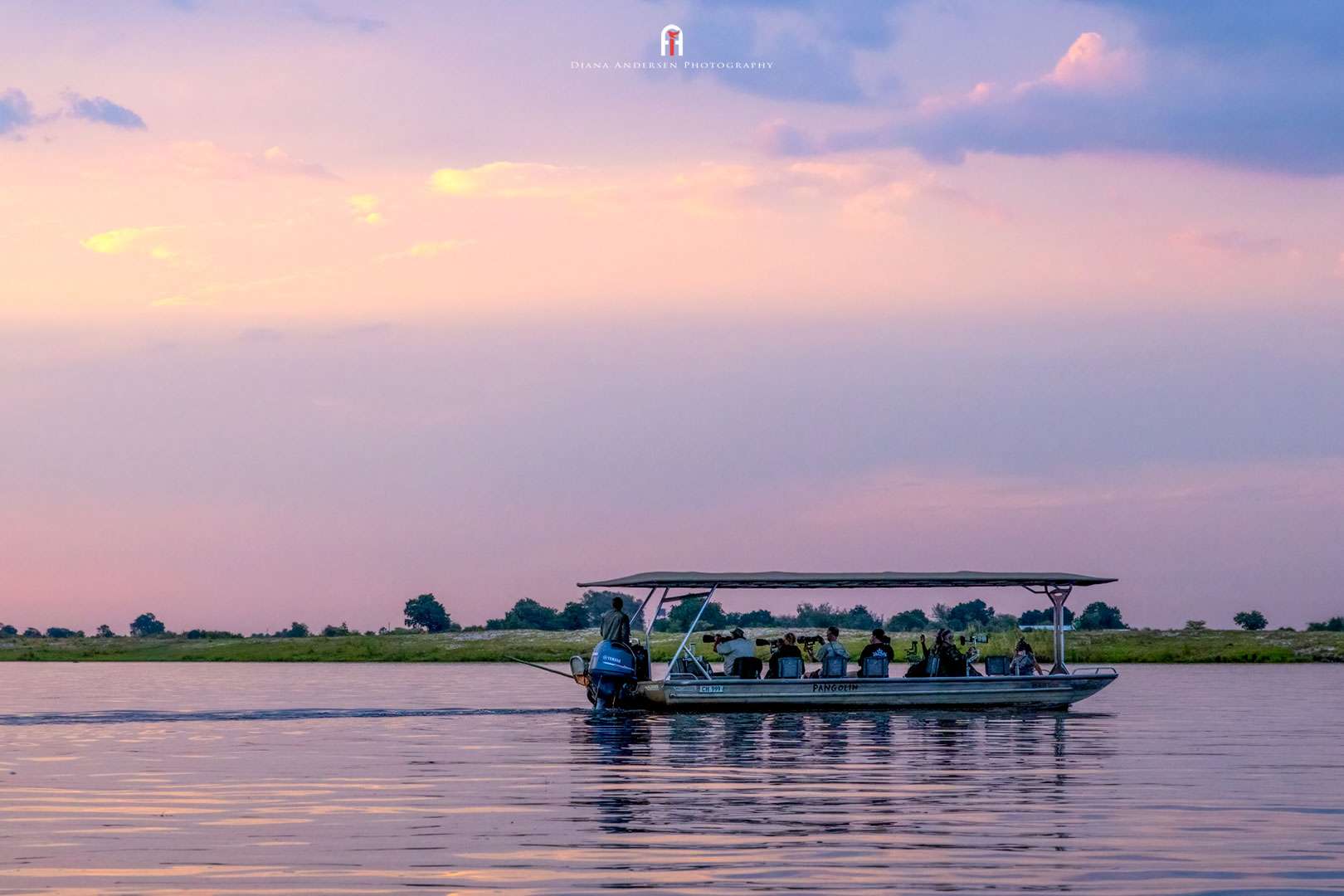
Some tours allow photographers to observe wildlife from boats that navigate larger rivers, such as the mighty Zambezi and the Chobe River in Botswana. However, the photographic opportunities can vary significantly between different locations and companies. While many companies offer boating excursions in Chobe, only a few provide boats equipped with photographic gimbals and include a photo host to enhance your experience.
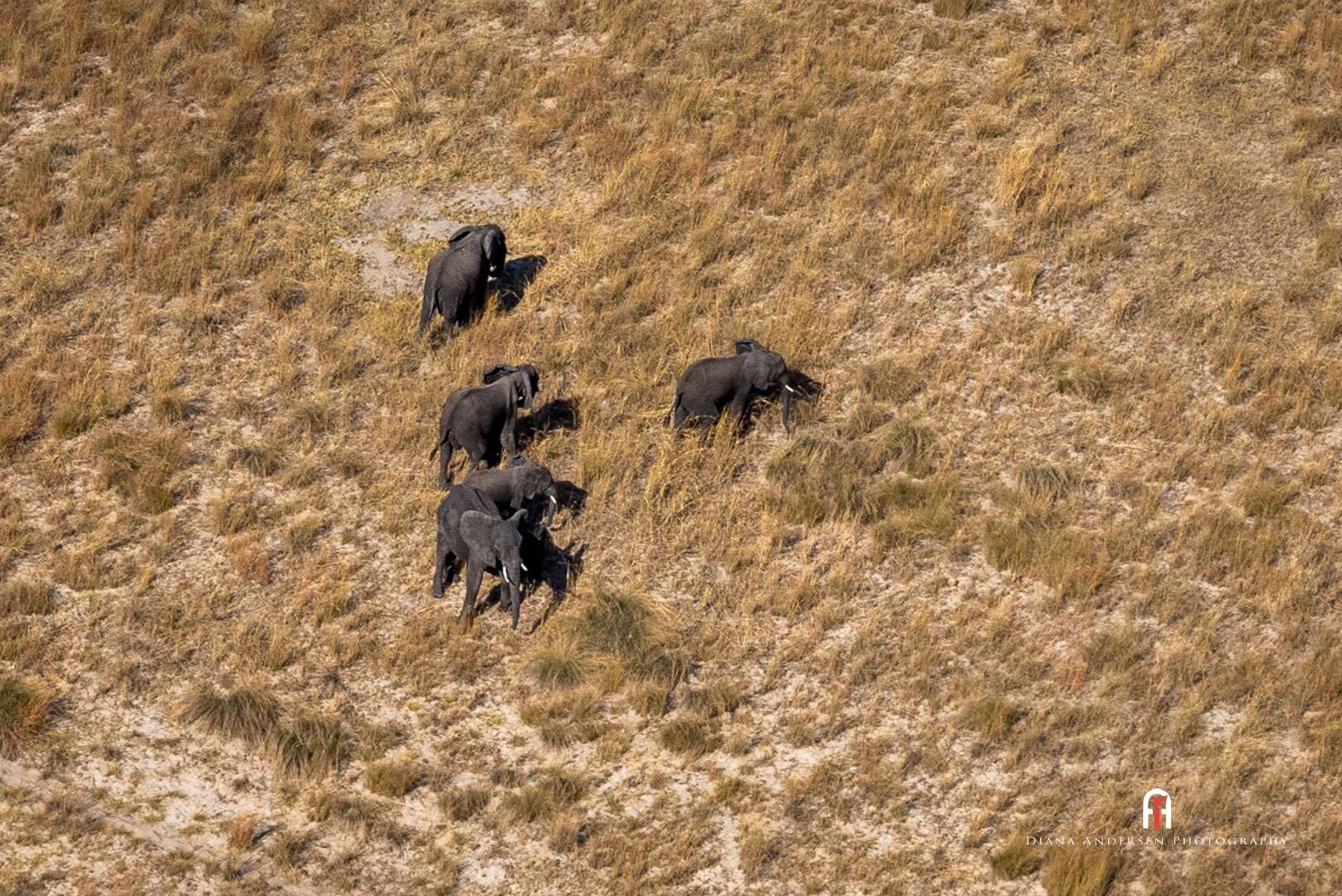
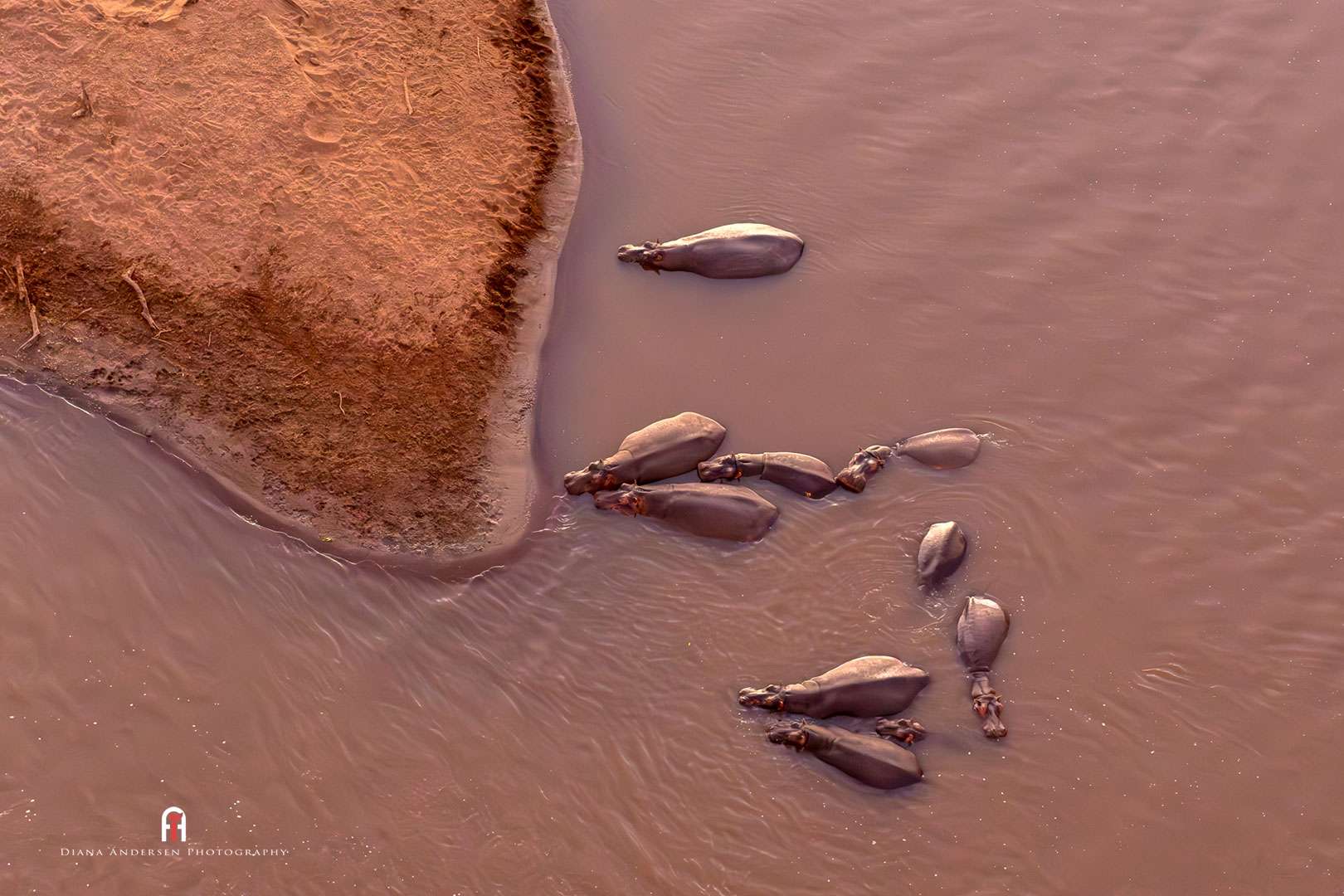
High-end tours to locations such as the Okavango Delta or Amboseli National Park offer a more exclusive experience on private concessions or conservancies. These tours may include options like helicopter rides, providing a unique opportunity to view and photograph wildlife from above. Even in the national parks in Kenya or Tanzania, you can enjoy inclusions like a balloon ride that give you the same opportunity. However, if you book a regular tour with these options, you may still encounter challenges related to sharing vehicles and experiences with non-photographers. If photography is your focus, booking a photography tour will be worth any additional expense in these areas.
In Conclusion
Tours that include a private vehicle, especially those tailored to the needs of photographers (such as having gimbals or bean bags), tend to be the most expensive. Additionally, those that incorporate private game reserves, which allow for off-roading and offer flexible itineraries, are among the highest in cost. Along with the ability to extend your time beyond regular game drive hours, these tour options will undoubtedly offer the best opportunities for photography. With the guidance of an excellent photography host, you can expect to return home with stunning photographs and cherished memories of a fantastic experience.
JOIN DIANA AND VISIT BOTSWANA – LEARN MORE & BOOK
© Copyright 2025. Diana Andersen, Animalinfo Publications
Share this
WILDLIFE TOURISM ARTICLES >
BOTSWANA SAFARI 2026
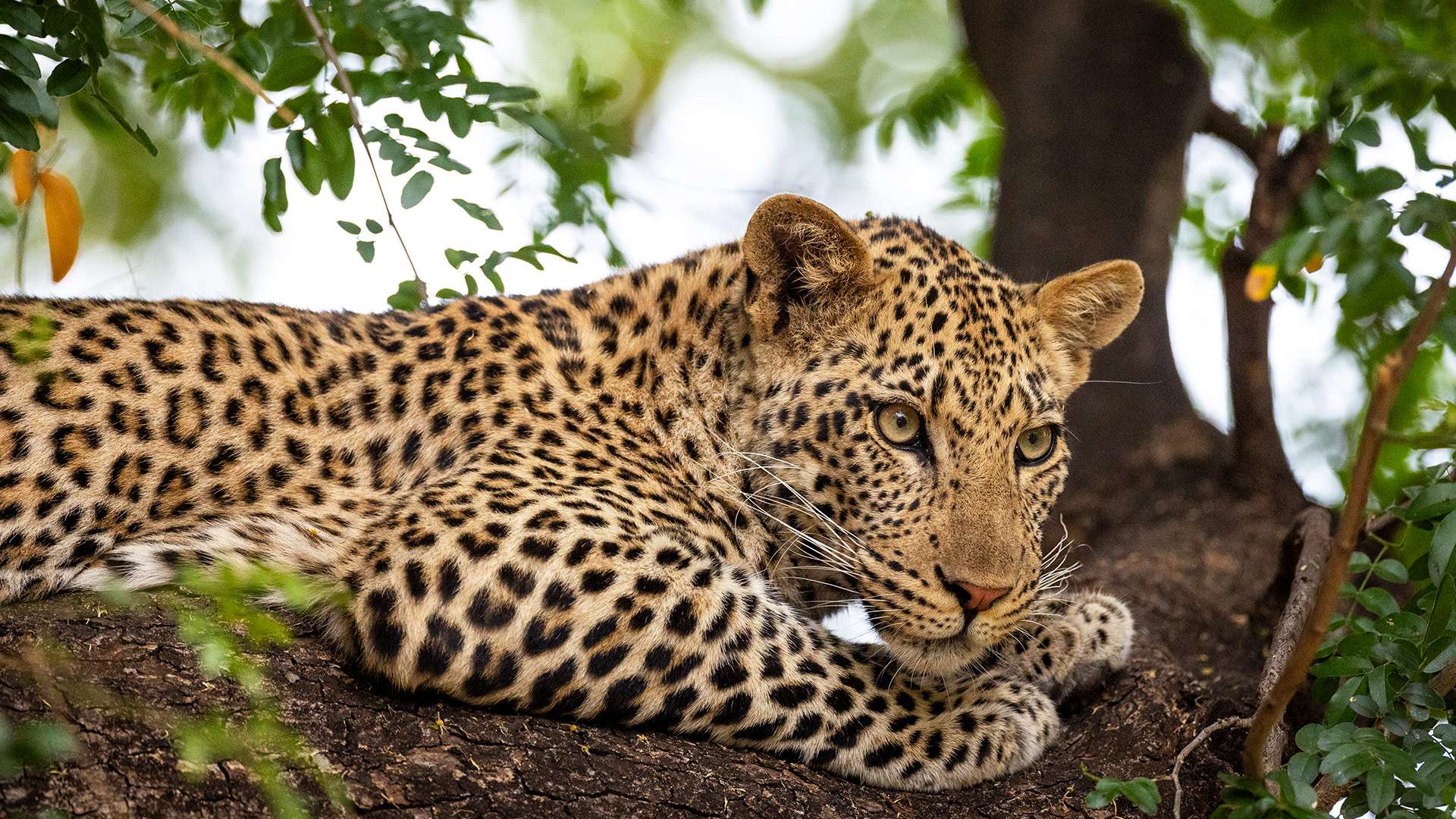
Join a safari to the amazing Mashatu and Chobe in 2026, led by wildlife photographer and instructor Diana Andersen. Learn More >
Related Reading
SHOP WILDLIFE PHOTOGRAPHY GEAR
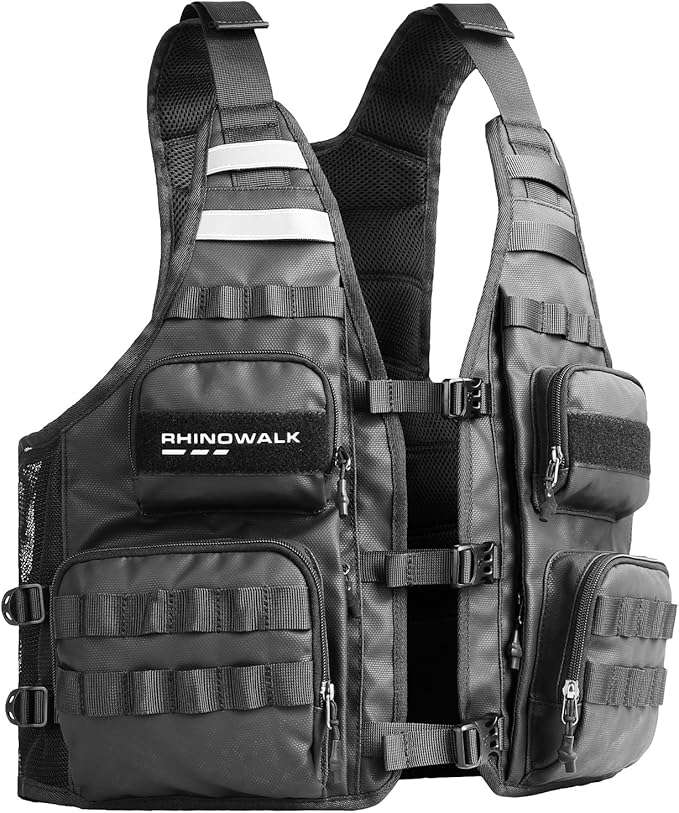
Rhinowalk Photography Vest
AMAZON
We are a participant in the Amazon Services LLC Associates Program, an affiliate advertising program designed to provide a means for us to earn fees by linking to Amazon.com and affiliated sites
SHOP WILDLIFE ART